Difficulty: Summiteer (Level 3)
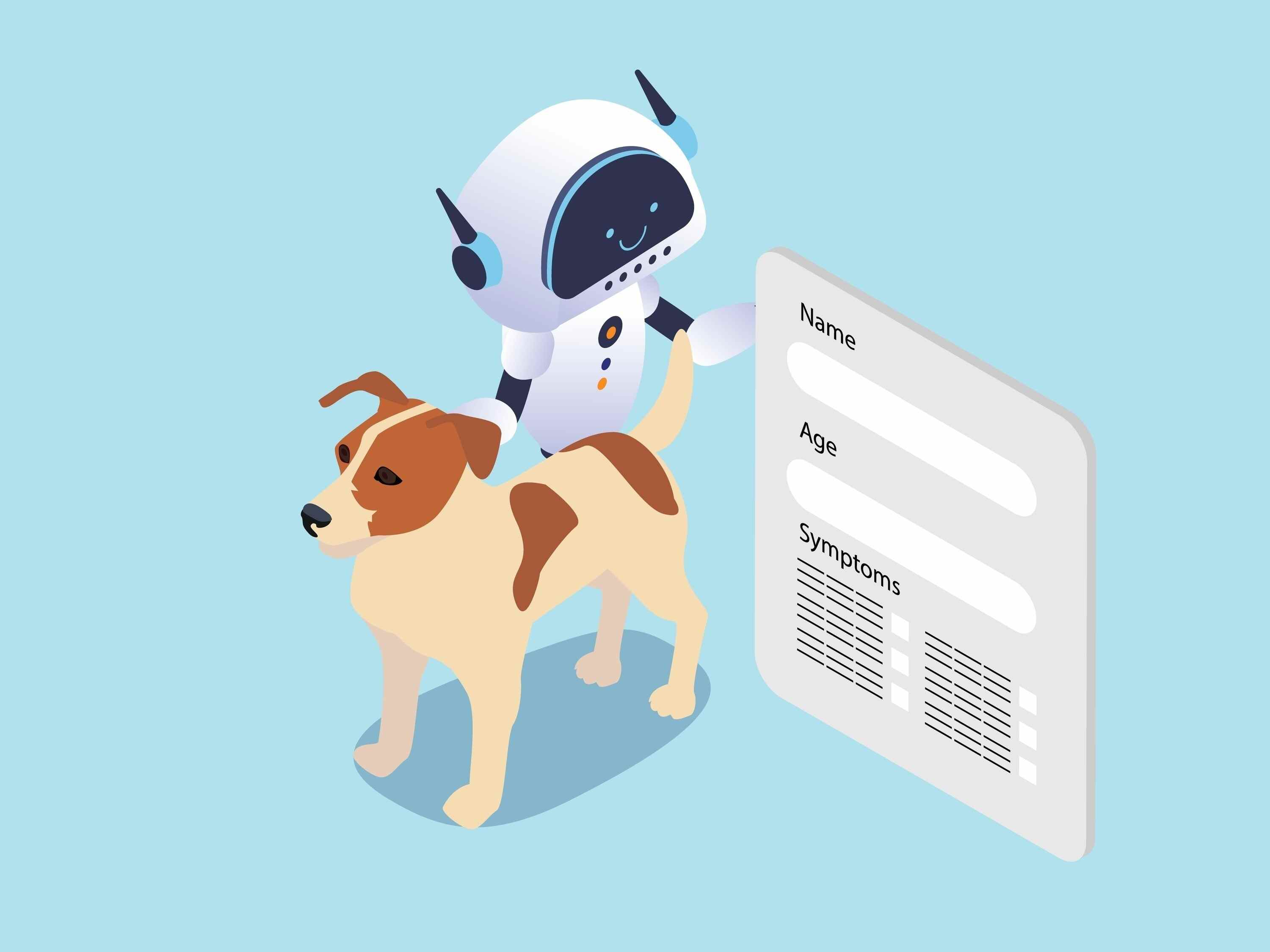
Just a few years ago, pet owners would ask vets about information they found online for their pet’s symptoms. Now, “Dr Google” has turned into “Dr AI”. But can artificial intelligence (AI) replace a visit to a real vet?
While online tools are tempting, the short answer is no, though AI can be a great sidekick if used correctly.
Relying solely on AI carries real risks, such as delaying emergency care. If AI suggests that something is just a minor issue, owners might wait too long to get help, only for the pet’s condition to deteriorate.
AI also lacks a vet’s ethical judgment and ability to weigh complex decisions about an animal’s quality of life.
More than meets the eye
AI relies on the accuracy of the user’s description of an animal’s symptoms, but if you misinterpret what you see, a chatbot’s diagnosis will be completely off track.
AI also tends to agree with what users say. If an owner asks, “Could my dog’s limping just be a pulled muscle?”, the chatbot will often agree rather than warn of a bigger problem. AI can also give advice that sounds true but is factually wrong.
Even when vets try to answer an owner’s questions over the phone, it is often different from examining the animal in person. Because owners see their pets daily, it is hard for them to detect tiny changes that accumulate over time.

Vets get hands-on
Animals cannot tell us whether their belly feels bloated or whether their drooling is from a sore tongue or from something bitter they licked.
Vets use hands-on examinations to assess patients, such as performing a skin tent test, checking the gums for dehydration and listening to the heart.
AI cannot feel a stomach mass that seems like a mild stomach bug. Also, a chatbot might suggest waiting out a bloated, restless dog’s pain, but a vet instantly notices the signs of a life-threatening twisted stomach that needs surgery.
Tips for using AI
Still, this does not mean you must avoid AI altogether. After a vet visit, you can use a chatbot to help explain complex medical terms to better understand your pet’s condition.
Tell the AI to find information only from reputable, vet-verified platforms, such as vet university pages or animal hospital websites. Always consult your vet before taking any action based on AI advice.