YoungPost Club Learn
DOWNLOAD OUR APP
appstoregoogleplay
FIND US AT
My JourneyMy VocabularyMy Leaderboard
My AccountSearchAbout UsContact Us
Subscription Plan
School Subscription
YOUNG POST
NewsTrendingBeing wellLearning zoneShare with usQuizzes
SPARK
NewsTrendingBeing wellLearning zoneShare with usQuizzes
POSTIES
Big readEye on the newsHa-ha-happeningsThings to doYour saySteam studioHealth and happinessQuizzes
Subscribe to Young Post Club to access our great content
ABOUT US|CONTACT US|WRITE FOR US|PRIVACY POLICY|TERMS & CONDITIONS
©2025 Young Post Club. All rights reserved.
My Journey Hello
Brand Avatar
Young Post
My Journey illustration

With a subscription, you can answer quizzes and track your reading progress.

Read / Eye on the news

French study reveals surprising microplastic levels in glass bottles

Food safety agency ANSES’ findings highlight cap paint as a potential source
byAgence France-Presse
Published: 11:45pm, 06 Jul 2025
Length: 207 words
French study reveals surprising microplastic levels in glass bottles

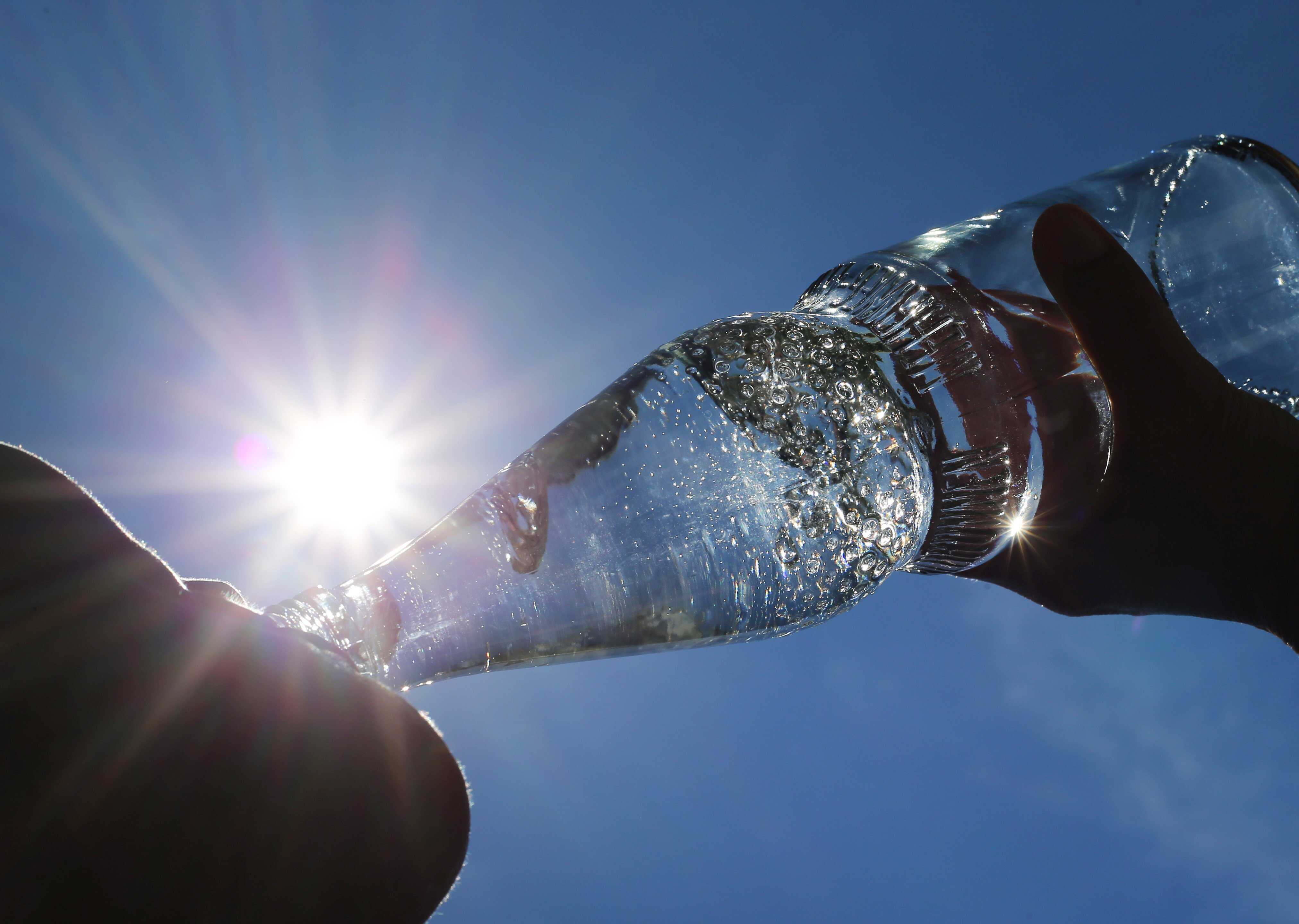
French study reveals glass bottled drinks contain more microplastics than plastic, due to cap friction. Photo: dpa

QUESTION: What did the ANSES study find regarding microplastics in drinks?

Difficulty: Summiteer (Level 3)

A study by France’s food safety agency, ANSES, found that drinks such as water, soda, beer, and wine in glass bottles contain more microplastics than those in plastic bottles.

The researchers found an average of around 100 microplastic particles per litre in glass bottles of soft drinks, lemonade, iced tea and beer. That was five to 50 times higher than the rate detected in plastic bottles or metal cans.

“We expected the opposite result,” said PhD student Iseline Chaib, who conducted the research.

They observed that the particles emerging from the samples had the same shape, colour and polymer composition, indicating they were the same type of plastic as the paint on the caps of the glass bottles.

The paint on the caps also had “tiny scratches, invisible to the naked eye, probably due to friction between the caps when they were stored,” the agency said.

This could then “release particles onto the surface of the caps”, it added.
IN THIS ARTICLE
Environment
KEEP READING
cover
Your say
Feature of the Week: Anna and Mira’s Lamma Island beach clean-up
03 Mar 2025
cover
Your say
Your letters: Battling plastic pollution, Dubai diaries and sustainable energy
16 Dec 2024
cover
Eye on the news
Artist Fu Junsheng transforms China’s plastic waste into beachside installations
15 Dec 2024