

YoungPost Club Learn
DOWNLOAD OUR APP
appstoregoogleplay
FIND US AT
My JourneyMy Vocabulary BuilderMy Leaderboard
My AccountSearchFAQAbout UsContact Us
Subscription Plan
School Subscription
YOUNG POST
NewsTrendingBeing wellLearning zoneShare with usQuizzes
SPARK
NewsTrendingBeing wellLearning zoneShare with usQuizzes
POSTIES
Big readEye on the newsHa-ha-happeningsThings to doYour saySteam studioHealth and happinessQuizzes
Subscribe to Young Post Club to access our great content
ABOUT US|CONTACT US|WRITE FOR US|PRIVACY POLICY|TERMS & CONDITIONS
©2026 Young Post Club. All rights reserved.
My Journey Hello
Brand Avatar
Young Post
My Journey illustration

With a subscription, you can answer quizzes and track your reading progress.

result
Learn new words with our vocabulary challenge!
My Journey illustration

With a subscription, you can answer quizzes and track your reading progress.

result
Learn new words with our vocabulary challenge!
My Journey illustration

With a subscription, you can answer quizzes and track your reading progress.

Read / Eye on the news

Dog diversity began 11,000 years ago, before modern breeding

Ancient skulls reveal early domestication and surprising prehistoric breed variation
byReuters
Published: 11:45pm, 30 Nov 2025
Length: 180 words
Dog diversity began 11,000 years ago, before modern breeding

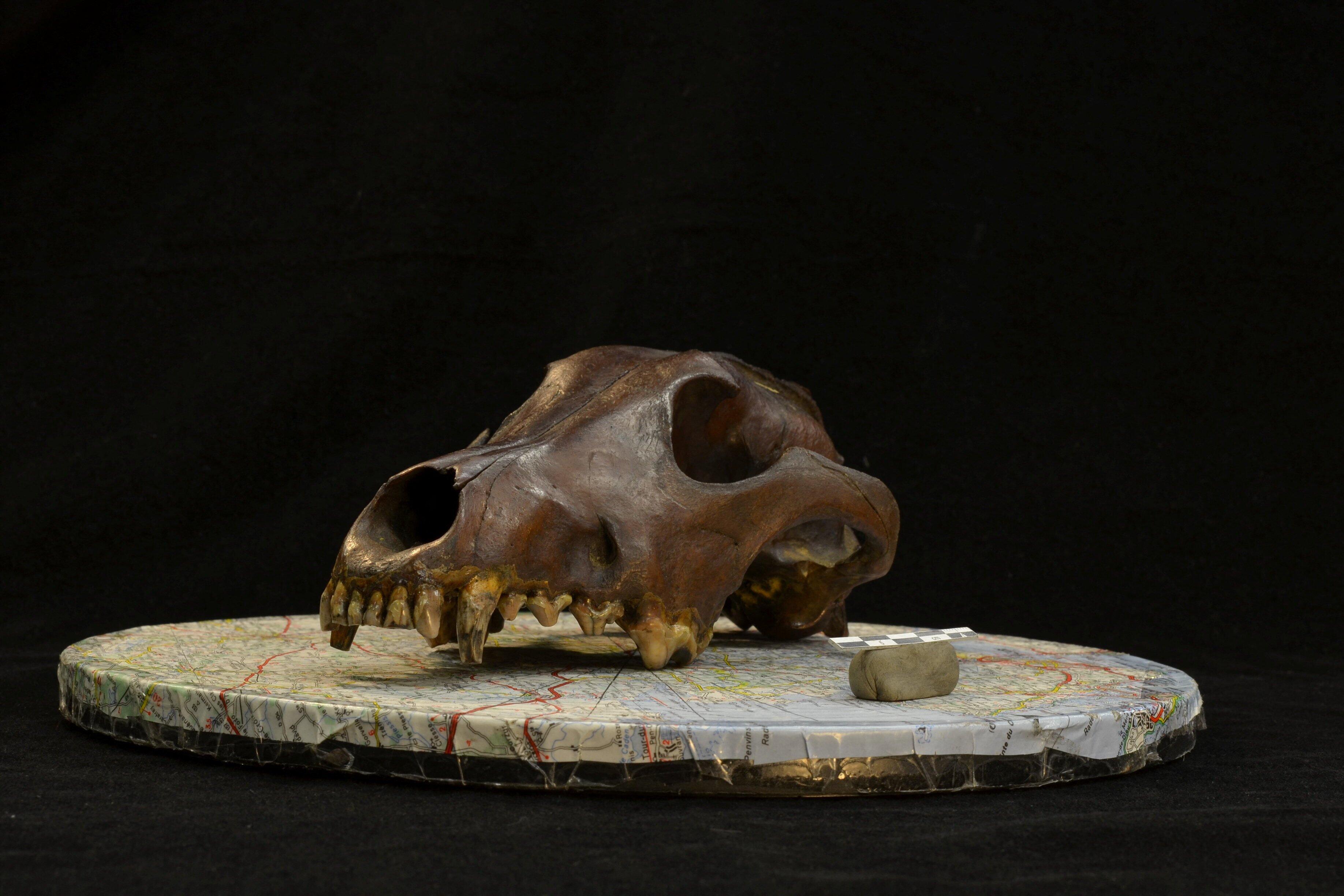
A skull from a Pleistocene wolf from Alaska that was used to make 3D models. Photo: American Museum of Natural History/ University of Exeter/Handout via Reuters

Difficulty: Summiteer (Level 3)

Dogs today come in many different shapes and sizes.

But when did this variety start? New research shows it began a long time ago, even before modern breeding methods.

Scientists looked at the sizes and shapes of 643 dog skulls and their wolf ancestors from about 50,000 years ago. They found that dogs began to show distinct physical features at least 11,000 years ago, around the time the last Ice Age ended.

The findings go against the idea that this kind of diversity is mostly something new that happened because of how humans bred dogs over the last few hundred years. The research showed that significant variation in cranial size and shape among dogs appeared soon after the divergence from their wolf ancestors.

The dog is descended from an ancient wolf population that is separate from modern wolves. The dog was the first animal domesticated by people.
IN THIS ARTICLE
Animals
KEEP READING
cover
Things to do
Activities to learn more about animals, big and small
26 Oct 2025
cover
STEAM studio
Learn why Tunisian Sloughi hunting dogs are disappearing
24 Aug 2025
cover
Eye on the news
China dog rescuer marries volunteer surrounded by furry friends
06 Jul 2025