YoungPost Club Learn
DOWNLOAD OUR APP
appstoregoogleplay
FIND US AT
My JourneyMy Vocabulary BuilderMy Leaderboard
My AccountSearchFAQAbout UsContact Us
Subscription Plan
School Subscription
YOUNG POST
NewsTrendingBeing wellLearning zoneShare with usQuizzes
SPARK
NewsTrendingBeing wellLearning zoneShare with usQuizzes
POSTIES
Big readEye on the newsHa-ha-happeningsThings to doYour saySteam studioHealth and happinessQuizzes
Subscribe to Young Post Club to access our great content
ABOUT US|CONTACT US|WRITE FOR US|PRIVACY POLICY|TERMS & CONDITIONS
©2026 Young Post Club. All rights reserved.
My Journey Hello
Brand Avatar
Young Post
My Journey illustration

With a subscription, you can answer quizzes and track your reading progress.

result
Learn new words with our vocabulary challenge!
My Journey illustration

With a subscription, you can answer quizzes and track your reading progress.

result
Learn new words with our vocabulary challenge!
My Journey illustration

With a subscription, you can answer quizzes and track your reading progress.

Read / Eye on the news

Get ready for a solar eclipse across Europe in August

Solar eclipses happen about every 18 months in different places on Earth, but only in specific areas
bydpa
Published: 12:00am, 10 Aug 2026
Length: 176 words
Get ready for a solar eclipse across Europe in August

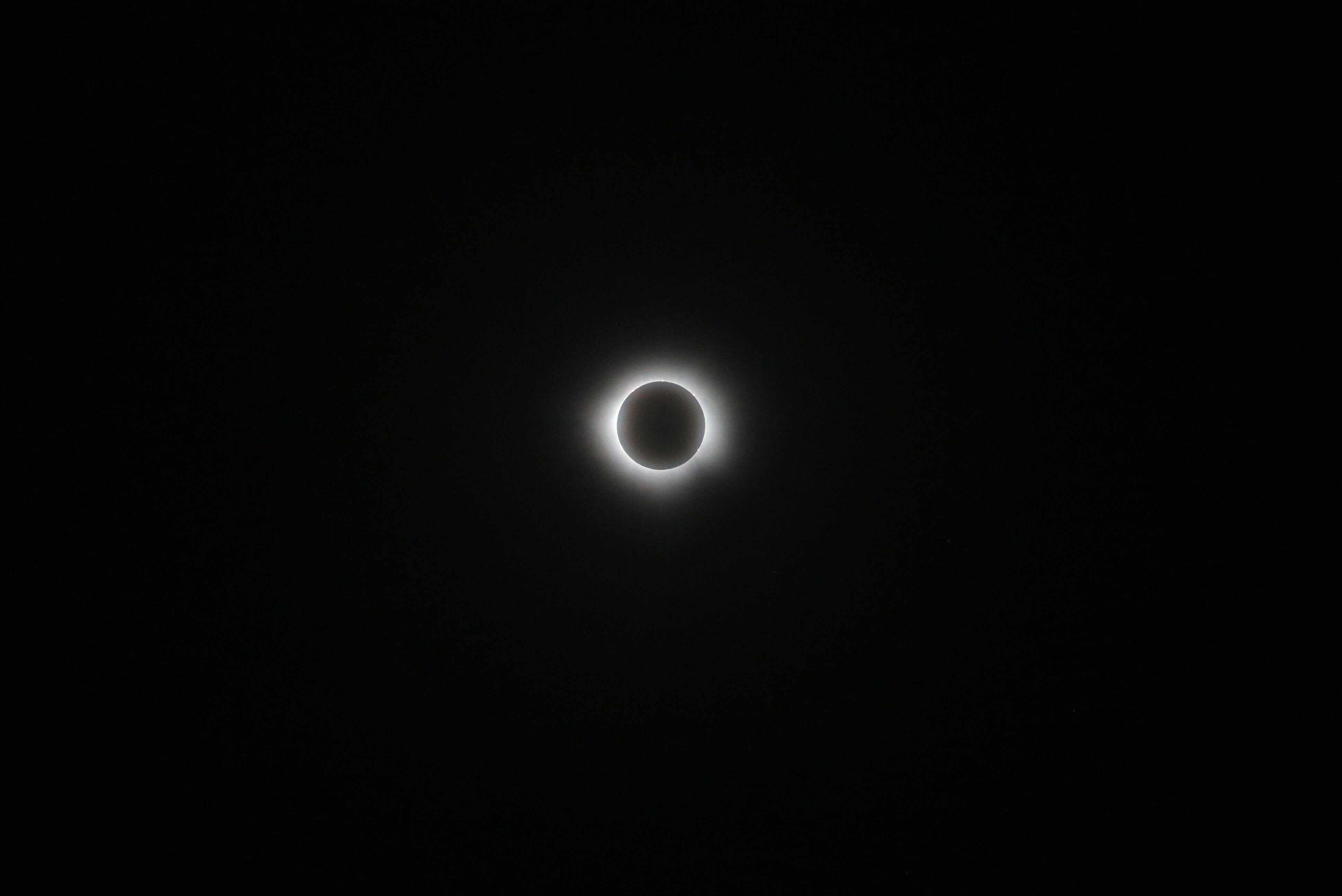
August is bringing a solar eclipse to most of Europe, Canada and parts of North Africa. Photo: dpa

Difficulty: Summiteer (Level 3)

A solar eclipse will delight skygazers in Europe on August 12. The sun will totally disappear in eastern Greenland, western Iceland, parts of Spain, as well as in the Balearic Islands and the western Mediterranean.

People in Europe and parts of North Africa, including Ukraine and Morocco, will also be able to see the cosmic event a little bit.

Ireland, the UK, France, Portugal, Italy, Switzerland and Algeria are among the countries where around 90 per cent of the sun will be covered by the moon.

Solar eclipses happen about every 18 months in different places on Earth, but only in specific areas. Not everyone can see them.

Experts say you should not watch the event without special eclipse glasses because regular sunglasses won’t protect your eyes enough.

IN THIS ARTICLE
News from Europe
Science
KEEP READING
cover
Big read
Hong Kong’s first astronaut inspires students to reach for the stars
29 Jun 2026
cover
Health and happiness
Legendary Lessons: Einstein’s journey from student to Nobel Prize-winner
05 May 2026
cover
Big read
Hong Kong’s light pollution problem
13 Apr 2026