YoungPost Club Learn
DOWNLOAD OUR APP
appstoregoogleplay
FIND US AT
My JourneyMy Vocabulary BuilderMy Leaderboard
My AccountSearchFAQAbout UsContact Us
Subscription Plan
School Subscription
YOUNG POST
NewsTrendingBeing wellLearning zoneShare with usQuizzes
SPARK
NewsTrendingBeing wellLearning zoneShare with usQuizzes
POSTIES
Big readEye on the newsHa-ha-happeningsThings to doYour saySteam studioHealth and happinessQuizzes
Subscribe to Young Post Club to access our great content
ABOUT US|CONTACT US|WRITE FOR US|PRIVACY POLICY|TERMS & CONDITIONS
©2026 Young Post Club. All rights reserved.
My Journey Hello
Brand Avatar
Young Post
My Journey illustration

With a subscription, you can answer quizzes and track your reading progress.

result
Learn new words with our vocabulary challenge!
My Journey illustration

With a subscription, you can answer quizzes and track your reading progress.

result
Learn new words with our vocabulary challenge!
My Journey illustration

With a subscription, you can answer quizzes and track your reading progress.

Read / Eye on the news

Cry for help as French-Swiss lake dries up after record-breaking heatwaves

Drought, as well as geological fissures, have caused the Lac des Brenets to dry up, with weeds growing on the exposed lake bed
byAgence France-Presse
Published: 11:45pm, 18 Oct 2026
Length: 215 words
Cry for help as French-Swiss lake dries up after record-breaking heatwaves

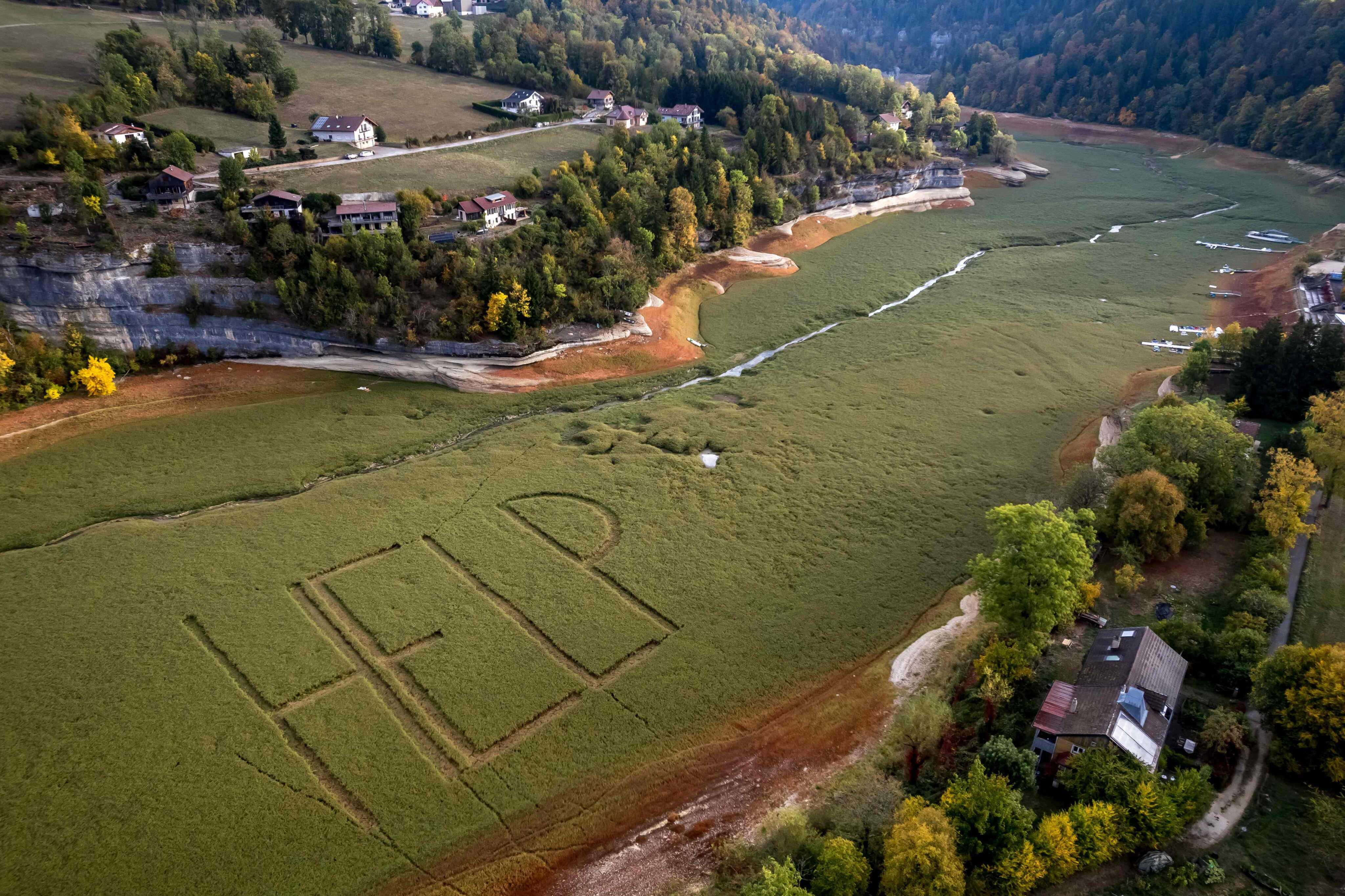
Locals have written “HELP” on the grass-covered bed of the Lac des Brenets. Photo: AFP

Difficulty: Summiteer (Level 3)

The Lac des Brenets between France and Switzerland has dried up after a record-breaking hot summer. Locals are asking for help to save the lake.

They have scratched the words “HELP” and “SOS” in the weeds on the exposed lake bed.

The drought has ruined boat tourism, and some question whether the lake will ever return to enduring full health.

“It’s utter despair: no more lake,” said 76-year-old David Favre, who lives in the Swiss village of Les Brenets.

The lake has dried up due to a mix of factors, including geological fissures that drain water underground, below-average rainfall and repeated heatwaves. The months of June, July and August were each the hottest ever recorded in Switzerland since measurements began in 1864.

A task force was set up by French and Swiss authorities in 2022 to explore ways of limiting the water draining into the fissures, but it has not resulted in decisive action.
IN THIS ARTICLE
News from Europe
Environment
KEEP READING
cover
STEAM studio
Climate change means more heatwaves. Can humans adapt?
23 Aug 2026
cover
Things to do
Activities to learn about climate change and help the environment
05 Apr 2026
cover
STEAM studio
Heat leads to more sweets: climate change’s links to sugar consumption
12 Oct 2025