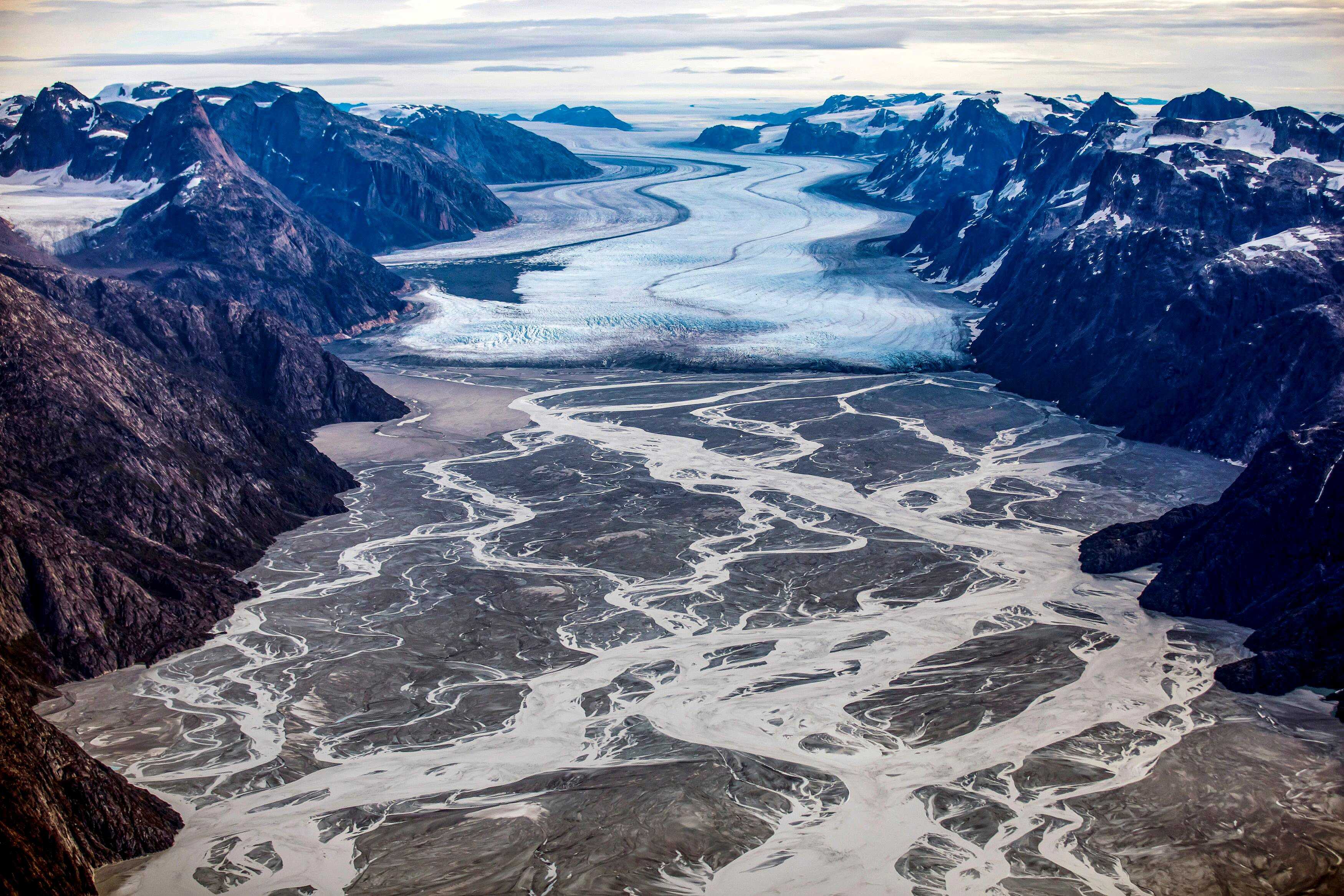
Tundras are very difficult places to live in. They are extremely cold and windy, with no trees and very little rain.
The tundra covers about a fifth of the Earth's surface. There are two types of tundra: alpine and Arctic.
Alpine tundras are found on mountains, where trees cannot grow because of the high altitude. The Arctic tundra is the area around the North Pole: from the edge of the Arctic Ocean all the way to the forests of Russia and Canada.
For most of the year, the tundra is covered in snow. Plants can only grow during the short summer. The summer lasts 180 days in alpine tundras, but just 60 days in the Arctic tundra.
Important to our planet
Beneath the surface of the tundra is a layer of frozen soil, called "permafrost". The top layer of soil melts during the summer so plants can grow, but the layer beneath it always stays frozen. This is important, because that frozen layer takes in carbon from the atmosphere and stores it for a very long time. This helps stop air pollution.
Only the toughest plants and animals can survive in tundras.
There are no trees in tundras, but there are many types of shrubs, mosses and berry bushes.
Lots of wildlife lives in the Arctic tundra, including Arctic foxes, polar bears and reindeer.
Alpine tundras are not as cold as the Arctic tundra, so they have more wildlife. They are home to mountain goats, sheep and birds, which feed on the plants and insects.
Sea ice is melting
Climate change is warming up the tundra. The permafrost is melting. And as it melts, its carbon is released into the atmosphere as carbon dioxide gas. This is making the planet warmer.
Melting permafrost is also turning parts of the Arctic tundra into marshes. This makes it difficult for some species that live there, such as reindeer.
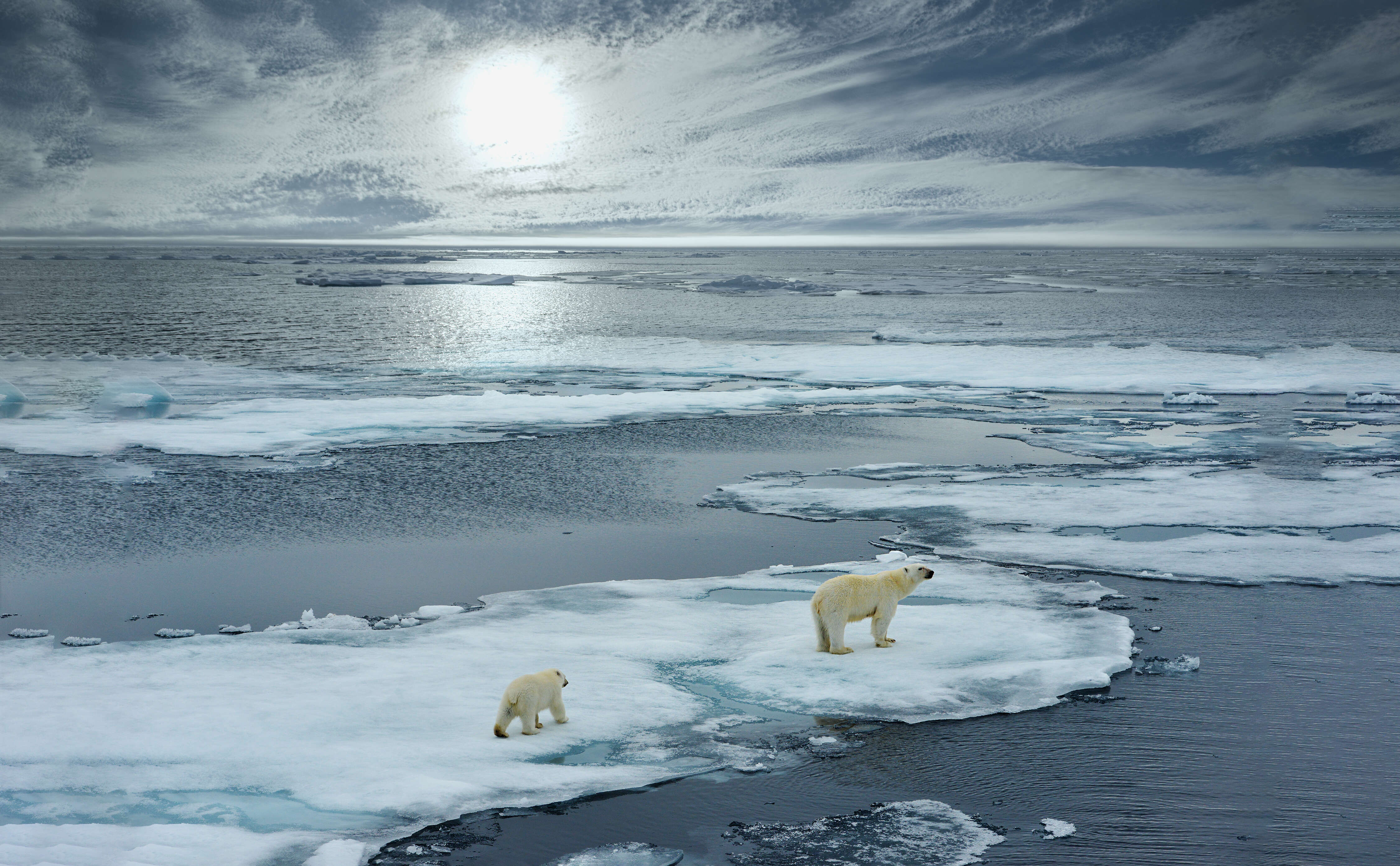
Also, the sea ice around the Arctic tundra is melting earlier every summer. This makes it harder for animals like polar bears to travel in search of food.
The way to protect the Arctic tundra is to stop using fossil fuels. Right now, we are burning lots of oil and coal, and this puts a lot of carbon dioxide into the atmosphere. We can help by using wind power or solar power instead.
Fun facts
The mighty polar bear is the largest carnivore that lives on land. It travels around the Arctic Ocean on floating chunks of ice!
Quick questions
- What animals live in the Arctic tundra?
- How much of the Earth's surface is covered by tundra?
- Why can't trees grow in the tundra?