Difficulty: Challenger (Level 2)
The human digestive system has many parts that help us break down food. In our bodies, we have about 100 trillion tiny living things called microorganisms, which are good bacteria. They help us stay healthy by fighting off bad bacteria that can make us sick.
Probiotics promote digestion
Probiotics are small living things, such as bacteria and yeast. They help our stomachs work better and make us healthier.
Probiotics support our gut, help our bodies use nutrients and replace bad germs with good ones.
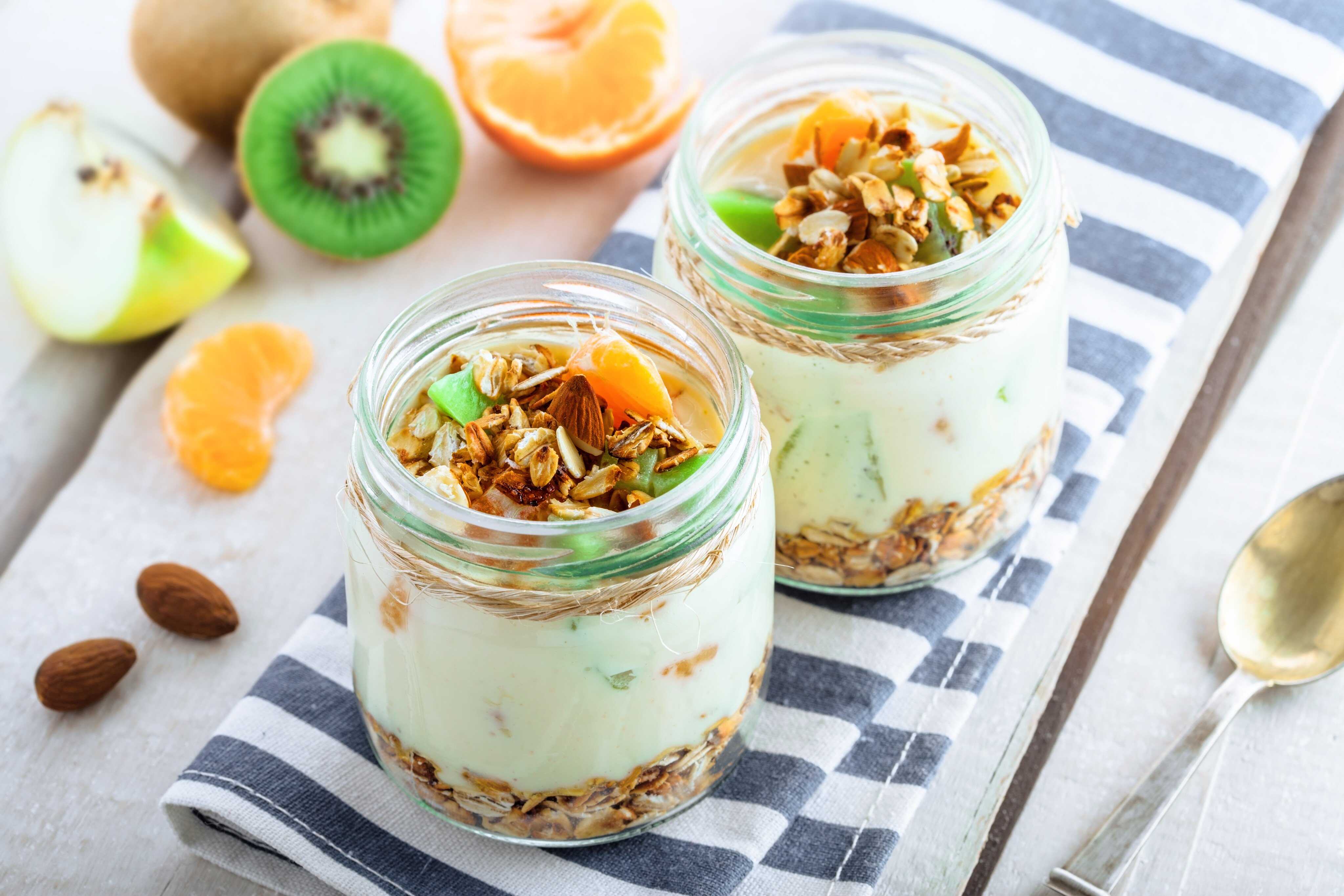
Probiotics are found in fermented foods. Some examples are certain yogurts, cheese, pickled vegetables, apple cider vinegar and fermented teas.
You can also take probiotics as a pill or in powder form.
Prebiotics feed probiotics
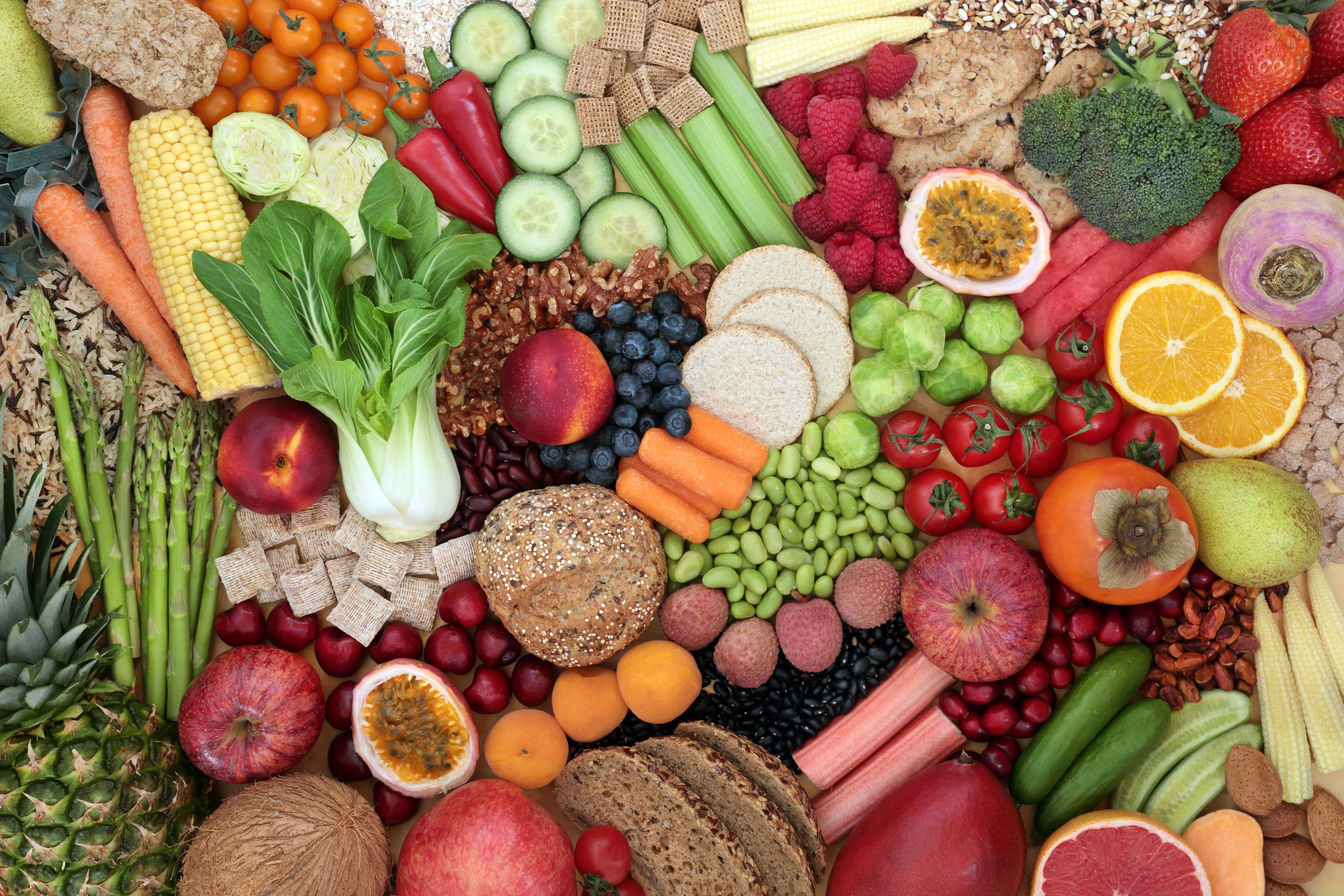
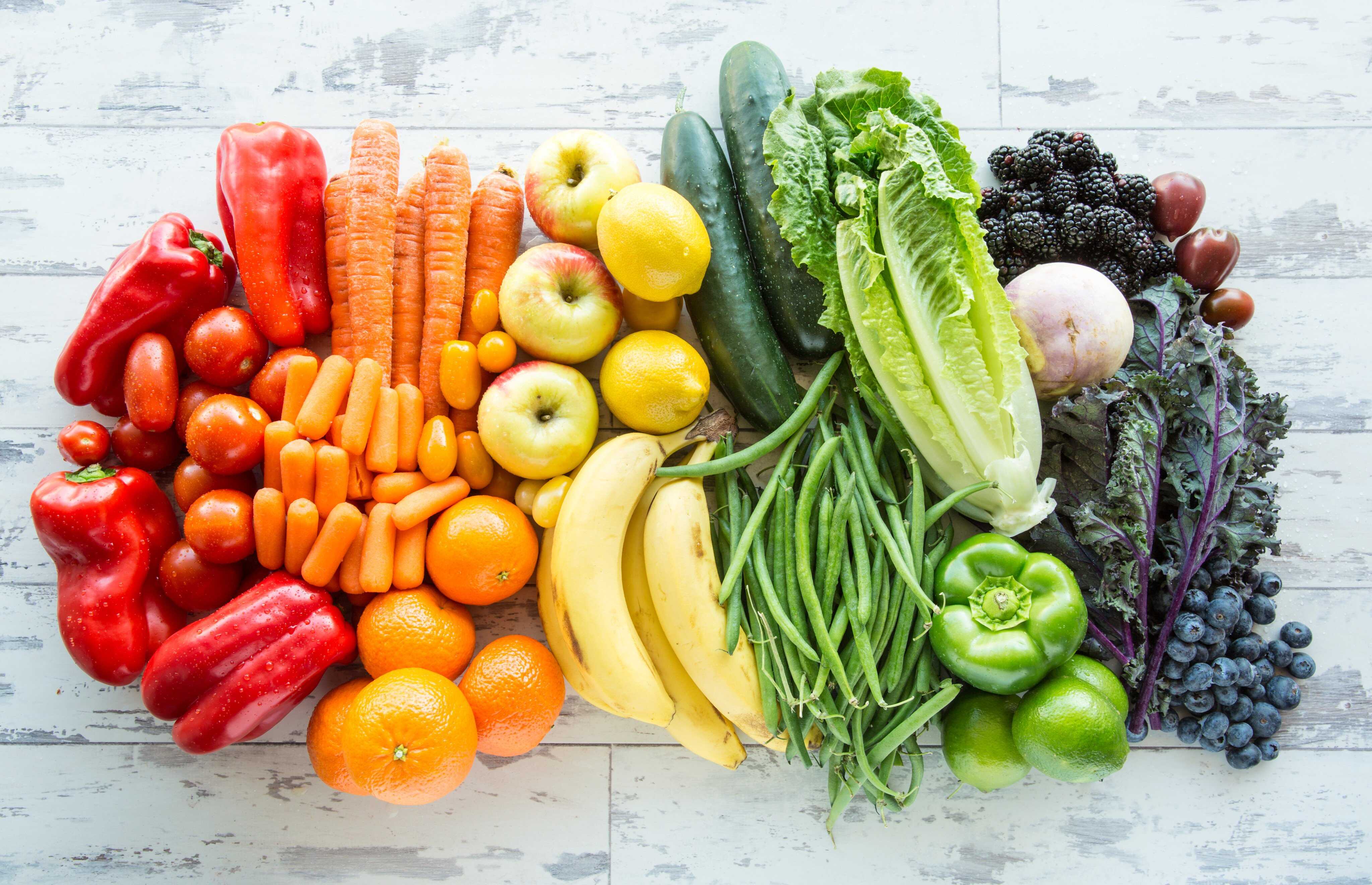
Prebiotics are food for probiotics. They help the probiotics grow and work, which is good for your stomach. Prebiotics are found in foods with lots of fibre (see graphic).
Studies show that eating more prebiotics can help our immune system, keep blood sugar levels in check, lower the chances of getting colorectal cancer and help our bodies absorb calcium.
When the good bacteria in our gut (probiotics) get plenty of healthy food (prebiotics), our bodies become healthier.
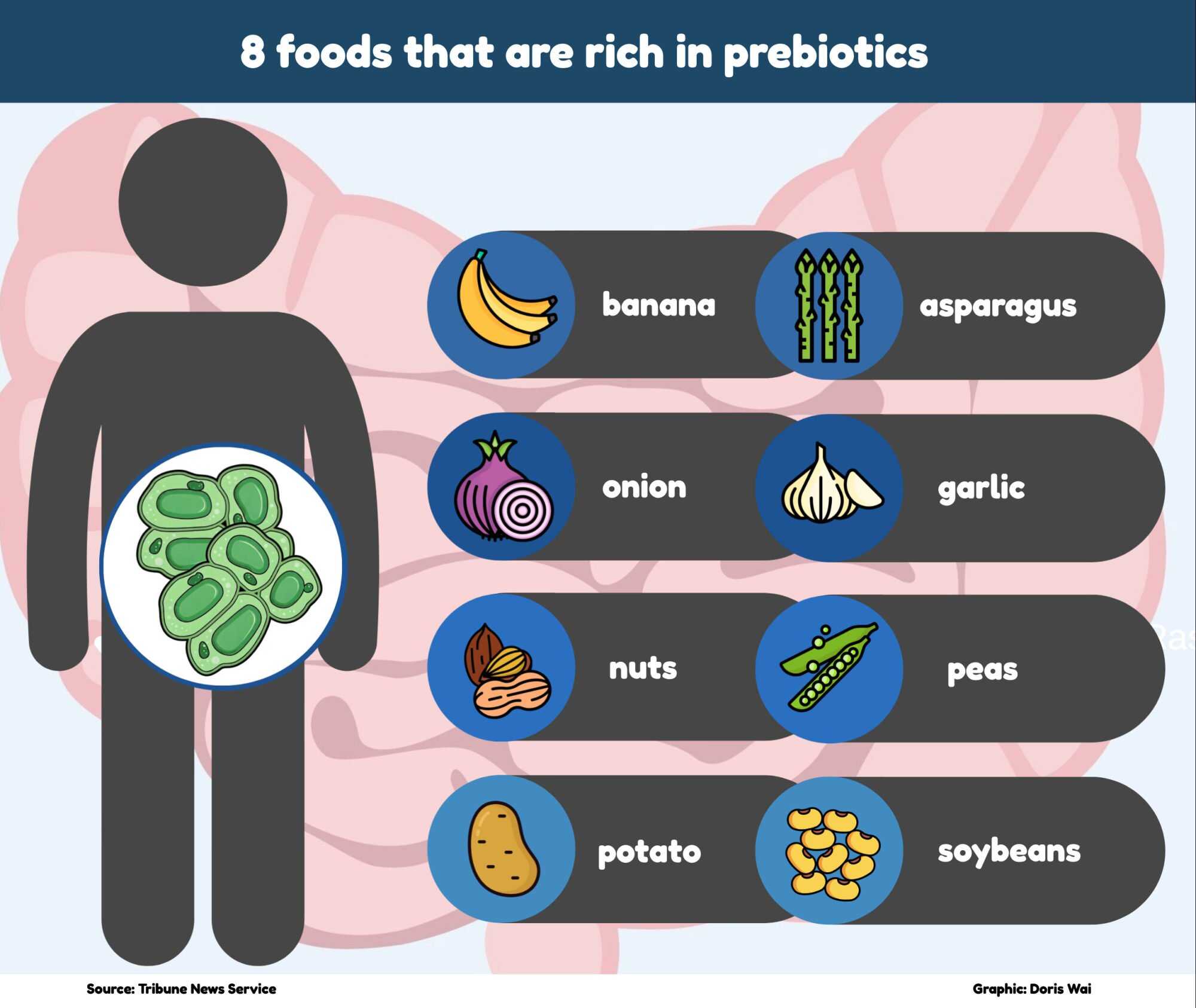
Probiotics and prebiotics in food
Cooking can affect the probiotics and prebiotics in our food. For example, boiling potatoes is better than baking them. When you boil and then cool potatoes, they get a white starchy coating that is really good for you.
Serving beans and legumes hot makes them better for your stomach. Eating lots of fresh and raw fruits and vegetables is good for your health because they have prebiotics.
Researchers suggest slowly adding these foods into your diet. That is because eating a lot of new foods with prebiotics and probiotics may cause gas, bloating and gut discomfort.