Difficulty: Challenger (Level 2)
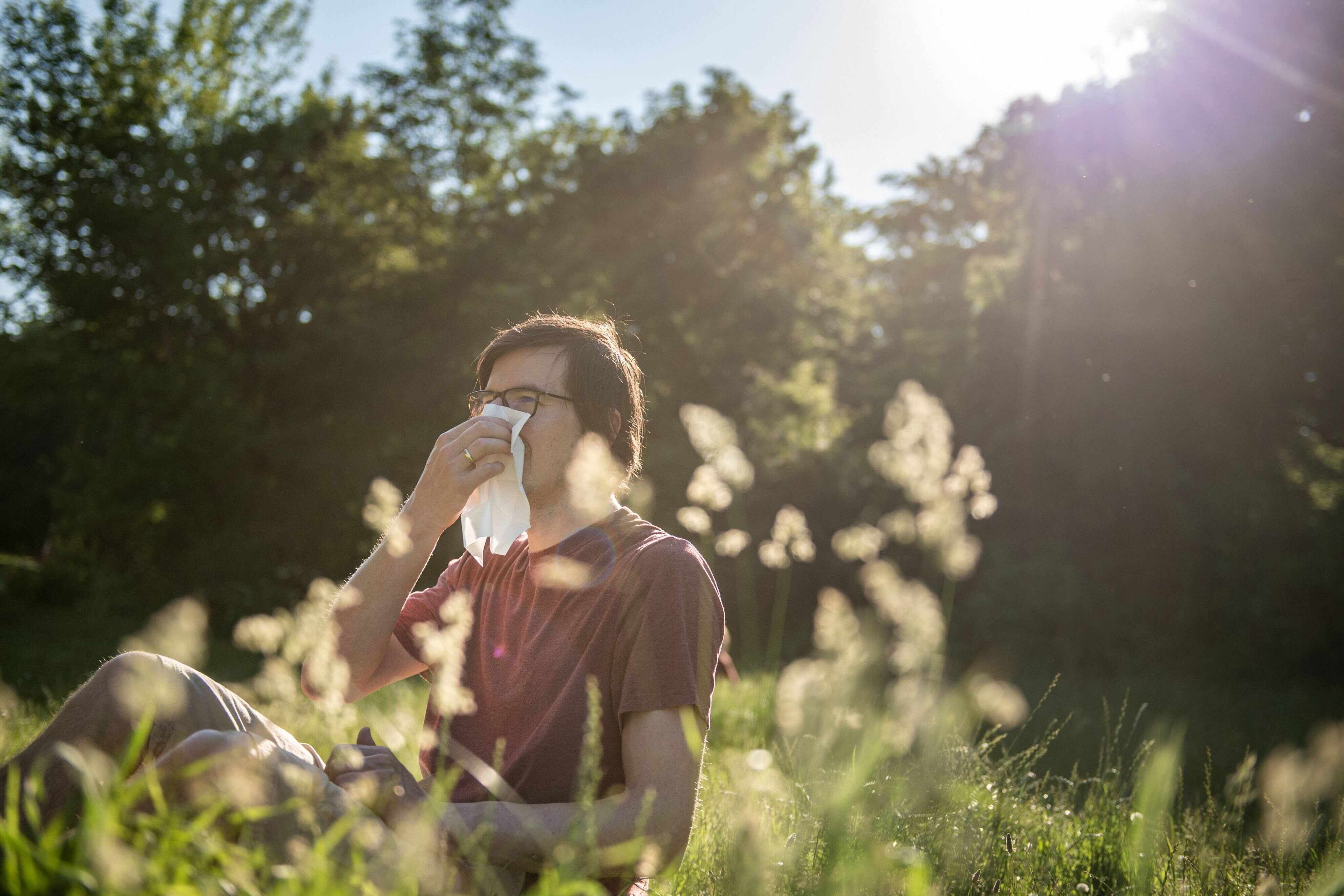
More people in China are going to the hospital for help with allergies, according to China Daily last month. Experts say climate change is leading to longer and more intense allergy seasons.
What is an allergic reaction?
An allergy is when your body views something usually ordinary or harmless as a threat.
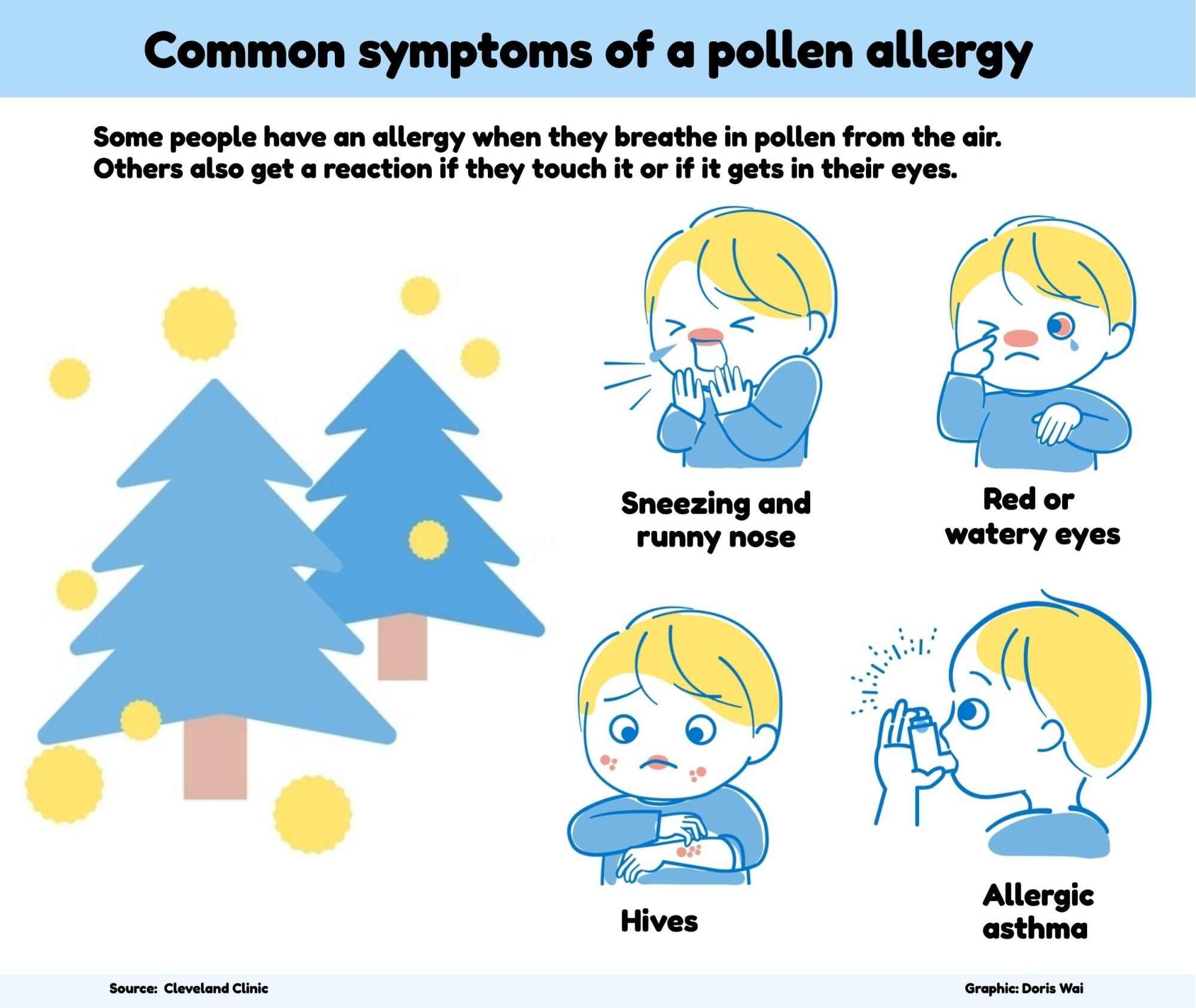
If you are allergic to something, eating, touching or breathing it might make you sick. Different people have different symptoms (see graphic).
What is pollen?
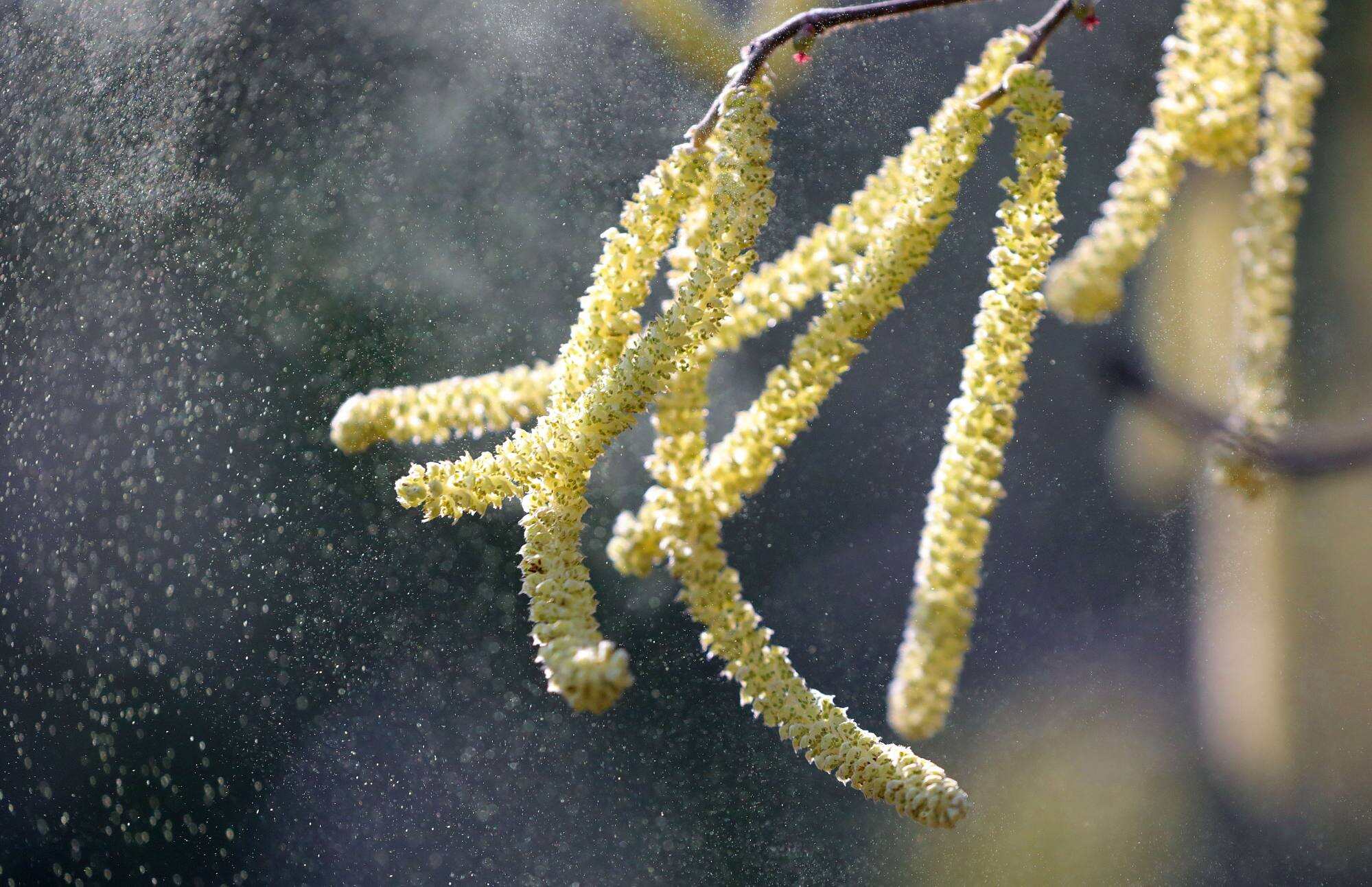
Pollen is a powdery substance made by seed-producing plants and trees. In early spring, the most common pollen is from trees. Then, grasses and weeds pollinate in the late summer and early autumn.
Preventing pollen allergy
The best way to manage allergies is to stay away from the things that cause them.
If you or your family have allergies, keep the windows in your home closed, even when it’s nice outside. When you go outside, wear long sleeves to keep pollen off your skin.
This will help ward off allergic reactions, said Dr James Baker. He is an allergist at the University of Michigan. It also provides some sun protection.
When you get home, change your clothes. Shower daily to ensure all the pollen is off of you – including your hair. If you cannot wash your hair every day, try covering it with a hat or scarf when you go outside.
Do not get into bed with your outside clothes on, because the pollen will follow. You can also rinse your eyes and nose with saline solution to remove any pollen, experts said.