

YoungPost Club Learn
DOWNLOAD OUR APP
appstoregoogleplay
FIND US AT
My JourneyMy Vocabulary BuilderMy Leaderboard
My AccountSearchFAQAbout UsContact Us
Subscription Plan
School Subscription
YOUNG POST
NewsTrendingBeing wellLearning zoneShare with usQuizzes
SPARK
NewsTrendingBeing wellLearning zoneShare with usQuizzes
POSTIES
Big readEye on the newsHa-ha-happeningsThings to doYour saySteam studioHealth and happinessQuizzes
Subscribe to Young Post Club to access our great content
ABOUT US|CONTACT US|WRITE FOR US|PRIVACY POLICY|TERMS & CONDITIONS
©2026 Young Post Club. All rights reserved.
My Journey Hello
Brand Avatar
Young Post
My Journey illustration

With a subscription, you can answer quizzes and track your reading progress.

result
Learn new words with our vocabulary challenge!
My Journey illustration

With a subscription, you can answer quizzes and track your reading progress.

result
Learn new words with our vocabulary challenge!
My Journey illustration

With a subscription, you can answer quizzes and track your reading progress.

Read / Things to do

Learn about AI’s biases by exploring the fears and tastes that make us special

Artificial intelligence tools are trained on the sources they are given, so there are limits to the information they can tell us
byEsther Cheung
Published: 11:00pm, 25 Oct 2026
Length: 395 words
Learn about AI’s biases by exploring the fears and tastes that make us special

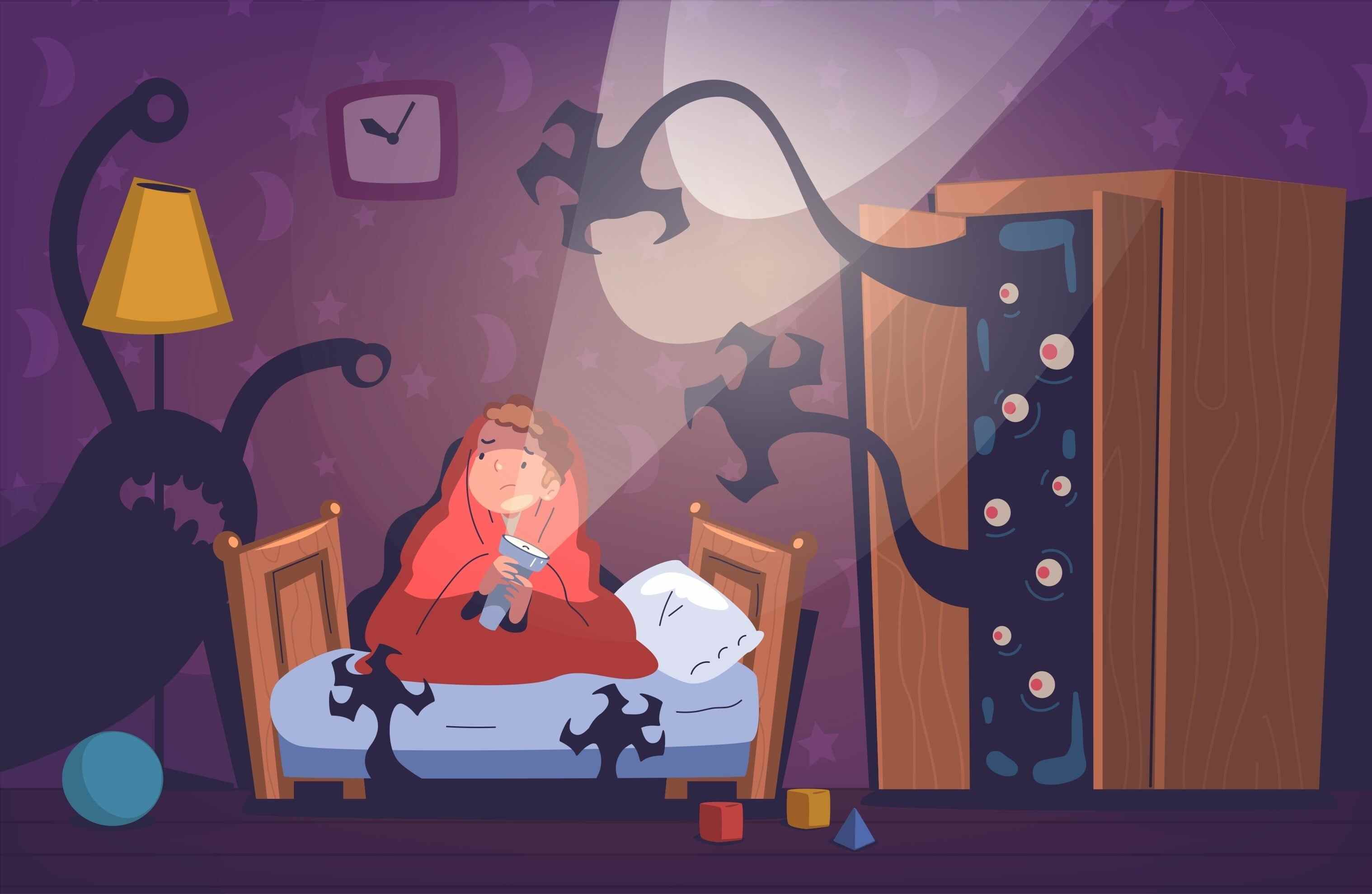
If an AI tool designs a “scary” monster, it might scare you but not another person because fears are unique to each individual. Graphic: Shutterstock

Difficulty: Explorer (Level 1)

Artificial intelligence (AI) is trained on information from the internet and other sources. If its sources have a bias, the AI chatbot might also show that bias.

For example, if you have only ever seen and eaten chocolate ice cream, you might think it is strange when someone offers you strawberry ice cream. You might prefer the chocolate flavour because that is what you have tried before. But that doesn’t mean there is something wrong with the strawberry ice cream.

In the same way, AI chatbots might have been trained to see things in one way. But that doesn’t always mean it is the truth.

Use the activities below to explore how you can think critically about what AI tools tell you.

What’s so scary?
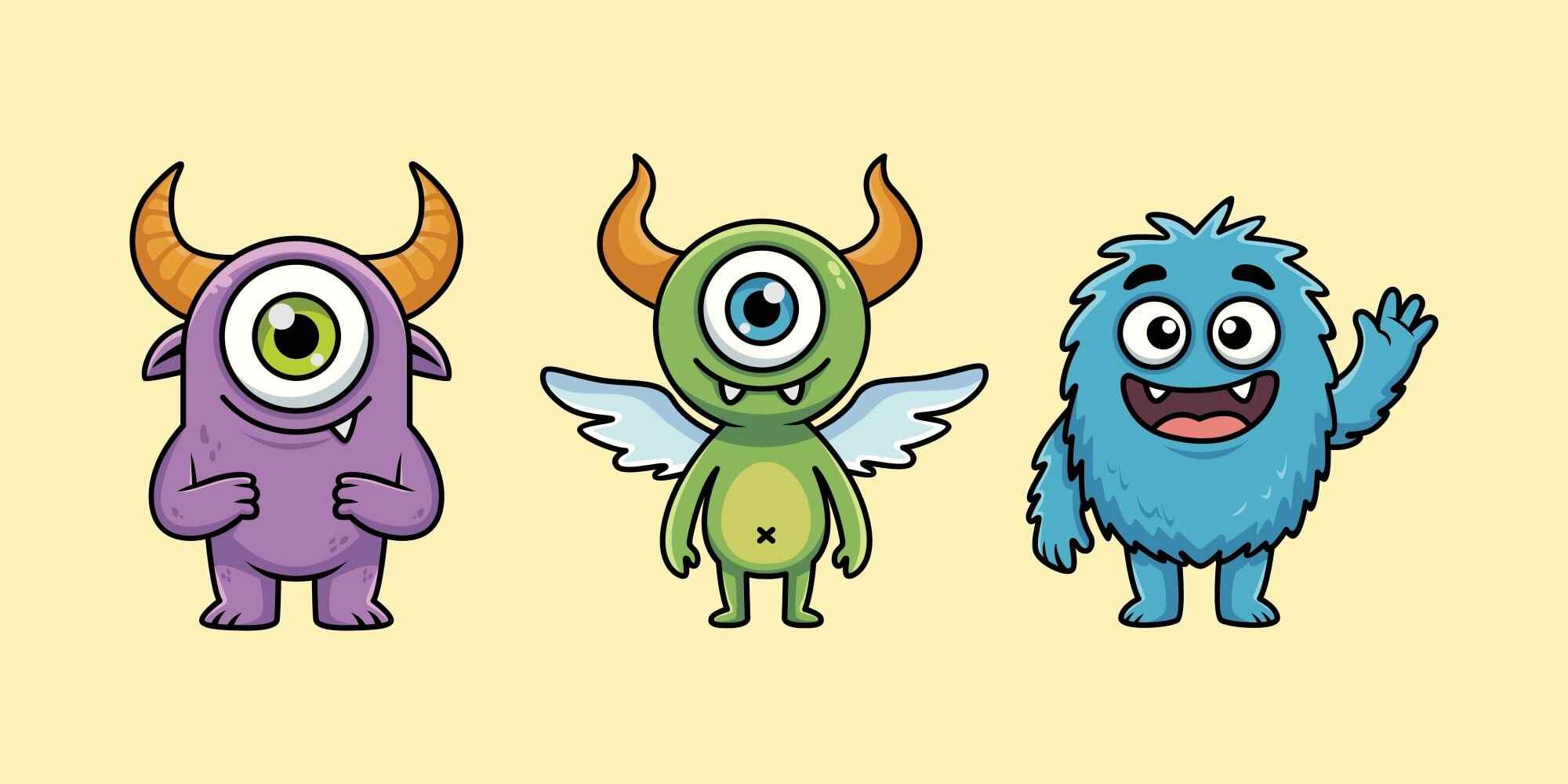
What makes a monster scary for you? Photo: Shutterstock
  1. Draw four monsters. Use different colours and features for each one. Try to make them as scary as possible. Then, give each monster a name.

  2. Bring your monsters to different people, and ask them to pick the monster that they think is the scariest. Keep count of their votes in a separate notebook.

  3. After asking at least 10 people, which monster is the scariest? Did everyone pick the same monster?

  4. Reflect on how this shows us AI’s limits. What is “scary” can depend on each person’s fears. If AI is trained to find one monster to be scary, that doesn’t mean everyone will be afraid of it. Why should we be careful with information from AI tools?

What’s so tasty?
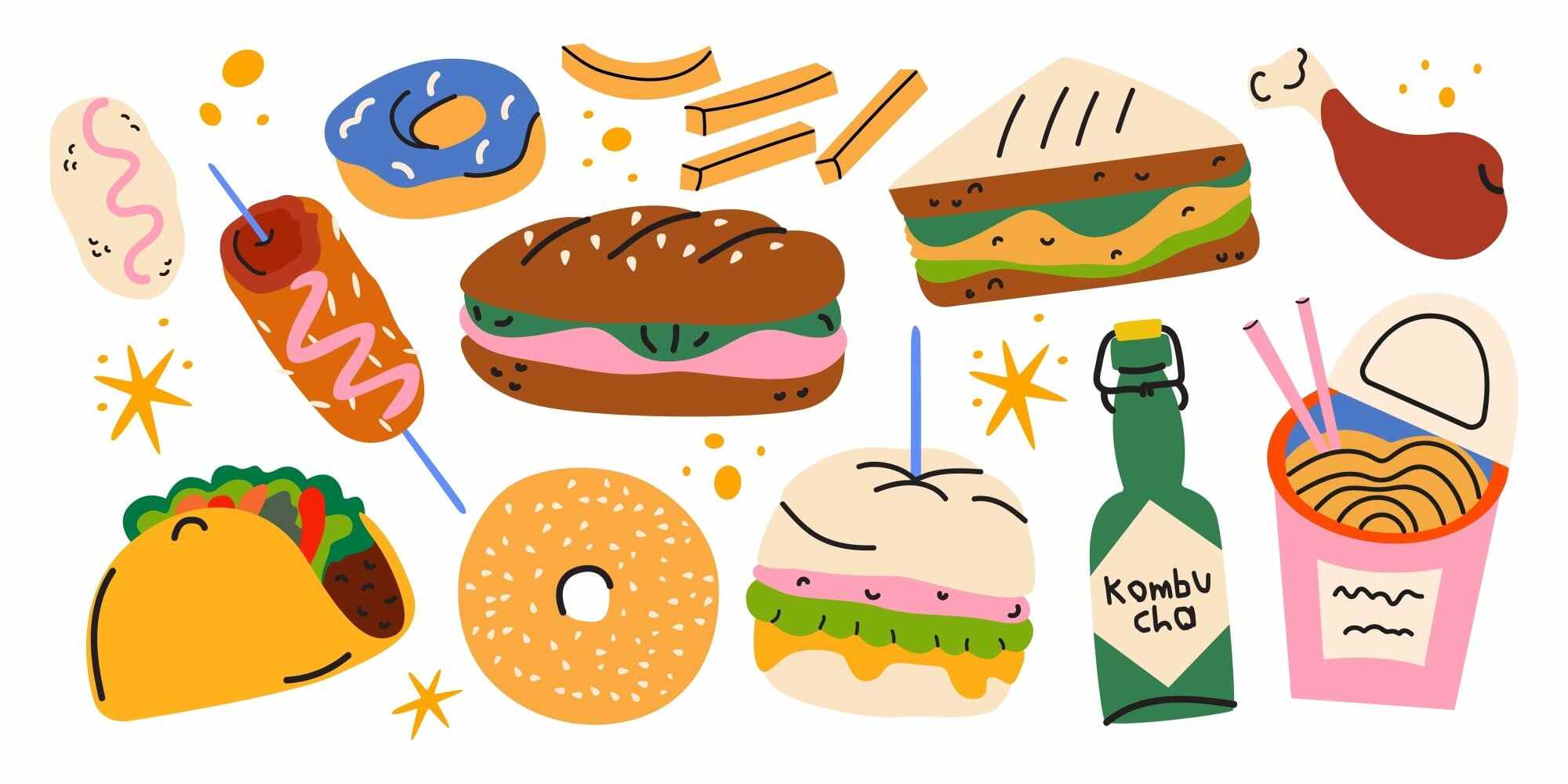
Your idea of tasty food may differ from someone else’s. Photo: Shutterstock

These days, some people rely on AI for recipes and food recommendations. But just like we learned in the previous activity about what makes a “scary” monster, food and taste are also special to each person, family and community.

  1. Ask three people in your neighbourhood about their favourite place to eat nearby. Why is this their top spot?

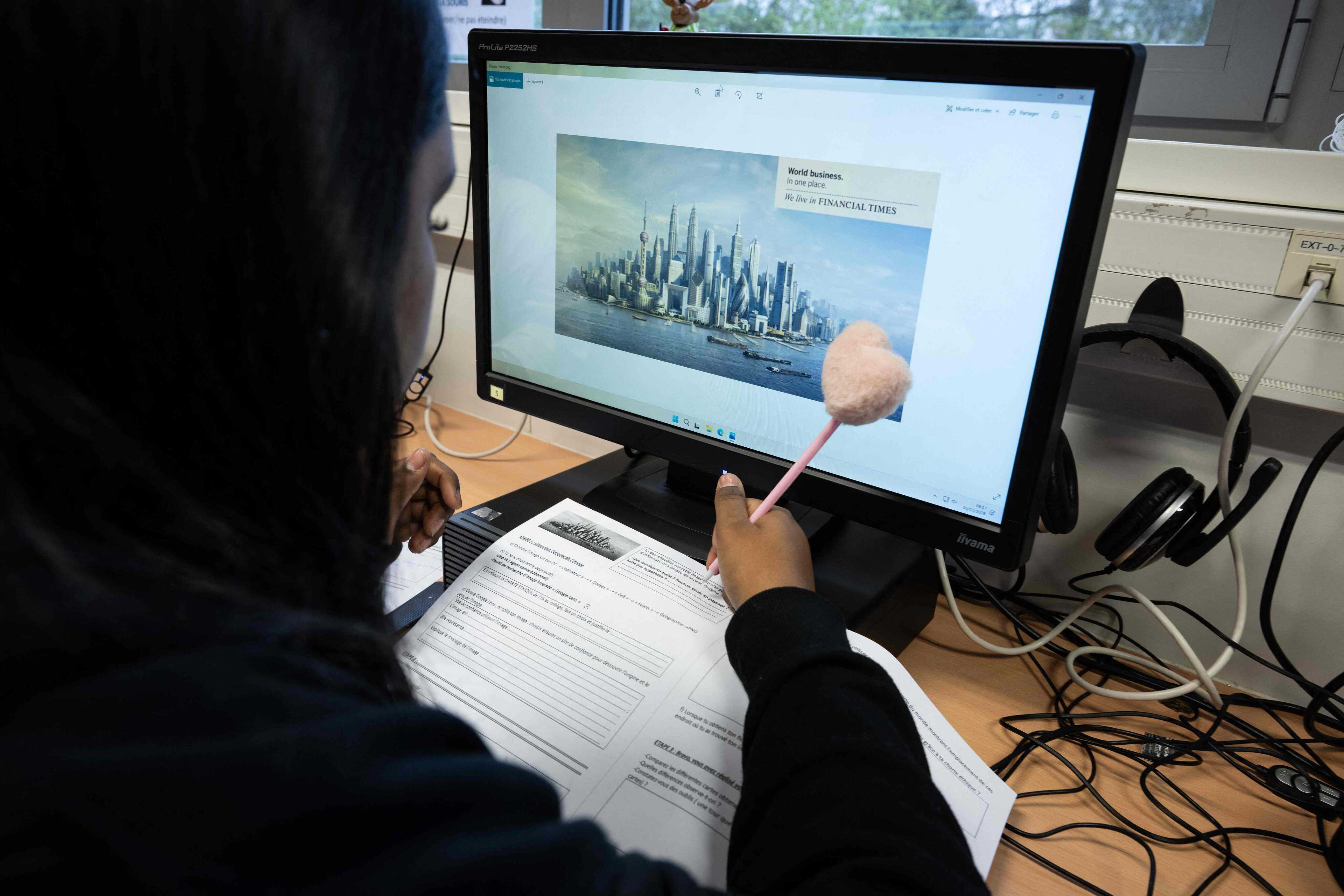
  2. Next, ask an AI chatbot to suggest three places to eat in your area.

  3. What is special about the suggestions from real people? How are they different from AI’s recommendations?
IN THIS ARTICLE
Learning
KEEP READING
cover
Eye on the news
Survey finds US teens’ critical thinking declines with AI dependence
06 Sep 2026
cover
Things to do
Exploring AI’s creativity: can machines truly make original art?
19 Oct 2025
cover
Big read
How Hong Kong artists can stand out in the age of AI
19 Oct 2025