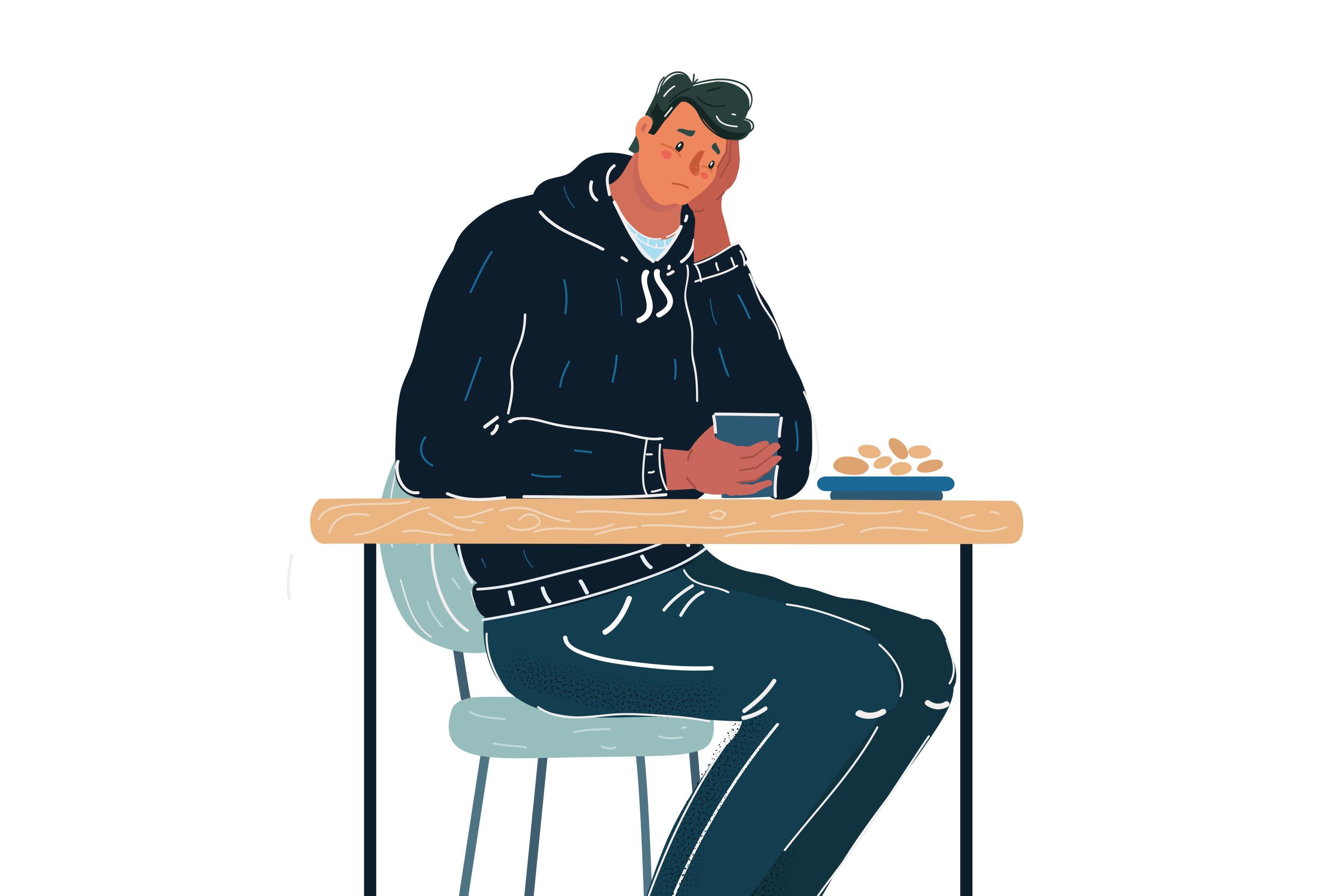
Do you have a personal question you’ve been too afraid to ask? Whether it is about school, family or your social life, you can share it with us through this form. Don’t worry, you’ll remain anonymous.
Dear Friend,
Sometimes I eat alone at school because no one wants to be around me. When my parents ask who I ate with, I tell them I was with my friends because I don’t want them to worry. But deep down, I wish someone could help me. What can I do?
Signed, Lonely Lunch
Dear Lonely,
We are sorry to learn that you are eating lunch by yourself. It can be tough when it feels like no one is engaging with you, and we understand how this can make you feel excluded or hurt.
Pretending to have friends who dine with you to keep your parents from getting concerned is indeed a painful experience. Here are some suggestions that could help:
Practise the art of small talk
Start casual discussions with your classmates. A simple compliment, such as “I like your shoes; where did you buy them?” can spark a conversation.
You could also try inquiring about their day, like “Did you watch the football match last weekend?” or commenting on the weather, such as “It has been quite cold these past few days.” These minor interactions can serve as a means to break the ice. When initiating small talk, remember to:
– Ask open-ended questions. These are questions that require more than a yes-or-no response. For instance, rather than asking, “Did you enjoy the drama?” try, “What did you think about the drama?”
– Listen actively. Nod, maintain eye contact and respond to the other person’s remarks to sustain the conversation and show you are interested.
– Share something about yourself. After your classmates have shared their thoughts or experiences, you can connect by briefly relating your own story.
Participate in a club or other activity
If your school offers clubs, teams or activities that pique your interest, joining one gives you the chance to meet new people and forge friendships with others who share your interests.
Sit somewhere new
If you always sit in the same spot, consider changing seats. Sitting in a new location can help you meet different people.
Shift away from negative thoughts
Recognise and challenge thoughts such as “no one wants me”. Often, when we think we are being ignored, it is more likely that people are preoccupied with themselves and haven’t had the opportunity to get to know us yet.
Instead of dwelling on these feelings, be open and proactive. Reach out to your classmates and give others the opportunity to connect with you.
Chat with your teacher and parents
If you feel comfortable doing so, talk to your teacher about your feelings. They could recommend ways to connect with others, such as which clubs you could join or which classmates seem open to conversations with new people.
An honest, open dialogue with your parents could also be helpful. They would probably appreciate the transparency and want to help you discover ways to forge new friendships and build connections.
You’ve got this, Friend of a Friend
This question was answered by clinical psychologists from Shall We Talk, a mental health initiative under the Department of Health launched with the Advisory Committee on Mental Health.