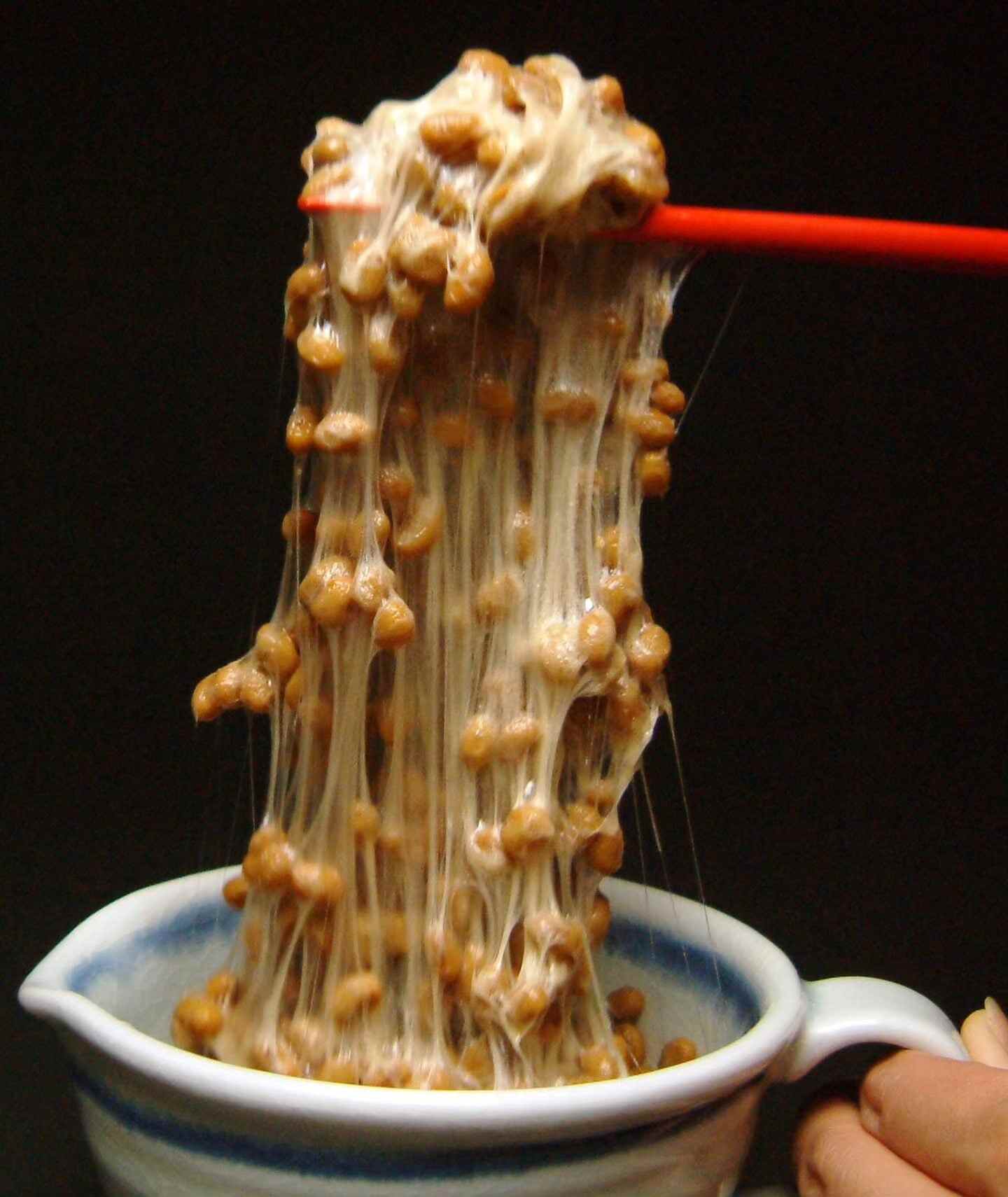
Natto is a Japanese fermented soybean that is both loved and hated. It is going global one slimy mouthful at a time.
The latest trade data shows that Japan’s natto exports tripled from 2017 to 5,248 tons in 2025. China and the United States topped the list of destinations.
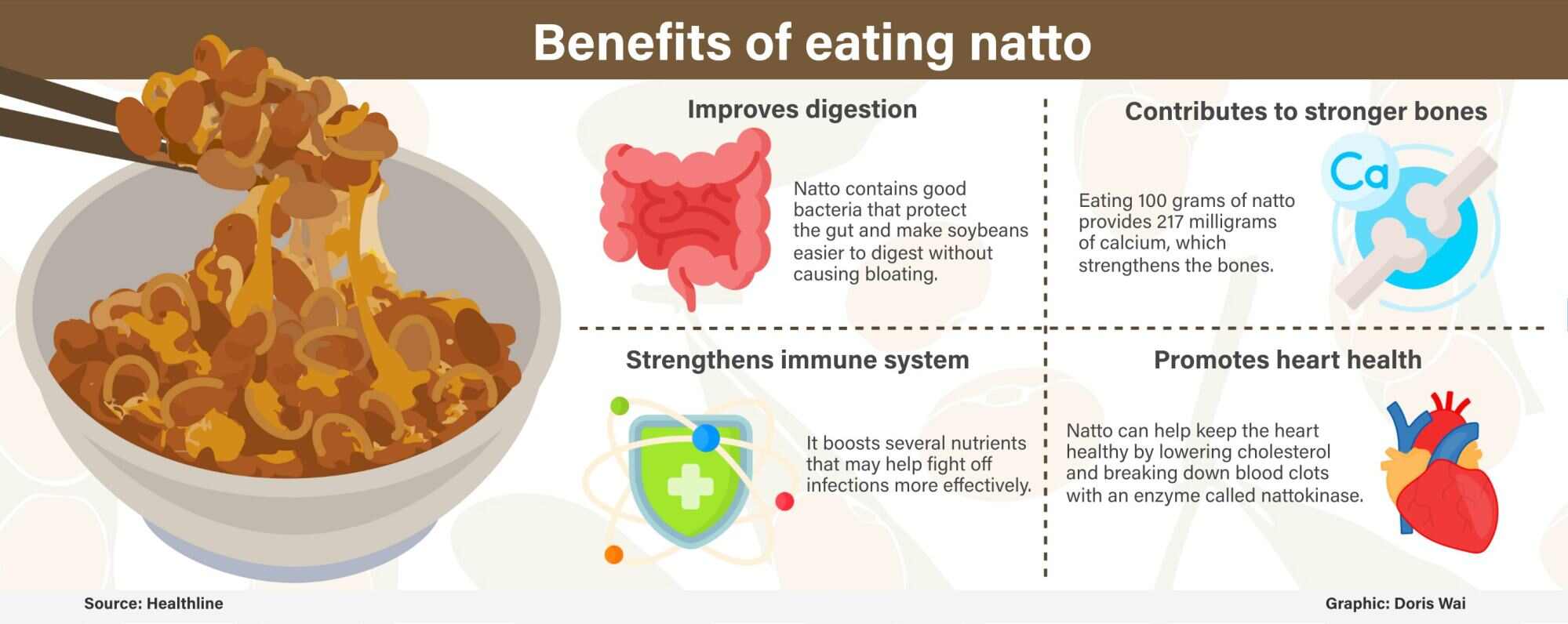
The dish is healthy because of its beneficial bacteria. It is a traditional Japanese breakfast food.
But natto’s strong smell, gooey texture and yeasty taste divide people even in Japan.
A rising trend
In recent years, natto has joined a list of fermented foods, from kimchi to kombucha, that have risen in popularity. Americans in particular have been seeking better digestive health since the Covid-19 pandemic (see graphic).
In China, new health trends are sparking interest in Japanese foods, the Japan External Trade Organisation said in a recent report. This is especially true for the middle- and upper-income classes.
Kenji Suzuki owns a Japanese restaurant, Suehiro, in the US city of Los Angeles.
The owner has noticed more non-Japanese clients trying natto.
“When social media started talking about natto and that it’s a superfood, I think then more people wanted to ... taste it – ‘Is it as bad as people say it is?’” Suzuki said.
“Some people maybe don’t like it, but other people, you know, they love it.”
Japanese people also love natto because it does not cost a lot of money. A pack of three natto cups typically sells for around 100 yen (HK$5) or less. They usually come with little plastic packets of mustard and soy sauce.
High-quality natto
“Very few foods can be called as truly healthy a superfood as natto is,” Yoshihiro Noro said. He is the former head of the Japan Natto Cooperative Society Federation.
The 72-year-old also owns a family-run business, Kamakurayama Natto.
“I hope an era will come when people will collectively see high-quality, high-end natto as worth shelling out their money on,” he said.
That is exactly what his company’s natto seeks to be. Its beans are touted as “extremely stringy” but minus “stinkiness and bitterness”.
At his factory west of Tokyo, workers wash, steam and spray bacteria on soybeans. Then, machines place the beans in cups. The soybeans are fermented for 18 hours.
Kamakurayama Natto is about three times more expensive than average. But in recent years, it has secured several global orders.
“In some countries, people have been told natto is good for their health, so they force themselves to eat it even though they strongly dislike the taste,” Noro said.