Deep Dive delves into hot issues in Hong Kong and mainland China. Our easy-to-read articles provide context to grasp what’s happening, while our questions help you craft informed responses. Check sample answers at the end of the page.
News: China continues to industrialise while reducing carbon emissions
-
Most countries’ environmentalism involves reducing industrial capacity and activity
-
But China’s unique green revolution is focusing on industrialising while decreasing greenhouse gas emissions
Ma Jun has been an environmental researcher for nearly two decades. In that time, he has witnessed perhaps the fastest environmental improvement in the world.
In 2006, Ma founded the Institute of Public and Environmental Affairs (IPE). It is a non-profit environmental research organisation based in Beijing.
That year, data collected by his organisation showed that around 28 per cent of monitored water sources nationwide were severely polluted. That rendered the water unusable and left nearly 300 million people without clean drinking water. Unclean drinking water even caused disease outbreaks in some regions.
But things are different today. Ma said more than 90 per cent of water at national control sections has been graded as “excellent”, “good” or “fair”.
The country’s air quality has also improved. A key indicator of air pollution is PM2.5 levels. This refers to particles in the air measuring less than 2.5 micrometres. Research has shown that the average annual level fell by around 35.6 per cent nationwide from 2015 to 2022.
Most developed countries try to help the environment by limiting their industrial activity. For example, by reducing manufacturing. But China is continuing to industrialise. Its focus is on decarbonisation. This is effectively decreasing greenhouse gas emissions.
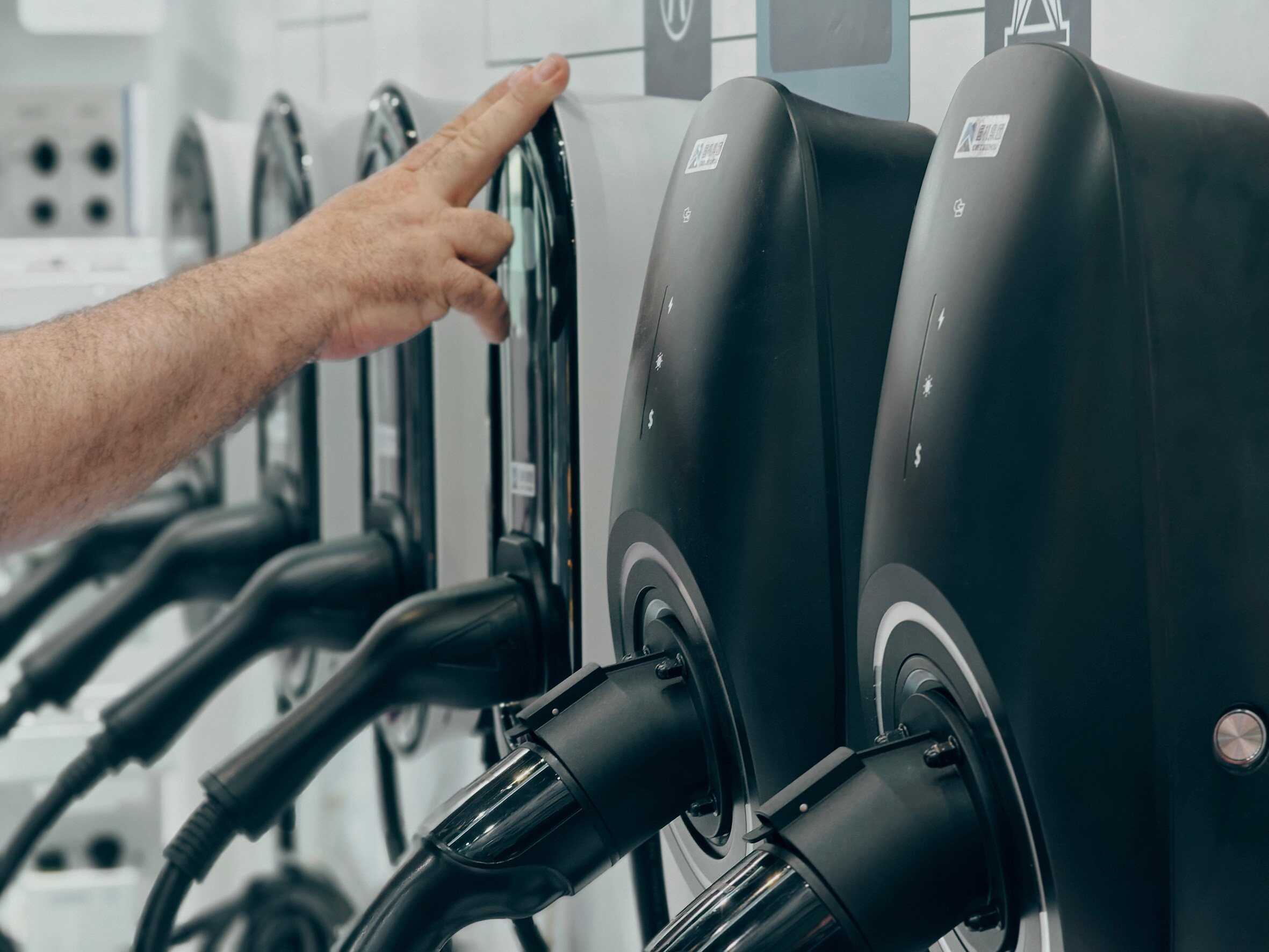
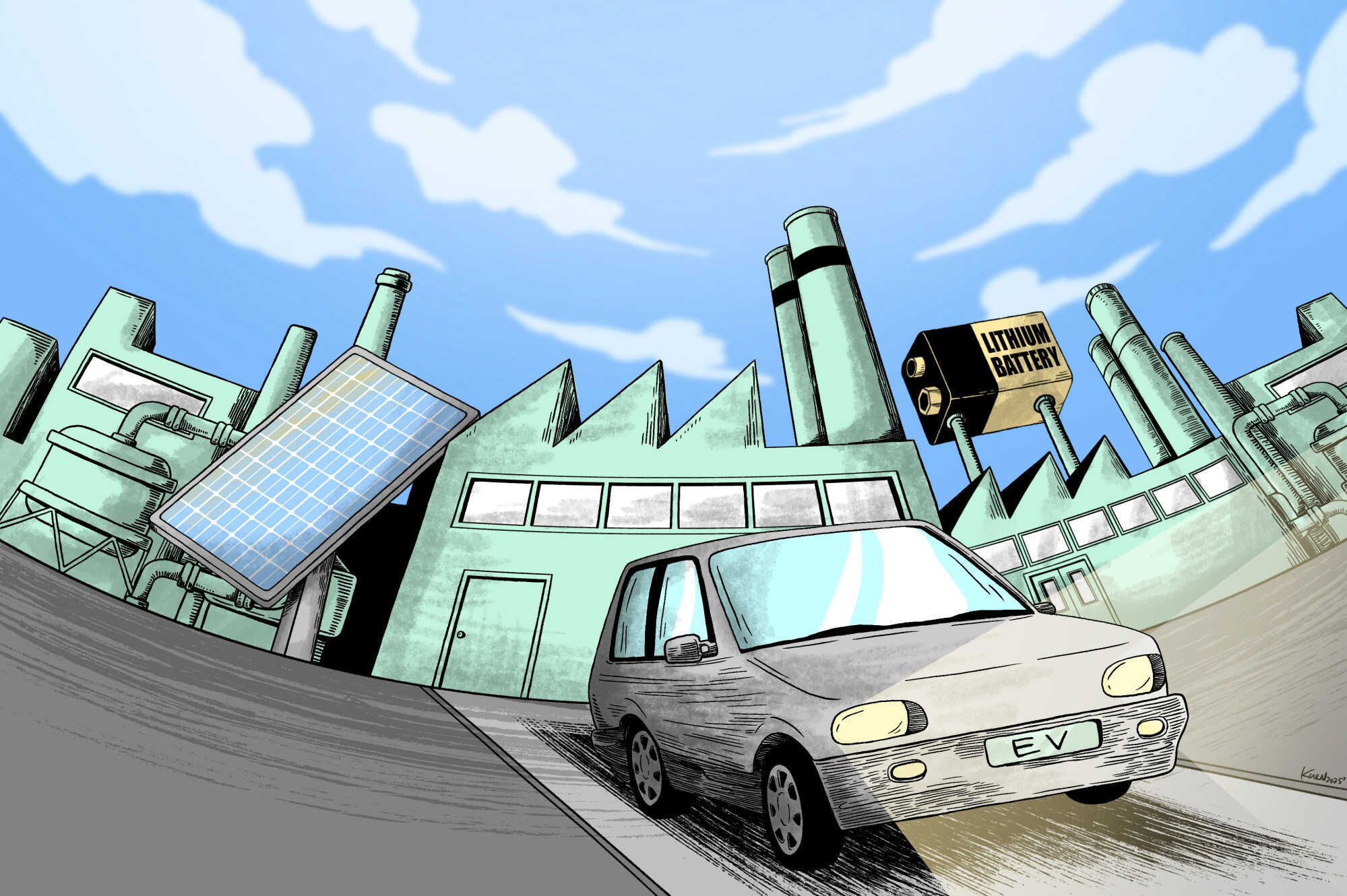
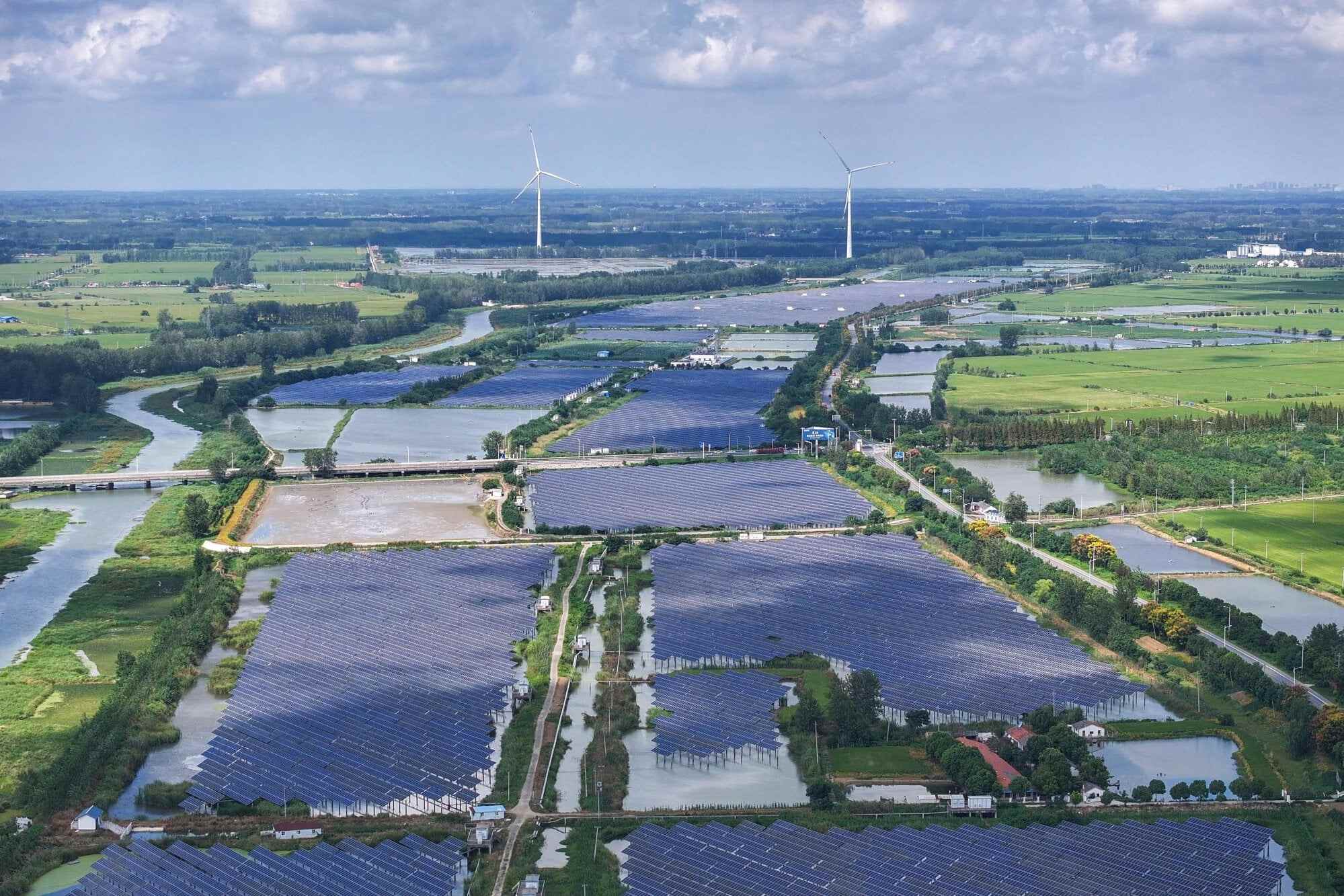
China’s unique revolution is using new technology, real-time monitoring and investments in green infrastructures. Electric vehicles (EVs), solar panels and lithium batteries are at the heart of its sustainability push. They are also the industries fuelling its economic growth.
Some developed nations try to reduce their carbon emissions by completely relocating their manufacturing. In contrast, China is building more factories while focusing on reversing environmental damage.
The country boasts 41 major industrial categories. China is the only nation in the world to cover all the industrial sectors listed in the United Nations’ Industrial Classification.
But there are still issues. The country must produce necessary consumer goods and materials for its 1.4 billion people. It must also build them housing and infrastructure.
Zang Jiyuan is a researcher at the Chinese Academy of Engineering. Zang said many Western countries have relocated industries to Asian nations over the past few decades. In particular, these Western countries have progressively moved industries that are labour-intensive and harmful to the environment.
China has become a “world factory”. It manufactures a wide range of products, including electronics and textiles, for many other countries. This is not good for the country. Experts say China must prioritise its own people and their needs, such as energy, food and goods.
Staff writer
Question prompts
1. Which of the following is true, according to the information in the news?
(1) China is known as a “world factory”.
(2) China has relocated industries that are labour-intensive and harmful to the environment to other Asian nations.
(3) Most countries’ environmentalism is driven by industrialisation.
(4) China is the only country in the world to have all the industrial sectors listed in the United Nations’ Industrial Classification.
A. (1), (2) only
B. (1), (4) only
C. (2), (3) only
D. (3), (4) only
2. Use the news and the glossary to explain China’s role in global manufacturing.
3. Use your own knowledge and the news to list a negative consequence of China’s industrialisation.
Illustration
Question prompts
1. Describe what you see in this illustration.
2. How does this illustration relate to the information you learned in the news?
Glossary
decarbonisation: effectively decreasing greenhouse gas emissions by reducing or changing the human activity that creates carbon emissions
greenhouse gas emissions: the burning of gases that trap heat and create a greenhouse effect. Carbon dioxide from burning fossil fuels such as coal, oil and natural gas is the main cause of climate change.
electric vehicles: cars and other vehicles that use a motor powered by stored electricity. These vehicles are a zero-carbon-emission alternative to traditional petrol-powered cars, which emit carbon.
Sample answers
News
-
B
-
Some developed nations try to reduce their carbon emissions by completely relocating their manufacturing. According to Zang Jiyuan, many have progressively moved industries that are labour-intensive and harmful to the environment to Asian nations over the past few decades. China has taken over the manufacturing of a wide range of products, including electronics and textiles. It has evolved into a “world factory”. (accept all similar answers)
-
Industrialisation contributed to the environmental crisis, especially air pollution and a lack of clean drinking water. In addition, China has become a world factory despite its need to provide for its own 1.4 billion people. Experts say China must prioritise its own people and their needs. The country must produce necessary consumer goods and materials, as well as build housing and infrastructure for them. (accept all reasonable answers)
Illustration
-
This illustration shows a solar panel, an electric vehicle and a lithium battery. We could assume the buildings in the back are factories that produce these items. These are key consumer goods that China manufactures that help its economy grow. (accept all similar answers)
-
These three goods or industries are fuelling China’s economic growth. They are also part of the country’s sustainability push, as they are environmentally friendly and do not contribute to carbon emissions. This industrialisation is different from other countries that are scaling back production to reverse environmental harm. (accept all reasonable answers)