Deep Dive delves into hot issues in Hong Kong and mainland China. Our easy-to-read articles provide context to grasp what’s happening, while our questions help you craft informed responses. Check sample answers at the end of the page.
News: Hongkongers who fled scam compound in Myanmar share details of forced labour
-
A victim recounted her traumatic experiences while being trapped in the fraudulent operation
-
Hong Kong authorities have been working with their Thai counterparts to assist city residents trapped in Myanmar
Nancy, who grew up in Hong Kong, never imagined that an overseas job would lead to forced labour in a scam farm for half a year.
Like thousands of others lured to Southeast Asian scam farms, Nancy was hoping to make some quick money when a “friend” referred her for a job making cross-border purchases in Thailand.
The experience ended up being traumatic.
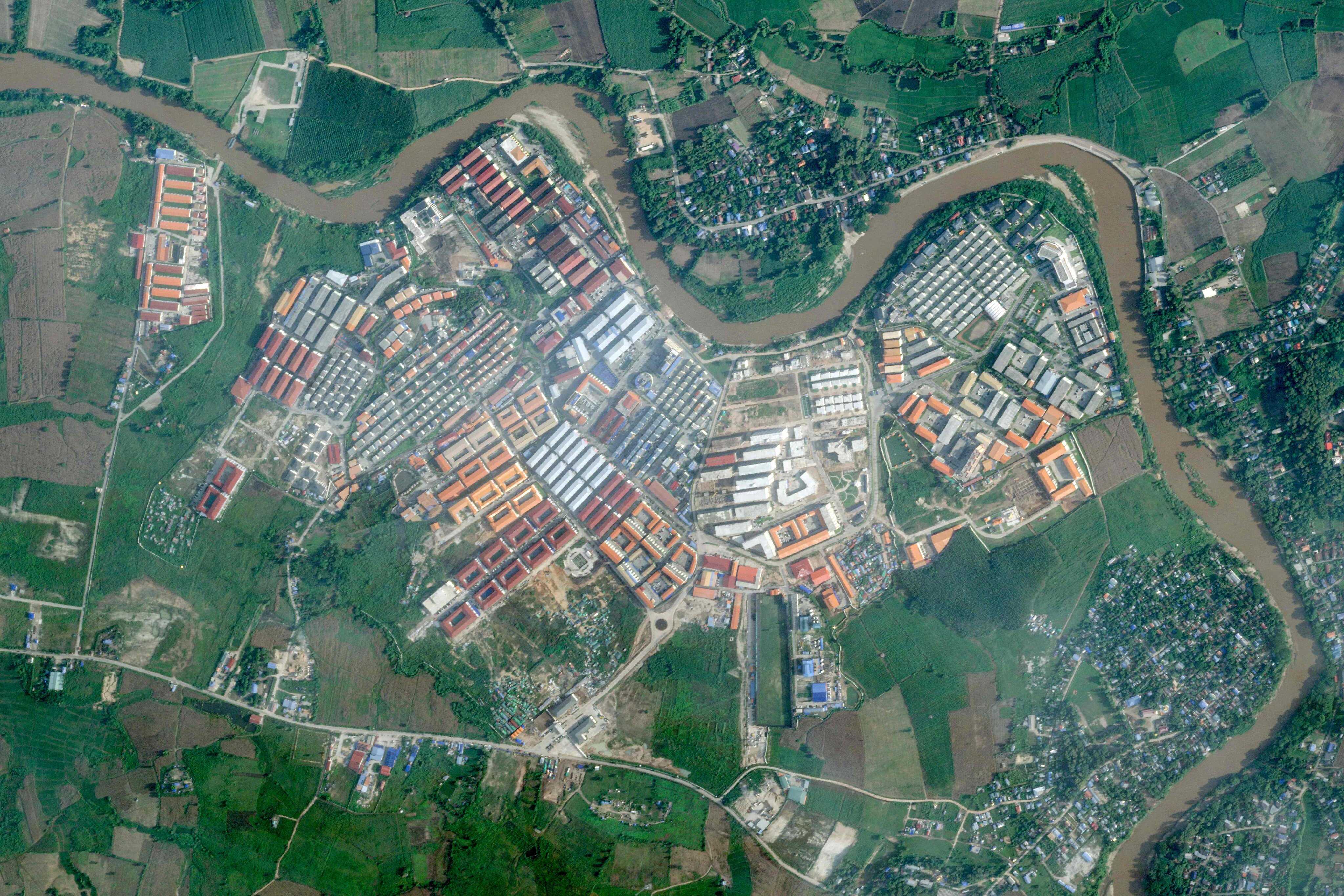
After entering Thailand, Nancy, who is in her twenties, was taken to a scam farm in neighbouring Myanmar. She was forced to try to swindle people, primarily targeting wealthy elderly Americans through everything from get-rich-quick schemes to fake online romances.
Nancy considered herself among the “lucky” ones who managed to flee.
“I hope to share all my experiences to emphasise the importance of staying alert and being cautious. It is crucial not to chase quick money,” she said.
Each scammer was given four mobile phones and a computer to connect with victims using various apps.
Their work day stretched from 10pm to 7am to align with US time zones, and could last 18 hours if they did not meet their scam targets. Their daily key performance indicator was to obtain two new phone numbers from their social media contacts.
Apart from being beaten up, other common types of punishment included whipping, electric shocks or being locked in a room with a black bear for a night, Nancy said.
The grim reality of the scam farms, operated in lawless border regions of Cambodia, Myanmar and Vietnam, often returns to the spotlight following high-profile cases, including the rescue of mainland Chinese actor Wang Xing earlier this year.
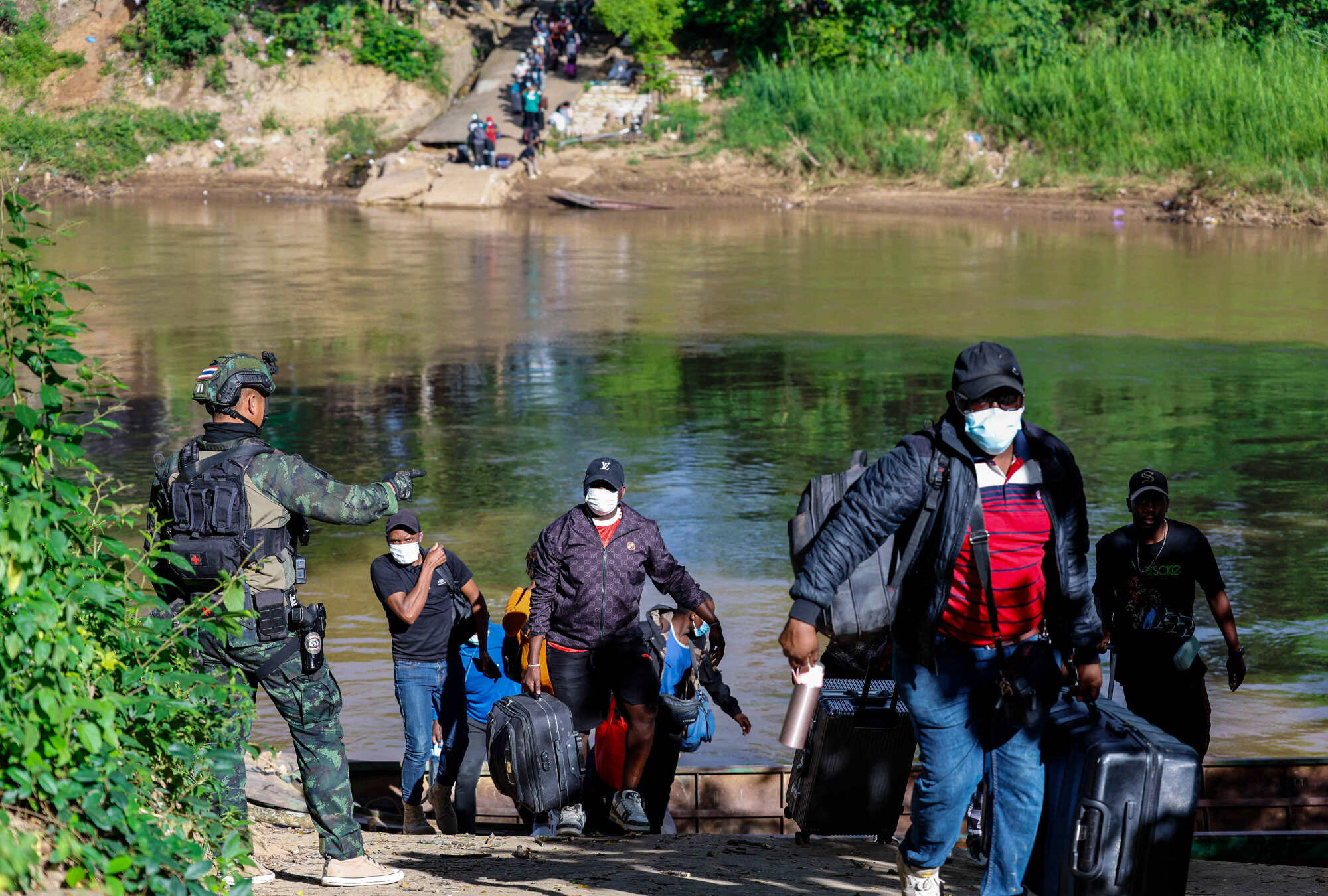
But many others who were not rescued had to find their own way out, and the process could be as challenging as surviving on the farm. How Nancy escaped cannot be revealed to protect her identity.
Since 2024 to the end of July this year, the city’s law enforcement agencies have recorded 29 cases of Hongkongers suspected to be detained in Southeast Asian countries in connection with scams.
Of these cases, 26 people had already returned to Hong Kong, while two said they no longer required help.
Hong Kong authorities have been working with their Thai counterparts to locate and help city residents trapped in Myanmar.
But rescue efforts were difficult, as most of the trafficking did not take place in Hong Kong and could involve areas experiencing armed conflict.
Staff writers
Question prompts
1. Which of the following statements about Nancy’s situation are true?
(1) Nancy volunteered to work in a scam farm in Myanmar.
(2) Workers at the scam farms can resign if they do not want to continue working.
(3) Nancy had to scam people to survive.
(4) Victims face long working hours and the constant threat of punishment.
A. (1), (2) only
B. (1), (3) only
C. (2), (4) only
D. (3), (4) only
2. What was Nancy required to do while she was at the scam farm?
3. In your opinion, how likely is it that these scam farms will be able to lure more Hongkongers? Explain using News and your own knowledge.
Graphic
Question prompts:
1. Describe the victims’ living and working conditions in the scam farm.
2. What makes survival and escape from the scam farms so difficult? Use News to support your answer.
Glossary
forced labour: work or service taken from someone by threatening them with punishment. In these cases, people have not offered their work voluntarily
key performance indicator: a measurable value that shows how effective a company or individual is in achieving their goals
human trafficking: the recruitment, transport, harbouring or receipt of people through exploitative methods such as force, coercion or deception
asset tracing: the process of finding and recovering funds or property that have been stolen or illegally moved
Frontier+: Hong Kong’s Anti-Deception Coordination Centre (ADCC) has collaborated with anti-scam centres from nine countries and regions, including Australia, Canada, Indonesia, Macau, Malaysia, the Maldives, Singapore, South Korea and Thailand, and established the Cross-border Anti-Scam Collaboration Platform since October 2024
Sample answers
News
1. D
2. She was forced to try to swindle people, primarily targeting wealthy elderly Americans through everything from get-rich-quick schemes to fake online romances.
3. It is highly likely that these scam farms will continue to successfully lure more Hongkongers, despite recent high-profile cases and official efforts. First of all, with rising unemployment and a slowing economy, more workers could be tempted to earn “quick money” by working overseas. As long as the scammers powerfully advertise the economic incentive, it will continue to attract desperate individuals.
Secondly, the recruitment mechanism is scarily effective, using deception through familiar connections. Nancy thought it was an overseas job at first when her friend referred her to a role making cross-border purchases in Thailand. These methods are likely to sound convincing to workers.
With at least 29 recorded cases of Hongkongers suspected to be detained since 2024, it confirms that the scam networks remain active. As the authorities noted, rescue efforts are severely hampered by the farms operating in “lawless border regions” and areas of “armed conflict”. The difficulty of intervention ensures that the perpetrators can maintain their operations with relative impunity, allowing the recruitment cycle to persist.
Graphic
1. The victims’ living quarters are rudimentary and severely constrained. Eight people share a room with bunk beds in a tight space with no privacy. The workplace prioritises efficiency and control of forced labour. Workers use a computer and four mobile phones simultaneously. The dense workspace is strictly controlled and monitored by group leaders and supervisors.
2. According to News, victims suffer corporal punishment and abuse if they do not conform to the rules in these scam farms. Escape is severely complicated because the scam farms operate in lawless border regions and areas experiencing armed conflict. Authorities said that rescue efforts are difficult due to the location.