Every week, Talking Points gives you a worksheet to practise your reading comprehension with exercises about the story we’ve written.
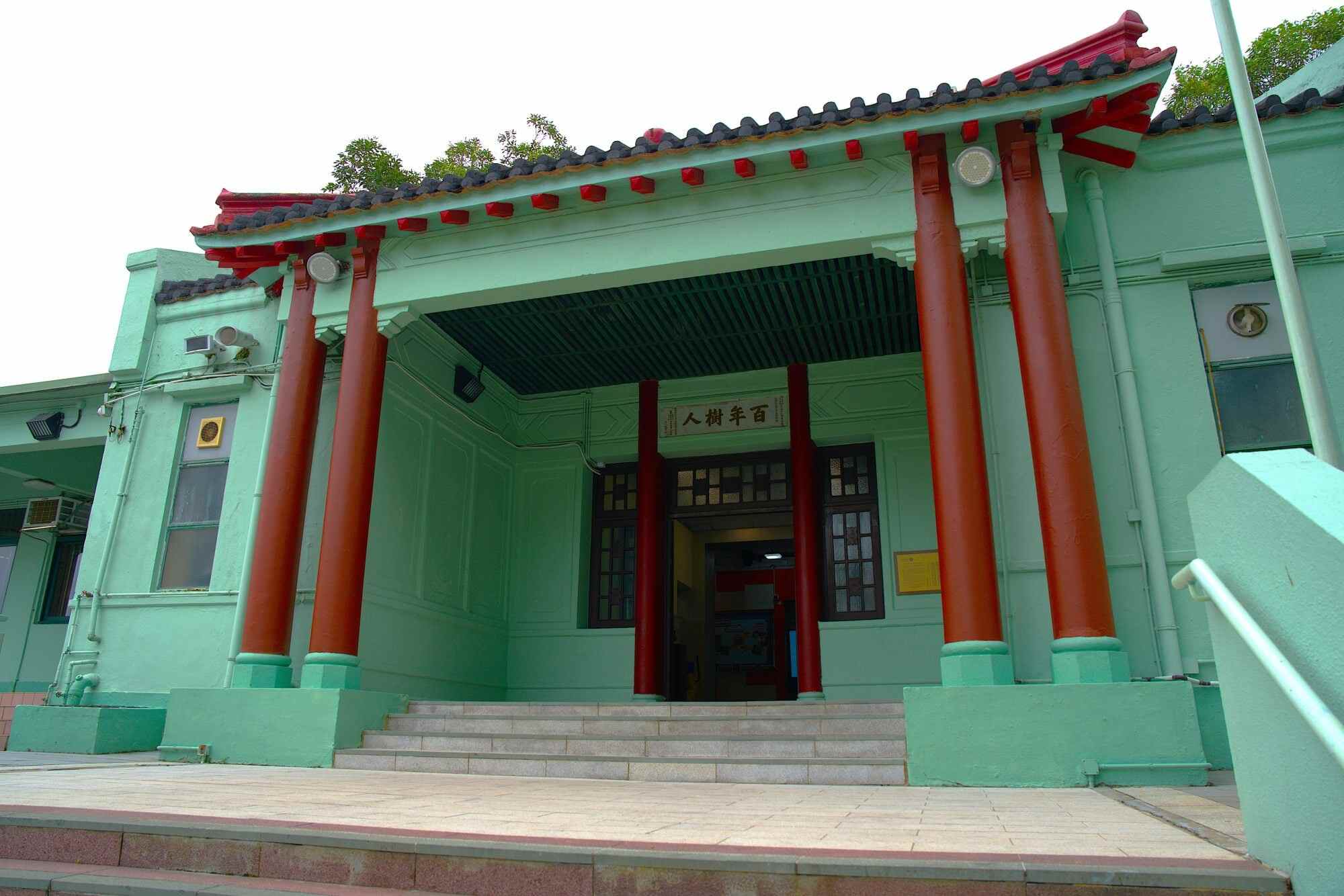
A plaque hangs above the main entrance of a school in Yuen Long. It reads “bai nian shu ren”. This means it takes a century to train people, and that good education takes time.
The phrase was written by Shum Kwong-yuet. He was a Qing scholar and calligrapher. The plaque bears witness to the site’s history of nurturing Hong Kong students.
The story begins before World War II. Back then, students in Yuen Long had limited options for secondary education. There were plans to establish a school. However, these were set aside because of the war.
Yuen Long Public Middle School first opened at Pok Oi Hospital in 1946. The school moved to a permanent campus in Au Tau in 1950. It was the first government school in the New Territories.
From 1994, the site housed TWGHs C.Y. Ma Charity Fund Practical School. It was renamed TWGHs C.Y. Ma Memorial College in 2001.
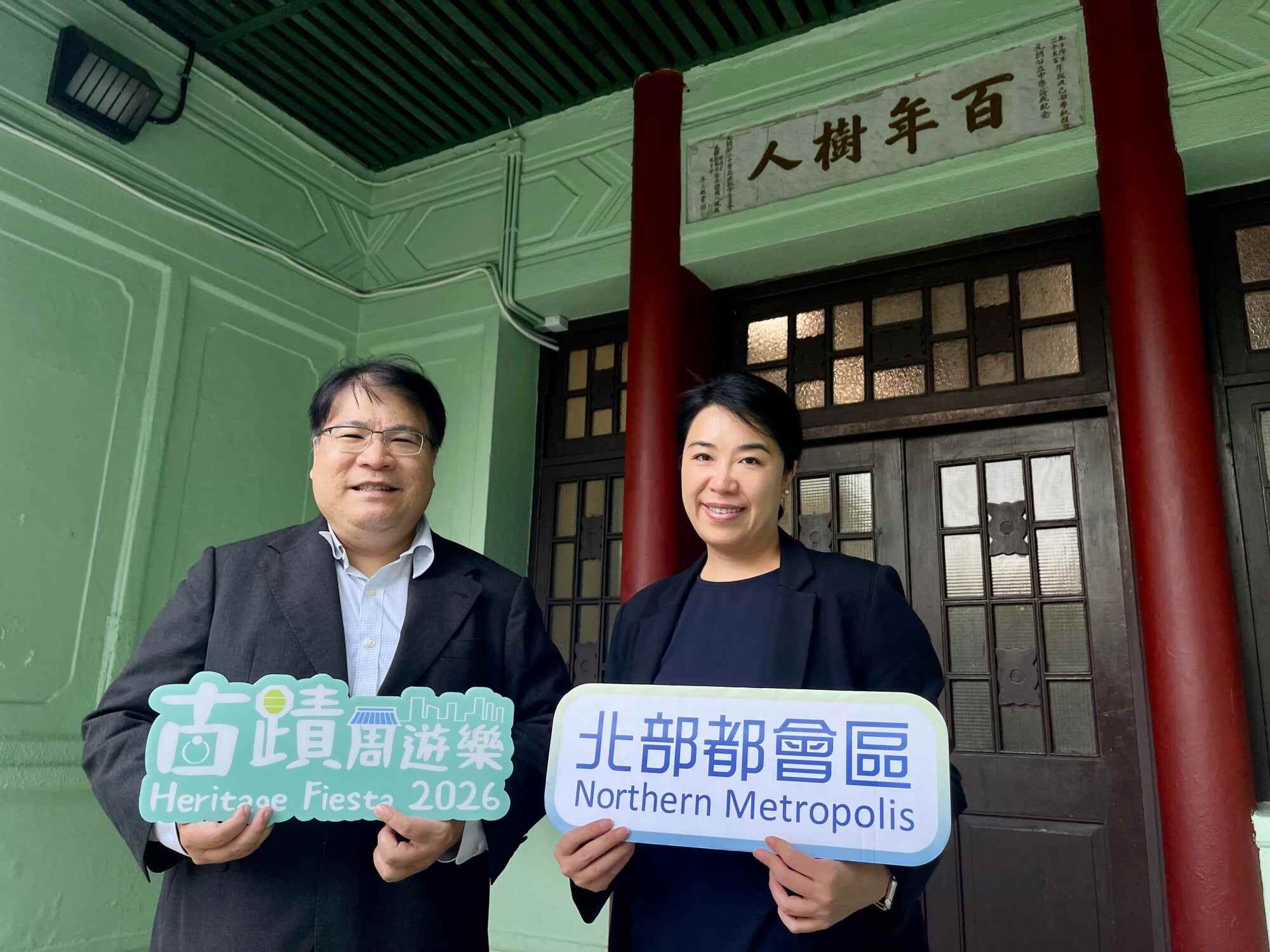
This historic building was one of 12 sites selected for the Heritage Fiesta 2026. The event was organised by the Commissioner for Heritage’s Office of the Development Bureau.
“It gives us an opportunity to let the public see our campus, which has such deep cultural heritage,” said Leung Yuk-lan. She is the school’s vice principal.
She added that the public could see “what the tradition was like and how we have revitalised it today”.
Historical connections
The theme of this year’s Heritage Fiesta is “Traversing Northern Metropolis”. The event runs from October to December. It will spotlight declared monuments and graded historic buildings across the Yuen Long and North districts.
Chief Executive John Lee Ka-chiu spoke about heritage conservation in his latest policy address. He said cultural promotion and urban renewal were linked to tourism and development.
There are 12 sites in the Heritage Fiesta. They fall into three categories. They are the clan culture and traditional character of the New Territories, the reuse of historic buildings and the founding spirit of schools.
Two sites from the Ping Shan Heritage Trail are highlighted. They were linked to the resistance against Japanese occupation from 1941 to 1945.
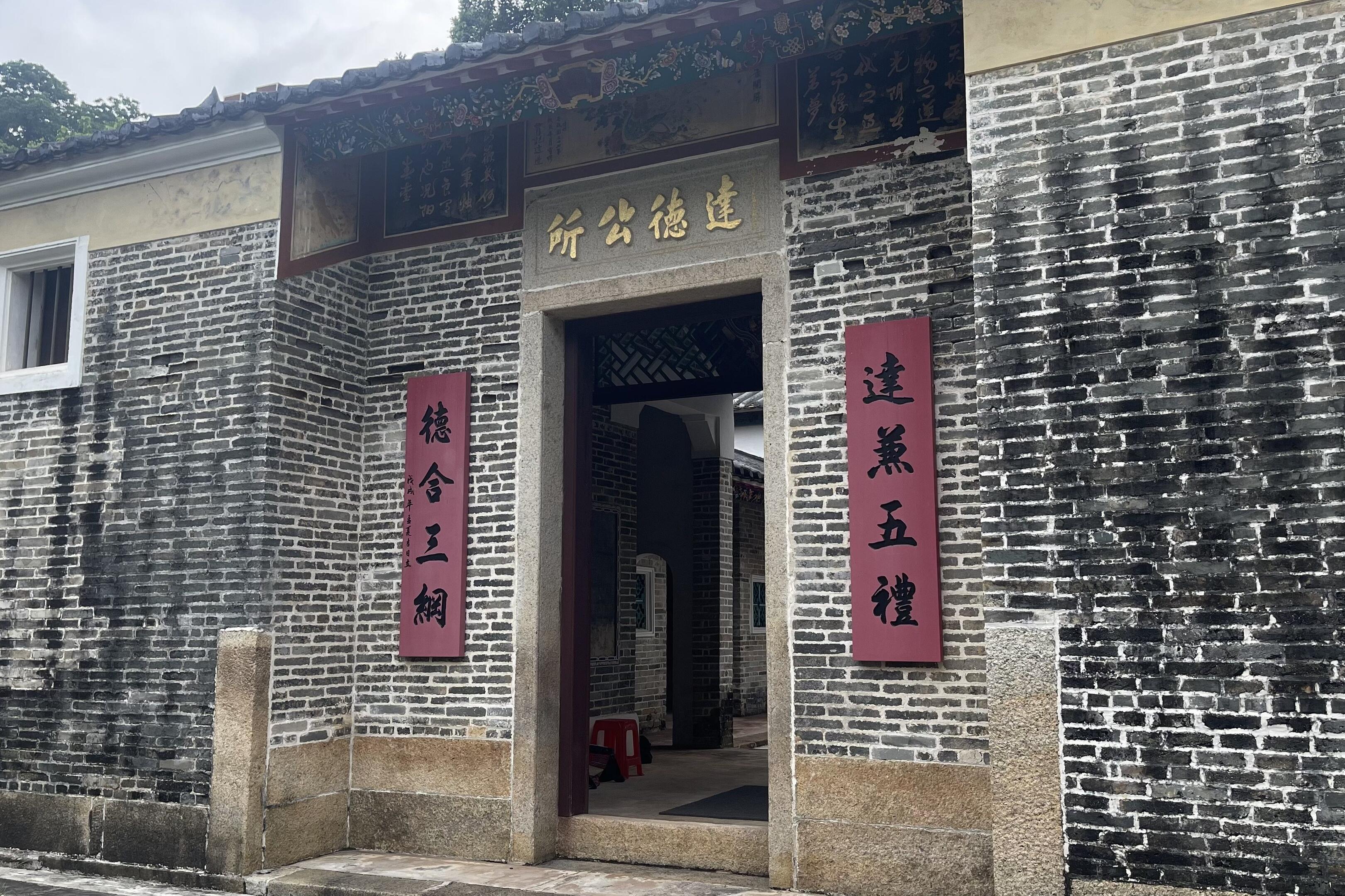
Tat Tak Communal Hall took in homeless children. They had come south from the mainland to Hong Kong. The Ching Shu Hin building provided food and accommodation for people returning to the mainland. They wanted to escape the occupation.
“You can see that the residents of the two places share a very deep historical connection ... a relationship of blood being thicker than water,” David Leung said. He is Hong Kong’s commissioner for heritage.
This is the first time TWGHs C.Y. Ma Memorial College has participated in the Heritage Fiesta. The school will open to the public for guided tours by students on November 21 and 28. Tours will be held in Cantonese, English and Mandarin.
Heritage as a living experience
The bureau is keen to show how development and conservation can go hand in hand.
“We hope to let the public feel it for themselves, to let them experience it personally,” Commissioner Leung said.
This year’s programme includes interactive elements aimed at children and teenagers. One activity is historic building colouring workshops. These will be held at 14 public libraries from October to December.
On designated weekends, there will also be an open-top bus heritage tour.
“We hope to take this opportunity to make heritage conservation and historic buildings no longer just a matter for experts,” the commissioner said.
Details of the Heritage Fiesta schedule are available on the “HK Heritage Live” Instagram and Facebook pages.