If you are interested in joining future Face Off debates, fill out this form to submit your application.
For: Mischa Lan, 13, Po Leung Kuk Choi Kai Yau School

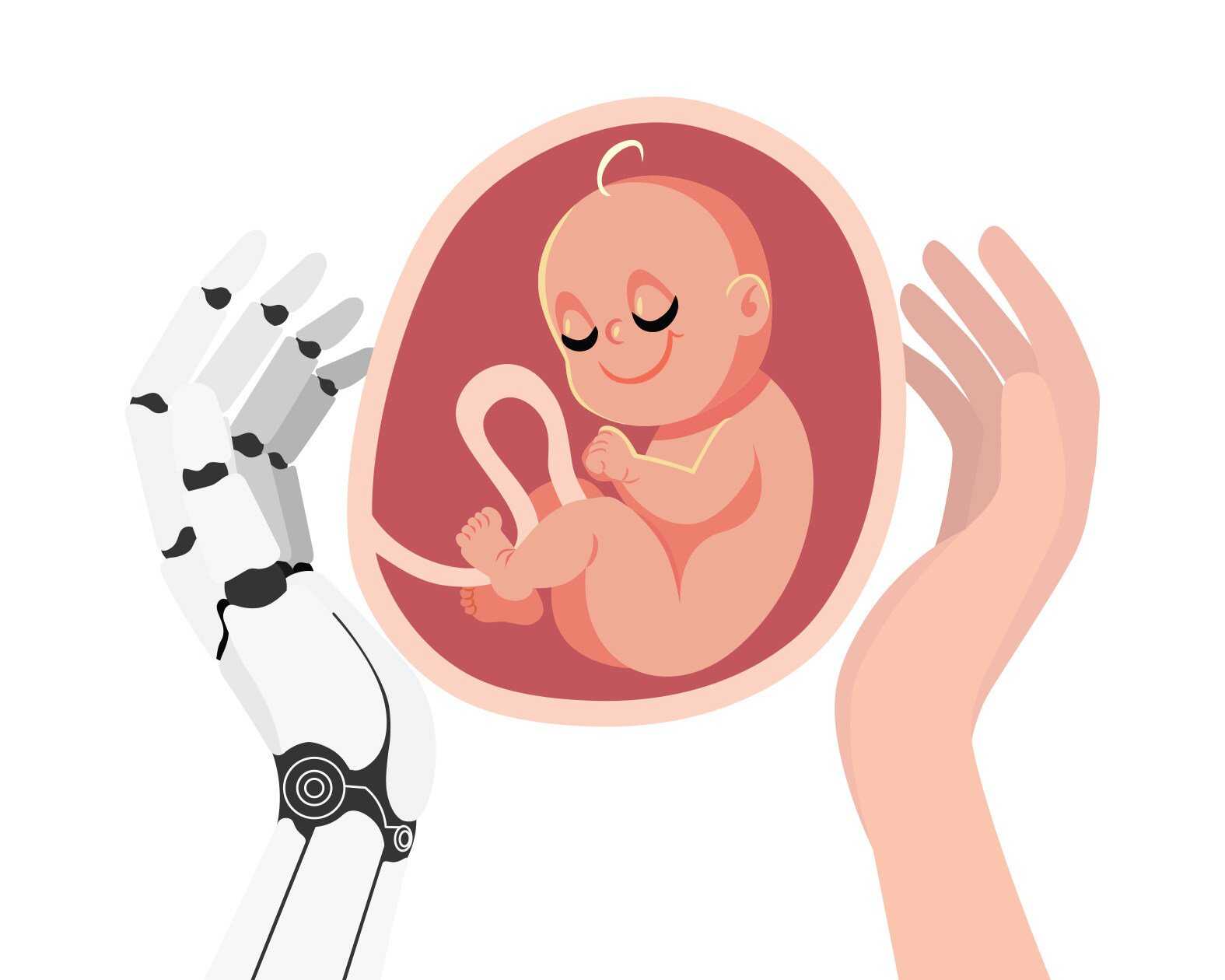
Robot surrogacy would use an artificial womb to carry a pregnancy, replicating the environmental conditions of the uterus and using artificial amniotic fluid and other components to carry the baby.
While this technology doesn’t fully exist yet, it should be considered as a replacement for human surrogacy in the future.
Although the move may spark ethical concerns, it could eliminate the physical risks and emotional challenges faced by human surrogates.
According to a 2024 study, surrogates have a higher risk of severe maternal health complications, with a probability rate of around 7.8 per cent.
They have a higher chance of complications than those who carry their own babies, including severe post-partum haemorrhage – excessive bleeding after childbirth – and pre-eclampsia. This uncommon but serious condition can harm both the baby and the surrogate.
Robot surrogacy reduces the likelihood of medical and emotional risks associated with human surrogacy.
Robots could be programmed to maintain the ideal conditions for carrying a baby to term without compromising the health of human surrogates. This technological assurance could lead to greater safety and consistency.
Additionally, robot surrogacy would be more cost-effective for people struggling with infertility.
Traditional human surrogacy often involves substantial costs, including medical care for the surrogate, legal fees, insurance coverage and financial compensation for the surrogate’s time and risk, ranging anywhere from US$100,000 to US$200,000 (HK$781,288 to HK$1.56 million) in the United States. These prices make surrogacy an option accessible only to the wealthy.
In contrast, robot surrogacy would require only an initial payment for the procedure and maintenance of the robotic system. Since the process does not depend on human labour or health, many costs are largely eliminated.
Moreover, technological improvements would reduce expenses over time, making it increasingly affordable.
Although careful regulation would be needed to uphold safety and address concerns about robot surrogacy, the benefits justify the research and expense.
Against: Heer Donda, 16, King George V School

One of the most spontaneous parts of human biology is the growth and birth of a child in a mother’s womb – a complex and miraculous process that develops a bean-sized embryo into an actual human being.
Robot surrogacy is a recently developed process of carrying and developing a fetus inside an artificial womb by mimicking the conditions of a biological uterus.
While it marks a significant medical milestone, replacing the biological sanctuary of dual heartbeats with machines may mark the beginning of a cold, automated future.
To begin, with robot surrogacy, we risk treating the children of our future as manufactured products.
Whether through mobile phones or data centres, over the years, we have seen how easily technology can be mass-produced.
By automating a process as valued and delicate as pregnancy, we risk treating the process of birth as an assembly line rather than a natural process. This consumerist mindset towards life can create expectations for children to meet certain specifications, potentially decreasing our capacity to accept diversity and human imperfection.
Furthermore, if birth is automated, the technology will likely be owned by massive corporations, creating a pay-to-play model for parenthood that could intensify class divides.
According to the World Health Organization, around 4.6 billion people globally still lack access to essential health services, and 2.1 billion experience financial hardship when they do seek care.
Robot surrogacy risks entrenching disparities, where only the wealthy could afford “optimised” birth environments, potentially widening gaps in class and worsening inequalities.
It could create a world in which rich people can rely on technology to carry their children, giving them yet another advantage in life.
Robot surrogacy might provide a safer, less complicated version of pregnancy’s nine months of discomfort. Yet ultimately, people prize natural diamonds over perfected lab-grown ones for the same reason: nature’s unique imperfections carry irreplaceable value. It takes time to realise these aren’t flaws at all – they’re what make our world truly profound.
By choosing humanity over machinery, we can ensure that the miracle of birth remains a living bond rather than simply an industrial achievement.