Every week, Talking Points gives you a worksheet to practise your reading comprehension with exercises about the story we’ve written.
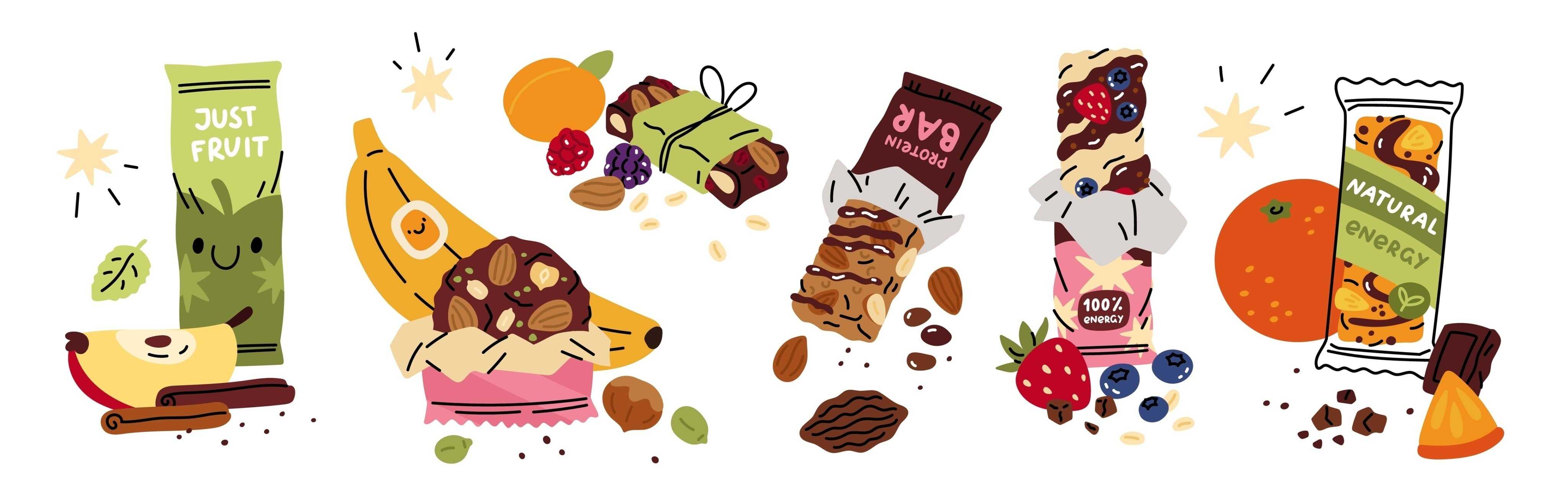
Reaching for a protein bar seems like the perfect way to quiet a mid-hike rumble or fuel post-gym recovery. But you might want to think twice about how “nutritious” that snack bar really is.
According to Michelle Lau, the principal nutritionist and founder of health consultancy Nutrilicious, most teenagers in Hong Kong do not actually need protein bars because they can easily get the protein they require from a healthy diet.
“Bars should supplement, not replace, a balanced diet,” Lau said.
For most teens, eating two portions of protein a day is enough. A portion could be a chicken breast, a medium-sized fish fillet, three eggs or a large block of firm tofu. While student athletes might need a little more protein than their peers, they should talk to a doctor or nutrition expert to make sure they are not consuming too much.
“Excess protein supplements like bars offer no extra benefit if protein needs are already met,” Lau said. “[Extra protein] can stress the liver and kidneys if excessively consumed.”

Check the label
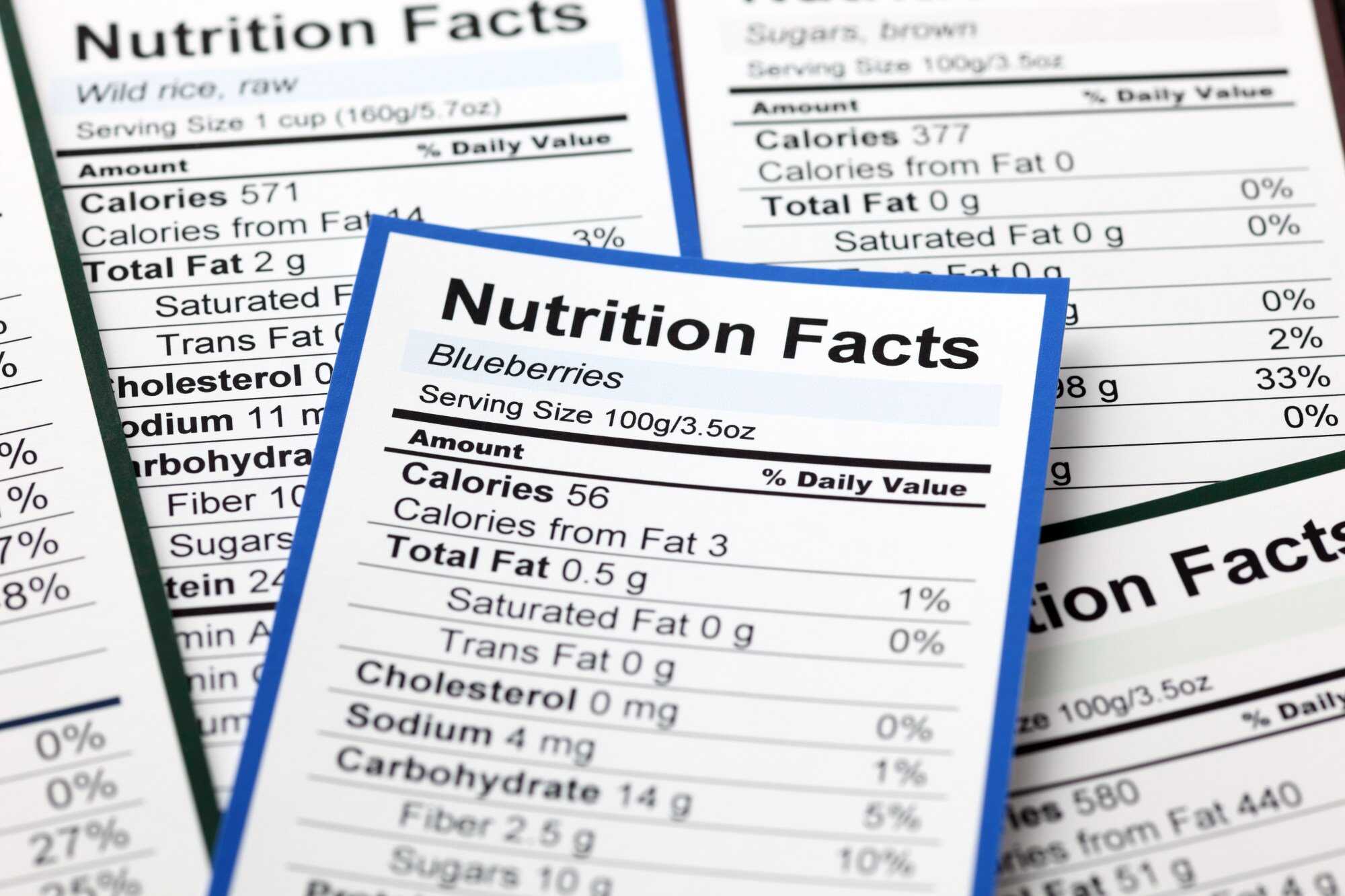
Before opening a protein bar, the first place to look is its nutrition label. In Hong Kong, some marketing terms are regulated and trustworthy. Others are misleading.
“Be aware that not all marketing terms on food labels mean the same thing,” Lau said. “In Hong Kong, ‘low fat’ or ‘high fibre’ are strictly regulated and can only be used if the product meets specific legal standards.”
But more vague claims, such as “all natural”, “clean” or “no added sugar”, are not as tightly controlled and can be confusing.
Lau noted that many popular brands often promote bars with fewer carbohydrates and processed ingredients. But this still does not mean they are good for regular consumption.
“Even bars labelled healthy and packed with lots of wholesome ingredients are calorie-dense. They are often 200 to 300 calories per bar,” Lau said.
“To put that in perspective, a serving of grilled chicken breast with brown rice and broccoli [would be around 300 calories].”
Marketing terms can also be nonsensical.
“Teenagers should be cautious about products that claim to promise immediate or unrealistic results,” Lau said, noting misleading phrases such as “build muscle fast” or “burn fat” as ones to avoid.
Look at the ingredients
After navigating marketing terms, make sure to scan the ingredients. At least 50 to 70 per cent of the list should consist of whole foods, such as nuts, oats and seeds. It should also have no more than five grams of sugar per 100 gram serving.
Also, avoid trans fat or artificial additives such as maltodextrin and polydextrose, which are often used as sugar substitutes.
“There are just so many unnecessary ingredients in protein bars found in the market. These products need a total overhaul for them to be suitable for teenagers,” Lau said.
She also advised making your own protein snacks at home.

No-bake protein bar
Ingredients
-
2 cups of rolled oats
-
½ cup of vanilla protein powder (choose one with less sugar or no sugar)
-
½ cup of natural smooth peanut butter, without added sugar or oil
-
½ cup of unsweetened almond milk
-
½ tablespoon of honey
-
Optional: 2 tablespoons of unsweetened shredded coconut, 2 tablespoons of chia or flax seeds for extra nutrition
Instructions
1. In a large bowl, mix the oats and vanilla protein powder.
2. Add the peanut butter, almond milk and honey.
3. Stir until the mixture is combined and sticky. Add more almond milk if it is too dry, or add oats if it is too wet.
4. Line a 20cm square pan with parchment paper. Press the mixture evenly into the pan.
5. Refrigerate for at least 30 minutes until firm.
6. Cut it into bars. Store them in an airtight container in the fridge for up to one week.