Supporters of raw milk in the United States are advocating for greater availability and easier access to the potentially risky product, despite a recent outbreak that affected children in the country.
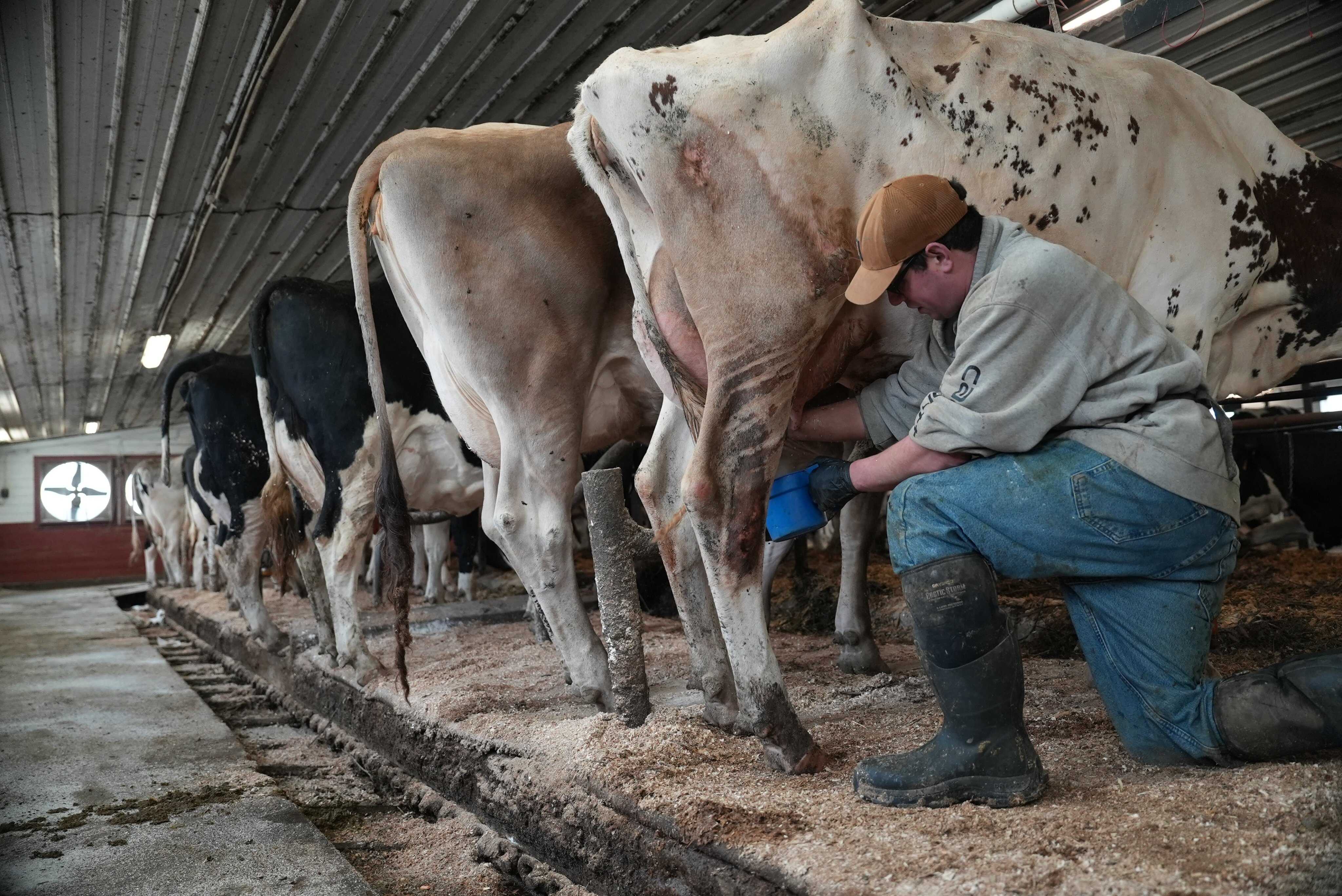
More than three dozen bills promoting raw milk have been introduced in state legislatures across the US. Dairy farmers have reported that they can hardly keep up with demand, despite prices that could exceed US$10 (HK$78) or US$20 per gallon (3.78 litres).
There has been a surge in social media posts promoting raw milk, often making unproven claims about its health benefits. The trend concerns public health officials, who have long warned that unpasteurised milk can contain harmful germs.
An outbreak in March was linked to raw milk Cheddar cheese from California-based Raw Farm resulted in nine people falling ill with E coli, including five children under the age of five. One of the victims experienced a serious complication that could lead to lifelong kidney issues.
Petra Anne Levin, a biology professor at Washington University in St Louis, said she did not understand the appeal of the products: “If you wouldn’t lick a cow’s underneath, why would you drink raw milk?”
But despite the risks, some consumers still prefer their milk raw. In light of this trend, advocates and critics alike are calling for regulation of the product.
Raw milk legislation
As of April, over 40 bills have been proposed in 18 states across the US to make it easier to buy, sell or consume raw milk.
However, experts like Donald Schaffner, a food science professor at Rutgers University in New Jersey, warned that increased access to raw milk could lead to more outbreaks of foodborne illnesses.
One bill advancing in the US state of Iowa would make it easier for farmers to sell unpasteurised products by allowing them to be sold at farm stores alongside other foods, such as meat.
Risks of raw milk
Despite its popularity, public health experts warn against drinking raw milk.
The US Centres for Disease Control and Prevention (CDC) website points to the risks of illness from a host of germs. One CDC review counted more than 200 outbreaks tied to raw milk that left 2,600 people sick and sent 225 to hospitals between 1998 and 2018.
Another analysis found that raw dairy products cause 840 times more illness and 45 times more hospitalisation than their pasteurised counterparts.
Children are especially vulnerable to such illness, because their immune systems are immature, noted Alex O’Brien, food safety and quality coordinator for the Centre for Dairy Research in the US state of Wisconsin.
Before milk standards were adopted more than a century ago, about 25 per cent of foodborne illnesses in the US were related to dairy consumption, O’Brien said. Now, dairy products account for about 1 per cent of such illnesses.
In European and American societies of the early and mid-19th century, research showed that infant mortality rates were 30 to 60 times higher than they are today. In one example, thousands of infants died every year from a condition known as “summer diarrhoea,” which was primarily caused by bacterial contamination in milk that worsened in the heat.
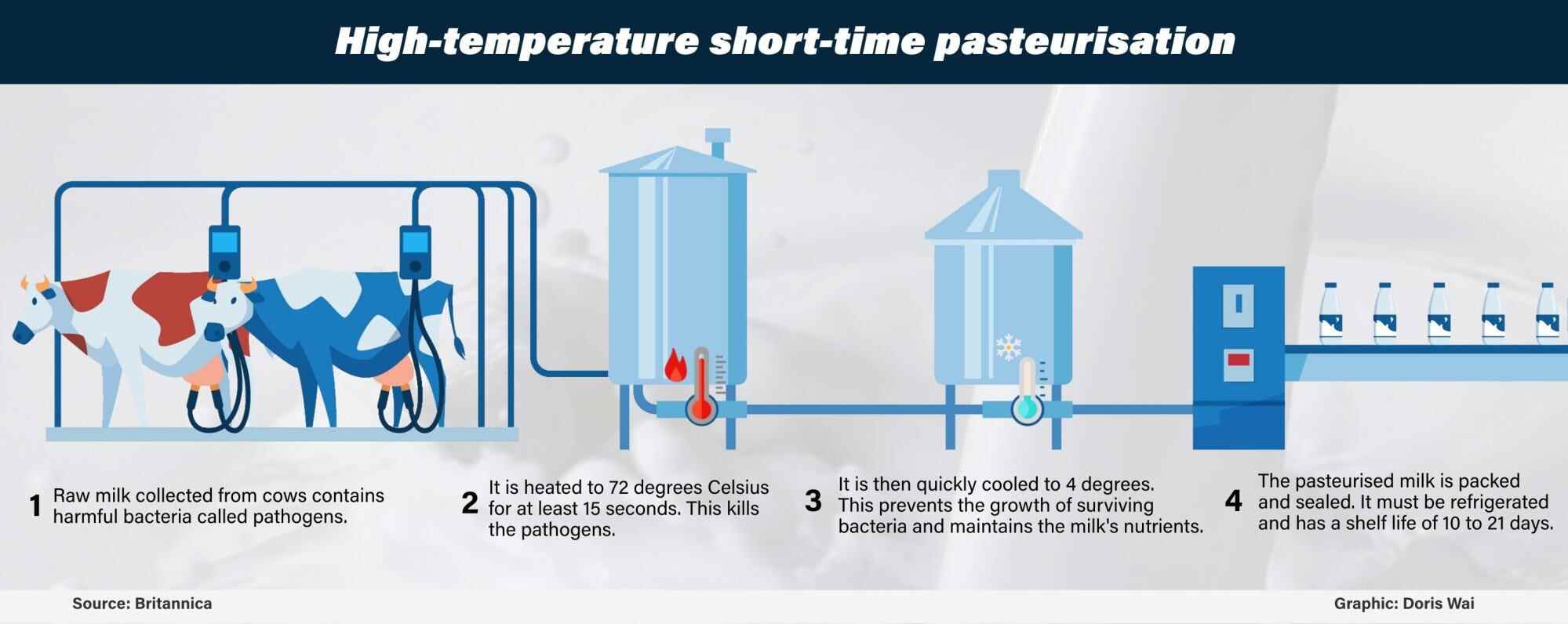
What is pasteurisation and how does it work?
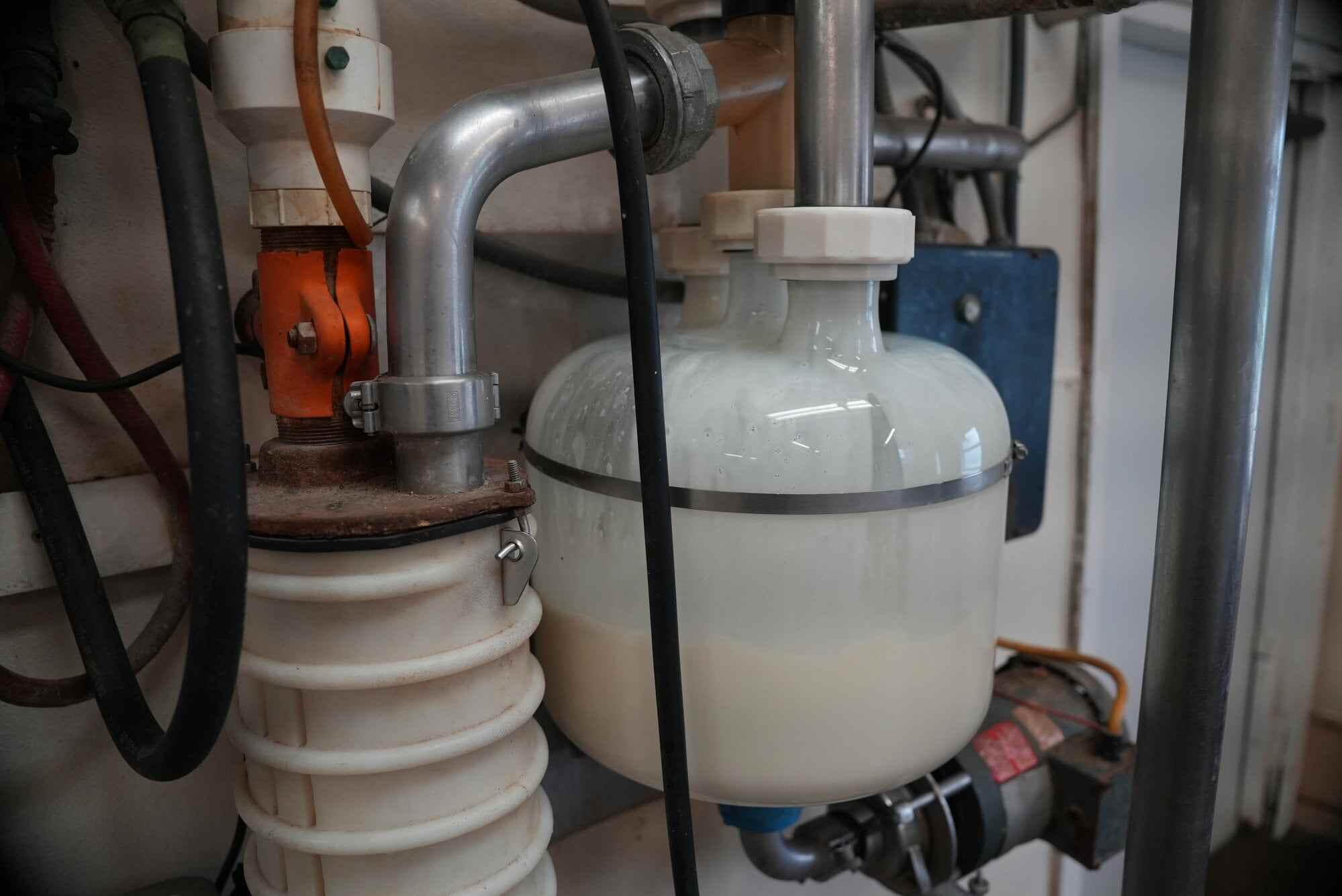
Named after Louis Pasteur, pasteurisation is a heat-treatment process used to kill germs by heating raw milk. Experts say it has no significant impact on milk’s nutritional quality and has saved millions of people from foodborne illness. Here are some methods of pasteurisation.
-
High temperature short time (HTST) – the most common method in the United States (see graphic)
-
Higher heat shorter time (HHST) – a similar technique to HTST, but at higher temperatures for a shorter time
-
Ultra high temperature (UHT) – heating milk and filling it under aseptic conditions into airtight packaging. UHT milk does not require refrigeration until after the package has been opened.