From mouth taping to rope-assisted neck swinging, a viral trend on social media is promoting extreme bedtime routines that claim to provide perfect sleep, despite limited medical evidence and potential safety risks.
Influencers on platforms like TikTok and X are fuelling a growing wellness obsession known as “sleepmaxxing”. This term refers to a variety of activities and products aimed at optimising sleep quality.
The explosive rise of the trend – generating tens of millions of posts – underscores social media’s power to legitimise unproven health practices, particularly as tech platforms scale back content moderation.
One so-called insomnia cure that could be quite dangerous involves people swinging their bodies in the air.
Experts have raised alarm about the trick, following a Chinese state broadcaster’s report that attributed at least one fatality in China last year to a similar routine.
Such “sleepmaxxing” techniques are “ridiculous, potentially harmful and evidence-free”, said Timothy Caulfield, a misinformation expert from the University of Alberta in Canada.
“It is a good example of how social media can normalise the absurd.”
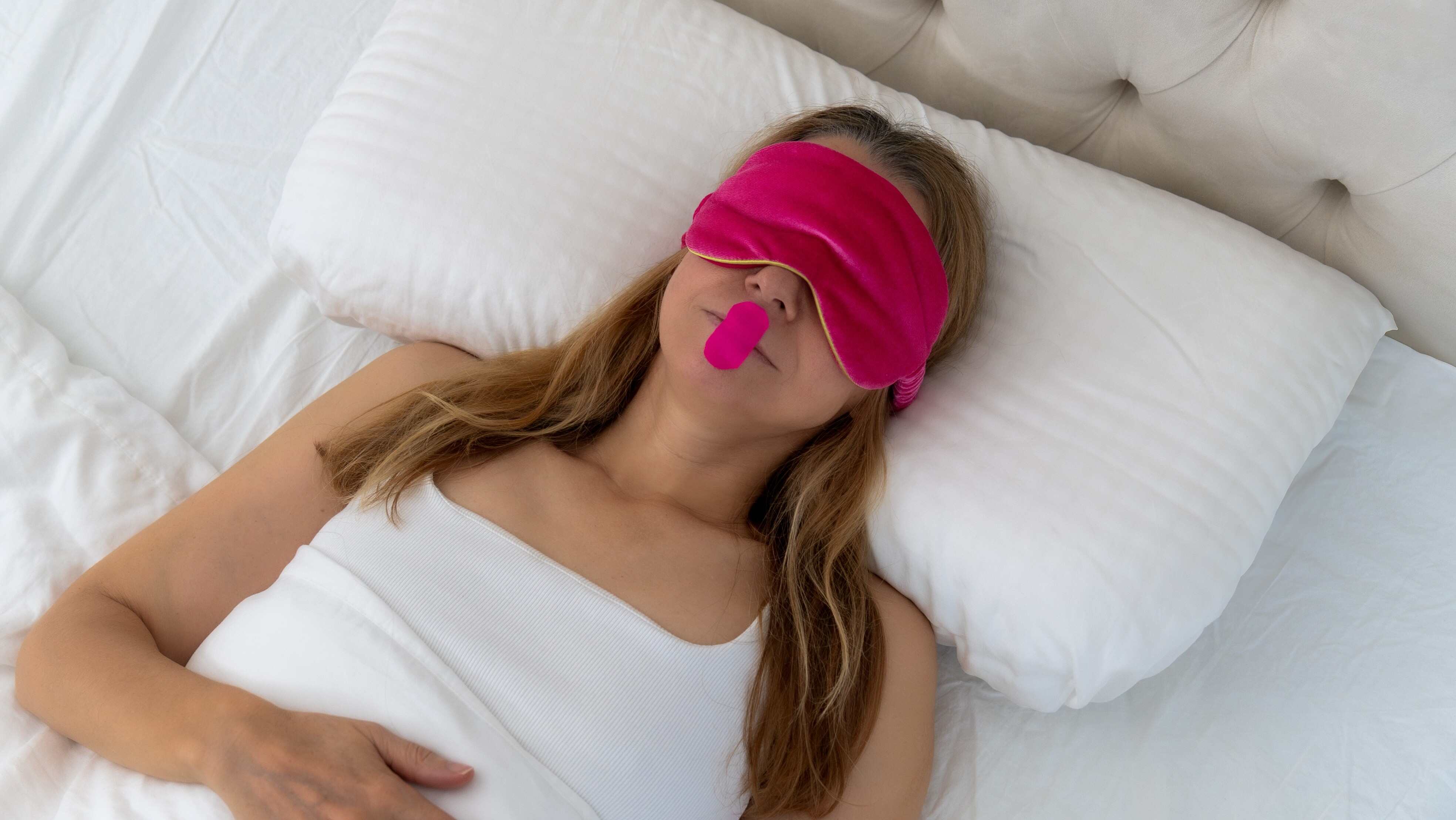
Another popular practice is taping the mouth for sleep, promoted as a way to encourage nasal breathing. Influencers claim it offers broad benefits, from better sleep and improved oral health to reduced snoring.
But a report from George Washington University found that most of these claims were not supported by medical research.
Experts have also warned that the practice could be dangerous, particularly for those suffering from sleep apnoea, a condition that disrupts breathing during sleep.

Other unfounded tricks touted by “sleepmaxxing” influencers include wearing blue- or red-tinted glasses, using weighted blankets and eating two kiwis just before bed.
“My concern with the ‘sleepmaxxing’ trend – particularly as it’s presented on platforms like TikTok – is that much of the advice being shared can be actively unhelpful, even damaging, for people struggling with real sleep issues,” said Kathryn Pinkham, a Britain-based insomnia specialist.
“While some of these tips might be harmless for people who generally sleep well, they can increase pressure and anxiety for those dealing with chronic insomnia or other persistent sleep problems.”
While sound and sufficient sleep is considered a cornerstone of good health, experts warn that the trend may be contributing to orthosomnia, an obsessive preoccupation with achieving perfect sleep.
“The pressure to get perfect sleep is embedded in the ‘sleepmaxxing’ culture,” said Eric Zhou of Harvard Medical School.
“While prioritising restful sleep is commendable, setting perfection as your goal is problematic. Even good sleepers vary from night to night.”
Pinkham added that poor sleep was often fuelled by the “anxiety to fix it”, a fact largely unacknowledged by “sleepmaxxing” influencers.
“The more we try to control sleep with hacks or rigid routines, the more vigilant and stressed we become – paradoxically making sleep harder,” Pinkham said.

Many “sleepmaxxing” posts focus on enhancing physical appearance rather than improving health, reflecting an overlap with “looksmaxxing” – another online trend that encourages unproven and sometimes dangerous techniques to boost sexual appeal.
Some “sleepmaxxing” influencers have sought to profit from the trend’s growing popularity, promoting products such as mouth tapes, sleep-enhancing drink powders, and “sleepmax gummies” containing melatonin.
That may be in violation of legal norms in some countries, like Britain, where melatonin is available only as a prescription drug.
The American Academy of Sleep Medicine has recommended against using melatonin to treat insomnia in adults, citing inconsistent medical evidence regarding its effectiveness.
Some medical experts also caution about the impact of the placebo effect on insomnia patients using sleep medication, when people report real improvement after taking a fake or nonexistent treatment because of their beliefs.
“Many of these tips come from non-experts and aren’t grounded in clinical evidence,” Pinkham said.
“For people with genuine sleep issues, this kind of advice often adds pressure rather than relief.”