Have something to say? Send us a letter using this form.
Fictional bands, real music
Renee Chan Tsz-ching, King Ling College
A hugely popular animated film has accomplished a different kind of achievement: songs by its fictional Korean girl group topping music charts, surpassing real-life K-pop bands. Released in summer 2025, KPop Demon Hunters is currently the most-streamed Netflix film globally, clocking up more than 33 million views in just two weeks.
The film’s fictional boy group, Saja Boys, has become the highest charting male K-pop group on Spotify in the United States – beating “kings of K-pop” BTS. Meanwhile, Golden, a track by the film’s girl group Huntr/x, hit number two on the chart, overtaking Blackpink to become the highest-charting female K-pop group.
KPop Demon Hunters is a creative film with an American animation style that incorporates Korean culture and mythology. Popular actor Ahn Hyo-seop was invited to voice the film’s male lead, Jinu. Members of the K-pop girl group Twice – Jeongyeon, Jihyo and Chaeyoung – were also invited to sing a rendition of the film’s theme song “Takedown”. These thoughtful details have all contributed to the film’s success.

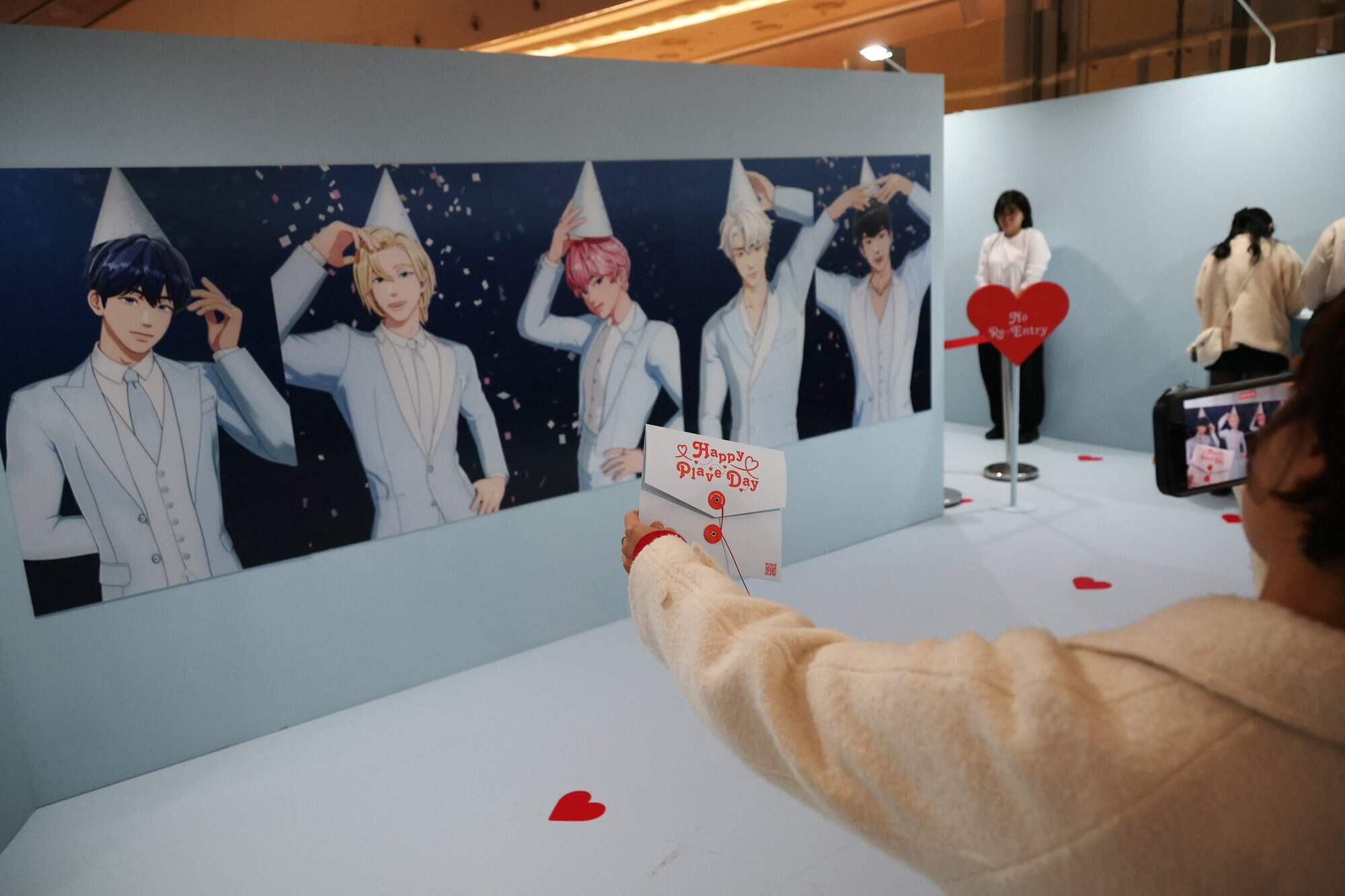
There have been similar musical acts before. For example, the South Korean virtual boy band Plave is a group with a unique concept. Members are animated, inspired by webtoons, and are the result of real artists behind each virtual character.
Performances, live broadcasts and music videos are made with the help of 3D modelling technology that captures the movement of real people. To interact with fans, they are presented in Live2D, an animation technique used to animate static images. The band’s strong songwriting and vocal abilities have made them beloved by fans.
To conclude, KPop Demon Hunters and its fictional K-pop groups bring something new and fresh to the public. But that does not mean that real idols will be replaced. Both real and virtual idols have their merits, providing audiences with more entertainment options to enjoy.
Sunbeam Theatre’s shuttering is shattering
Yannie Wu Yuet-hin, St Paul’s Co-educational College
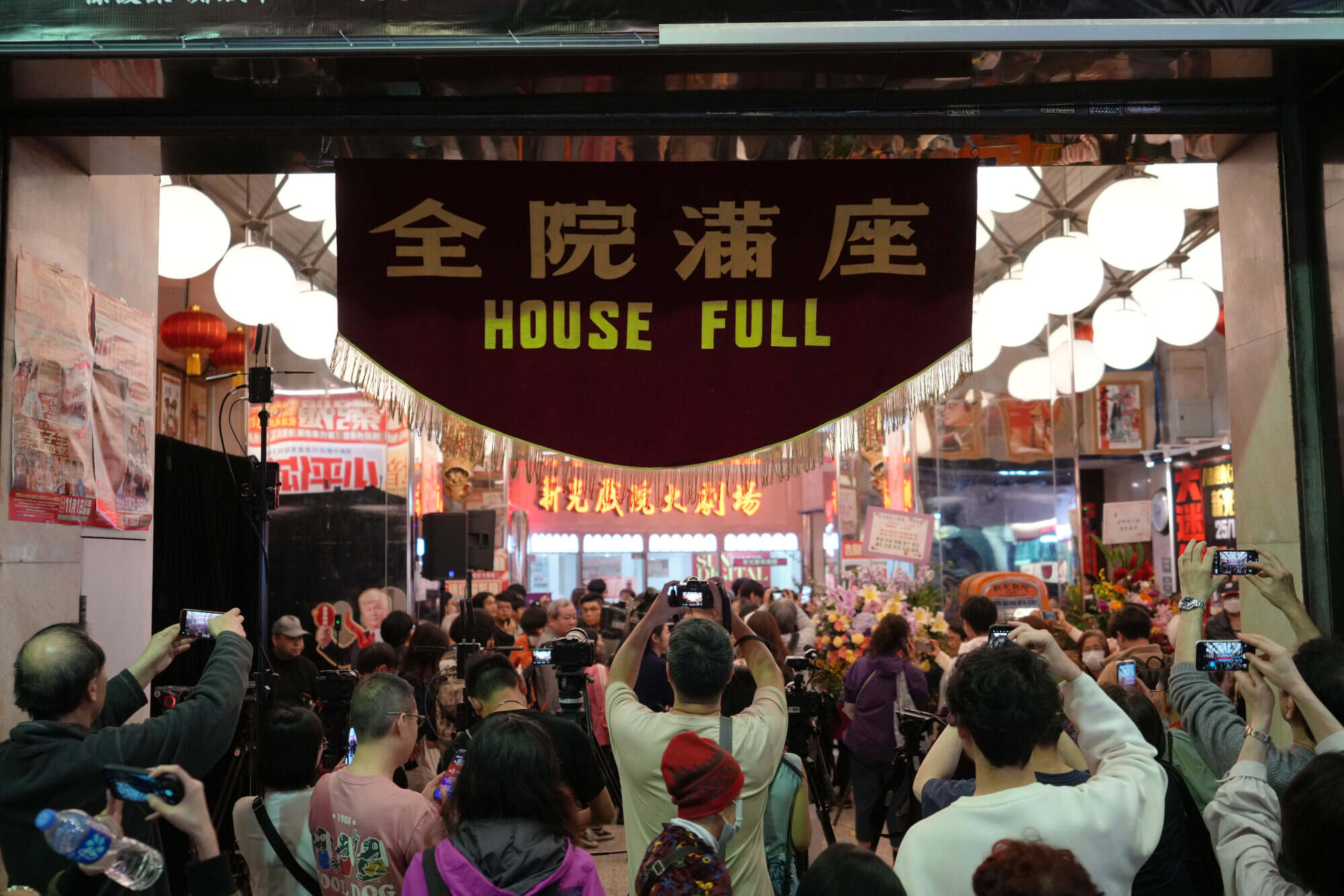
I am compelled to write about the recent closure of Sunbeam Theatre. I believe this is a matter of Hong Kong’s culture and history.
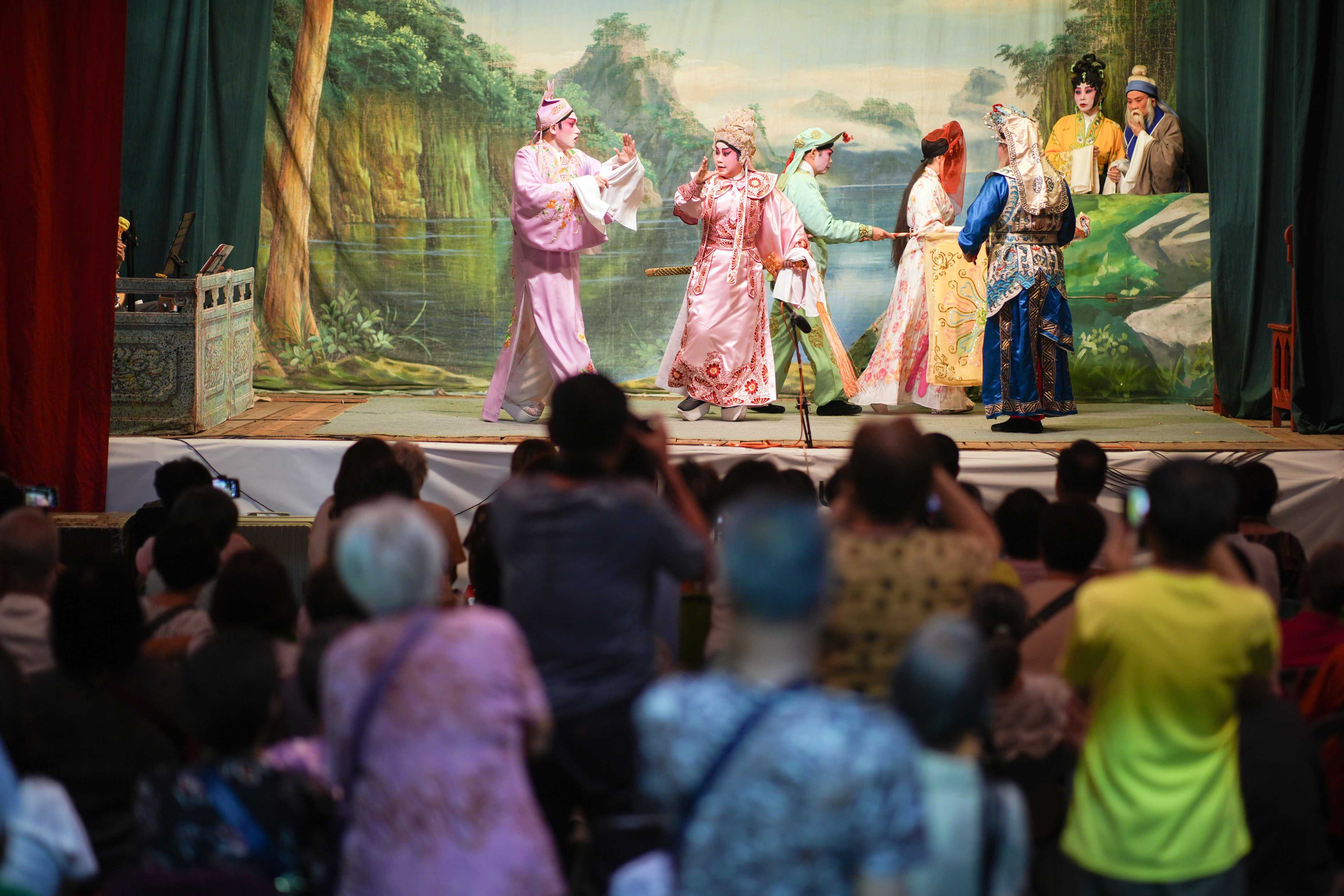
Sunbeam Theatre, established in 1972, was a landmark venue that showcased Cantonese opera and was vital to the performing arts community. This cornerstone of Hong Kong’s cultural identity – Cantonese opera and the performing arts – is increasingly under threat. The closure of Sunbeam Theatre reveals the increased neglect of traditional art forms and the lack of awareness surrounding the issue.
The reasons for the theatre’s closure are not only financial and operational challenges that it faced in recent years, but also the marginalisation of Cantonese culture due to the changing preferences of the younger generations.
Traditional Cantonese opera – a long-form narrative featuring a combination of singing, martial arts, aerobics and acting – is often seen as outdated and old-fashioned by young people. They tend towards more interactive, fast-paced entertainment such as films and mobile games.

As a result, traditional Cantonese operas attract fewer investors and less sponsorship. This is similar to other older art forms; for example, Shakespearean productions in the United States struggle to remain relevant in a saturated entertainment market. Consequently, many artists leave the industry due to the decline in quality and concerns about the art form's sustainability.
To protect intangible cultural heritages such as Cantonese opera, one effective approach is to increase public engagement. Regular community events and workshops, such as free outdoor performances or interactive sessions where young people can learn Cantonese opera skills, will make these art forms more accessible. This could lead to greater participation and renewed interest in Cantonese opera.
Moreover, a strong digital presence is crucial for raising awareness and appealing to wider audiences, especially young people. Modern media platforms provide an excellent opportunity to reach younger generations. Encouraging users to share their experiences, tutorials or even their own performances related to Cantonese culture can foster a sense of community and belonging.
To conclude, Cantonese culture is deeply rooted in our city’s history and identity, and it deserves preservation. It is high time we safeguarded the invaluable heritage art form before it vanishes forever. Let us act now – not only in memory of what has been lost but in hope of what can still be saved, for ourselves and for generations to come.
Student mental health crisis
Zheng Hoi-sum, Pope Paul VI College
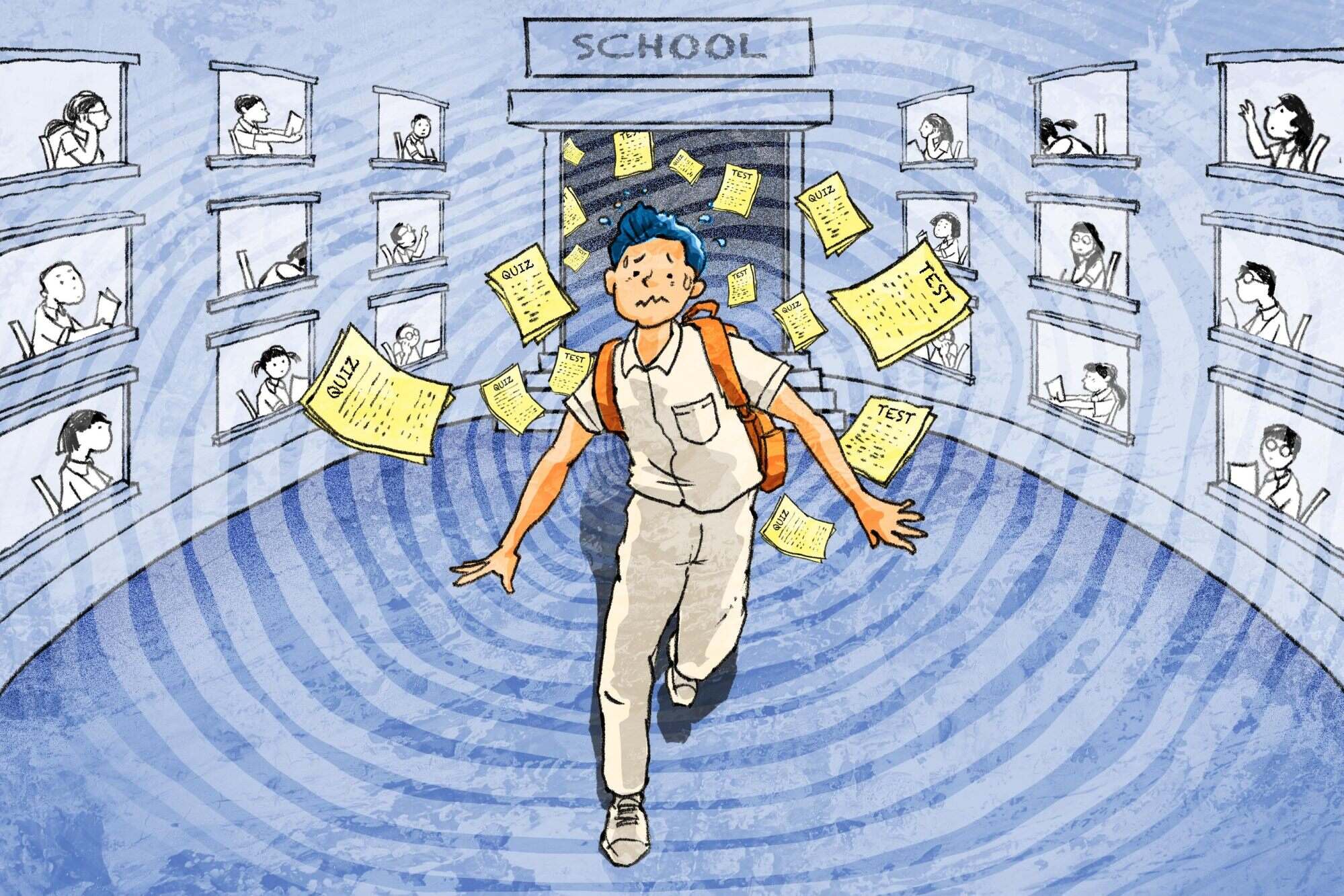
As a Hong Kong student myself, I know that the mental health crisis here is complex. It is driven by factors such as family expectations and academic pressure. The city’s school curriculum is often demanding, with heavy workloads including homework, projects and extracurricular activities. Balancing all these can be overwhelming. Because of the focus on academics, students have little time for leisure or relaxation, which affects their mental health and well-being.
Many parents have specific career goals for their children, which adds even more pressure. Young people may feel they must follow their parents’ wishes instead of their own interests. In some families, there is a lack of open communication, leading to feelings of isolation and frustration. Young people can easily feel trapped by these expectations, which may lead to feelings of inadequacy or despair.
I believe it is crucial to prioritise mental health education and resources in schools and communities. We need to create an environment where young people feel safe to express their feelings and ask for help without fear or stigma. Mental health topics should be included in school lessons, and teachers and parents should receive training to recognise signs of mental distress.
Schools can also organise workshops on stress management, resilience and mental health for students, teachers and parents. Parents especially need guidance on understanding the pressures their children face and how to support them without adding more stress.
Addressing family pressures is key to improving young people’s mental health in Hong Kong. Open communication, understanding, and supportive family relationships can help ease some of the burdens students face.