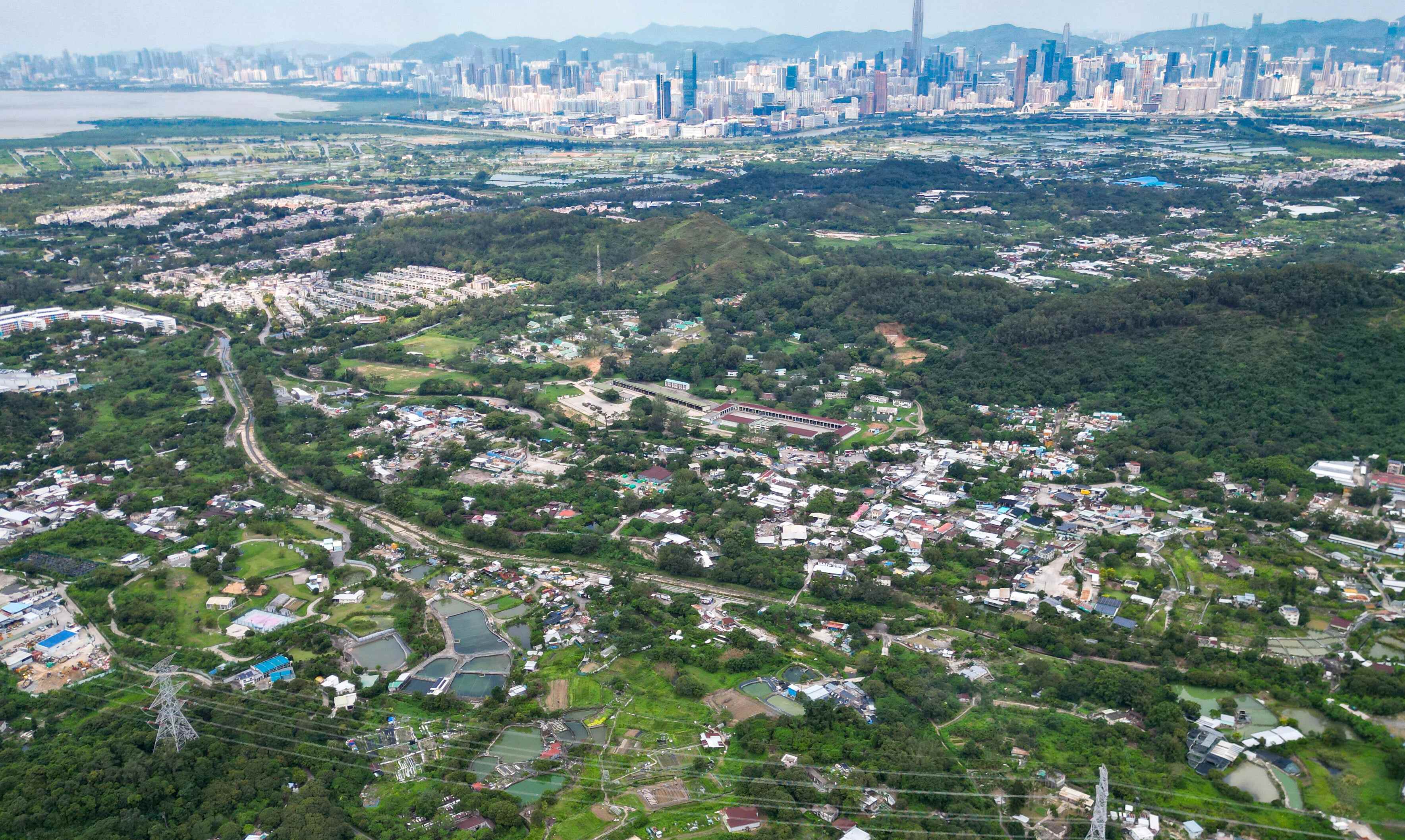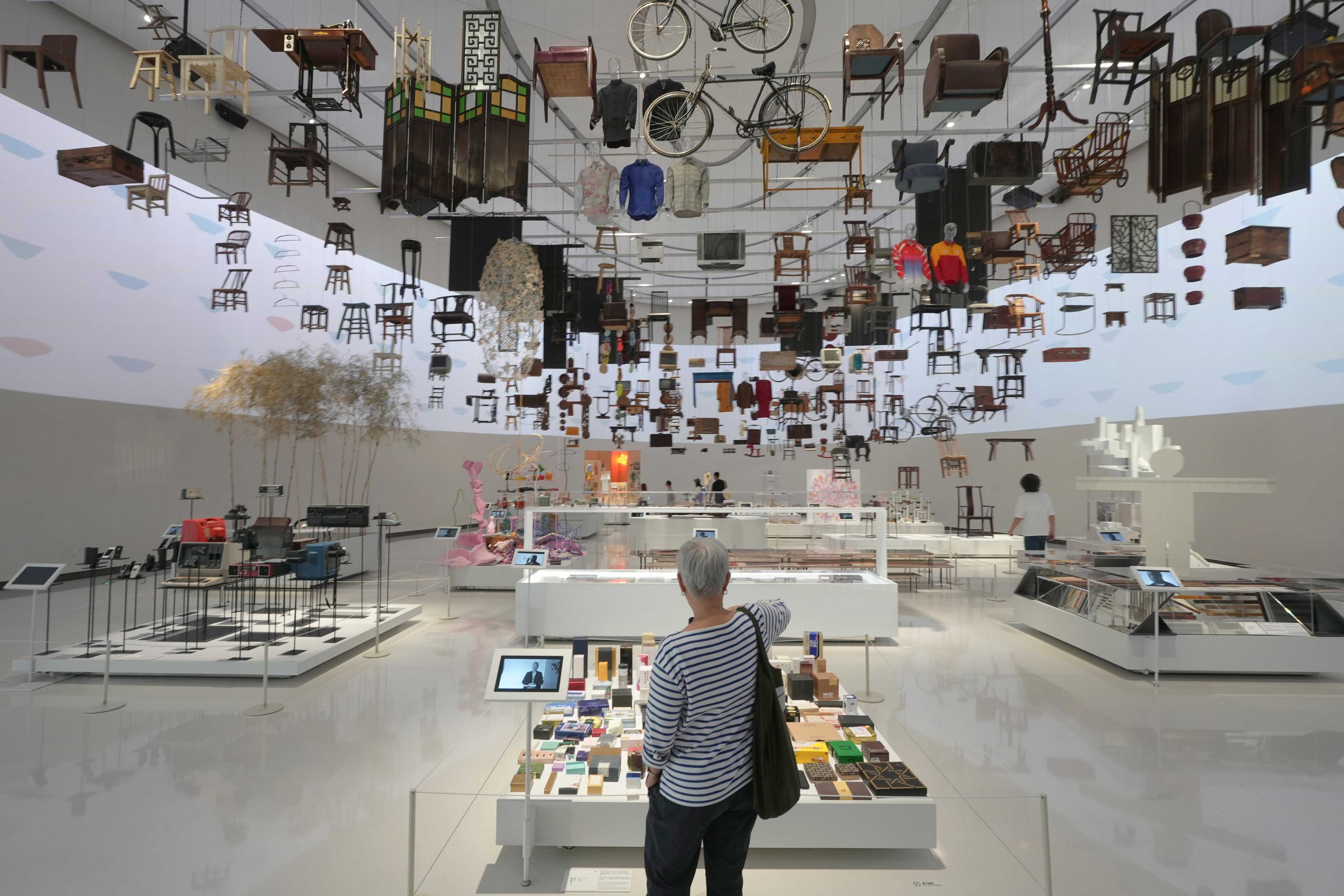
Deep Dive delves into hot issues in Hong Kong and mainland China. Our easy-to-read articles provide context to grasp what’s happening, while our questions help you craft informed responses. Check sample answers at the end of the page.
News: Hongkongers flock to Shenzhen’s new cultural hotspots
-
Short, cross-border getaways have become quick escapes for locals
-
Experts say Hong Kong risks losing status as more people prefer budget-friendly mainland attractions
Last month, Hongkonger Dominique Li and his wife spent two days in Shenzhen to soak up the cultural vibe. They said this getaway would not be their last.
The 45-year-old engineer lives in Tin Shui Wai in the northwestern New Territories. He was particularly drawn to a new landmark, Shenzhen Bay Culture Square.
He treated his visit to Shenzhen in mainland China like a trip to Hong Kong’s Causeway Bay shopping district, which also takes about an hour.
“The spaces here are bigger, and there’s more choice. If you want high-end consumption, you can find it, but there are also lots of cafes and more relaxed places where people can just sit and spend time,” Li said at the cultural plaza in Shenzhen.
“It feels like there are always new things opening, so it gives you a reason to come back again.”
The couple are among the many Hongkongers drawn to Shenzhen because of its newer, convenient and more economical offerings.
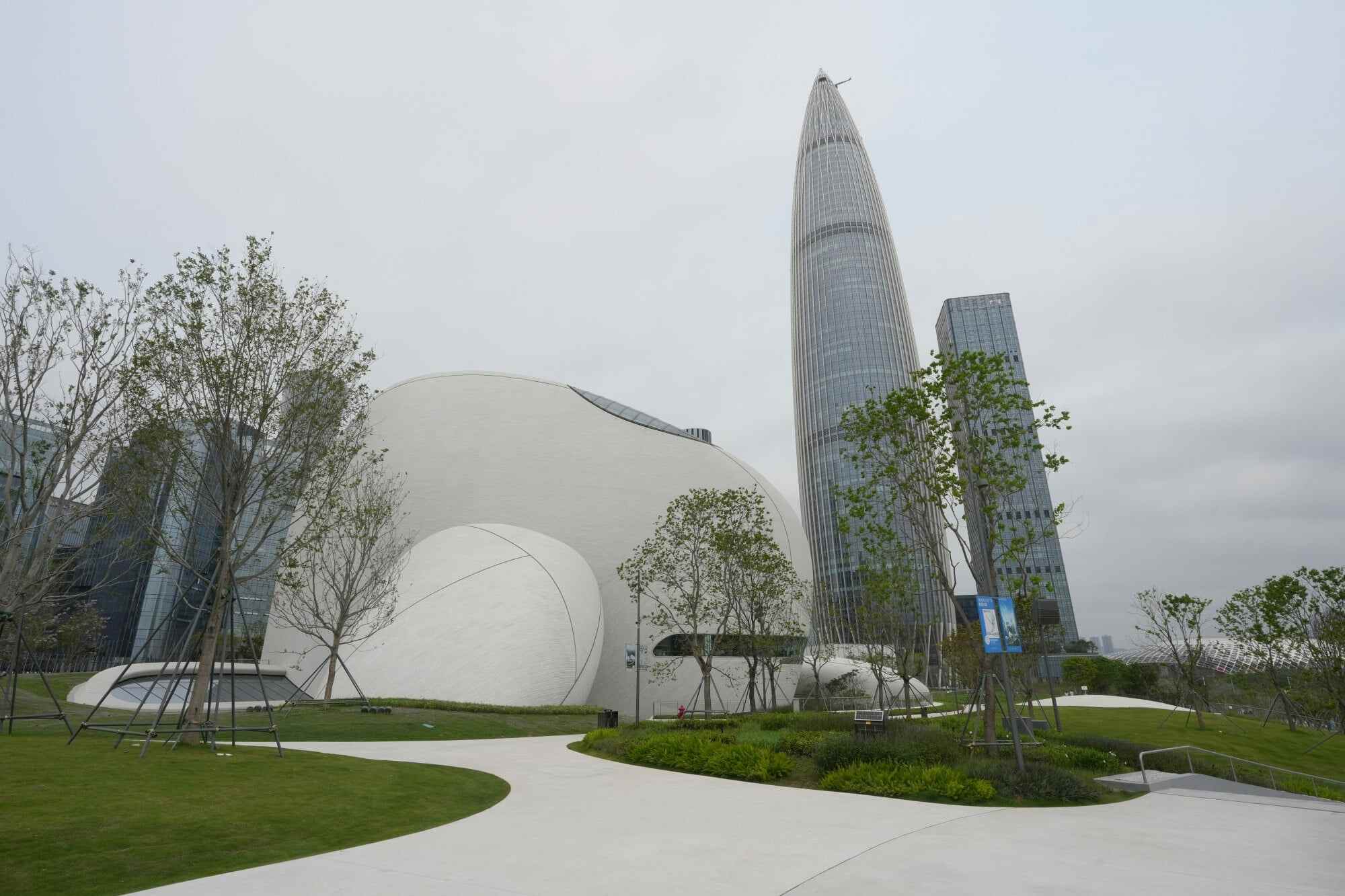
Shenzhen Bay Culture Square is a 20-minute walk from the Shenzhen Bay border checkpoint. It is a huge complex that combines indoor spaces with lush, green grounds.
The complex is part of a broader push by Shenzhen to expand its cultural infrastructure since 2018, with 10 major facilities planned across the city.
Experts warn that Hong Kong must leverage its international status and unique events to counter the mainland city’s booming, budget-friendly attractions.
In the first four days of Easter, Hongkongers made 2.12 million passenger trips out of the city, 14.3 per cent more than in the same period last year. Over the four days, mainland visitors made 411,972 passenger trips to Hong Kong, a 16.13 per cent increase.
Timothy Chui Ting-pong is the executive director of the Hong Kong Tourism Association. He explained why Hongkongers were drawn to Shenzhen.
“The two cities complement each other, like Tokyo and Yokohama in Japan,” he said. “In Hong Kong, pop concerts, New Year countdowns, Disneyland, and events like the Rugby Sevens at Kai Tak Sport Park will also be part of life for Shenzhen residents.”
With a population of 20 million, Shenzhen’s events tended to be more locally focused, Chui explained.
Meanwhile, Hong Kong has been positioned as a centre for international cultural exchange, and events must also cater to overseas visitors. This framing could prevent competition between the two cities, Chui said.
Staff writers
Question prompts
1. Which of the following statements are false, according to the information in News?
(1) Experts say that Hong Kong needs to work harder to maintain its competitiveness with mainland tourist destinations.
(2) Li and his family will not consider going to Shenzhen again after their recent visit.
(3) Many Hongkongers travel across the border during long holidays like Easter.
(4) Shenzhen residents do not find Hong Kong an appealing tourist attraction.
A. (1), (2) only
B. (1), (3) only
C. (2), (4) only
D. (3), (4) only
2. List TWO reasons Hongkongers are eager to visit Shenzhen during long holidays.
3. How do Hong Kong and Shenzhen “complement each other” according to Timothy Chui Ting-pong? Explain using News, Glossary and your own knowledge.
Photo
Question prompts
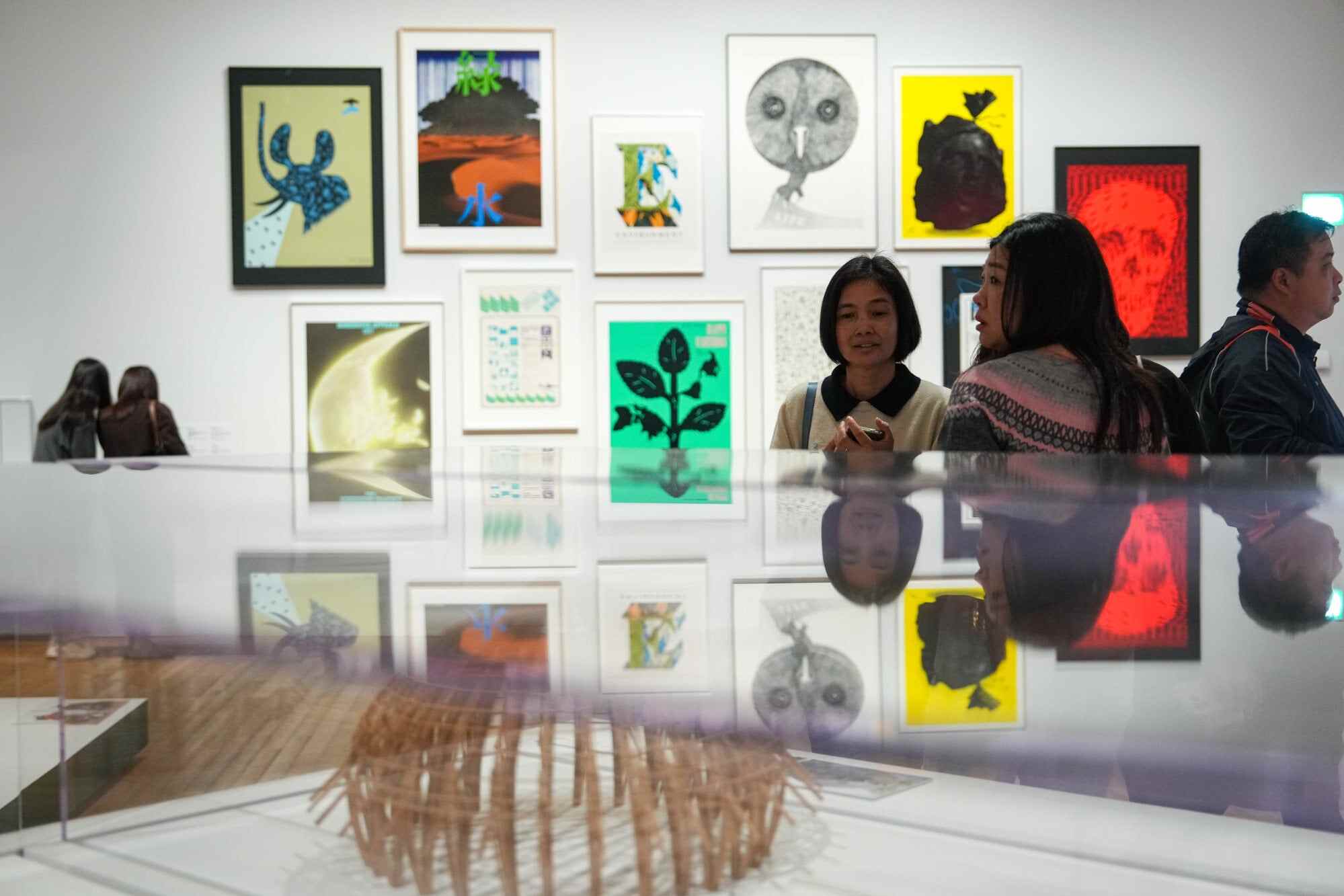
1. What is being shown in the picture, and how does it relate to the information in News? Why does a spot like this appeal to Hongkongers like Dominique Li?
2. Would you visit this new landmark in Shenzhen? Why or why not?
Issue: Can Hong Kong compete for visitors?
-
City has invested in new museums and event spaces to boost tourism
-
One expert says Hong Kong should work to attract high-spending visitors
As Shenzhen expands its cultural infrastructure, Hong Kong has also been investing in ways to boost tourism, with a mix of museums, performance venues and large-scale event spaces.
A focal point is the West Kowloon Cultural District, where the Hong Kong Palace Museum, which focuses on Chinese artefacts, opened in 2023. The contemporary art museum M+ opened in 2022. The WestK Performing Arts Centre is scheduled for completion this year.
Elsewhere, the East Kowloon Cultural Centre opened last September, offering a range of venues, while the 50,000-seat Kai Tak Stadium has hosted concerts by acts such as Blackpink and Coldplay since opening last year.
Plans are also underway for Hong Kong’s first private “Broadway-calibre” theatre in Central, led by developer Henderson Land.
But not all initiatives have maintained momentum.
The reopening of the border town of Sha Tau Kok in June 2022 drew an initial surge in visitors, with group numbers peaking at more than 61,000 in 2024 before falling to about 33,000 last year, according to government figures.
Walk in Hong Kong co-founder and chief executive Paul Chan Chi-yuen said the decline was understandable as the novelty of the restricted area wore off.
“It’s enough for many to visit once, not many will head back,” Chan said.
Simon Lee Siu-po, a finance lecturer at Hong Kong Shue Yan University, said Hong Kong should focus on attracting high-spending international visitors rather than just boosting tourist numbers.
“Hong Kong still has a competitive edge as an international city. There are not as many international flights to Shenzhen. It’s OK if a fraction of these visitors come via us to Shenzhen, but at least the majority are still coming to Hong Kong,” Lee said.
While offerings at institutions such as M+ and the Hong Kong Palace Museum were of high quality, many of their exhibits were borrowed, lowering the bar for other museums to catch up, he said.
Many exhibits at the Hong Kong Palace Museum are on rotation from its counterpart in Beijing, while overseas institutions such as the Palace of Versailles in France have also brought collections to the city.
Hong Kong could be at a disadvantage if Shenzhen and Macau upped their game, he warned, stressing the need for long-running attractions that encouraged visitors to stay and spend. It could also take decades to build up a strong base of local artists and industry practitioners.
“If we go down this route to differentiate ourselves [from counterparts in Shenzhen], the costs could be very high, as with all things in Hong Kong,” Lee said. He noted that mainland cities benefited from lower costs, while Macau received support from its casinos.
Staff writers
Question prompts
1. According to Issue, which major projects have been developed in Hong Kong since 2022 to boost tourism? How effective do you think they have been?
2. What specific challenges does Hong Kong face from neighbouring Shenzhen and Macau? Explain using News, Issue and your own knowledge.
3. According to Simon Lee, why is it problematic for Hong Kong to rely on “borrowed” exhibits from overseas institutions? What does he suggest the city focus on and why?
Illustration
Question prompts
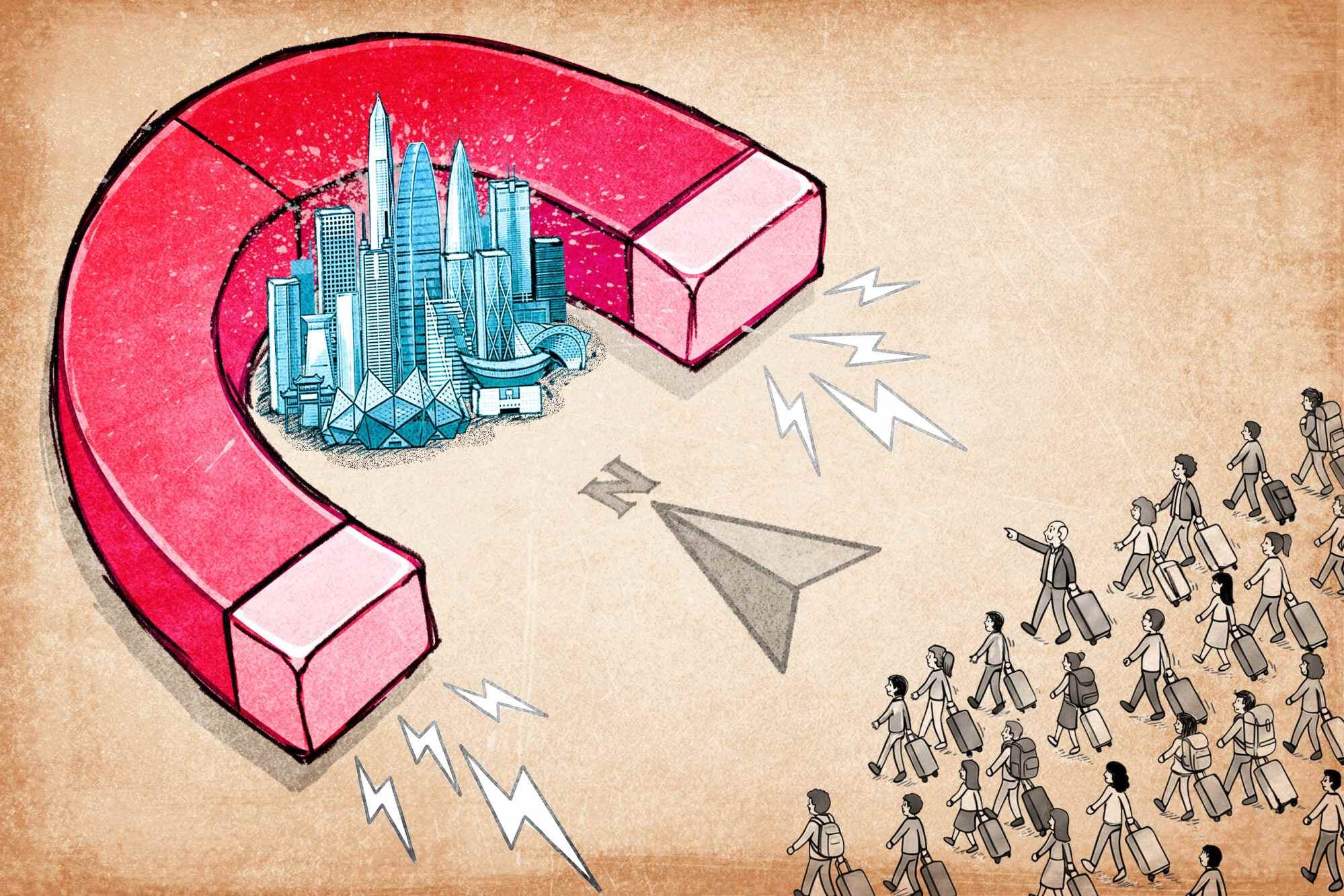
1. What does the magnet represent, and where is this crowd coming from?
2. How does this illustration represent the shift in Hongkongers’ spending habits?
Glossary
-
Shenzhen Bay Culture Square: a 188,000-square-metre landmark in the Houhai area of Nanshan District that officially opened in late 2025. It acts as an open, seaside cultural hub integrating nine specialised galleries, an open-air theatre and commercial spaces.
-
cultural infrastructure: the physical facilities and organisational systems, such as theatres and galleries, that support a community’s artistic and social life
-
Broadway-calibre: possessing the elite level of talent, production quality, and professional standard typical of the famed top-tier New York City theatre
-
lowering the bar: reducing the standards of excellence or the level of difficulty required to achieve a specific goal
Sample answers
News
-
C
-
Hongkongers are drawn to Shenzhen because the city offers larger spaces and more variety in terms of consumption, ranging from high-end shopping to relaxed cafes. Additionally, the city’s attractions are often more budget-friendly and convenient to access, providing a sense of novelty with “new things opening” constantly.
-
Timothy Chui Ting-pong suggests the two cities function like Tokyo and Yokohama, where their different strengths create a symbiotic relationship rather than direct competition. Shenzhen focuses on “locally focused” amenities, newer infrastructure, and affordable leisure options that serve as a convenient getaway for Hongkongers. Meanwhile, Hong Kong leverages its international status to host global events such as the Rugby Sevens and major pop concerts that draw Shenzhen residents. This positioning allows Shenzhen to act as a hub for regional lifestyle and Hong Kong to serve as a centre for international cultural exchange, effectively balancing the needs of both populations. (Other possible answers are accepted)
Photo
-
The Shenzhen Bay Culture Square is an example of the broader initiative mentioned in News to expand Shenzhen’s cultural infrastructure through 10 major planned facilities. This landmark appeals to Hongkongers like Dominique Li because it addresses the physical and psychological need for “breathing room” that is often missing in Hong Kong’s dense shopping hubs. By offering a mix of vast green spaces, indoor complexes, and a variety of consumption levels, from high-end stores to relaxed cafes, it provides a versatile, “all-in-one” destination that feels like a legitimate vacation despite being only an hour away.
-
I would be keen to pay a visit to this landmark, primarily for the novelty and the “economical” luxury it offers. The appeal lies in the fact that it isn’t just another shopping mall; the combination of a cultural vibe with lush grounds offers a more holistic way to spend a holiday than the typical high-pressure consumerism found in areas such as Causeway Bay. Given its proximity to the border and the promise of constant new openings, it represents a low-effort, high-reward escape for anyone looking to swap urban congestion for a more modern, relaxed atmosphere. (Other possible answers are accepted)
Issue
-
Since 2022, Hong Kong has rapidly expanded its cultural and tourism footprint through the opening of major venues such as the contemporary art museum M+, the Hong Kong Palace Museum, and the East Kowloon Cultural Centre. Additionally, the 50,000-seat Kai Tak Stadium has become a significant asset for large-scale entertainment, hosting global acts like Blackpink and Coldplay. While these projects have successfully positioned the city as a cultural hub, their effectiveness appears varied. For instance, while high-profile concerts and world-class museums maintain a level of prestige, other initiatives like the reopening of Sha Tau Kok have seen a sharp decline in visitor numbers, dropping from 61,000 to 33,000, suggesting that “novelty” attractions may struggle with long-term sustainability compared to permanent cultural institutions.
-
Hong Kong faces competition from neighbouring cities that leverage structural advantages the SAR is hard-pressed to replicate. Shenzhen poses a threat through its booming infrastructure and significantly lower operating and consumption costs, which naturally draw budget-conscious visitors and even locals away from Hong Kong. Meanwhile, Macau benefits from a unique financial ecosystem supported by its casino industry, allowing it to fund major attractions and hospitality experiences with ease. The core issue for Hong Kong is maintaining its “international” appeal while grappling with high land and labour costs, which makes it harder to compete on price or to quickly build the local talent base needed to differentiate its offerings from the mainland’s more locally focused, high-efficiency developments.
-
Simon Lee argues that relying on borrowed exhibits, such as those on rotation from Beijing or the Palace of Versailles, is problematic because it creates a “low bar” for competitors. If Hong Kong’s primary attractions are temporary or easily moved, neighbouring cities like Shenzhen can host similar collections, erasing Hong Kong’s unique edge. To counter this, Lee suggests that the city must focus on attracting high-spending international visitors rather than just chasing high tourist volume. He believes this is the most logical path because Hong Kong still maintains a superior network of international flights and a global status that Shenzhen lacks. By creating permanent, high-quality attractions that encourage long-term stays, Hong Kong can justify its higher costs and secure its position as a primary gateway for international cultural exchange.
Illustration
-
The magnet represents Shenzhen’s cultural attractions; The crowd comes from Hong Kong.
-
The illustration serves as a visual metaphor for the “northbound consumption” phenomenon, depicting an economic shift in which Shenzhen has become the primary centre of attraction for Hong Kong residents. The magnet represents powerful pull factors, such as significantly lower prices, expansive retail spaces, and a constant influx of new cultural landmarks, that contrast sharply with Hong Kong’s high-density, high-cost environment. This force draws a steady stream of “spending leakage” across the border, as evidenced by the crowd moving toward the mainland. By showing the crowd in transit, it highlights a structural change in habits where the border is no longer a barrier but a routine gateway to lifestyle experiences. Ultimately, it suggests that Hong Kong is losing its status as the sole shopping paradise for its own people, as residents increasingly favour Shenzhen’s booming, budget-friendly appeal.