Deep Dive delves into hot issues in Hong Kong and mainland China. Our easy-to-read articles provide context to grasp what’s happening, while our questions help you craft informed responses. Check sample answers at the end of the page.
News: Officials face questions about plans for Hong Kong’s new university town
-
Universities urge the government to clarify how much land they will get in the Northern Metropolis
-
Baptist University is considering moving its campus to the new academic town
In 2023, Hong Kong Chief Executive John Lee Ka-chiu proposed creating a university town in the Northern Metropolis megaproject. The aim was for Hong Kong’s tertiary institutions to collaborate with famous mainland and overseas universities. The project also hoped to help Hong Kong schools build partnerships with industry.
Now, nearly three years later, the higher education sector is still waiting for details about the 100-hectare academic hub. Some university leaders have urged faster planning amid uncertainties over land.
The proposed project has grown in size from 60 hectares in 2023 to the current 100 hectares. The expansion was prompted by calls from the community, the establishment of Hong Kong’s third medical school and the goal of turning the city into an international higher education hub, the government said.
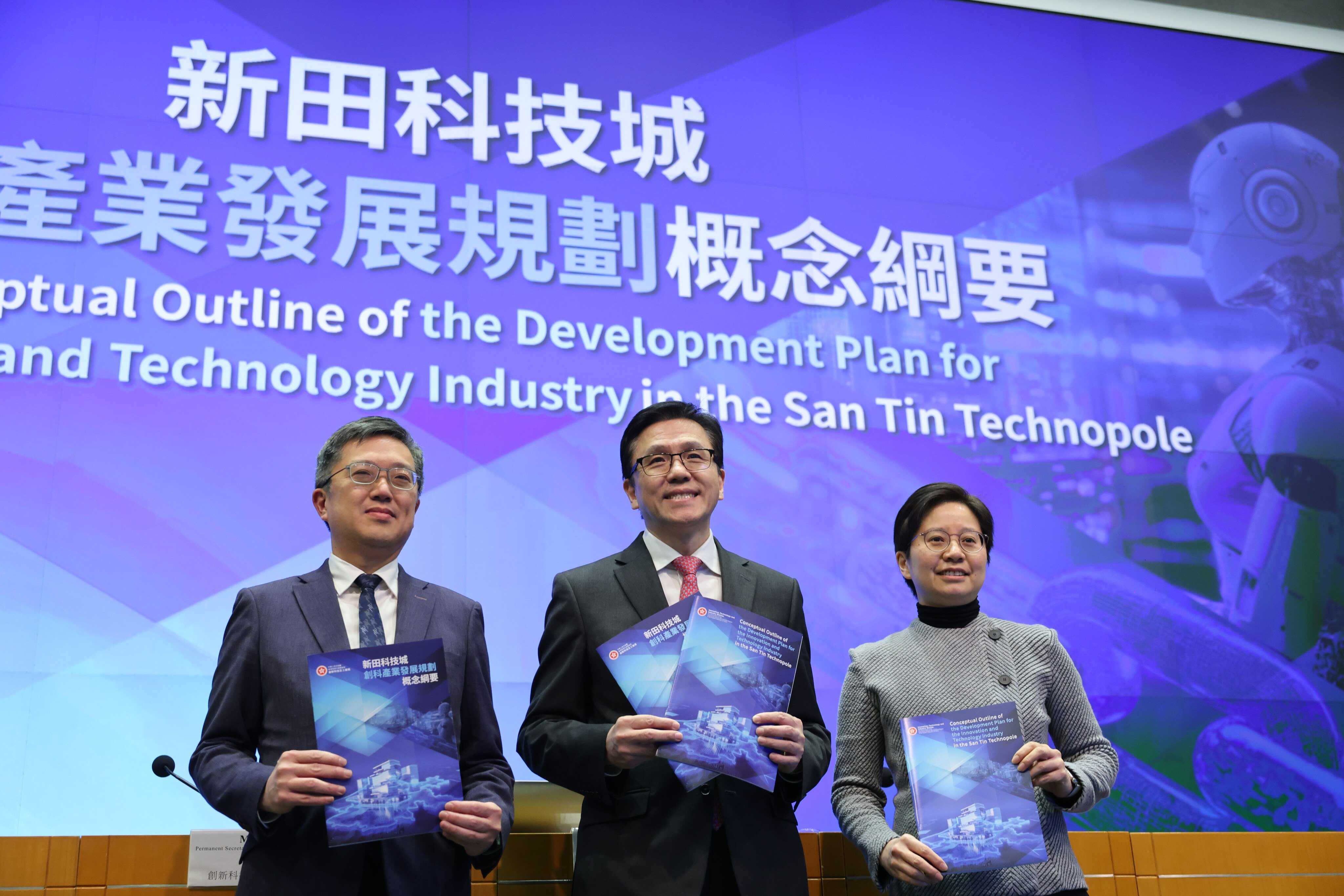
In the first half of this year, the government is set to unveil a “development conceptual framework” for the university town. The university town is a key part of the Northern Metropolis megaproject. This project aims to turn 30,000 hectares of land near the border into an engine for economic growth and a hub for housing.
In 2023, 19 local public and private institutions submitted proposals to the government to set up operations or build facilities there.
Some have proposed setting up satellite campuses to provide more academic and research space for developing innovative programmes. Others plan to promote vocational education involving cooperation with industries and integration of science and education. Some want to set up shared facilities, such as animal centres, data centres, student hostels, sports facilities and libraries.
Baptist University placed a big bet when it told the government in 2023 that it was interested in moving its campus from the upmarket Kowloon Tong area to the new academic town near the mainland Chinese border.
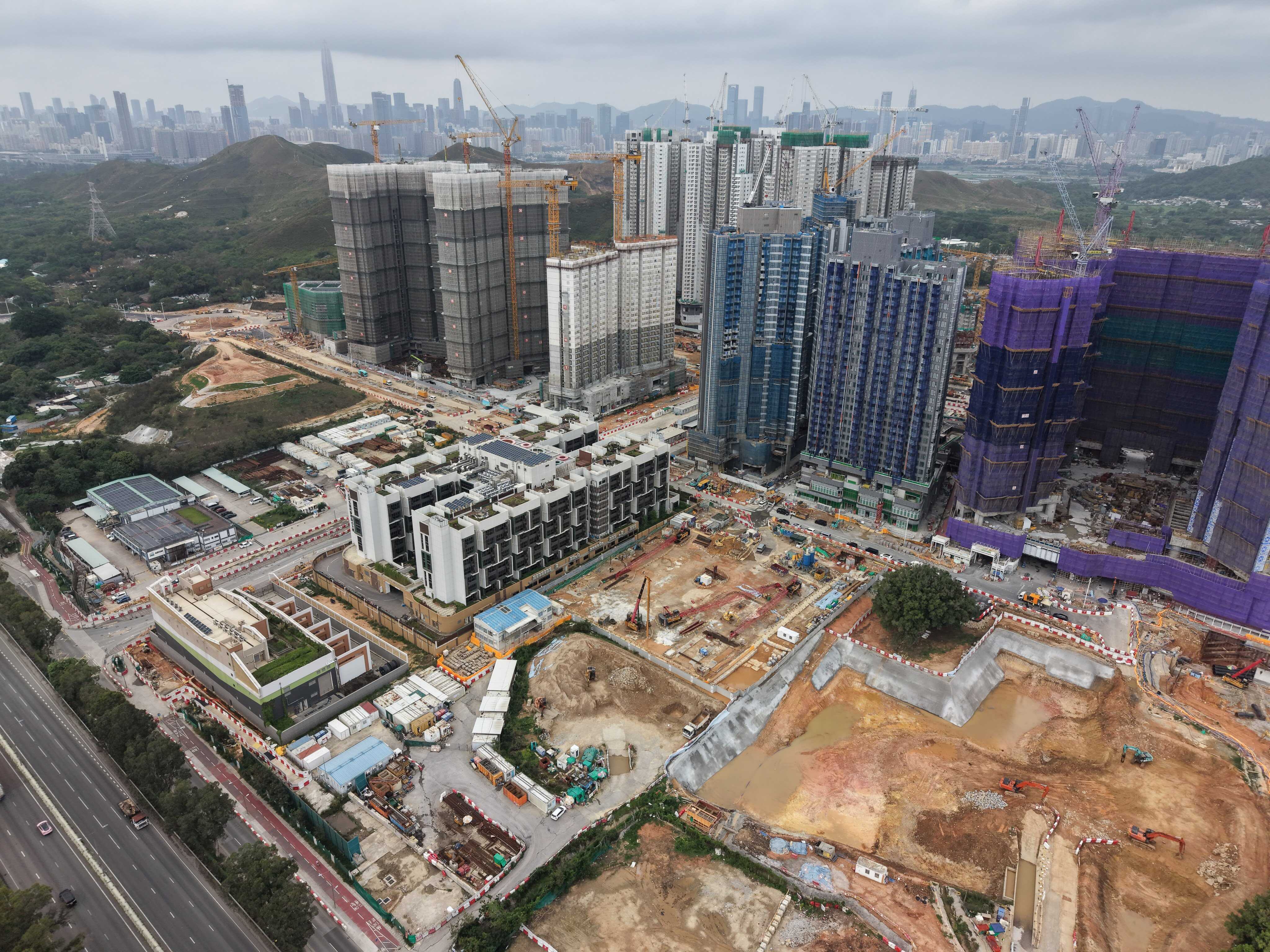
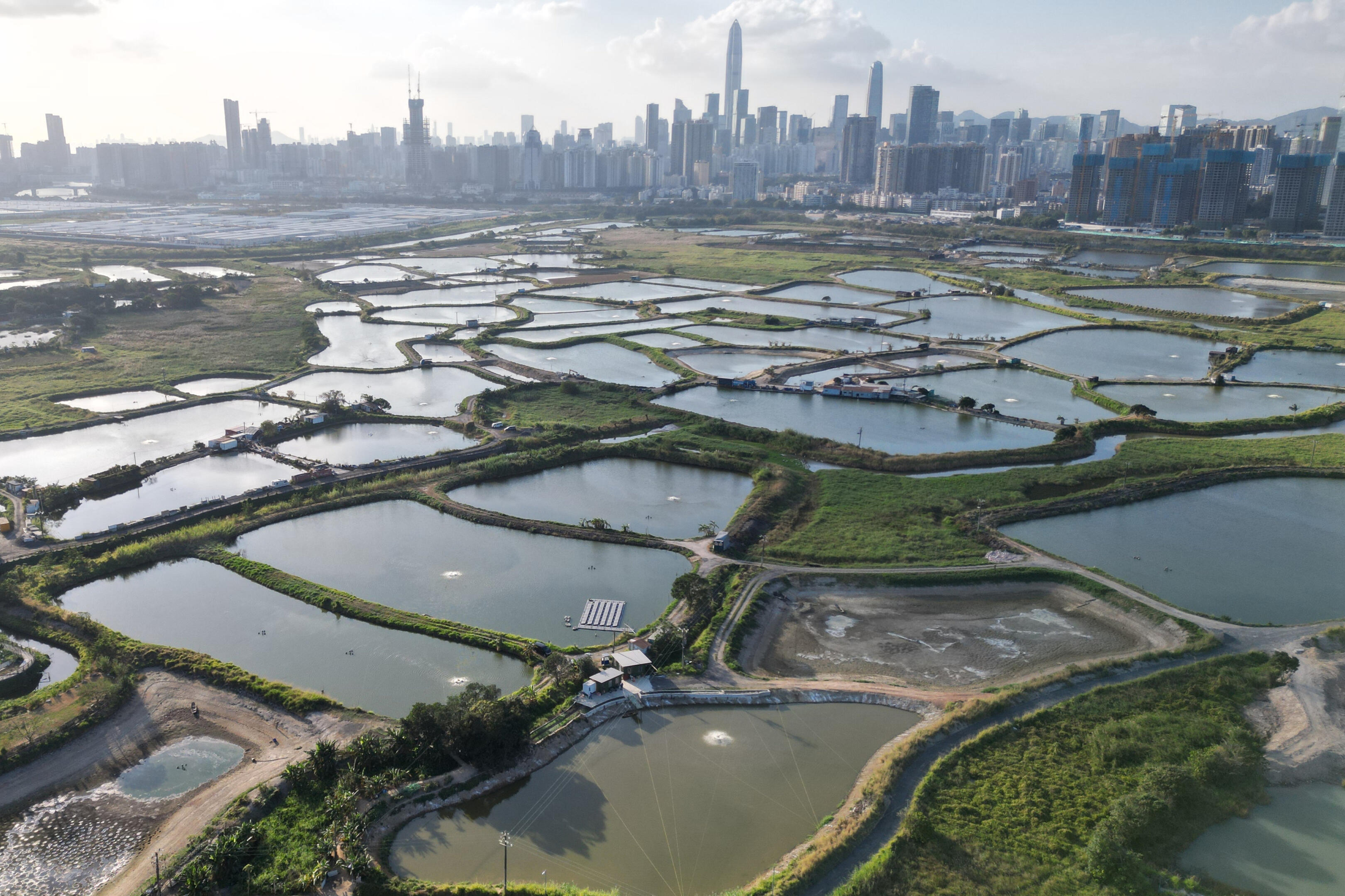
The university’s move to the Northern Metropolis will mean giving up a prime site for a spot where most of the land has yet to be prepared for construction. But there are benefits to the university town’s closeness to mainland tech hub Shenzhen and the Lok Ma Chau Loop, which is partly earmarked for an innovation and technology park.
“The Northern Metropolis neighbours the most innovative city in mainland China, and while Hong Kong is developing innovation and technology, we can utilise the resources in the vicinity,” Baptist University president Alexander Wai Ping-kong said.
Staff writers
Question prompts
1. Which of the following statements is false, according to the information in News?
(1) Baptist University is thinking of moving part of its campus to the new university town.
(2) The new university town will consist of 100 hectares of land.
(3) Hong Kong’s third medical school will not be in the new academic town.
(4) The Northern Metropolis megaproject aims to boost economic growth.
A. (1), (2) only
B. (1), (3) only
C. (2), (4) only
D. (3), (4) only
2. List TWO plans that local institutions have for building facilities in the new university town.
Illustration

Question prompts
1. Based on information from News, which institution is the man pushing? What is he pushing it towards?
2. Name ONE benefit and ONE challenge that this school faces if this relocation is successful. Explain using News and your own knowledge.
Issue: How can Hong Kong learn from overseas education hubs?
-
A university leader stresses the need for a plan to foster partnerships with mainland or overseas institutions
-
An expert explains how Hong Kong’s university town can think comprehensively about its purpose
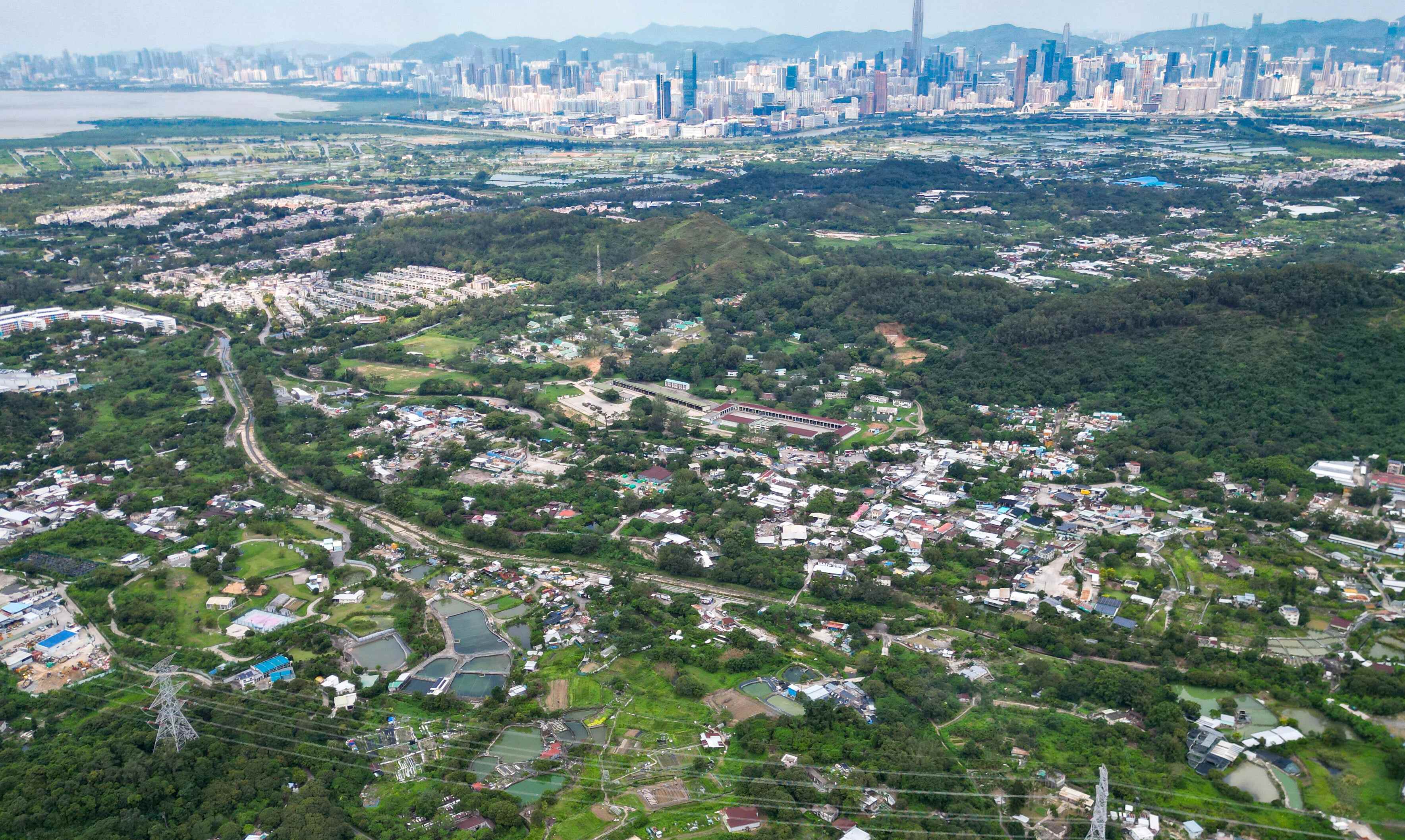
Hong Kong plans for its new university town to be spread over three sites. It will cover about 52 hectares in Ngau Tam Mei, 40 hectares in the New Territories North and nine hectares in Hung Shui Kiu and Ha Tsuen – these will be ready for use in 2026, 2028 and 2030, respectively.
Land has only been formally given to two institutions. Part of Ngau Tam Mei has been allocated for the city’s third medical school, which will be operated by Hong Kong University of Science and Technology. The Hong Kong Academy for Performing Arts has also been given land for a campus in the New Territories North New Town.
Baptist University president Alexander Wai Ping-kong described the progress of the university town as “too slow”, urging authorities to expedite planning, as uncertainty made it difficult to engage potential mainland and overseas partners.
“I need something concrete before holding discussions [with other institutions],” Wai said.
“Once I have negotiated with them, especially mainland universities, they will expect everything to progress quickly: funds will be secured, land will be allocated, and then they can come soon.”
Wai said the planned scale of the town was limited compared with mainland counterparts.
“The 100 hectares is to be shared by the universities; it is not a vast space,” Wai noted.
Victor Kwok Hoi-kit, a deputy research director at Our Hong Kong Foundation think tank, said that the planning for the university town could take reference from overseas examples such as Incheon Global Campus in South Korea and Education City in Doha, Qatar.
These education hubs successfully attracted overseas universities and allowed institutions to share some facilities and work with each other while interacting with local industries to drive economic growth, he said.
The 1,200-hectare Education City in Doha hosts campuses of seven foreign universities.
The South Korean campus covers about 30 hectares and plans to expand by another 11 hectares.
Kwok said Hong Kong’s universities should not regard the project simply as an expansion of their infrastructure.
“It would be a waste if no global institutions are involved and ... if there was no meaningful interaction between teaching, research and industry,” he said.
“The government should think comprehensively ... for the university town, and it should be equipped with business-related support. For example, there should be some accelerator or incubator programmes to help students turn their intellectual property into products or companies, so as to nurture Hong Kong’s own unicorns.”
Staff writers
Question prompts
1. List TWO institutions that have been given land in the new university town. Why do other institutions want to know if they will have space in this project?
2. Why did Victor Kwok say that Hong Kong’s universities should not regard the project simply as an expansion of their infrastructure?
3. What can Hong Kong learn from education hubs in other countries? How can the city better nurture its “unicorns”? Explain using News, Issue, Glossary and your own knowledge.
Map
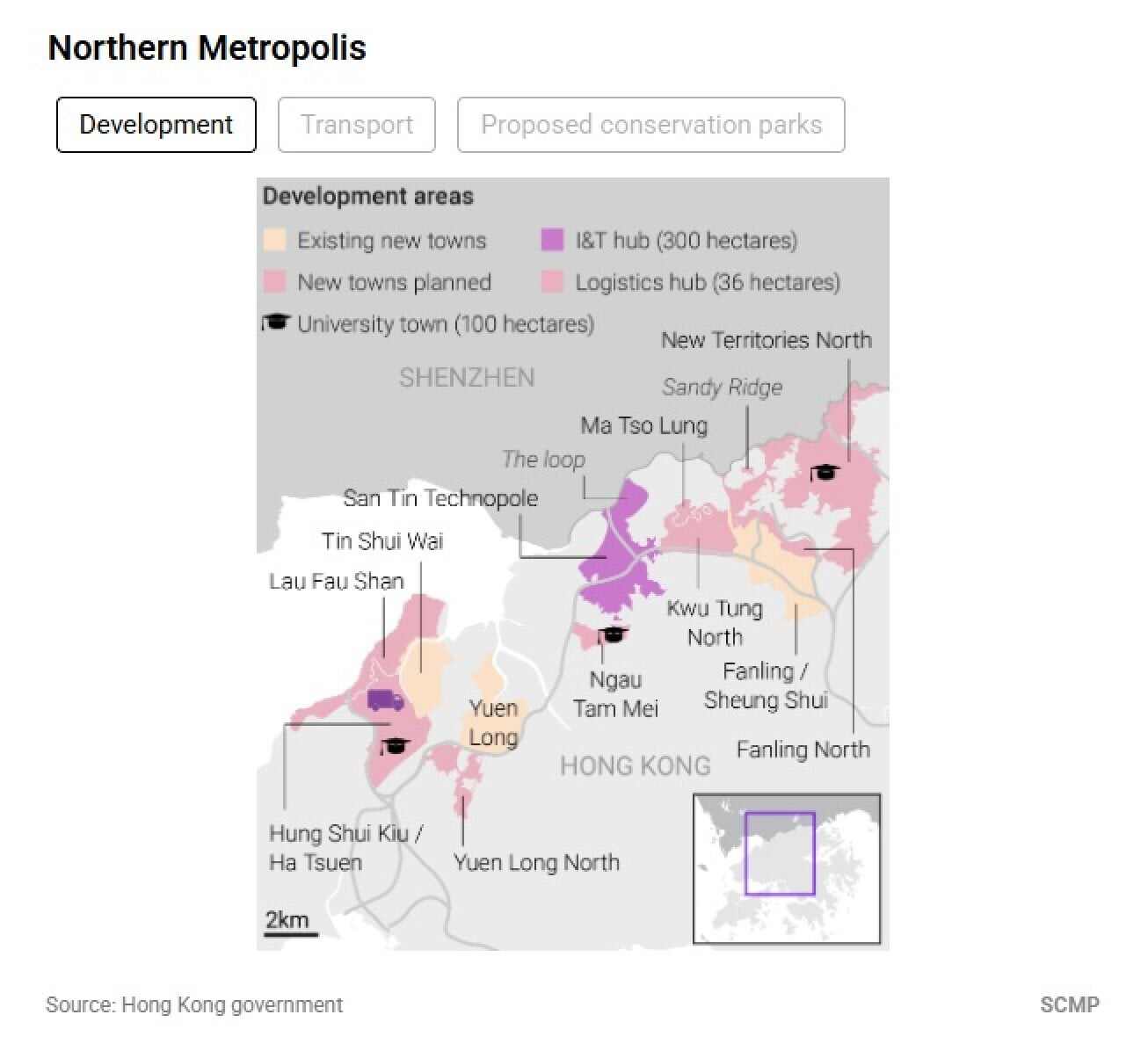
Question prompts:
1. What sites are part of the new university town in the Northern Metropolis megaproject?
2. To what extent do you support the city in establishing a new academic town near the border? Explain using News and Issue.
Glossary
-
university town: as part of the “Study in Hong Kong” brand proposed by the government to attract overseas talent, a new academic hub will be established near the city’s border with Shenzhen
-
satellite campuses: additional university facilities located physically apart from the main campus, often focusing on specific disciplines or regions
-
Lok Ma Chau Loop: 87 hectares designated for innovation and technology. It is being developed as a “special jurisdiction” to complement an adjacent 302-hectare site in Shenzhen.
-
Ngau Tam Mei: in the northeast of Yuen Long New Town, near the Northern Metropolis Innovation and Technology (I&T) hub. It is earmarked to be part of Hong Kong’s university town.
-
Incheon Global Campus: next to the Incheon Free Economic Zone near South Korea’s capital, Seoul. The institutions in the area cooperate with top biotech companies such as Samsung Biologics and Celltrion, providing graduates with a better chance of landing jobs in the industry. Three US universities and one from Belgium offer degree programmes there. It also hosts a smart city research centre by Stanford University.
-
unicorns: refers to start-up companies valued at over US$1 billion (HK$7.8 billion)
Sample answers
News:
-
B
-
setting up satellite campuses / setting up shared facilities, such as animal centres, data centres, student hostels, sports facilities and libraries / moving their campus / promoting vocational education that involves science or collaboration with industry (any two)
-
The Northern Metropolis aims to drive economic growth by providing the physical space for large-scale research, industry collaboration and cross-border synergy that was previously unavailable.
Part of the plan is a university town that can foster partnerships between academia and industry. If universities establish research facilities in this hub, they can easily partner with nearby innovative companies. These companies can also help the universities develop cutting-edge vocational programmes and science programmes.
Furthermore, with the project’s proximity to Shenzhen, mainland China’s premier tech hub, and the Lok Ma Chau Loop innovation park, this strategic location facilitates the direct flow of talent, research and resources across the border, allowing Hong Kong to integrate more closely with national development strategies.
Illustration:
-
Based on information from News, the man is pushing Baptist University to Hong Kong’s border with Shenzhen.
-
Benefits: Baptist University will be close to the most innovative city in mainland China, and students can easily access internships and other opportunities there. / Baptist University will be close to the Lok Ma Chau Loop, part of which will become an area for innovation and technology, and students will be able to access resources there. (any one)
Challenge: Baptist University will be losing its prime site in the upmarket Kowloon Tong area. / It will take some time before Baptist University can even begin building its campus in the Northern Metropolis. (any one)
Issue:
-
Land has been allocated to Hong Kong University of Science and Technology for a medical school and the Hong Kong Academy for Performing Arts for a campus. Other institutions are eager for concrete details because uncertainty hinders collaboration with mainland and overseas partners, which is central to the goal of turning Hong Kong into an international higher education hub. The Baptist University president noted that these partners typically expect fast progress once negotiations begin.
-
Kwok emphasised that the university town should not be viewed simply as an expansion of physical infrastructure because buildings alone do not generate innovation or economic growth. He argued that the project would be a wasted opportunity if it failed to involve global institutions or neglected to create a functional synergy between teaching, research and industry. In his view, the town must serve as a comprehensive ecosystem where academic work is intentionally linked to business support and industrial application, rather than just providing more floor space for local universities.
-
Hong Kong can learn significant lessons from international education hubs such as Incheon Global Campus in South Korea and Education City in Qatar. These hubs demonstrate the power of shared facilities and the importance of hosting a diverse range of foreign universities to create a global brand. Specifically, the Incheon model shows how a university town can act as a pipeline for industry by collaborating directly with major biotech firms, ensuring that the academic curriculum aligns with high-level employment needs.
To better nurture its own “unicorns”, start-ups valued at over US$1 billion, Hong Kong must move beyond traditional classroom settings and integrate business-related support directly into the university town. This involves establishing accelerator and incubator programmes that assist students in converting their intellectual property into commercial products. Furthermore, by utilising the megaproject’s proximity to the Lok Ma Chau Loop and its connection to the Shenzhen tech corridor, research conducted in the university town can hopefully be rapidly prototyped and scaled for larger markets. This integrated approach ensures that the university town acts as a launchpad for high-growth companies rather than just a site for academic study.
Map:
-
Hung Shui Kiu Ha Tsuen, New Territories North and Ngau Tam Mei
-
I support establishing a new academic town near the border because it positions Hong Kong as a global education hub and fosters regional innovation. By locating 19 institutions near Shenzhen and the Lok Ma Chau Loop, the project enables science and education integration and cost-effective resource sharing of facilities like data centres. It further drives economic growth by using business incubators to help students turn intellectual property into “unicorns”. / I am hesitant to support this project because the execution progress has been too slow, creating uncertainty that prevents the formalisation of partnerships with overseas and mainland institutions. Furthermore, while the site has expanded to 100 hectares, it remains “limited” compared to overseas education hubs, like Doha’s 1,200-hectare Education City. Ultimately, the project’s success depends on the government moving to the next stage of the process, providing the details that are required to secure international confidence. (answers may vary)