Content provided by British Council
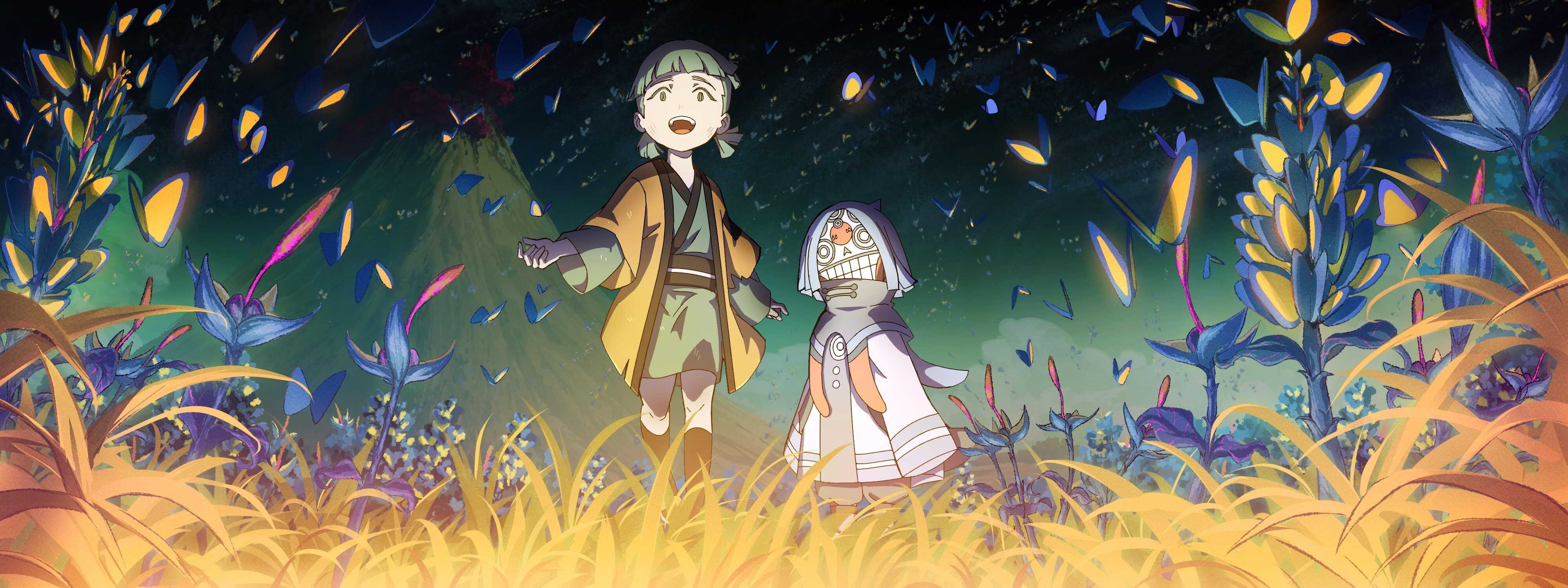
[1] As a teenager struggling to fit into life in rural Sicily, in Italy, psychiatrist Francesco Panto found refuge in anime, where he discovered characters that resembled the kind of man he wanted to be. Now living in Japan, Panto thinks anime can benefit others and is testing whether it could be used as a method of therapy, particularly for people who would otherwise struggle to ask for help.
[2] “The use of manga and anime supported me so much ... They were very important emotional support kind of tools,” Panto said. “Being raised in Italy, in Sicily, there were very strong stereotypes around gender or self-expression. But when I was 12 or 13 years old, I started to play this game called Final Fantasy ... and the male protagonists resonated with me. They were so masculine and cool, but in their own way.”
[3] Panto’s six-month pilot study into “character-based counselling” at Yokohama City University ended in March. As part of the trial, he and his team recruited 20 people aged 18 to 29 who had symptoms of depression and gave them online counselling delivered by a psychologist who appeared on the screen as an anime avatar with a digitally altered voice.
[4] He believes that the “filter of fantasy” can help put people at ease and aid recognition of their problems. From a steady “maternal energy” figure to an emotionally perceptive “prince-like” male, six different characters were created for the study. Each is based on a particular archetype in Japanese manga, with trial participants given freedom to choose. The psychologists tell the stories of their characters at the start of the sessions. “I tried to infuse each character with a specific mental struggle,” Panto said. But the idea is for the avatars to be “fun”.
[5] One 24-year-old participant said they were drawn to a character “searching for true strength”. That “made me feel like it might help me get closer to the answer to my own problems”, the participant said. The phase-one trial is to test whether anime therapy is feasible and if it can reduce symptoms of depression. Panto is also considering whether the therapy could be delivered using artificial intelligence.
[6] The research is one of many trying to address mental health issues in Japan, where there is still stigma attached to seeking help. “There are many young people who cannot go to school or continue working ... Our scope is to give them new choices,” said Mio Ishii, an assistant professor helping lead the project.
[7] As of 2022, only six per cent of people in Japan had used psychological counselling, while the rate was much higher in Europe and the United States. Jesus Maya, who specialises in family therapy at the University of Seville and is not involved in the trial, said the use of anime during sessions could be useful. “It can facilitate the expression of emotions ... and communication between the patient and the therapist,” he said.
[8] Ishii hopes the therapy can help people of all ages across the world. “Because usually people have stigmas and psychological barriers to ask for help about their mental health,” she said. “But anime or technology can decrease them.”
Source: Agence France-Presse, May 22