Every week, Talking Points gives you a worksheet to practise your reading comprehension with exercises about the story we’ve written.
Once considered merely a garnish, coriander is experiencing a surprising rise in popularity. Thanks to viral trends on social media, this unassuming herb is now being used in dishes like ice cream and egg tarts.
Kathy Ng Yiu-fan, a senior nutritionist at Kat-Spirit Nutrition Centre in Hong Kong, noted that this interest stems from locals becoming more health-conscious and eager to experiment with new flavours.
“The herb’s rise reflects a broader shift in Hong Kong’s dynamic food culture towards adventurous, experience-driven dining,” she said.
A guide to common Chinese herbs
In Hong Kong, fresh coriander is commonly used alongside spring onions, Chinese celery and garlic chives. Each of these herbs has a distinct flavour and role in recipes. Coriander has a sharp, citrusy and pungent taste. It is often added at the end of cooking, for instance, on steamed fish. Also, it is frequently used in dipping sauces for hotpot.
Ng said: “This helps make greasy or strongly flavoured dishes taste lighter and fresher.”
Spring onions have a light onion flavour that is slightly sweet. They are often combined with garlic and ginger and are commonly used in stir fries and dipping sauces.
Chinese celery has a strong aroma and a spicy, bitter taste. It is tougher and more fragrant than Western celery. Unlike Western celery, it is usually not eaten raw; it is typically stir-fried with meat or cooked in soups.
Garlic chives have a strong flavour and are often cooked on their own.

Coriander’s health benefits
According to Ng, coriander aids in digestion by helping the stomach process food. It may also help to balance blood sugar levels and protect the heart by lowering blood pressure and reducing bad cholesterol.
Additionally, coriander contains antioxidants that support brain health and protect the skin from sun damage. For optimal nutritional benefits, it’s best to consume the leaves raw or to stir them in just before serving, as high heat can destroy their benefits.
Ng added: “To help your body absorb fat-soluble nutrients like beta-carotene, eat the leaves with healthy fats such as olive oil or avocado.”
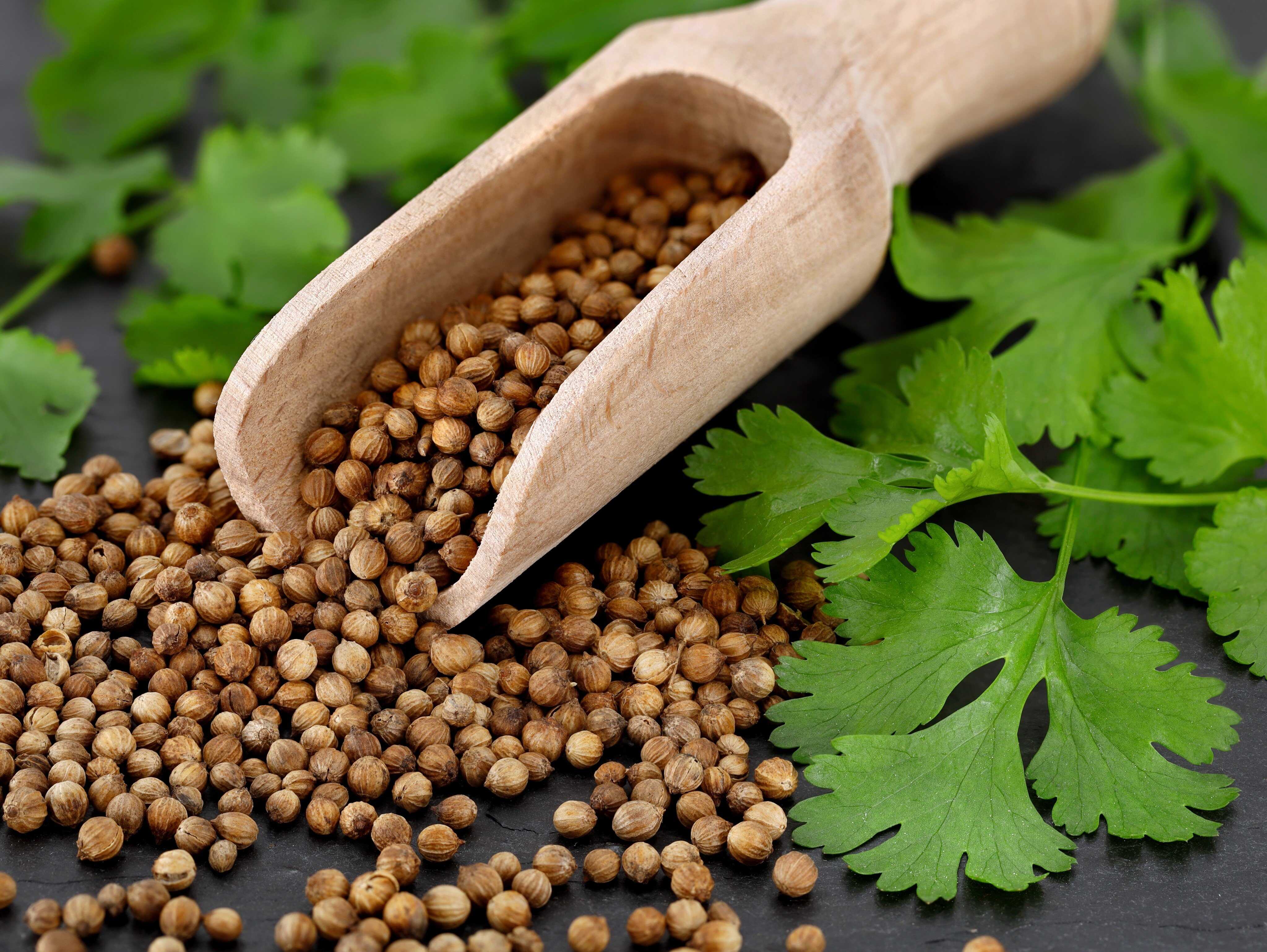
Coriander seeds can be crushed and lightly toasted. Drinking them steeped in hot water can also help soothe stomach cramps and support digestion.
But Ng pointed out: “Even though coriander is packed with healthy nutrients and antioxidants, adding a tiny sprinkle of it to a Portuguese egg tart doesn’t make the dessert healthy.”
The butter, white flour and sugar outweigh the herb’s benefits.
“A better option is to make your own coriander-infused breakfast,” Ng said.
“Here is a recipe that is a quick, savoury upgrade to the classic local cafe egg sandwich. It gives you protein to power through your study sessions while the fresh coriander cuts through the richness of the eggs.”
Cha chaan teng-style coriander scrambled egg toast
Ingredients (makes four portions)
-
1 bunch of fresh coriander
-
2 large eggs
-
2 slices of toasted whole wheat bread
-
1 teaspoon of light soy sauce
-
a dash of sesame oil
Directions
-
Wash and chop the coriander leaves and stems into small pieces.
-
In a bowl or mug, whisk together the eggs, light soy sauce and chopped coriander.
-
Put sesame oil in a small pan on medium heat. Pour in your mixture and gently scramble for 60 to 90 seconds, until it is no longer runny.
-
Put the warm scrambled eggs between two slices of bread. Cut the sandwich in half and enjoy.