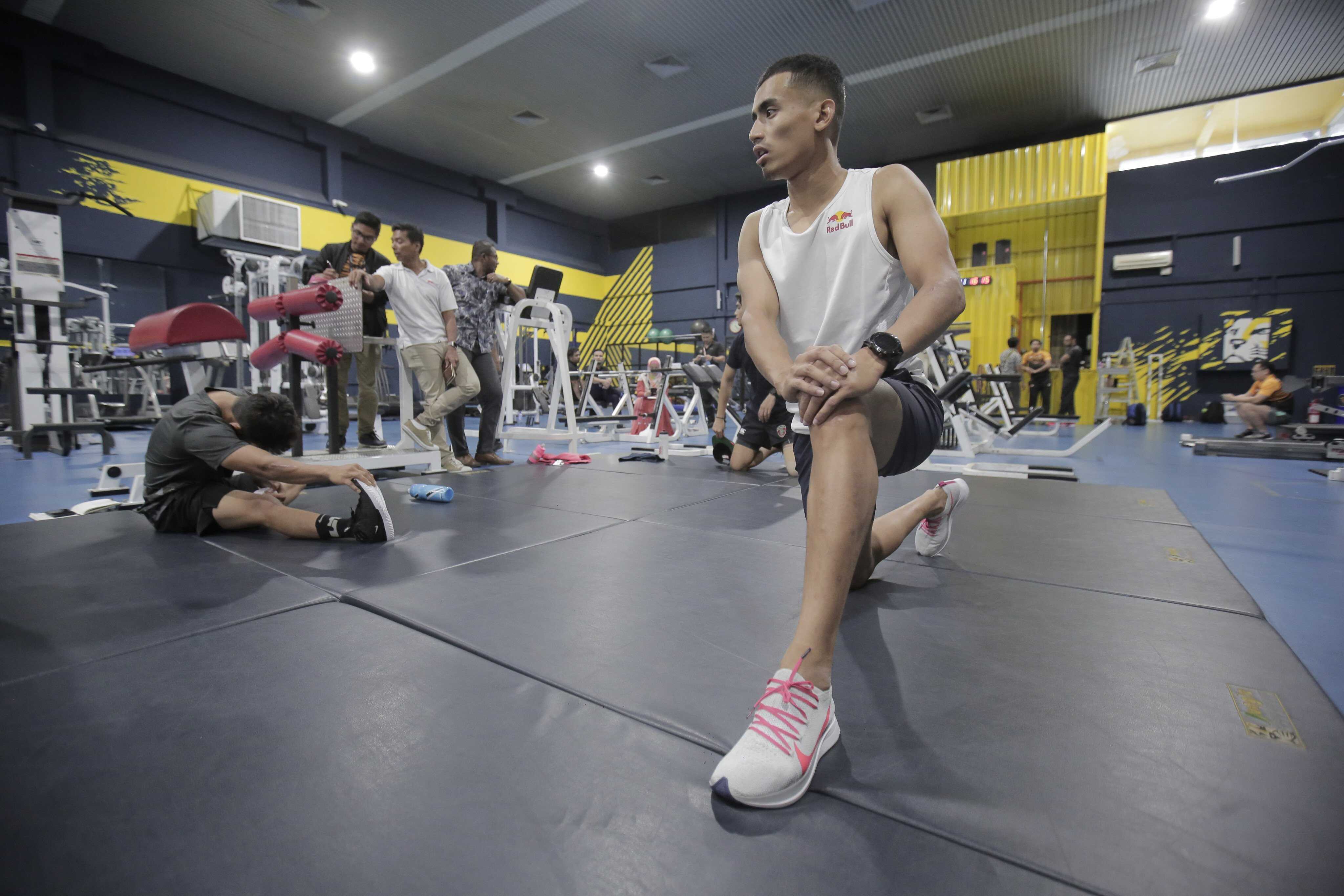
Malaysia has cut operating licence fees for gyms in Kuala Lumpur by 80 per cent, offering fitness operators a regulatory discount as the government tries to push residents in one of Southeast Asia’s heaviest countries to exercise more.
The move comes as Malaysia grapples with some of the region’s highest obesity rates – a problem health officials say is especially pronounced in sedentary urban centres such as the capital.
Under the new Kuala Lumpur rate, gyms now pay 10 Malaysian ringgit (about HK$19.7 or US$2.5) per square metre, down from 50 ringgit.
Federal Territories Minister Hannah Yeoh said operators who previously paid about 5,000 ringgit (HK$9,832.8) a year would now pay about 1,000 ringgit.
“Previously, gym operators paid about 5,000 ringgit annually in licence fees. Now, they only need to pay 1,000 ringgit. This is a reduction of 80 per cent,” she said at a press conference at City Hall.
The government has framed the move as part of a broader push to address rising rates of chronic disease in urban areas. Malaysia’s most recent nationally representative nutrition survey, NHMS 2024, put adult obesity at 23.1 per cent, with 30.5 per cent of adults overweight and 52.1 per cent with abdominal obesity.

Comparisons show Malaysia carrying a heavier burden than its regional peers. According to Global Nutrition Report estimates, 20.9 per cent of Malaysian women and 15.9 per cent of men live with obesity – higher than Thailand (15.7 per cent of women; 9.3 per cent of men) and far above Singapore (6.9 per cent; 6.7 per cent) and Vietnam (3.3 per cent; 2.2 per cent).
While the licence fee cut aims to make exercise more accessible, Yeoh has been careful not to promise cheaper memberships.
“We cannot tell them it is a must to give discounts, but we encourage them. Forcing gym operators to bring down prices will not work,” she said, floating off-peak discounts between 6am and 8am and 5pm and 7pm, and special rates for the elderly.
Operators say the licence cut helps, but it is not the biggest item on their balance sheets.
Gymnasium Entrepreneurs Association Malaysia president K Krishnakumar said the reduction typically affected “about 10 to 20 per cent” of total operating costs, while “the biggest costs” remained rent, electricity and utilities, staff wages and equipment maintenance.
“So the reduction still gives some breathing room,” he explained, but added it did not mean “a sudden flood” of new gyms. “There are many unlicensed gyms in the city due to the high fees. We hope that with this reduction, more operators will apply for proper licences.”
Krishnakumar also pushed back against the idea that Kuala Lumpur gyms had been uniformly priced out of reach.