South Korea builds fast. Its pali-pali – or hurry, hurry – spirit turned a war-ravaged nation into an industrial titan in a single generation. But that same spirit is also killing factory workers, safety experts say.
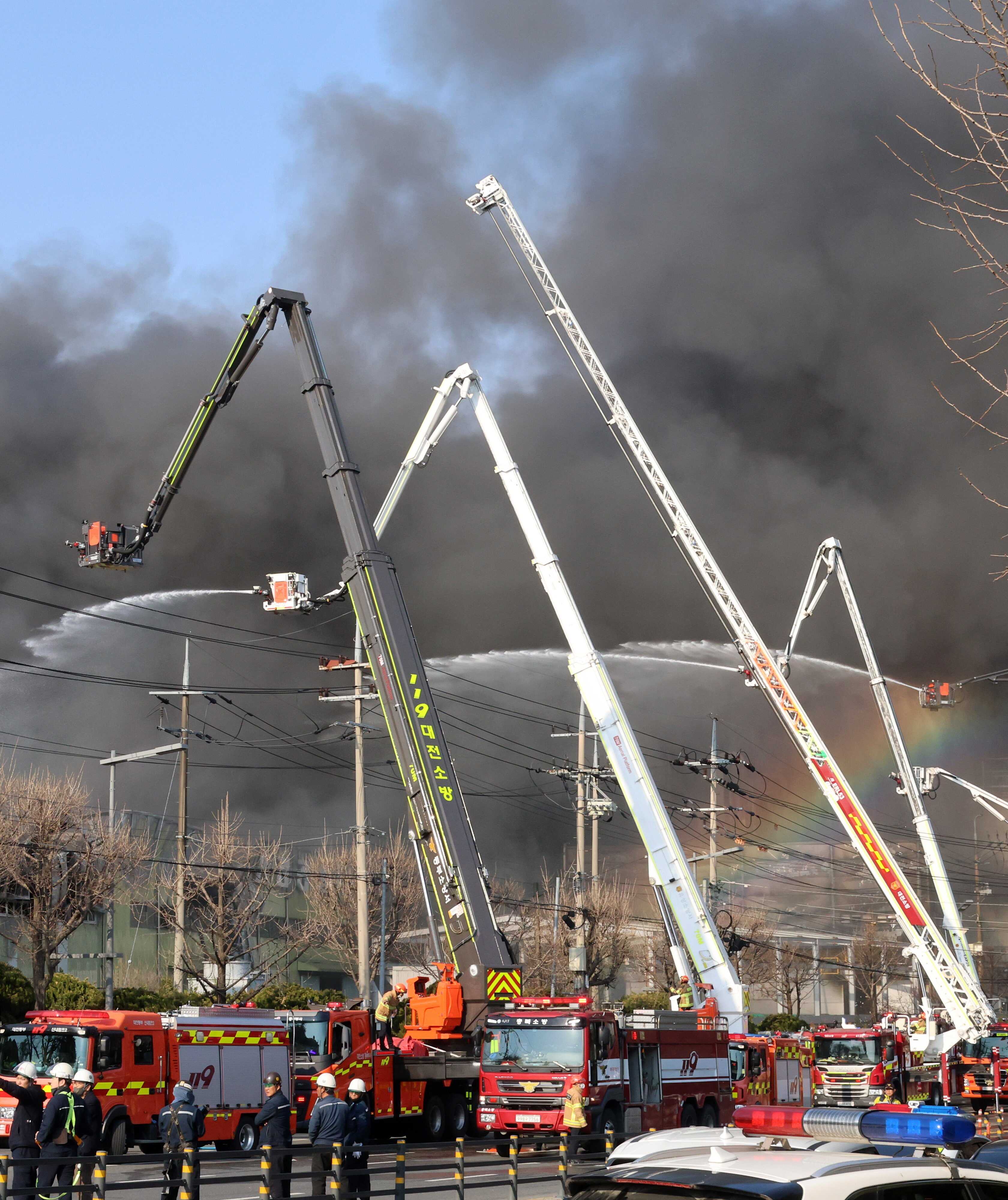
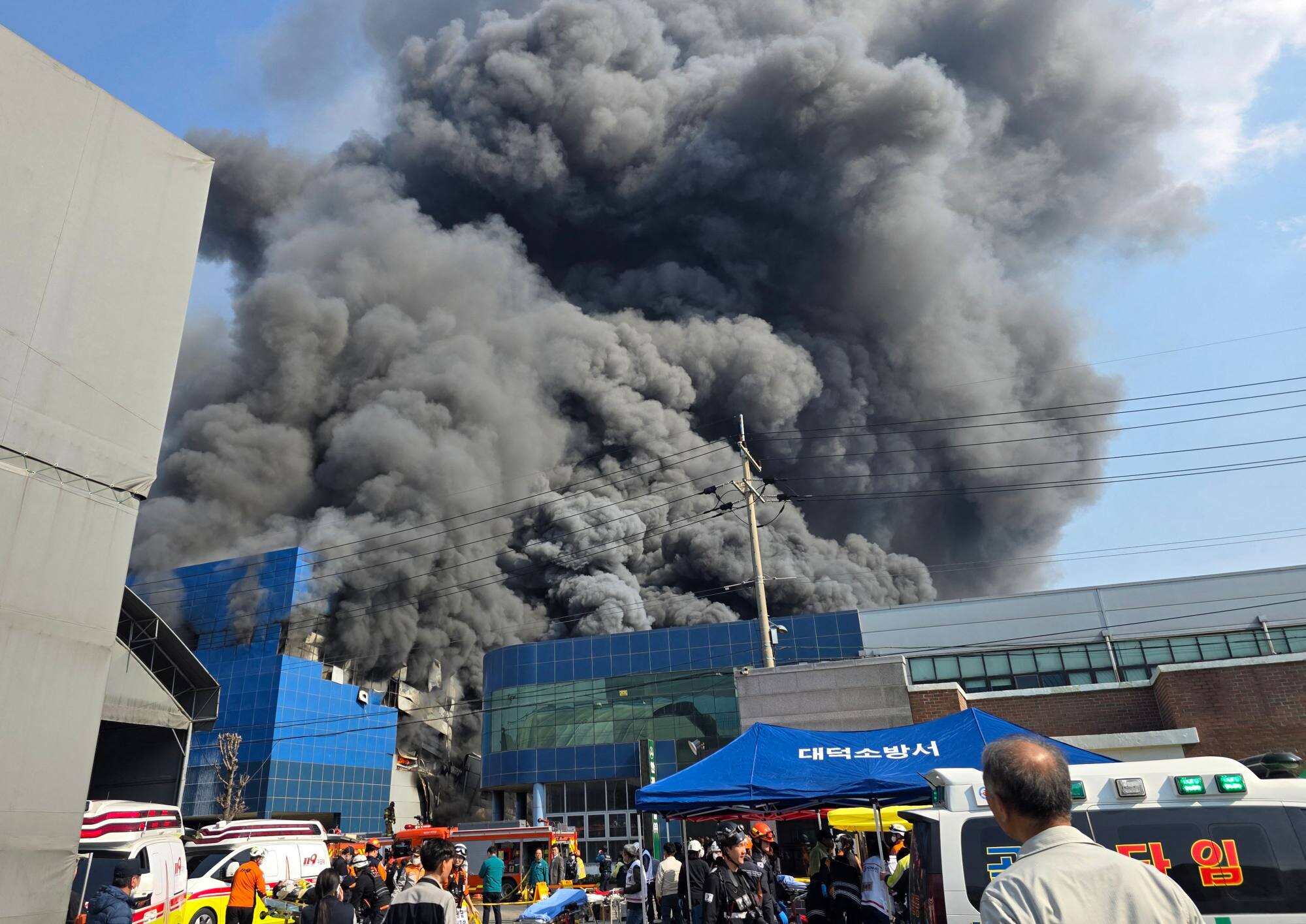
Those deadly consequences were on full display in a fire two weeks ago at Anjun Industrial, a car parts supplier in the city of Daejeon.
The warning signs were impossible to miss. Thick oil vapour had coated the lenses of workers’ glasses with a greasy film. Grease caked the ceilings, pipes and machinery. Repeated pleas for ventilation improvements were met with silence.
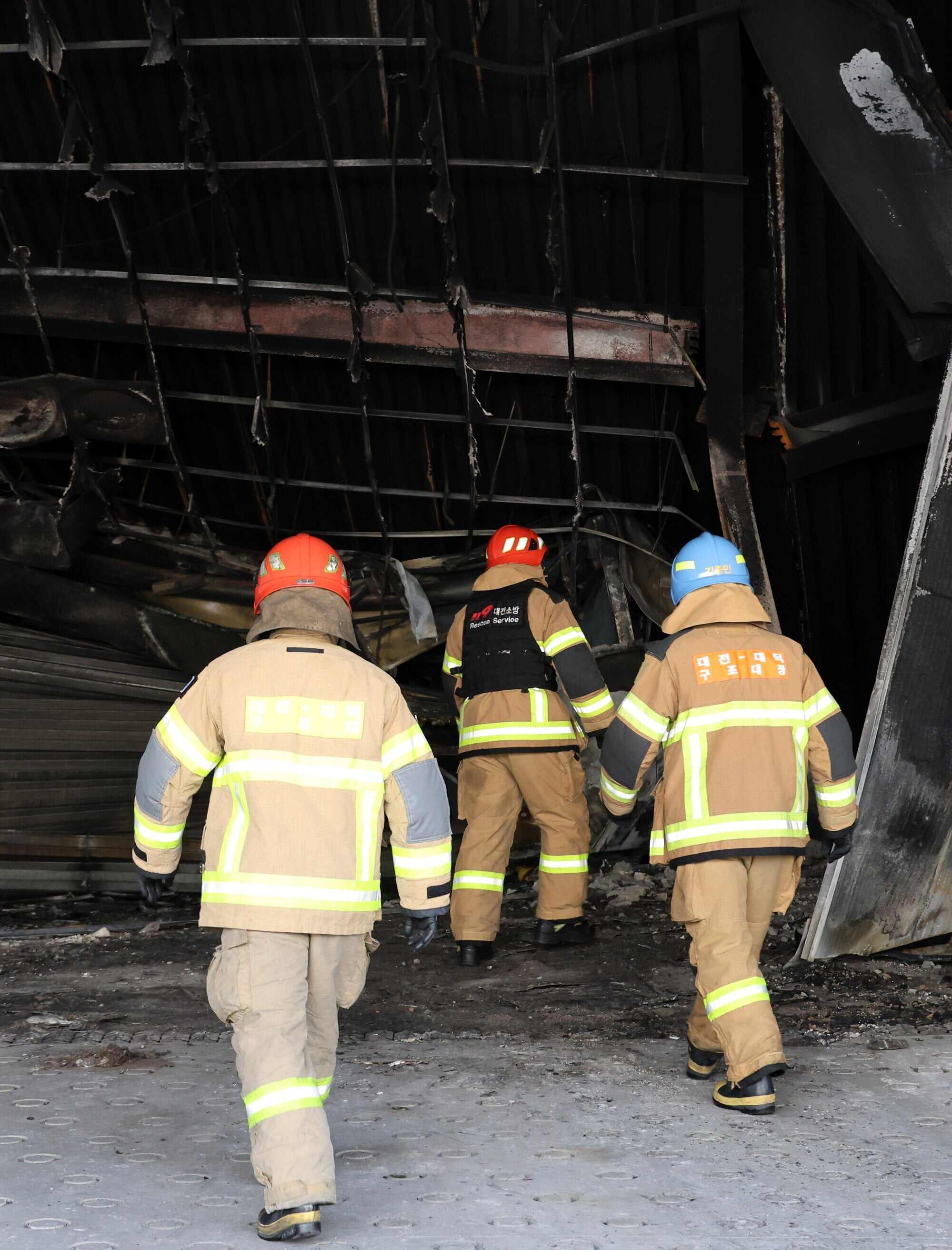
The fire on March 20 killed 14 people. Nine of them died in a single room that should not have existed.
That room – an illegally constructed rest area built by splitting a single-storey space into two levels – appeared on no official blueprints. Its one small side window offered no escape from the toxic gases that filled it.
It was a death trap hiding in plain sight.
Investigators and safety experts told reporters it was the product of makeshift expansions carried out in 2010, 2011 and 2014 that authorities never properly addressed.
“I suspect this is another man-made disaster,” said Professor Lee Ji-soo, a researcher at Kyungil University’s Department of Fire Safety. Lee cited a cascade of compounding failures from illegal auxiliary structures to hazardous materials and blocked escape routes.
What caused the fire has not been confirmed. Police are investigating machine overheating, electrical faults and chemical mishandling as possible ignition points.
But what fuelled it is obvious. Grease had accumulated across ceilings and surfaces throughout the factory, which used large quantities of cutting fluid.
Adding to the risk factors was the presence of metallic sodium stored near the ignition point.
The material can explode on contact with water. It had to be moved to a safe distance before hosepipes could be turned on, forcing firefighters to abandon conventional suppression tactics for nearly two hours.
Union officials say they saw the tragedy coming.
“We raised concerns about oil vapour accumulation and grease build-up, urging proper inspection and cleaning of dust collection facilities,” said Hwang Byeong-geun, the company’s trade union leader.
Workers echoed those concerns on the anonymous app Blind.
“Although we repeatedly called for ventilation and equipment improvements, no serious action was taken due to cost concerns,” a former employee wrote, describing lenses fogged by oil at the end of every shift.
Several smaller fires had reportedly broken out at the factory in recent years.
“I suspect this is a case where people’s safety was sacrificed for increased profits,” said Professor Kong Ha-sung of Woosuk University’s Department of Fire and Disaster Prevention.