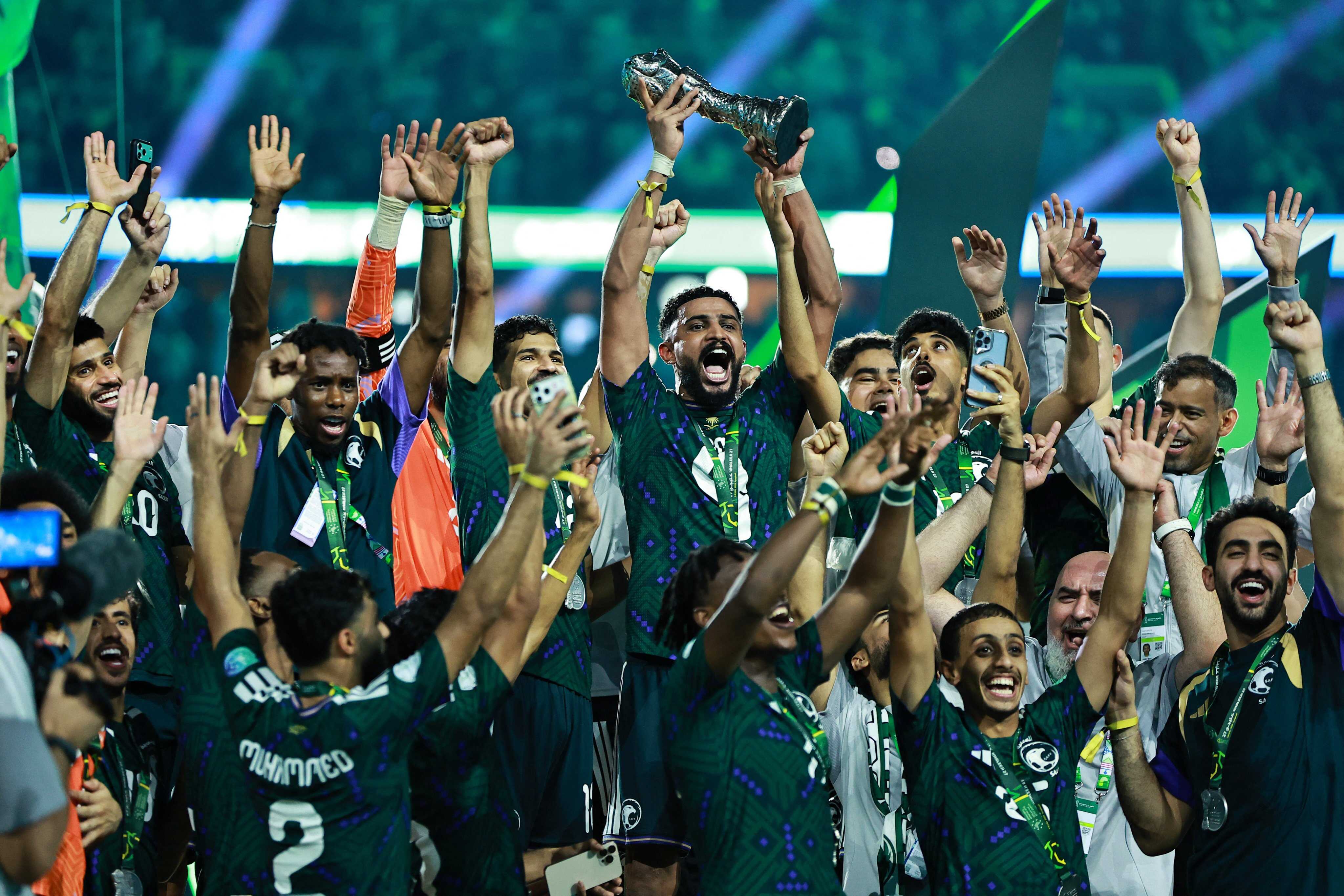
When 60,000 football fans gathered in Jeddah for the Arabian Gulf Cup earlier this month, they also inadvertently highlighted another issue: the vulnerability of major sports events hosted by Gulf monarchies to the ongoing wars in the region.
Although the two-week football tournament proceeded as scheduled, persistent risks were underscored when a Houthi air strike on Riyadh’s international airport resulted in three fatalities on October 9.
Following this, there was a significant escalation in the Yemen war, with Riyadh continuing its military support for the internationally recognised government against the Iran-backed Houthis.
Analysts warn that the threats posed by the Houthis and Iranian air strikes against Gulf Cooperation Council (GCC) states – Saudi Arabia, the United Arab Emirates, Qatar, Bahrain, Kuwait and Oman – could have negative implications for the region’s ambitious sporting calendar.
If these conflicts continue, the uncertainty could jeopardise upcoming major events. These include the 2030 Asian Games in Qatar and the 2034 Fifa World Cup and Asian Games in Saudi Arabia.
Regional instability is not exclusive to the Gulf region; however, it significantly influences host countries’ decisions. This perspective comes from Guy Burton, the co-host of The FootPol Podcast, which explores the intersection of football and politics.
Security considerations are built into every major event bid, but West Asia presents particular challenges.
“What is distinctive in this context is the volatility,” Burton said, noting how difficult it was to predict whether threats would escalate or subside.
The risks extend beyond just security concerns. Gulf monarchies have significantly invested in sports to diversify their economies away from reliance on oil and gas revenues.
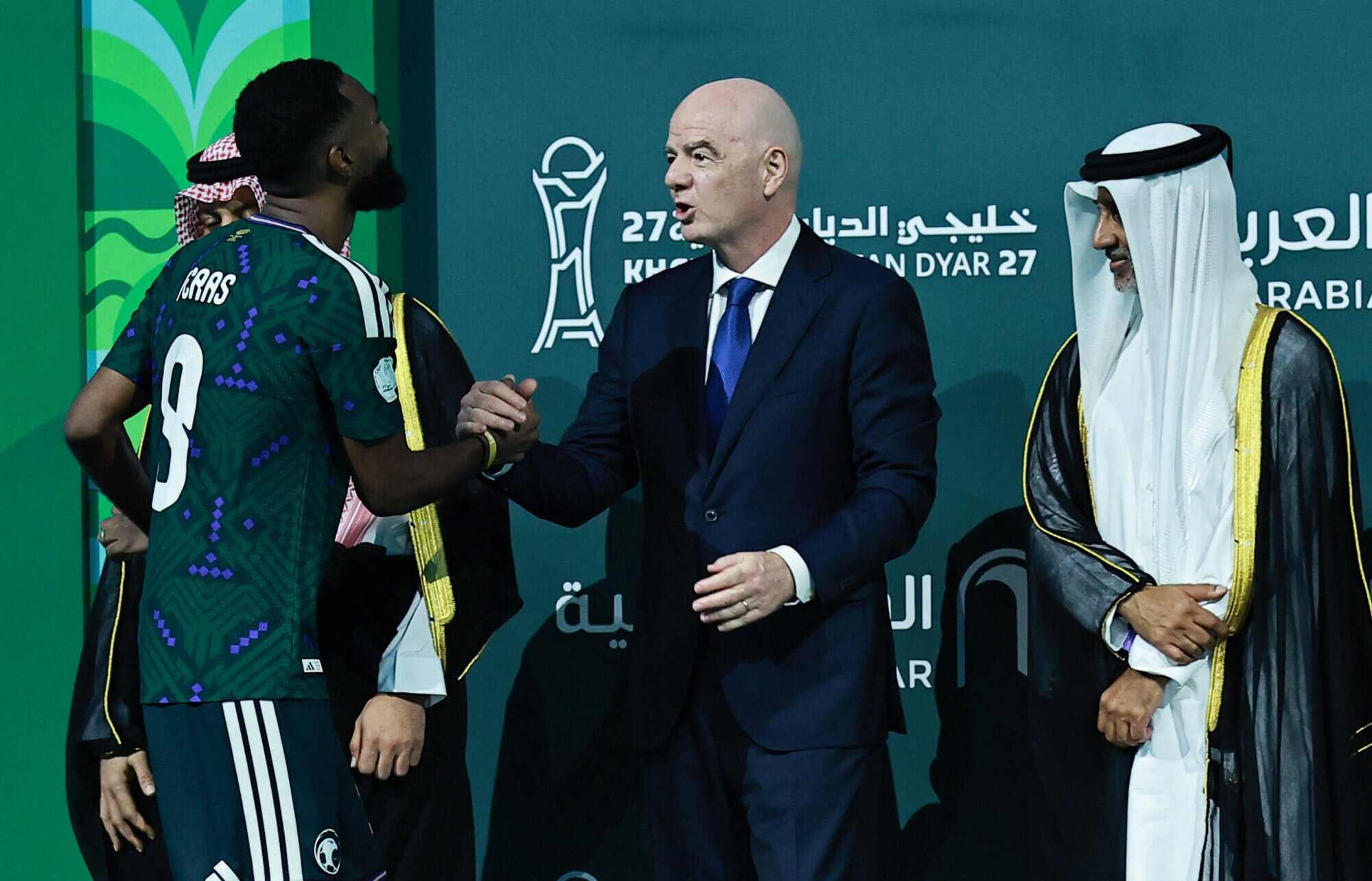
If conflicts disrupt these events, the tens of billions of dollars invested in stadiums, hotels, airports and airlines could appear wasted, along with the economic policies underpinning them.
To emphasise the situation, the Bahrain and Saudi Formula One Grand Prix races originally scheduled for April were postponed and moved to Malaysia, resulting in an estimated loss of US$200 million (HK$1.5 billion). This followed the cancellation of the Finalissima football match in March, which was set to take place in Qatar between Spain and Argentina.
Similarly, the Esports World Cup was moved from Saudi Arabia to France in August, casting a shadow over the Public Investment Fund’s (PIF) US$55 billion (HK$431 billion) leveraged buyout of EA Sports – the largest transaction of its kind.
According to Kristian Coates Ulrichsen, fellow for the Middle East at Rice University’s Baker Institute for Public Policy, “the next big test” would be the AFC Asian Cup across Saudi Arabia in early 2027.
“That experience will be closely studied for what it may portend for future large-scale events in the Gulf,” said Ulrichsen, including the Fiba Basketball World Cup in Qatar later that year.