Have something to say? Send us a letter using this form.
Lessons from Hong Kong in WWII
Venus Cheng Yee-lam, St Mary’s Canossian College
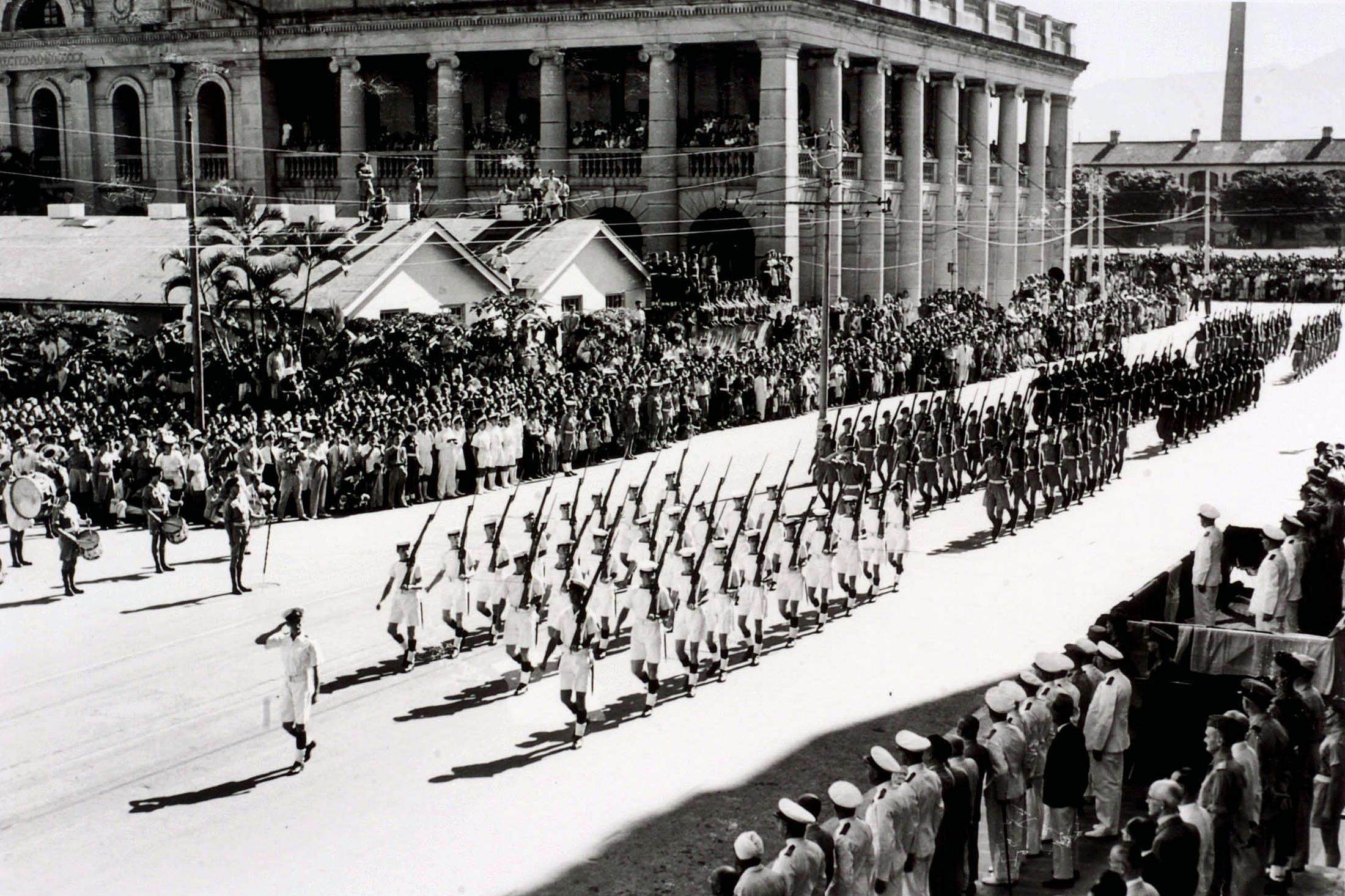
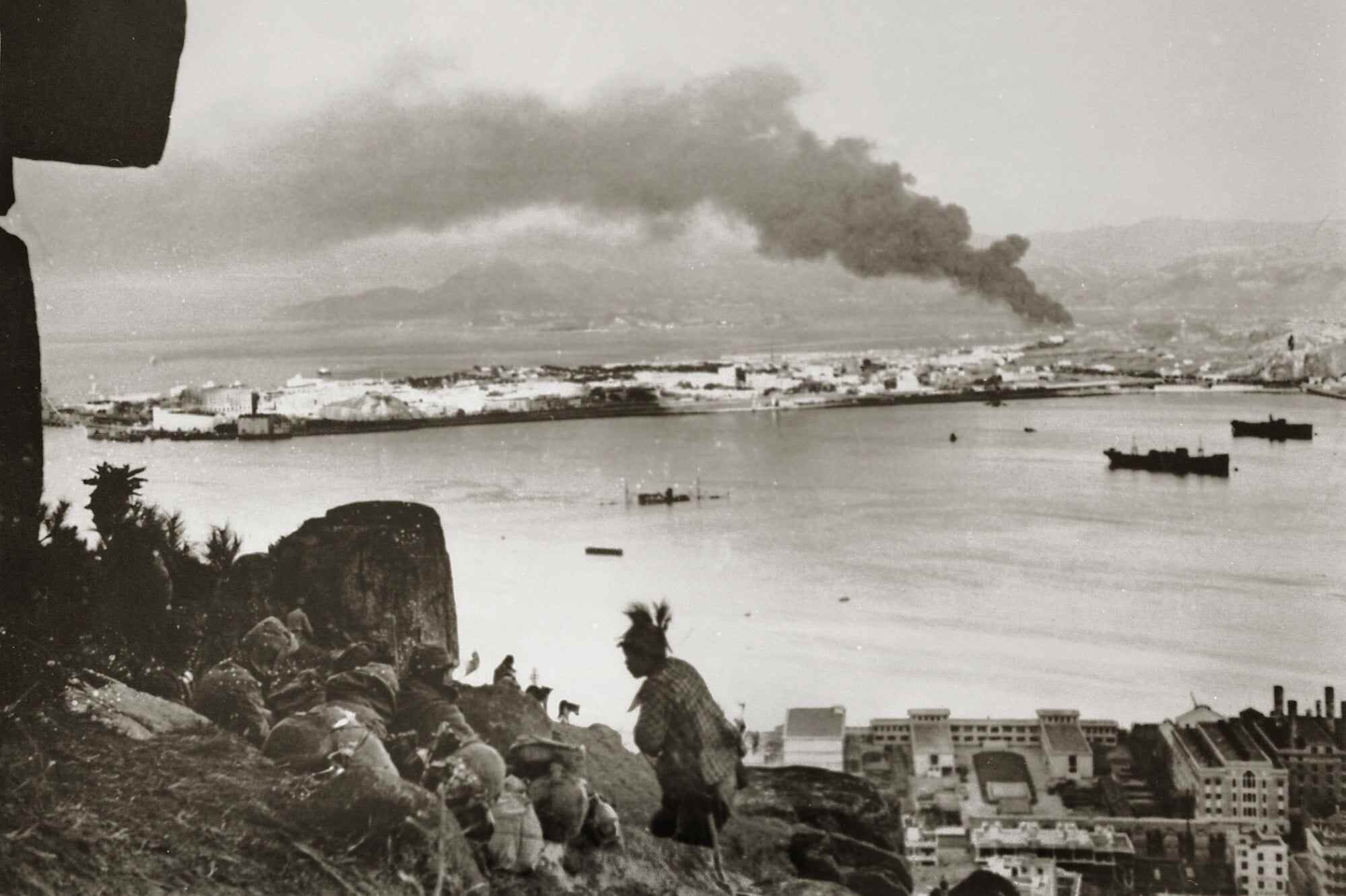
Our history class recently finished a unit on Hong Kong’s experience during the Second World War, and the lessons I’ve taken away have stayed with me far more than any textbook chapter.
Before learning about this period, I only thought of WWII as a distant, global conflict, something that happened far away from Hong Kong. But reading first-hand accounts, such as diaries from residents, interviews with survivors, and stories of everyday life under the Japanese occupation, showed me how deeply the war touched this city.
I was especially moved by the stories of ordinary people’s resilience. When food and supplies ran low, neighbours shared rice and vegetables, even when they barely had enough for themselves. Shop owners hid medicine and food for refugees, risking severe punishment if caught. Students who were forced to leave school formed secret study groups, passing on lessons to younger children so their education wouldn’t stop. These acts weren’t grand, heroic gestures, but small, quiet acts of courage that kept hope alive.
What struck me most was how the war changed Hong Kong’s sense of community. People who had never spoken to each other before worked together to help the sick, protect the vulnerable, and rebuild their lives after the occupation ended. It made me realise that resilience isn’t just about surviving hard times; it’s about looking out for one another, even when things feel hopeless.
Today, when we face challenges like the housing crisis, climate change, or even the stress of school life, these lessons still matter. The war taught us that a community is strongest when we stand together. It showed us that even small acts of kindness can make a huge difference to someone who is struggling. And it reminded us to never take peace and stability for granted, because we know how quickly they can be taken away.
As young people growing up in Hong Kong, we have a responsibility to carry these lessons forward. We can learn from the courage of those who came before us, and use that strength to build a better, more caring city for everyone.
Power of volunteering with sick children
Xu Yimeng, Wuhan Britain-China School (Wuhan)
I am writing to share my sincere reflections on a music therapy volunteer programme at a local paediatric hospital, where I witnessed the quiet bravery of young patients with tumours aged three to seven.
The two-hour activity featured interactive rhythm games, group singing and lyric rewriting, with every moment filled with gentle warmth. Beneath this cheerful atmosphere lies a poignant truth: every child participated wholeheartedly, with thin IV lines fixed to their arms as they clapped and swayed with faint trembles. Most had lost their hair to chemotherapy, leaving lingering surgical scars across their bare scalps – silent proof of their gruelling fight against illness.
While rewriting the lyrics to Flying Fireflies, the children disregarded rhyme and polish. Replacing the original line “As long as you are by my side”, they simply filled in the blank with their most genuine wish: “As long as you are happy”. This makes me realise that adults often overvalue technique and polish, gradually losing the pure sincerity children naturally hold. For these young patients, happiness resides in the smallest blessings: company, laughter and simple gifts.
Medical treatment heals physical wounds, but it cannot ease their long-term loneliness. I sincerely call on the public to provide tangible care for children with chronic illnesses. Teenagers can join volunteer programmes to accompany and comfort them. Meanwhile, charitable foundations and social organisations replace stereotyped sympathy with equal respect and provide targeted support within their capacity. I believe even tiny kindness can brighten a fragile childhood.
The harms and dangers of building AI data centres
Allegra Khomara, King George V School
Artificial intelligence (AI) chatbots such as Google’s Gemini and OpenAI’s ChatGPT need data centres to operate. The centres contain computer servers used for data storage, analytics, and streaming.
Generative AI has its perks: it can collect information and make life more convenient. However, do the harms outweigh the benefits?
We’ve survived centuries without AI – it’s not fundamentally necessary for human existence. In addition, AI data centres are damaging the environment and depleting the resources required for survival.
First, data centres cause immense noise pollution, creating a constant hum. According to the Environmental Health Project, data centres generate noise levels that may exceed 90 decibels – a unit used to measure sound loudness. This exceeds the 85-decibel limit for safe hearing. Additionally, there will be increased light pollution – disrupting the natural rhythms of the body at night for those nearby – and air pollution.
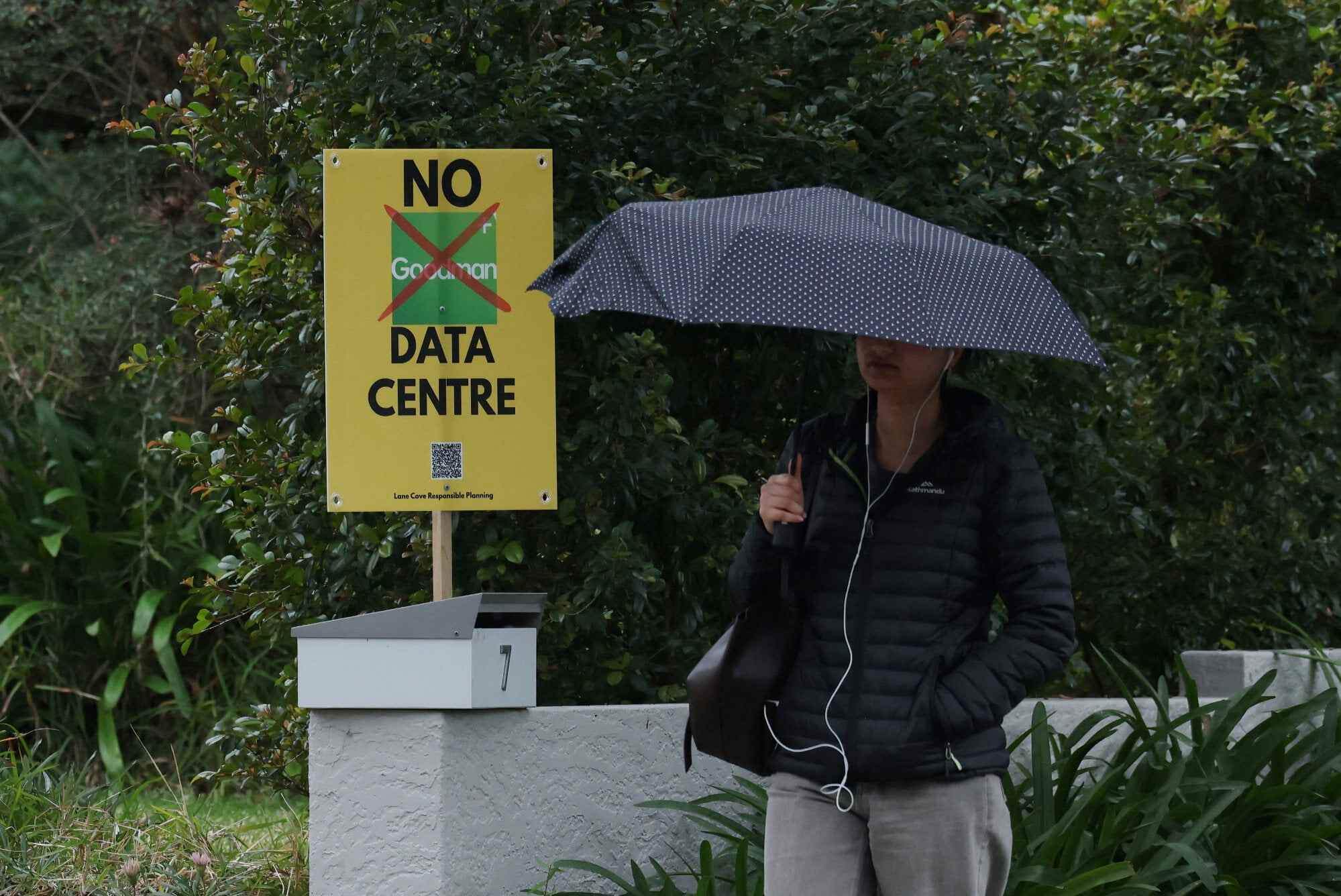
Data centres don’t just impact those who live nearby. One of the biggest arguments against AI data centres is their reliance on fresh water to cool their servers. A report from the Environmental and Energy Study Institute found that a large data centre can use up to five million gallons of water (189,270,000 litres) daily, equivalent to the water use of a town of 10,000 to 50,000 people. There are already 5,426 data centres in the United States, which means these centres use billions of gallons of fresh water every year.
In a world where more than two billion people live in countries with water scarcity, can we afford to waste so much water on AI data centres? Benjamin Sovacool, a professor of earth and environment and the director of the Institute for Global Sustainability at Boston University, has said: “There will be no water by 2040 if we keep doing what we’re doing today.”
A 2040-doomsday countdown doesn’t sound great, does it?