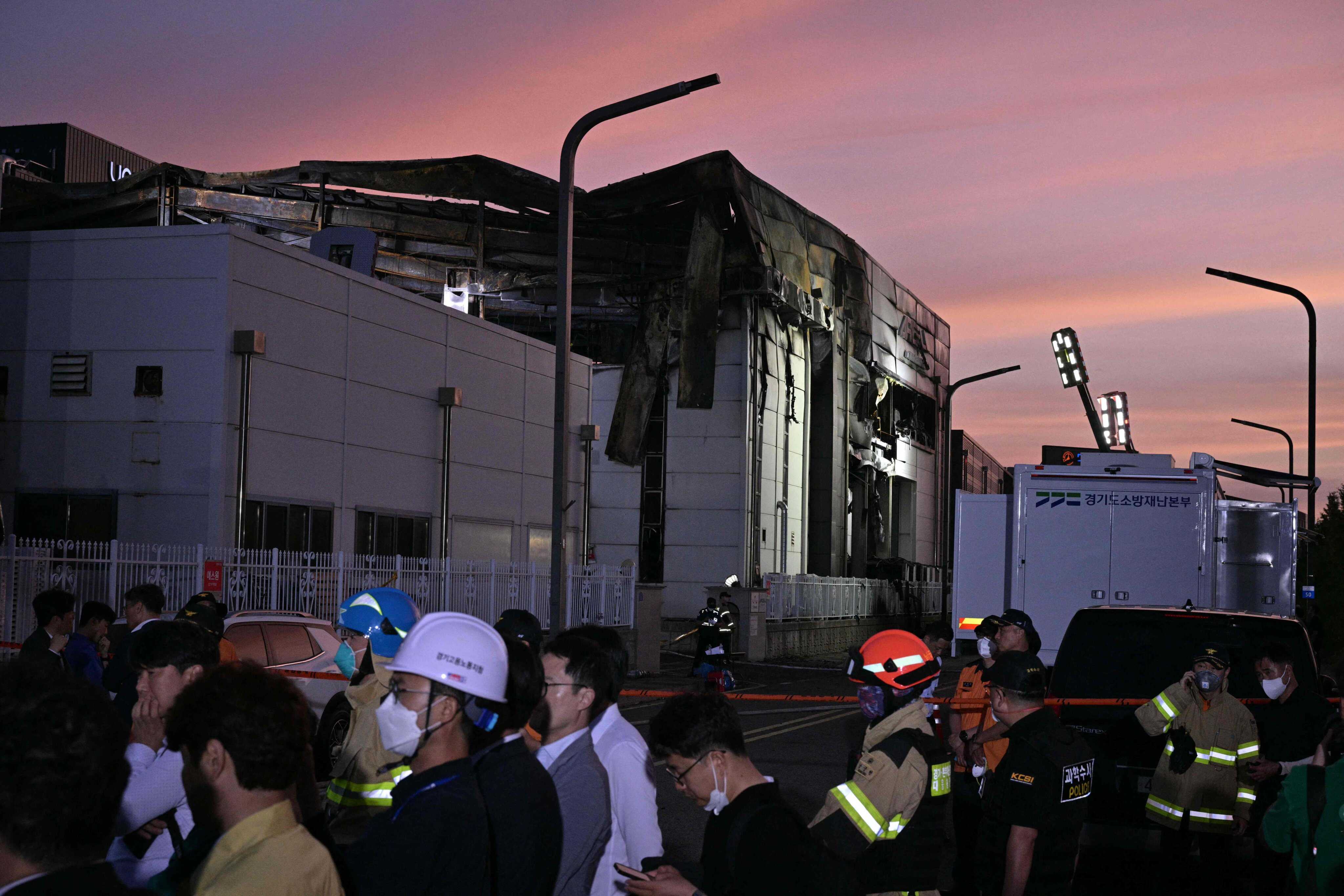
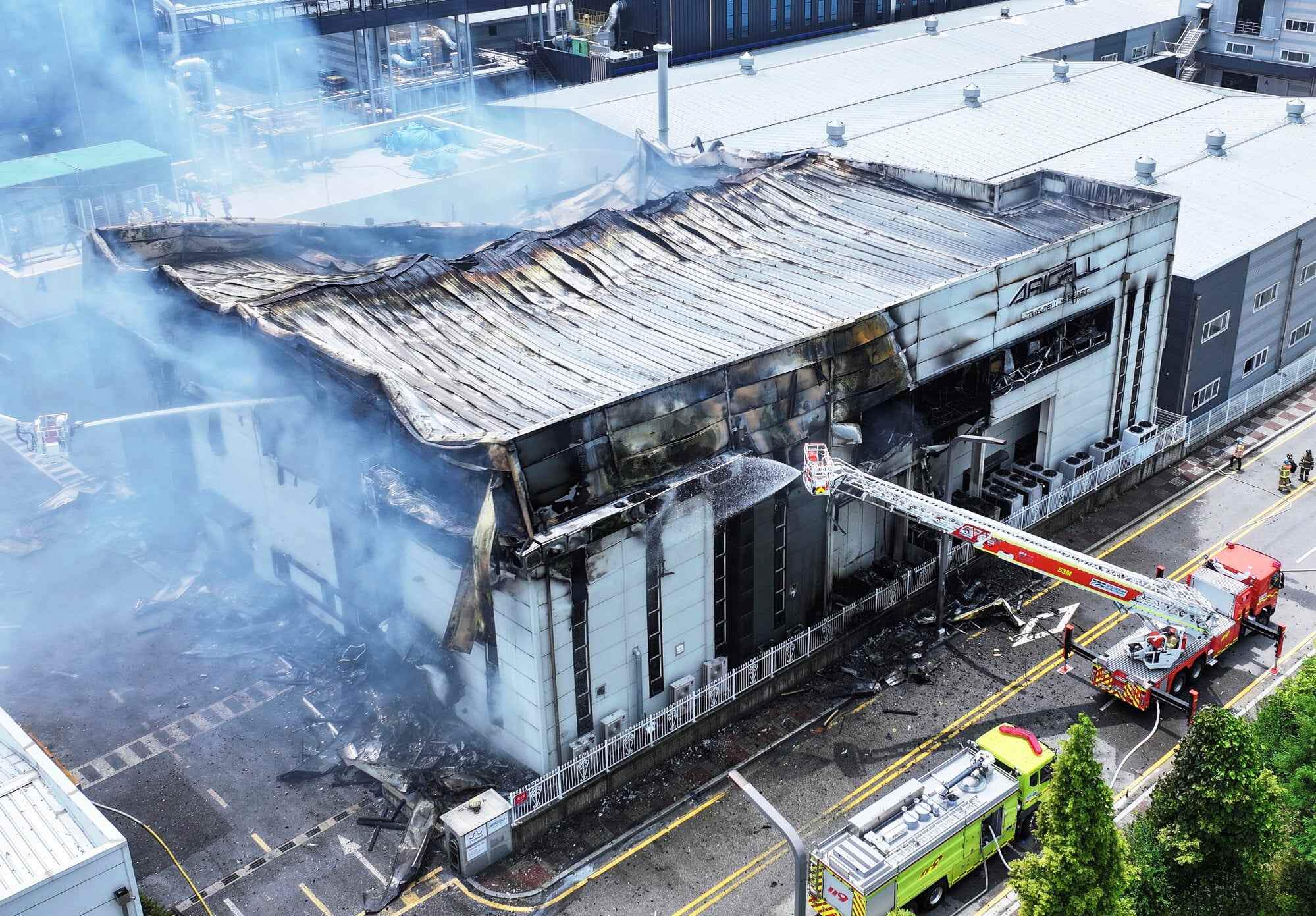
In 2024, a blaze at a lithium battery factory owned by manufacturer Aricell in South Korea killed 23 workers and injured nine others. The deaths at the factory in Hwaseong, Gyeonggi province, included 17 Chinese nationals, one Laotian national and five South Koreans.
Last week, South Korea’s Supreme Court upheld a reduced four-year prison sentence for Aricell CEO Park Soon-kwan.
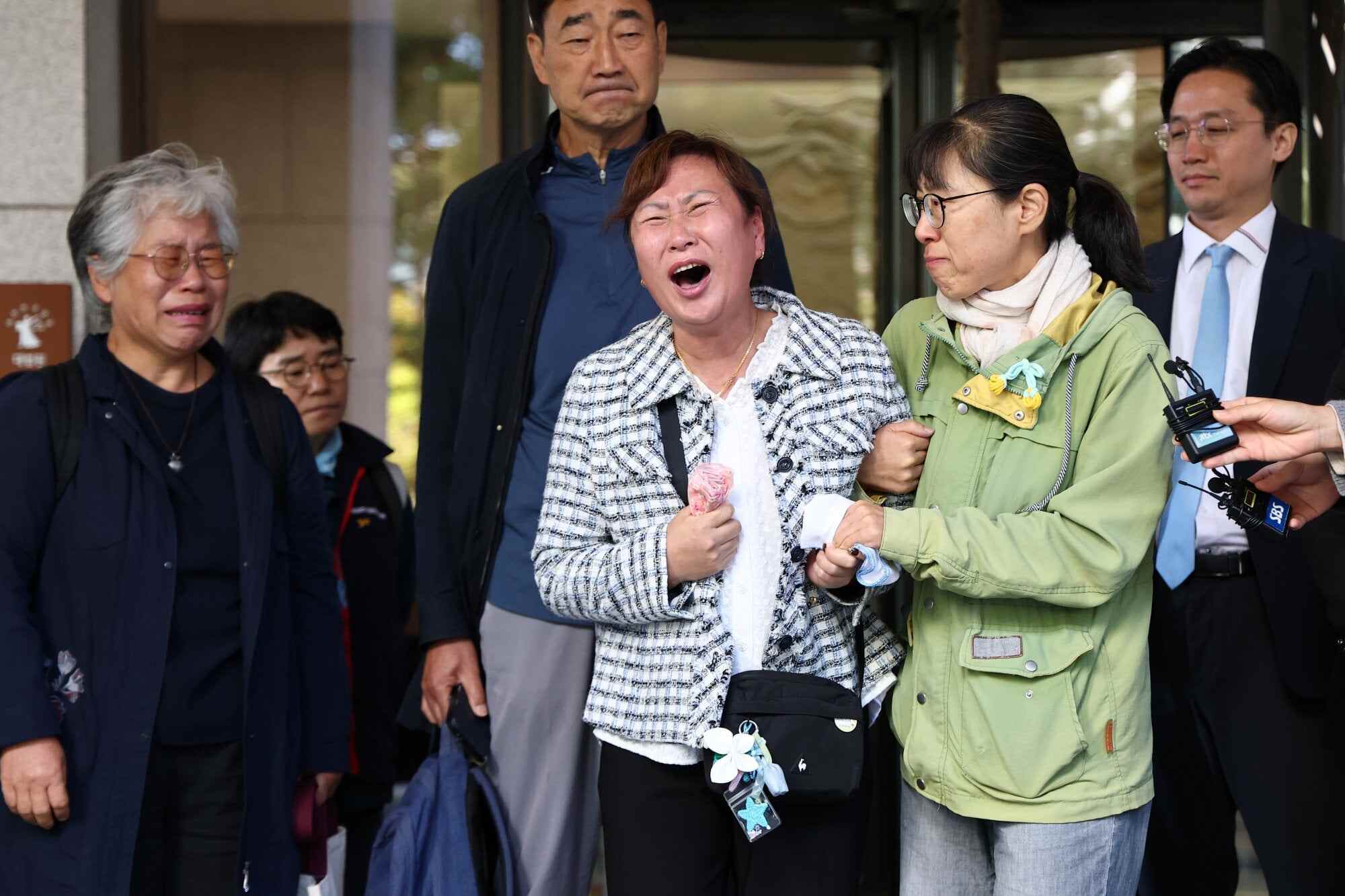
“How can South Korea’s law be this weak? Twenty-three people died!” Chinese mother Li Shun-ji cried after the ruling.
Her then-24-year-old daughter Yan Jing-jing was among the dead. About 35,000 lithium batteries had reportedly exploded in a chain reaction, with defective products and rushed operations to meet military supply deadlines contributing to the disaster.
“Are you making this decision because we are foreigners?” Li, 56, said through tears.
South Korea’s Serious Accidents Punishment Act (SAPA) was introduced in 2022 to strengthen corporate accountability for fatal workplace accidents. Aricell was found to have violated the act by sending 53 unskilled workers to work on the batteries, neglecting safety training and failing to secure evacuation routes.
A district court sentenced Park and his son, the factory’s managing director, to 15 years in prison each, the harshest sentences ever handed down to company executives under the law.
But the appeal court later cleared both men of a key charge related to the failure to install an emergency exit on the factory’s second floor. It reduced the jail term to four years for Park and seven years for his son.
The Supreme Court also upheld the jail sentence for Park’s son.
In its ruling, the appeal court said safety regulations did not require exits on every floor and were applicable on a building-by-building basis. It also considered Aricell’s settlements with bereaved families.
The Supreme Court’s judgment has drawn criticism from the victims’ relatives and labour activists, who say it reflects a judicial system that is too lenient on corporations for offences committed by them.
Shin Ha-na, the lawyer representing Aricell’s bereaved families, said she would challenge the ruling, arguing that it effectively gave the company a free pass.
Since the 2024 blaze, the country has continued to report deadly industrial accidents.
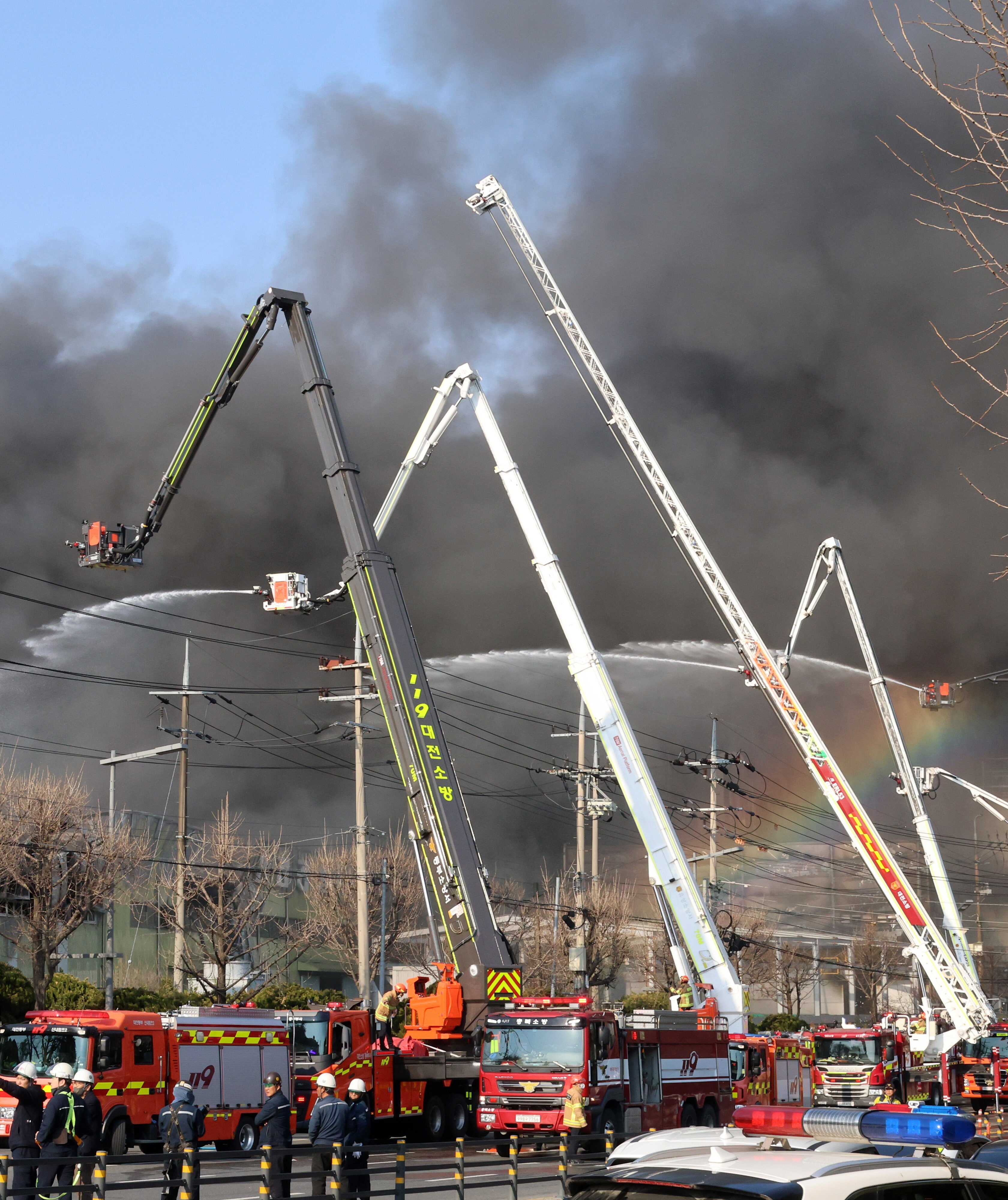
In June, five people died in an explosion at Hanwha Aerospace’s factory in Daejeon. A special inspection by the Ministry of Employment and Labour found 473 violations, 189 of which were referred for legal action.
And in March, 14 people died in a fire at an auto parts factory operated by Anjeon Industrial, also in Daejeon.
For Li, the fight is not over as she is seeking to recover her daughter’s remains. Of the 23 people killed in the fire, only one body was found to be intact.
“All the families want this case to end,” she said. “But what we want most of all is for our loved ones to finally have a proper resting place.”