Sixteen years ago, in Chongshan village in China’s eastern Zhejiang province, Wang Jinti took his last breath. Wang died in near-total obscurity, never having received an apology or compensation for the suffering he endured – from Japan’s biological warfare that destroyed his village and ruined the lives of hundreds of thousands of others.
“Japan was the first country to suffer a nuclear attack, while China was the first to experience large-scale biological warfare,” said Chinese journalist Nan Xianghong, who has spent 23 years documenting this forgotten war-within-a-war.
Nan said that while global awareness of nuclear threats was universal, the insidiousness of biological weapons was often overlooked. Her new book, The Unending Germ Warfare, looks at how such weapons destroy lives through uncontrollable, invisible contagion.
As China and Japan mark 80 years since the end of World War II, observers have warned that Japan’s history of biological warfare, while still relevant, remains buried beneath sealed archives, with unacknowledged victims and ongoing environmental hazards.
This dark chapter continues to cast a shadow over international security and repeatedly surfaces in Sino-Japanese ties. Its telling is complicated by a web of official Japanese denials, US immunity deals and China’s shifting diplomatic priorities.
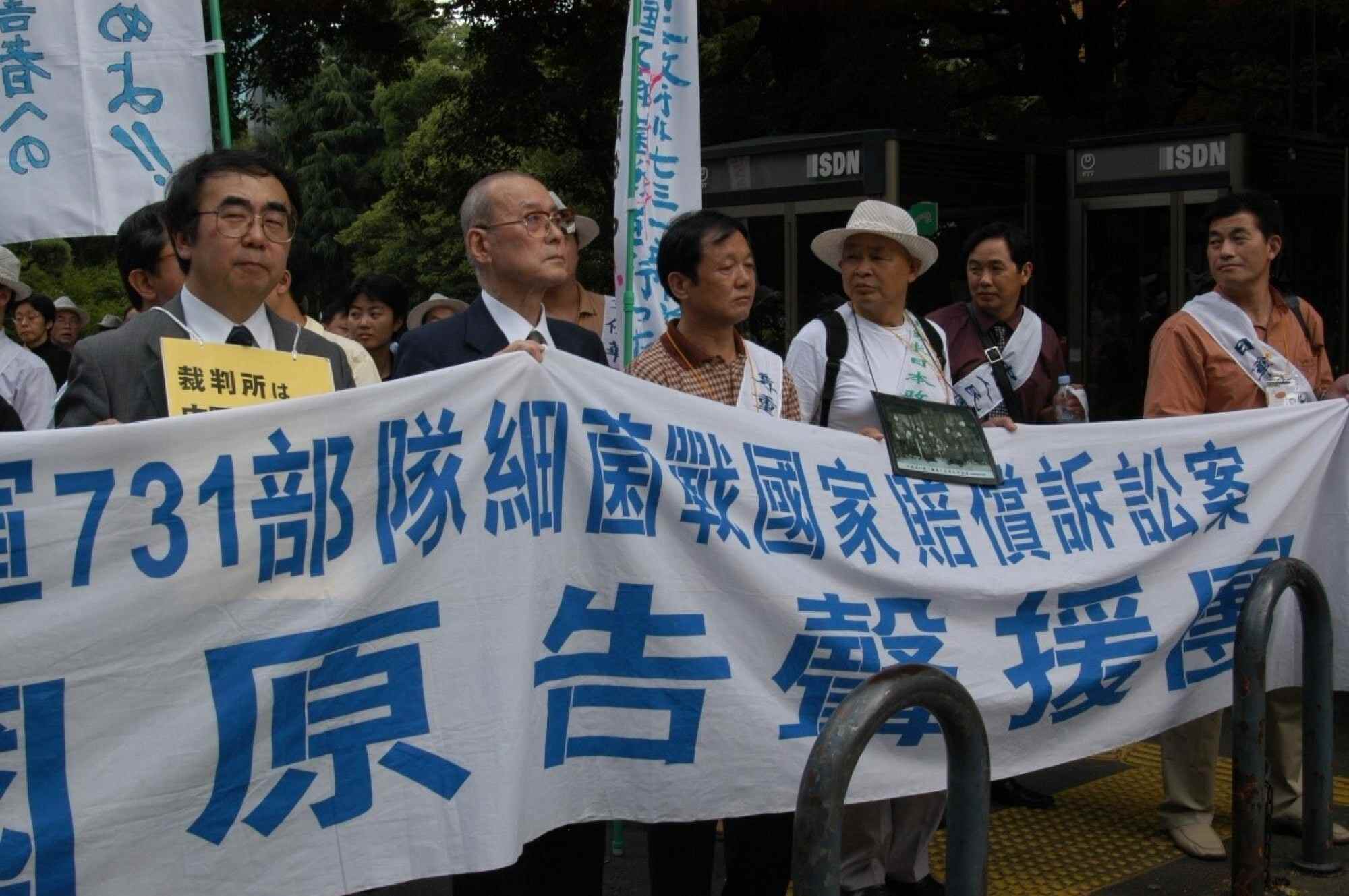
A glimmer of a breakthrough came in 2002 when, in a landmark ruling, the Tokyo District Court acknowledged Japan’s “inhumane” biological warfare in China. However, it stopped short of awarding compensation or ordering a formal apology.
Now, the fight for justice, led by ageing victims as well as dedicated advocates and historians, has become a race against time and historical amnesia.
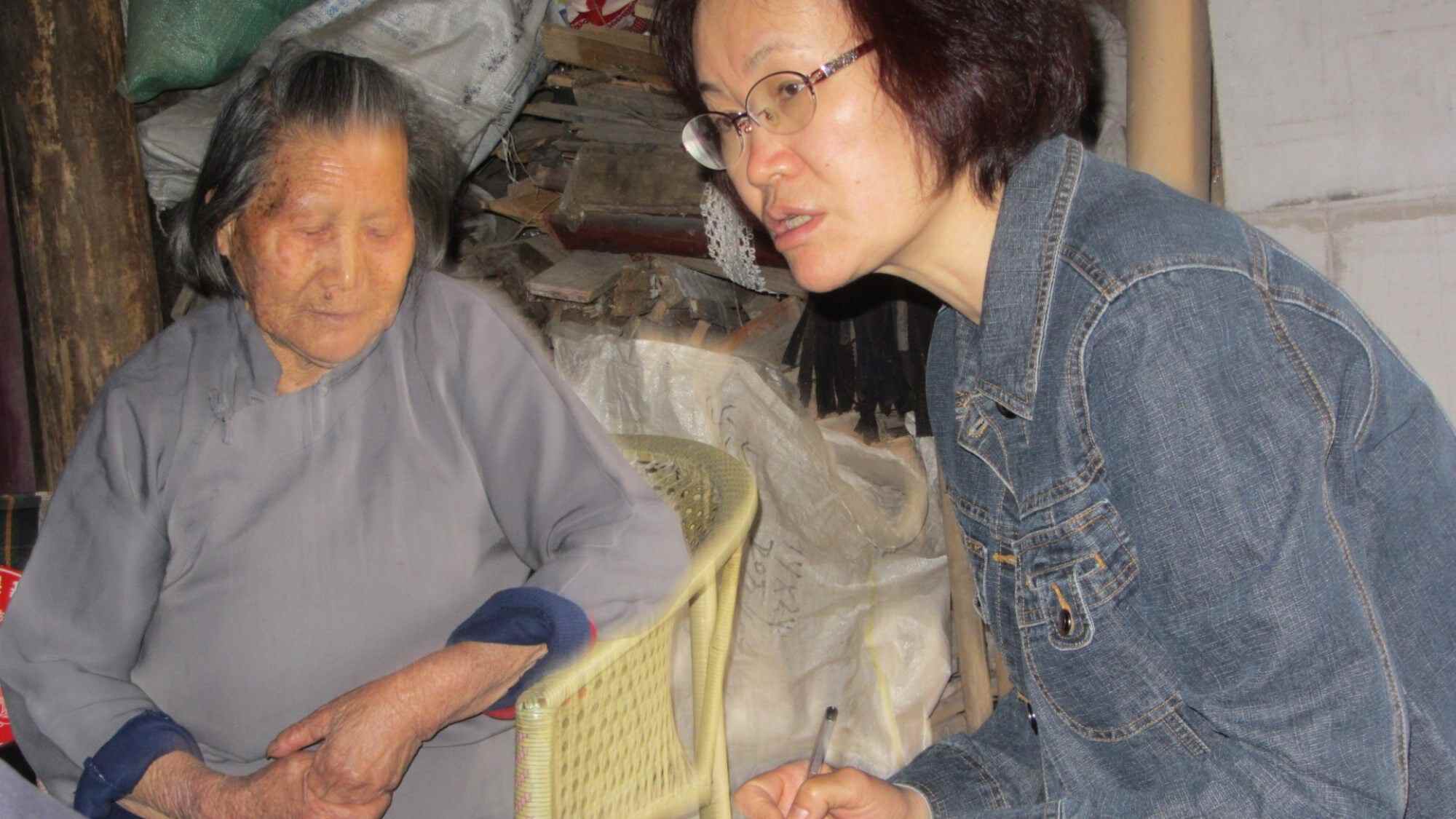
The most visceral proof that the effects of germ warfare never ended walks on hobbled legs in rural China.
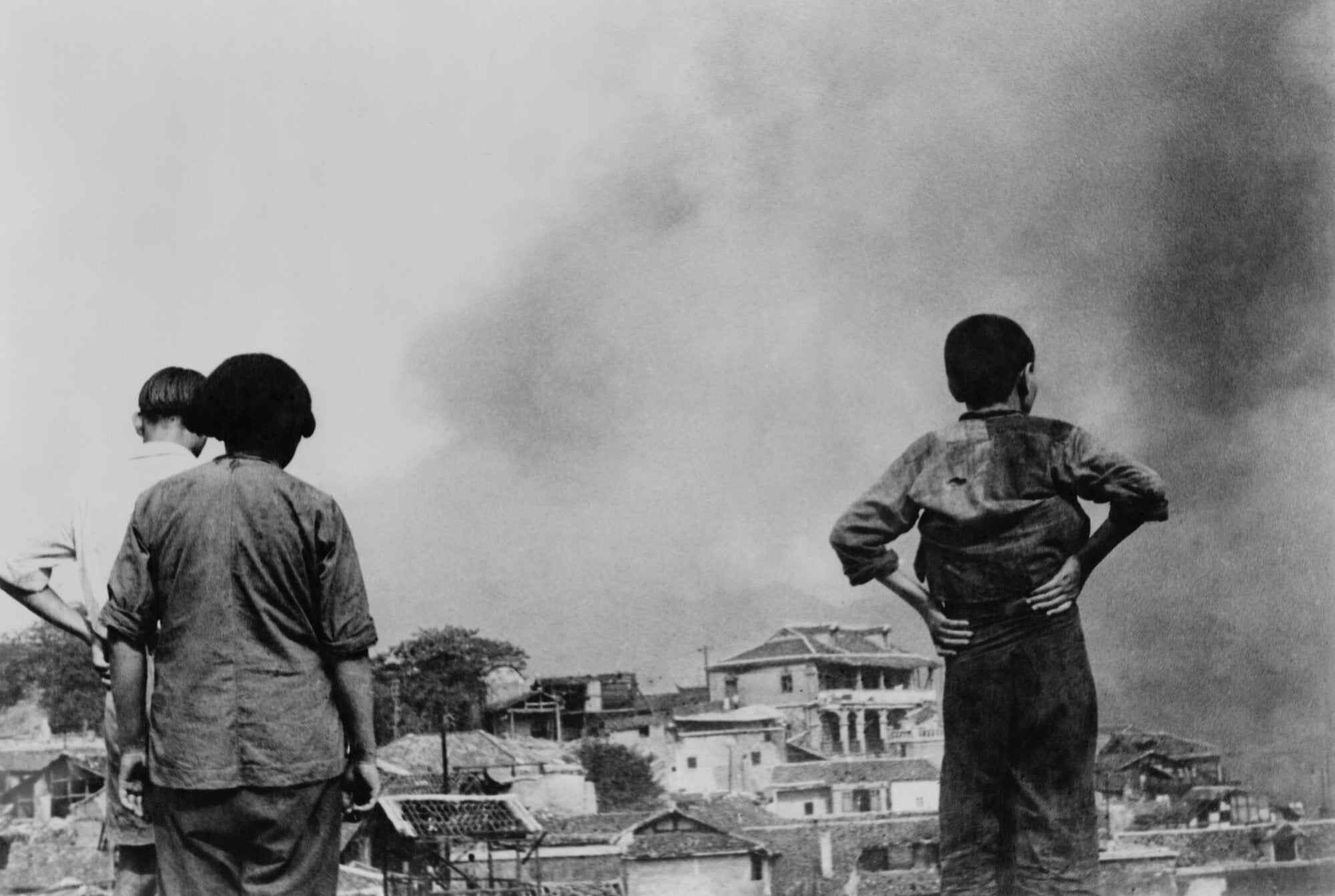
In October 1940, Japanese planes dropped about 13.6 million plague-infested fleas over the city of Quzhou in Zhejiang. A subsequent attack on the city of Changde in central China’s Hunan province in 1941 triggered plague outbreaks that lasted nearly four years, killing more than 7,000 people.
Soon after the Japanese planes passed overhead, residents felt pinprick bites they barely noticed. These were followed by fever and splitting headaches, then black-purple buboes ballooning in their armpits and groins, leaving their bodies curling inward like drying leaves.
Most people at the time knew little about the plague, she added, noting they called it heisha, or “black death”, believing it was caused by evil spirits or ancestral sins.
Post-attack, families lost generations, with those who survived suffering lifelong ailments such as “rotten leg” disease – a chronic, festering affliction caused by anthrax and glanders bacteria deployed by Japanese units. Later, blisters turned to ulcers, black flesh fell away and decades of seeking treatment proved futile.
Throughout the war, biological warfare was a “secret battlefield”, unlike the visible front lines, Nan said.
She said the methods were invisible, attacks silent and victims unaware until too late, with the true scale of the horror only later revealed by scattered reports, declassified documents and first-hand testimony.
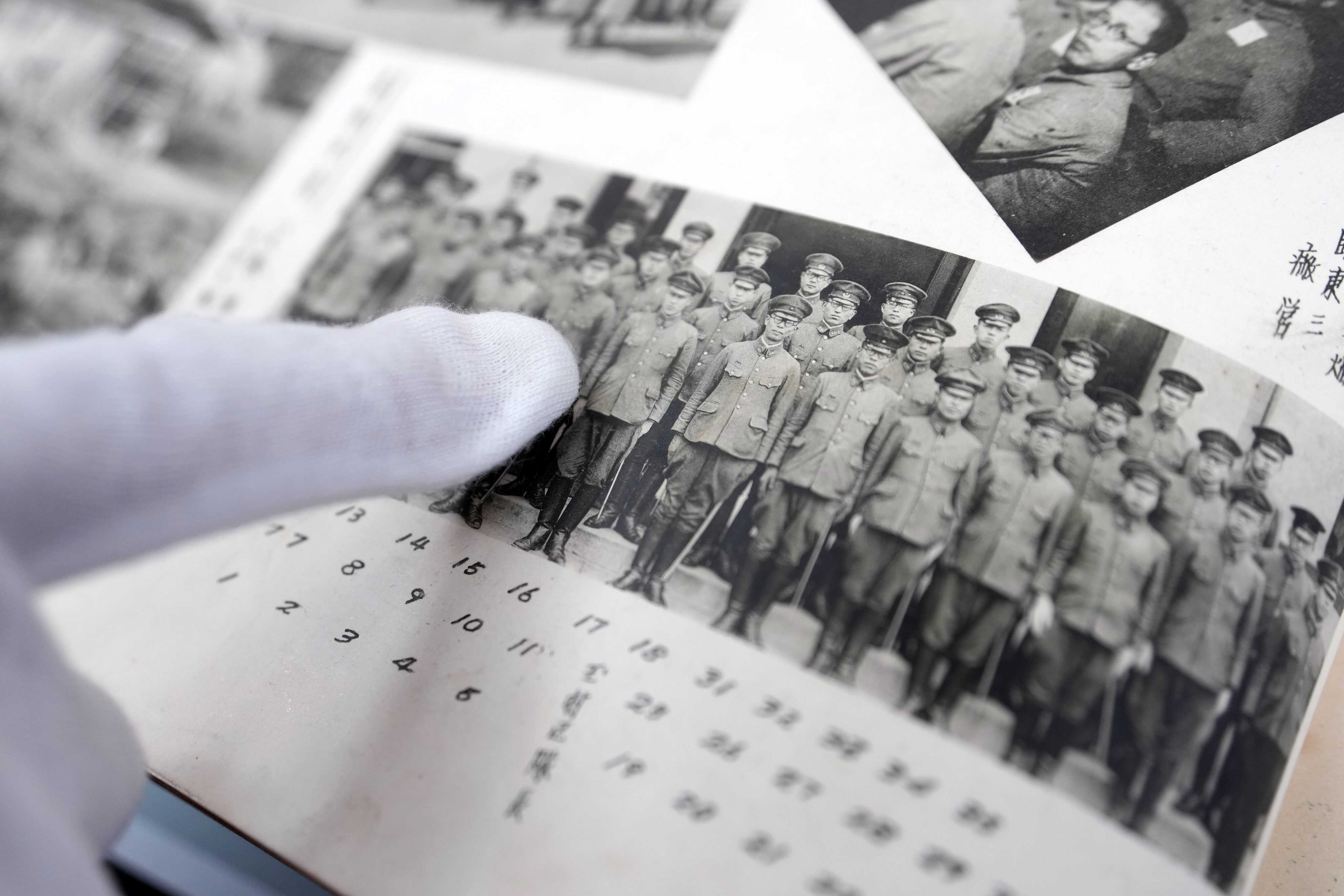
Orchestrated by General Shiro Ishii’s Unit 731 – officially the “Epidemic Prevention and Water Purification Department” – the germ war constituted a coordinated programme of covert brutality across China and Southeast Asia.
Historians identify the heart of these operations as the Pingfang facility in Harbin in China’s northeastern Heilongjiang province. There, at least 3,000 people were subjected to live vivisection, frostbite testing and deliberate infection with plague and cholera.
The victims were mainly Chinese civilians, alongside Russians, Mongolians and Koreans. These subjects were callously referred to as maruta, or “logs”.
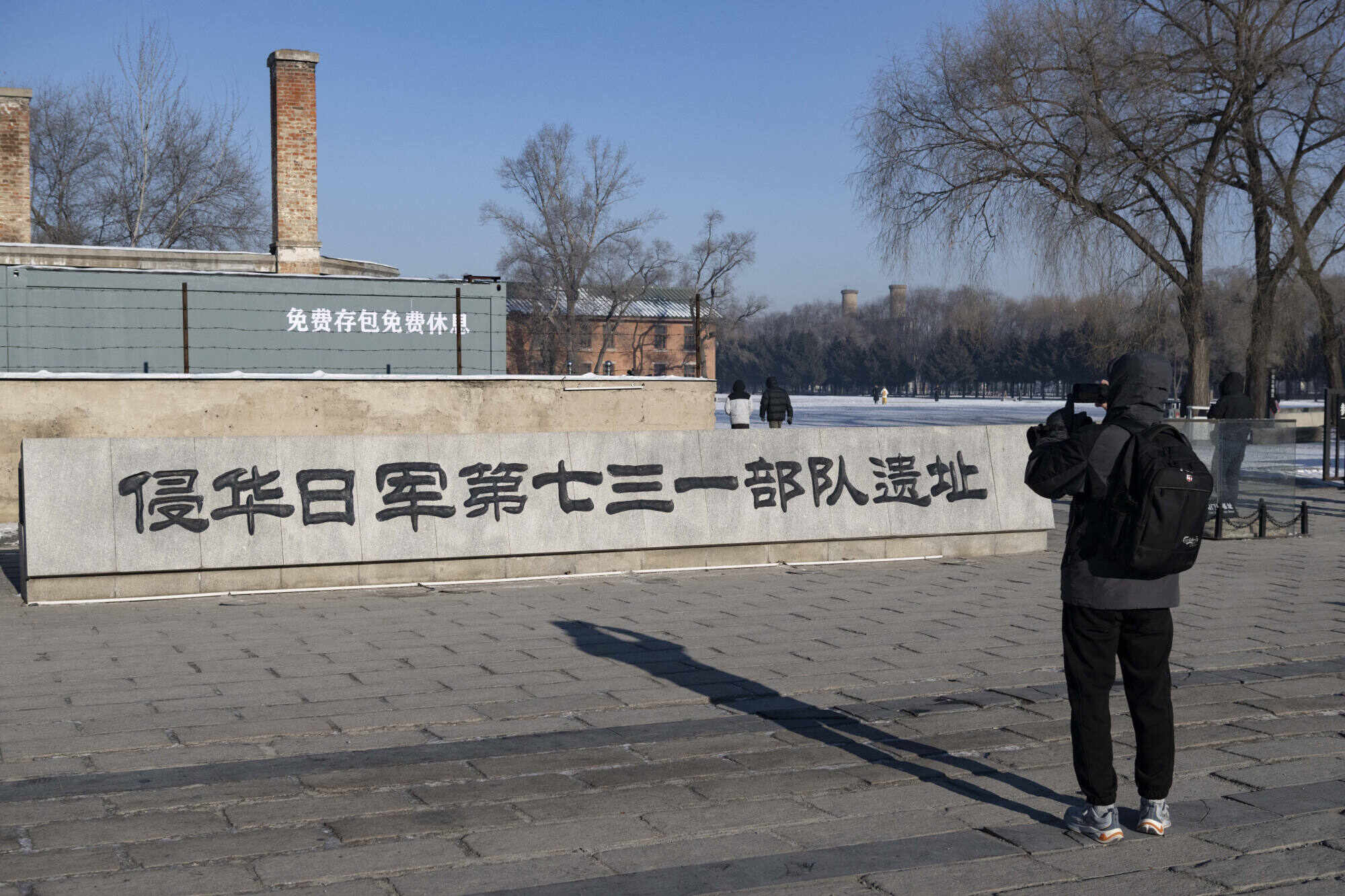
But Pingfang was merely the laboratory and factory for manufacturing germ weapons, Nan said, describing its “products” as being deployed across battlefields in China and beyond. “If Unit 731 was a lair of monsters, germ warfare was a diffuse terror,” she added.
Besides Unit 731, multiple branches carried out these secret campaigns, such as Unit 1644 in Nanjing, Unit 1855 in Beijing, Unit 8604 in Guangzhou and Unit 9420 in Singapore.
The casualties extended beyond the mainland.
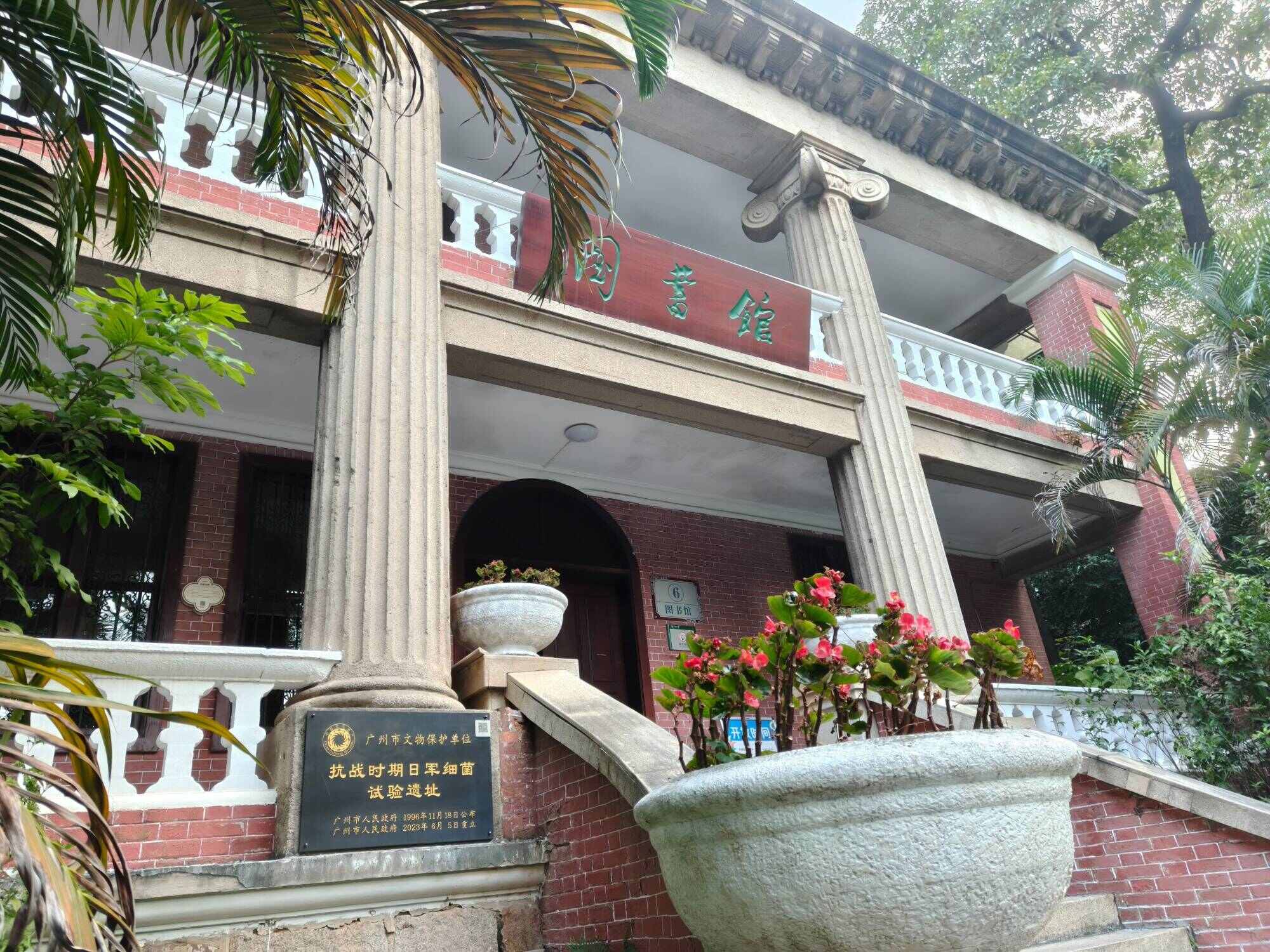
In Guangzhou, Unit 8604 operated a “mini-Auschwitz” on the Pearl River. From 1942 to 1945, more than 100,000 refugees – mostly Hongkongers fleeing their occupied city – were imprisoned and perished in Namin-Hok-Tau camp.
Army doctors added salmonella to morning porridge and contaminated wells with bacteria. The victims’ remains were dissolved in “bone-melting pits”, the concrete rims of which remain beneath a modern housing estate, as recalled by Japanese war veteran Maruyama Shigeru in 1993.
Nan said the critical episode was the heavy price China paid following the Doolittle Raid on Tokyo. After the raid in April 1942 – the first-ever air attack on Japan’s home islands and a turning point in America’s war in the Pacific theatre – Chinese villagers in Jiangxi, Anhui and Zhejiang provinces helped downed US pilots.
In retaliation, historians said, the Japanese forces bombed, tortured and slaughtered hundreds of thousands of civilians. Nan noted that the Japanese also poisoned wells and baked bacteria into food, turning the region into a plague-ravaged no-man’s-land.
Beyond China, between 1942 and 1944, Japan contemplated deploying germ warfare against strategic sites across the Pacific, including the Philippines’ Bataan Peninsula, Australia, Hawaii, the Indian city of Kolkata, Saipan and Guam, according to a wartime log.