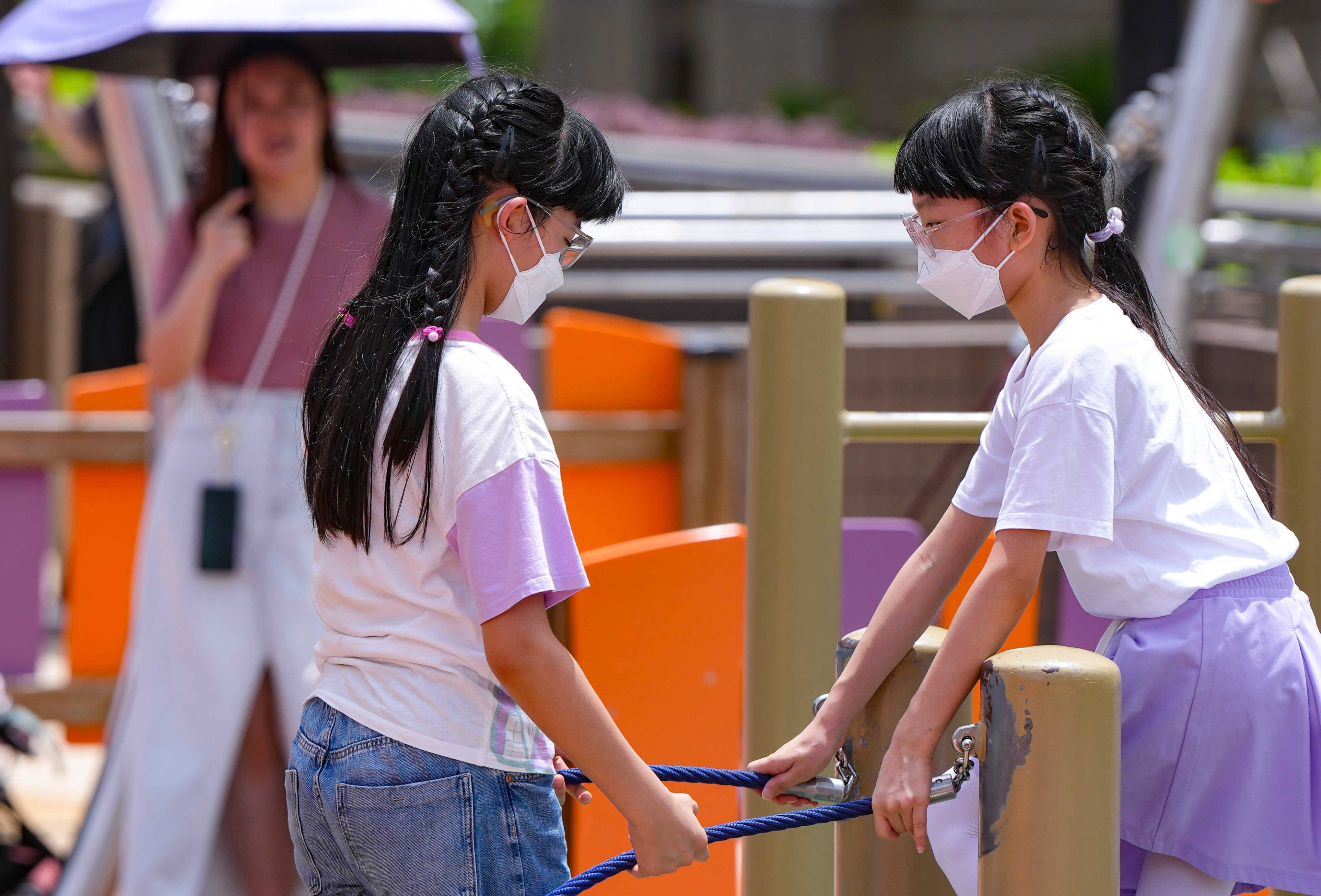
Around 60 per cent of Hong Kong parents mistakenly believe that invasive meningococcal disease is no different from a common cold, a survey has found, prompting doctors to urge greater public awareness of the potentially fatal infection ahead of the summer travel season.
The warning follows a survey by the Hong Kong Early Childhood Educators Association of 300 parents and teachers. Parents scored an average of 3.84 out of 10 on their knowledge of the disease, compared with 4.8 for teachers.
The survey, released on Sunday, also found that 78 per cent of parents had not vaccinated their children against meningococcal disease, while more than one-third were unaware that a vaccine was available.
Eighty-six per cent of respondents had travelled with their children over the past year, with mainland China, Taiwan and Macau the most popular destinations.
Meningococcal disease is a rare but severe, life-threatening bacteria.
It typically causes one of two serious conditions, and often both simultaneously: meningitis, which is an inflammation of the protective membranes lining the brain and spinal cord; and meningococcemia, a severe bloodstream infection.
Dr Mike Kwan Yat-wah, a specialist in paediatric immunology, allergy and infectious diseases, said the disease could progress rapidly and have devastating consequences, particularly among infants and adolescents.
“Prevention of meningococcal disease is one of the World Health Organization’s priority tasks,” he said. “Parents should take preventive measures, especially when infectious diseases are circulating, and discuss with their doctors whether vaccination is appropriate.”
Kwan, who recently led a regional consensus study involving experts from Hong Kong and 13 other Asian countries and regions, said awareness of serogroup B meningococcal disease remained relatively low across Asia despite signs the disease was becoming more prevalent in some places.
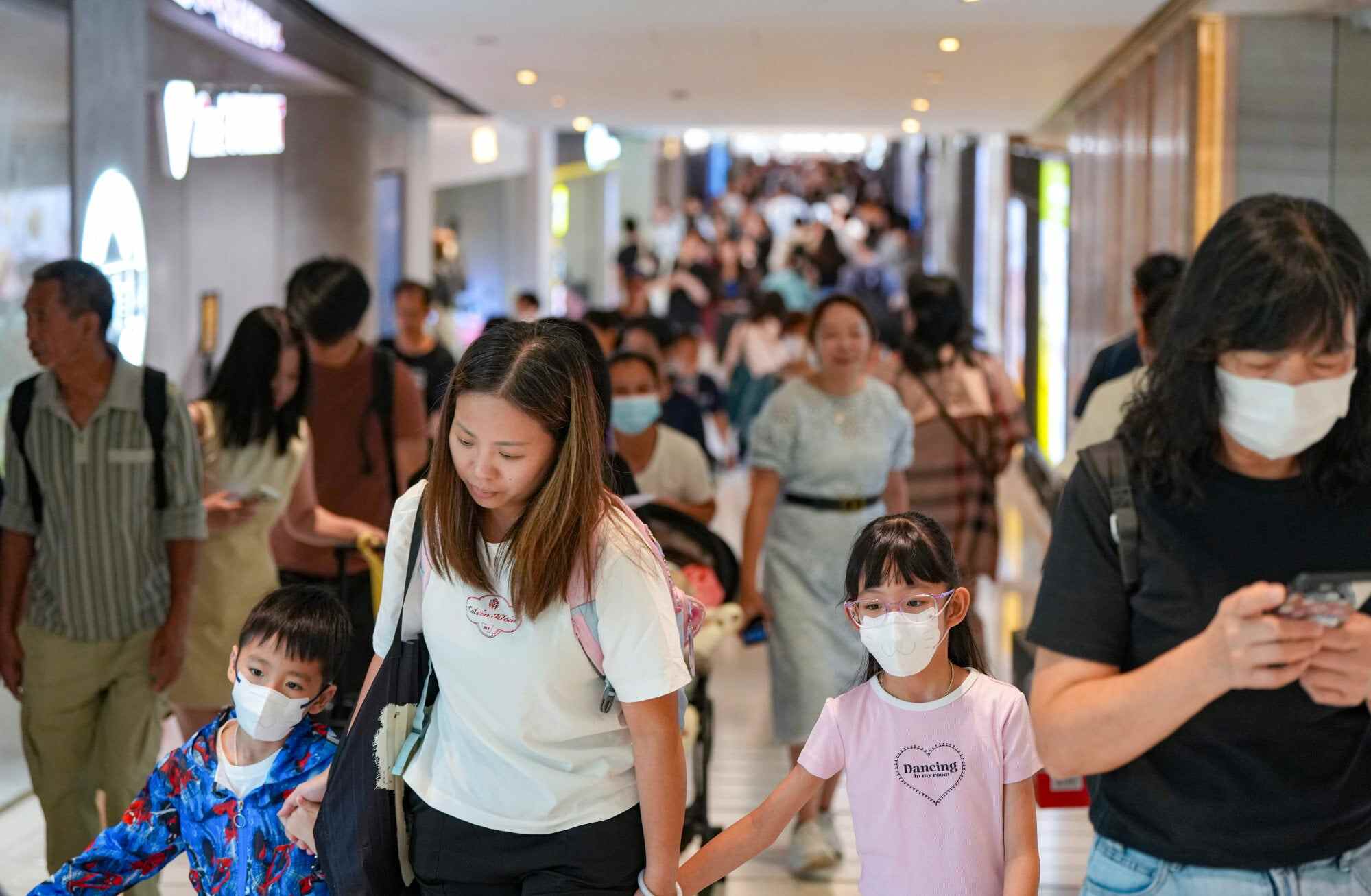
“We found that countries and regions across Asia generally have limited awareness of serogroup B meningococcal disease, while routine vaccination programmes are largely absent,” he said.
“At the same time, the disease is on the rise, so everyone should remain vigilant.”
He said infants, adolescents and travellers to countries where the disease was more prevalent should be particularly alert, pointing to recent outbreaks in Britain and Vietnam as reminders that the infection remained a public health concern.
Kwan stressed that meningococcal vaccination was not included in Hong Kong’s routine childhood immunisation programme for healthy children.
“However, people at higher risk, such as those with complement deficiencies, those who have had their spleen removed and people with advanced HIV infection, are eligible for government-funded vaccination,” he said.
Healthcare workers, laboratory personnel who routinely handled the bacteria and travellers to areas with a higher prevalence of the disease should also consult doctors about whether vaccination was appropriate, he added.
“We hope the public will gain a better understanding of how serious this disease can be and learn how it can be prevented,” Kwan said.
“Healthcare workers should also help explain the disease and the available preventive measures so families can make informed decisions.”