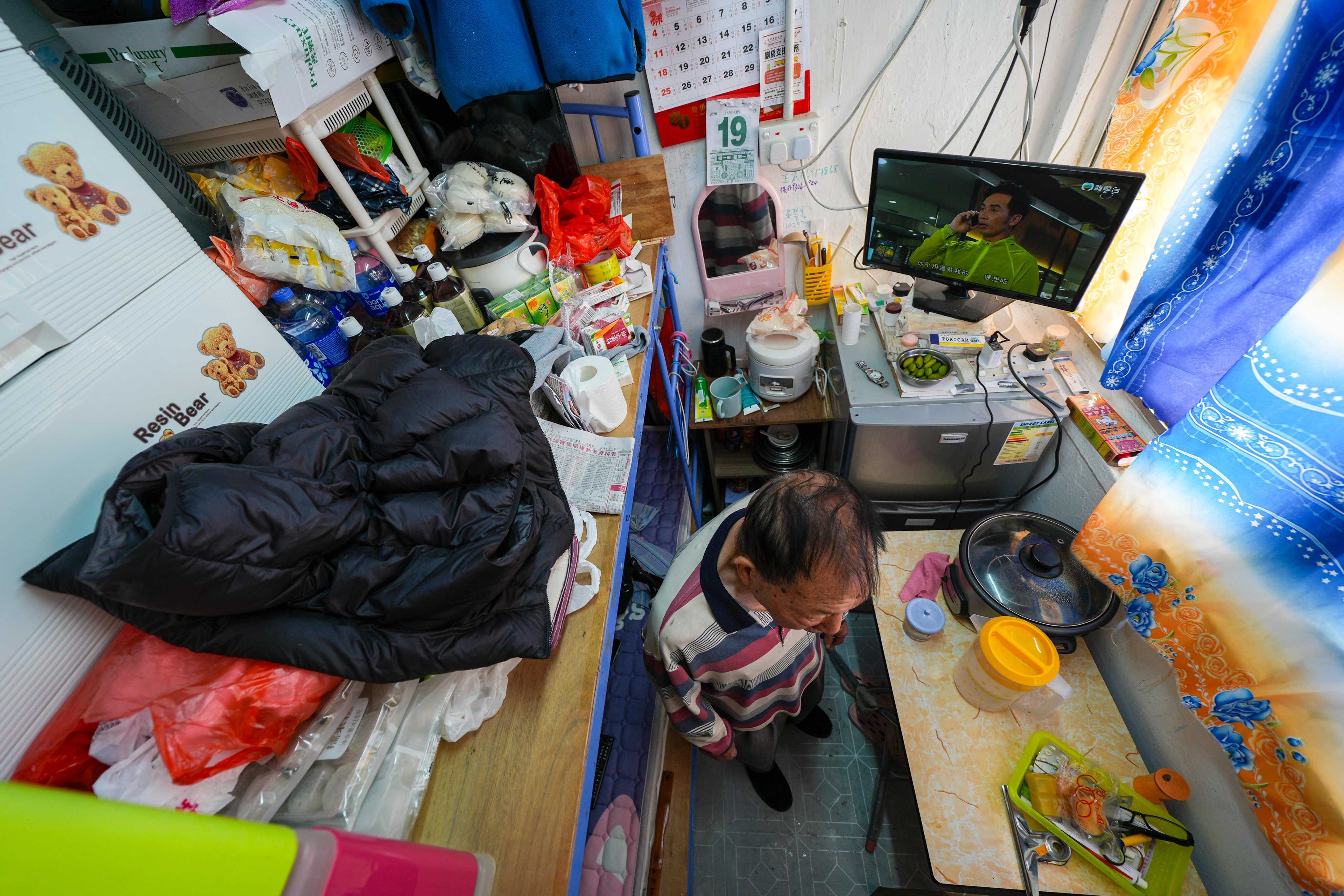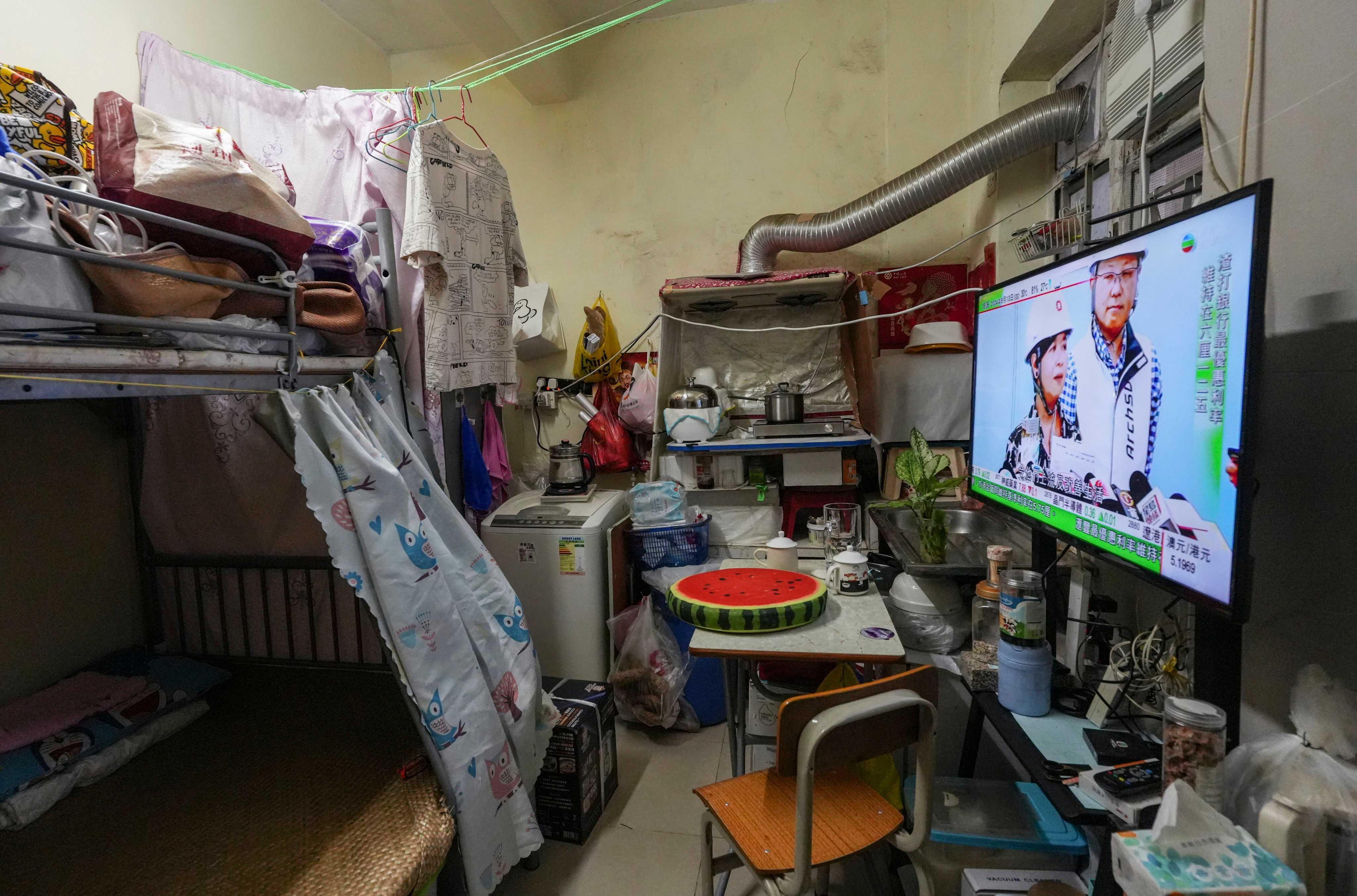
A recent report indicated that nearly two-thirds of the 158 tenants living in subdivided housing supported by an NGO in Hong Kong have exhibited signs of anxiety or depression. This situation underscores the urgent need for enhanced counselling and social support services.
On Thursday, the Kwun Tong Methodist Social Service (KTMSS) announced that it had assisted 158 families residing in subdivided flats in the district during the 2024-25 period. Notably, about half of these families include at least one child with special educational needs.
The households had an average monthly income of about HK$15,350 (US$1,960), with about 40 per cent going towards rent.
According to the survey, 66 per cent of respondents showed signs of anxiety. Among that group, about 37 per cent displayed moderate or severe symptoms.
About 40 per cent showed signs of depression, with nearly half of them experiencing moderate or severe levels.
The centre, which provides “trauma-informed care” and comprehensive family support, further assessed 55 respondents with moderate anxiety or depression and found their mental health indicators improved after a one-year intervention.
Across indicators including anxiety, depression, parental stress, post-traumatic stress disorder and resilience, about 7 per cent showed improvement in at least four areas, while around 80 per cent improved in at least one.
Under the model, which assumes that everyone may have experienced trauma, the centre offers targeted help to families, such as children’s playgroups, health classes, medical subsidies, family activities and counselling services.
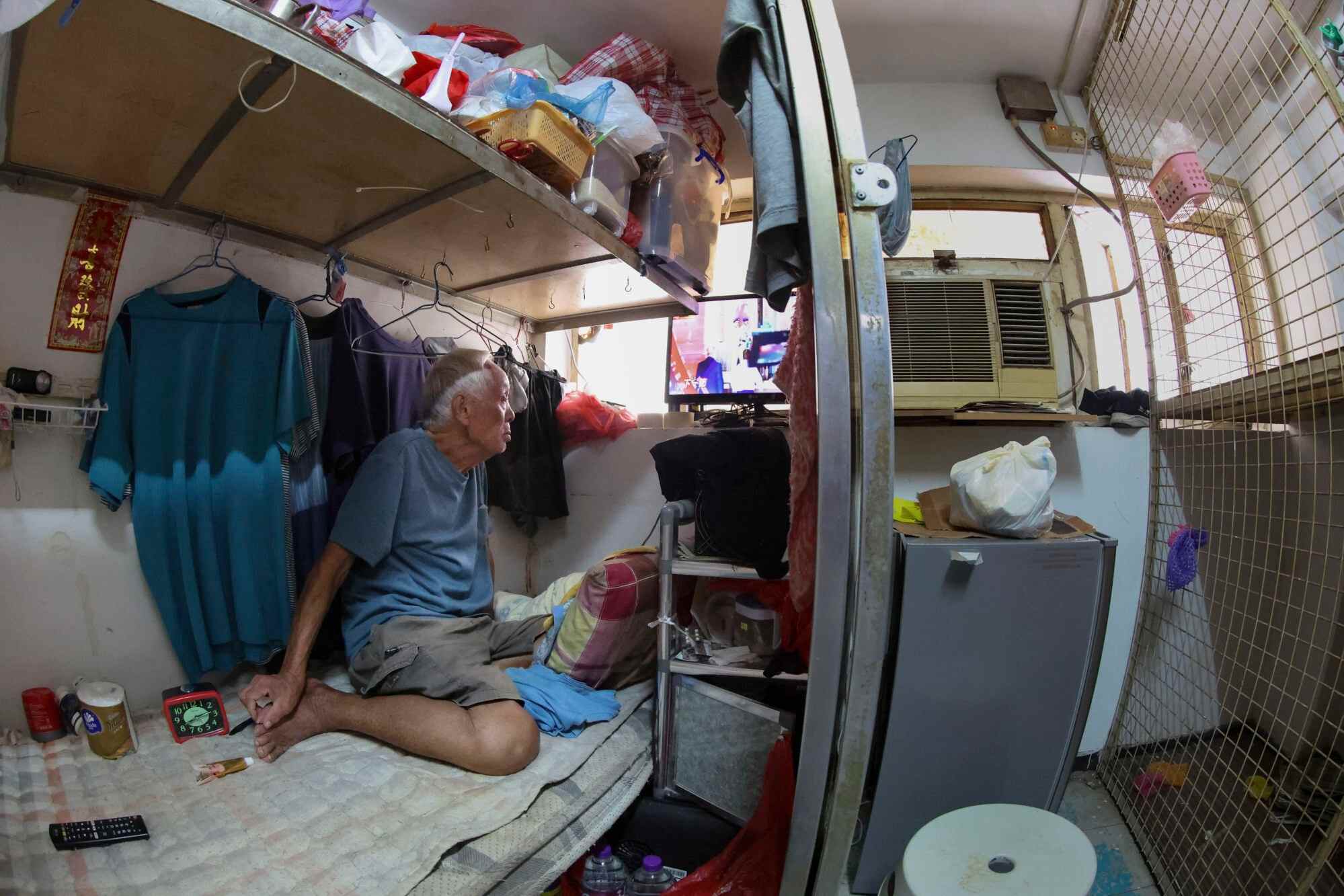
Fifteen respondents, who were selected for qualitative research, said their trauma stemmed from cramped living conditions, parental stress and a lack of social support.
They also later reported improvements in their sense of security, social connections, awareness of mental health needs and family relationships.
One of them is Miko Yu, 31, who showed signs of anxiety and depression while living in an 80 sq ft subdivided flat with her husband and their now six-year-old daughter.
“I was the breadwinner of the family. I was very anxious because of our financial situation, while worrying that my husband could not take good care of our daughter,” Yu said. “I got irritated easily.”
She added that her child was later diagnosed with dermatomyositis, a kind of rheumatism, prompting her to quit her full-time job to better take care of her.
The centre later helped the family move to a 196 sq ft home under the transitional housing programme, while Yu also became more aware of her mental health and improved her relationship with her daughter.
“I realised I was quite strict with my daughter and tended to be condescending … I realised that when I am gentle, my daughter is more willing to share,” she said.
“We should all face our emotions. We should accept and deal with them, and love ourselves, before we can love our family.”
The centre urged the government to incorporate the model into broader social services.
“The government can subsidise professional bodies to provide trauma-informed care guidelines and training for the social welfare, education and medical sectors, enhancing sensitivity to trauma and helping create safe spaces,” said Catlyn Ho Yu-ying, the centre’s service coordinator.
She added that trauma-informed care was only effective when people felt secure in their daily lives, stressing the importance of social support.
Ho also called for increased public housing supply, medical subsidies for children with special educational needs and greater support for underprivileged groups.