Background: Alongside the last policy address of his term, Hong Kong Chief Executive John Lee Ka-chiu unveiled Hong Kong’s first-ever five-year plan, which is meant to align the city more closely with the national development blueprint.
Big number: 30,000 full-time jobs, internships and training positions will be available for the youth over the next two years
Think about it: What are the benefits and potential consequences of the government’s job scheme for youth? What areas of study will benefit most from the university towns in the Northern Metropolis? To what extent do you think this is positive for Hong Kong’s development?
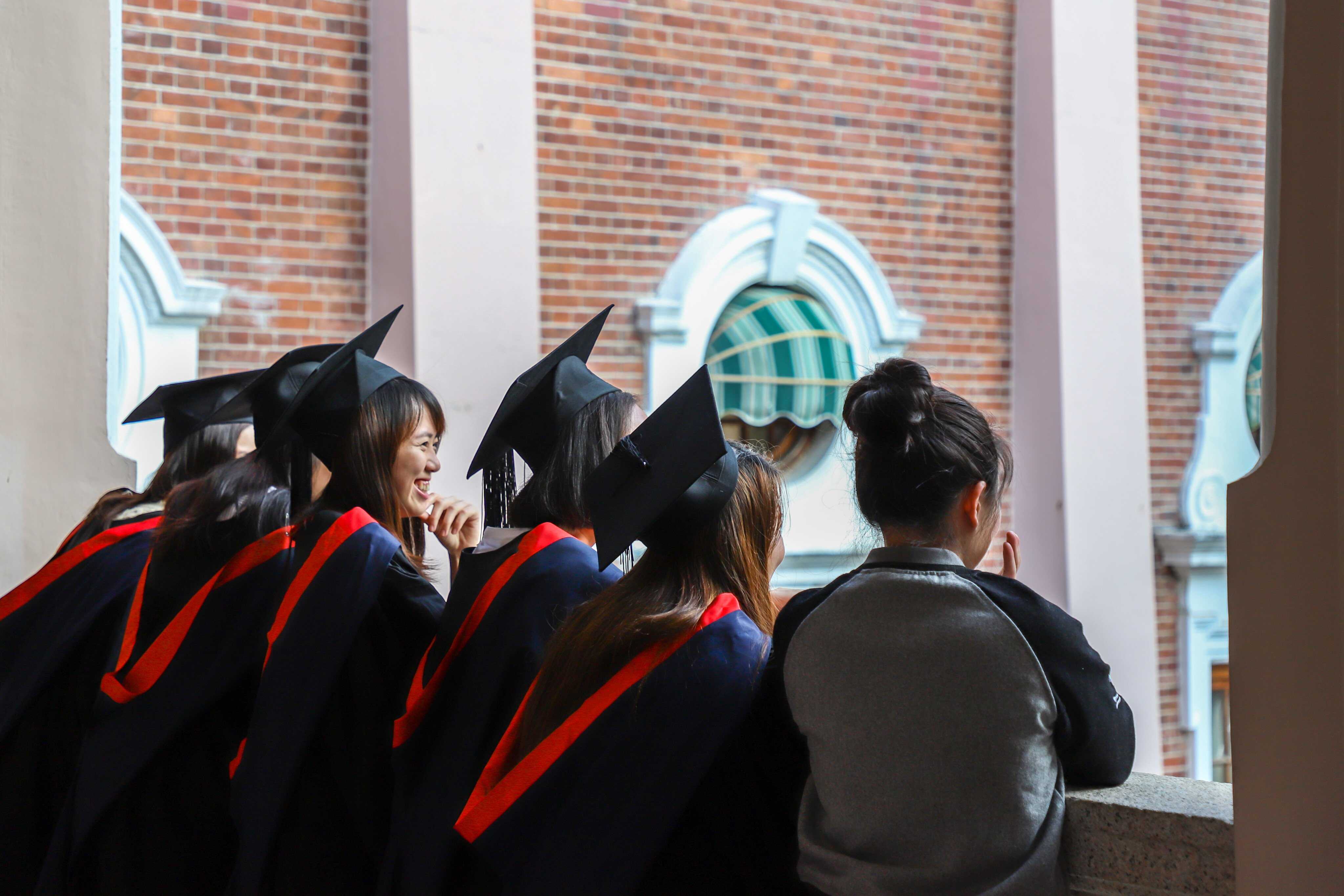
Hong Kong secondary students have mostly welcomed new government initiatives targeted at easing their transition into the job market, highlighting a flagship 30,000-place internship scheme and university town development discussed in the city’s latest policy address.
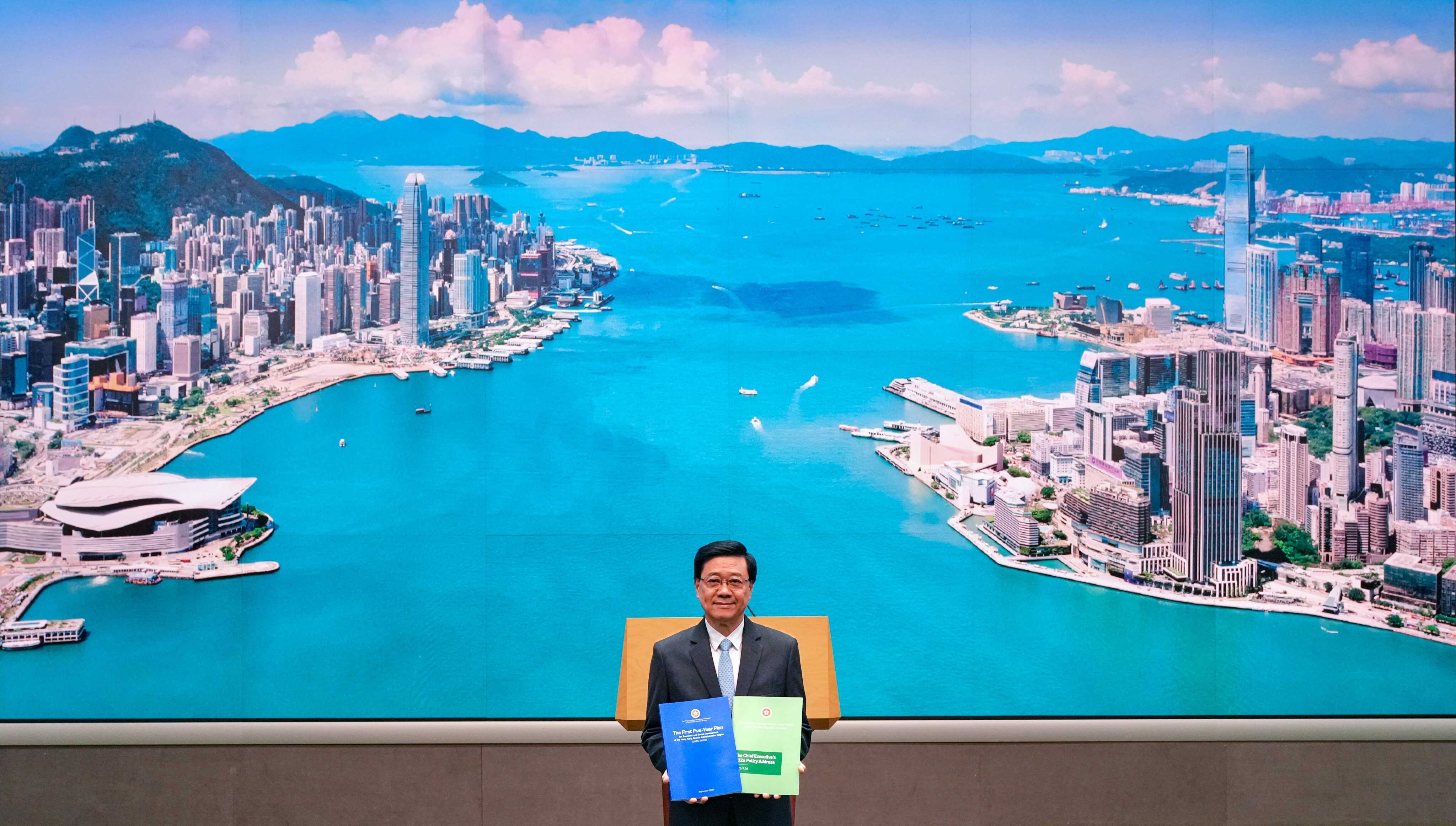
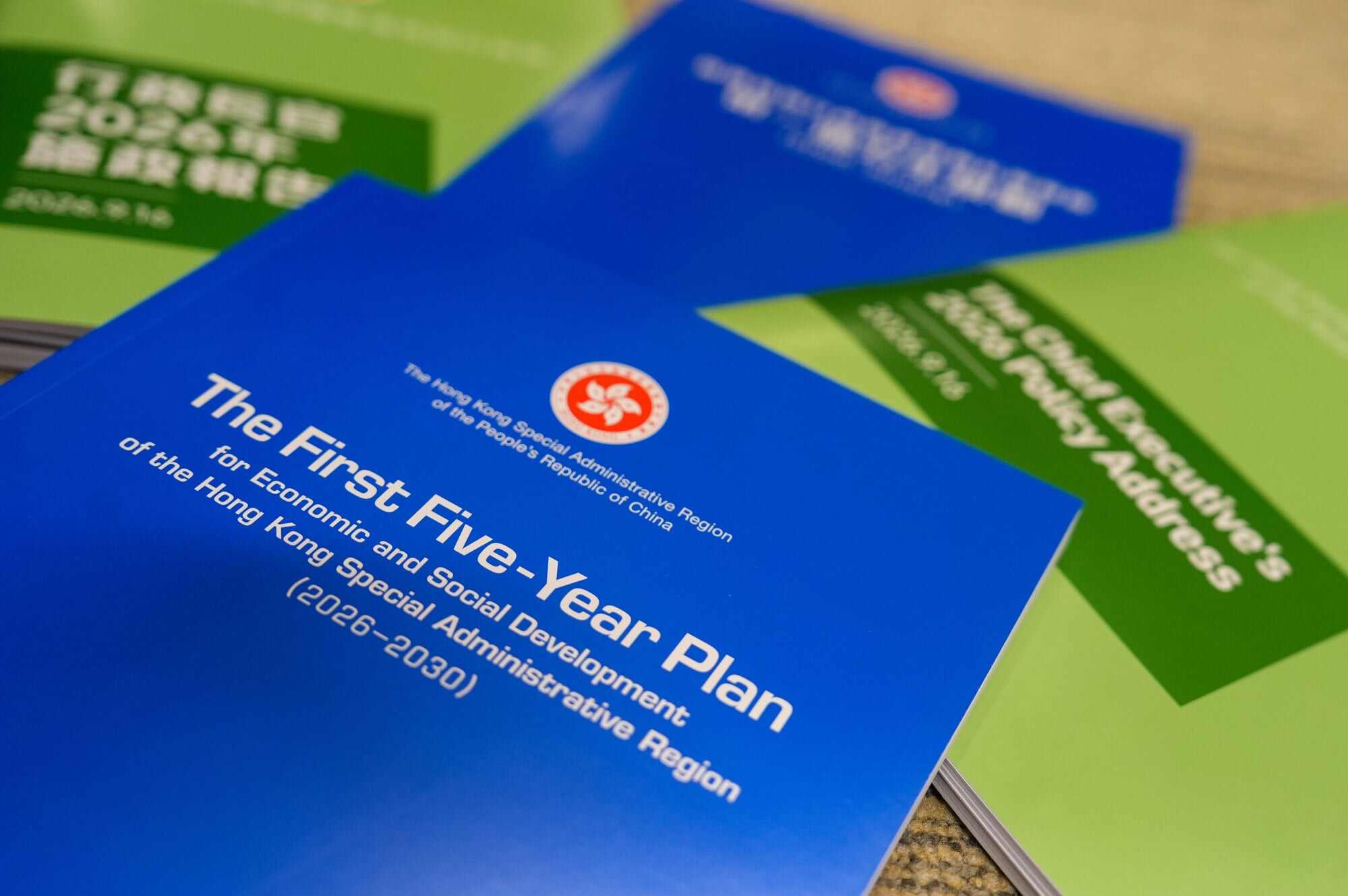
Chief Executive John Lee Ka-chiu unveiled the measures on Wednesday alongside the city’s first five-year strategic blueprint aimed at boosting global competitiveness.
Thirteen-year-old Megan Lam Hoi-ching said she was “impressed” by the blueprint and how it could alleviate some of the stress the city’s youth face.
“I worry a lot about AI taking over the job market after I graduate, so this sounds like a great plan to solve it. There’s a lot of money being put into helping young people and building new stuff,” said the Form Two student at Heep Yunn School.
“But some of it sounds like it will take forever to happen – like the [Northern Metropolis] university towns won’t be done until I’m basically a grown-up with a job. So I’m impressed by the big ideas, but I’ll believe the cool parts when I actually see them.”
Youth employment opportunities
For the government’s two-year “30,000 Youth Employment and Internship Programme”, which will begin in 2027, 16-year-old Cherish Chiu Cheuk-wing said it would help youth overcome early career barriers.
“Young people with limited or no work experience face [a] well-documented ‘catch-22’ – employers demanding experience, but no one will give them the first opportunity,” noted the Form Five student from Leung Shek Chee College.
“A government-backed scheme with business-sector partnership can break that cycle.”
The programme offers 10,000 full-time roles starting in 2027, with public subsidies covering up to HK$6,000 or one-third of monthly salaries for six months. This comes alongside expanded spots under the STEM Internship Scheme, the Home and Youth Affairs Bureau Youth Start-up Internship Programme and a Construction Industry Council training scheme.
In total, these programmes will provide at least 30,000 placements to help youth build their careers.
While Megan appreciated how this could help young people get their first jobs, she worried whether this short-term placement would translate into permanent roles.
“What if some companies just use young people for six months and then throw them away?” she asked.
“I think the government could enforce a new policy to ask the companies to at least keep a few of their top young employees employed by this programme.”
Year 13 student Huang Ziyan, from Harrow International School, also cautioned about the high demand for spots.
“One thing I might be aware of, though, is how this could end up being very, very popular and competitive,” the 17-year-old said.
Northern Metropolis university towns
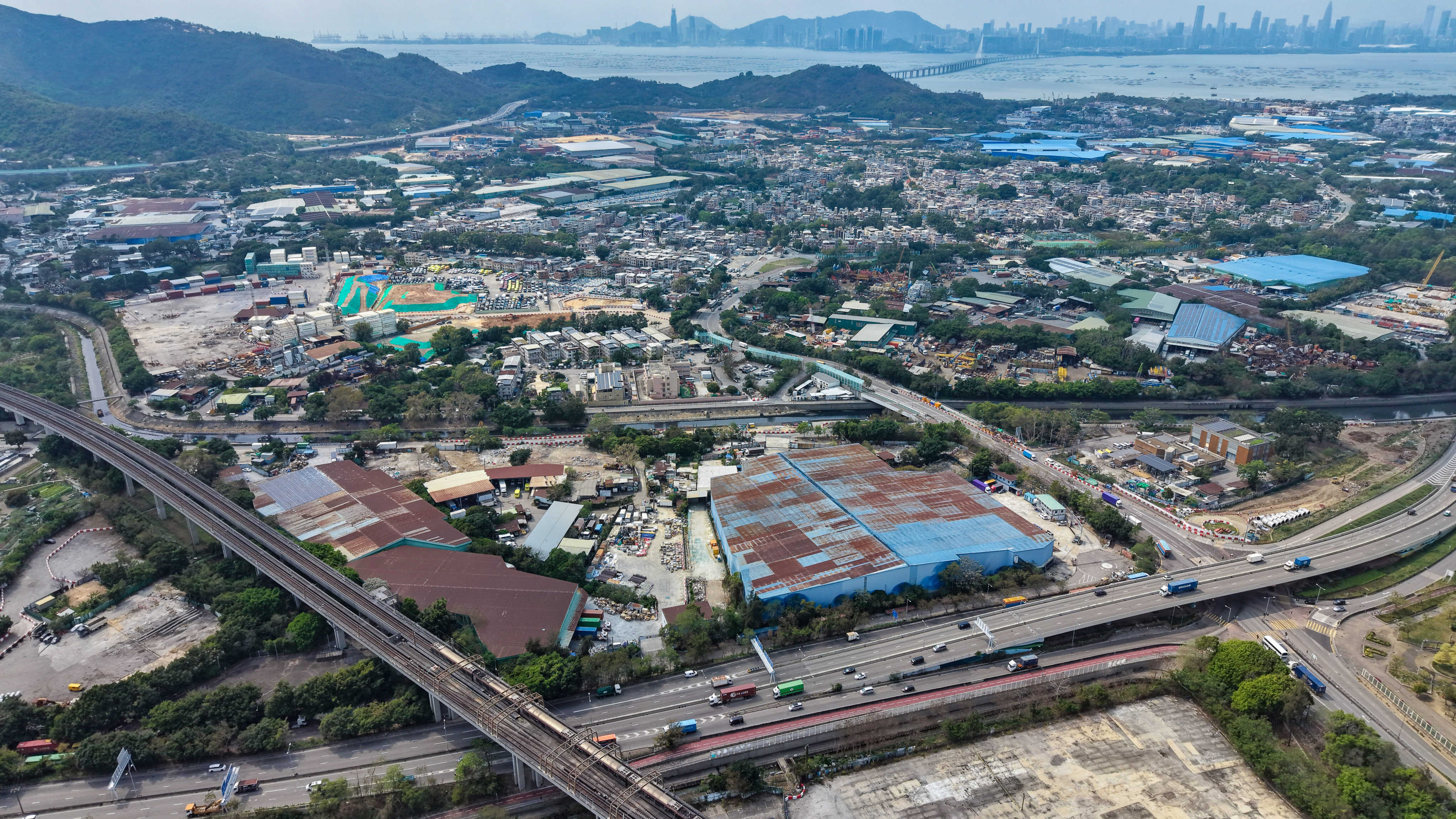
Beyond youth employment subsidies, the government also plans to expand tertiary education infrastructure through three dedicated university towns in the Northern Metropolis: Hung Shui Kiu, San Tin and Ta Kwu Ling.
Lee said the Hung Shui Kiu site would be prioritised, with invitations to construct campuses opening this year and land allocations expected by the 2027-28 academic year.
The university towns will operate under a “one town, five elements” framework, integrating education, technology, industry, talent and urban living across 1,000 hectares, including 300 hectares earmarked specifically for campuses.
Cherish pointed out that physically linking higher education with commercial sectors represented a crucial shift in the city.
“Traditional university campuses [in Hong Kong] are often isolated from industry and from the communities around them,” Cherish said.
“The framework acknowledges that universities do not exist in a vacuum – they are anchors for regional economies ... Concentrating universities, technology areas, industry areas and living communities in one place can generate the kind of innovation ecosystem seen in Cambridge, Boston or Shenzhen.”
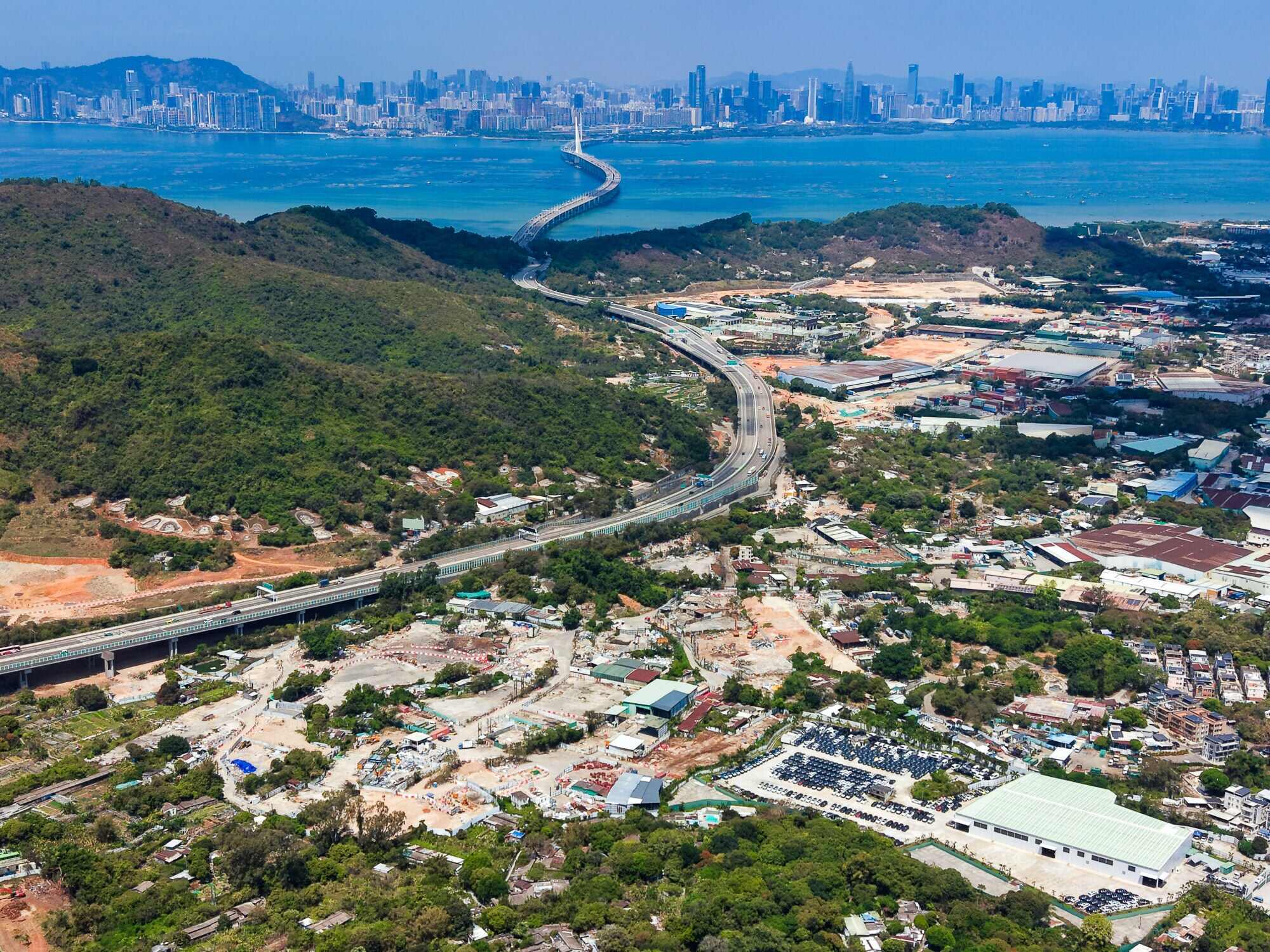
While Megan noted that the university towns would take years to build, she appreciated that it could help students get internships and jobs near their schools.
“It sounds like a good idea to put universities, tech companies and housing all in one place instead of having them scattered everywhere. That way, students don’t have to travel super far, and they can maybe get jobs nearby,” she said.
In addition to other requirements, institutions in the university towns will have to partner with renowned mainland Chinese and overseas institutions.
Ziyan noted that this could widen options for students seeking global exposure without moving overseas.
“If the plan to bring in many different universities and international institutions can truly be achieved, it would be amazing for students who want a global education and international exposure but cannot afford [it] or for other reasons cannot go abroad,” she said.
To further support higher education development, the government will allocate an additional HK$20 million per academic year for knowledge transfer starting in 2027-28 while increasing the annual quota for the Belt and Road Scholarship from 150 to 200 places.
These targeted youth initiatives form part of a macro-level strategy laid out by the chief executive.
By publishing a five-year plan alongside his annual policy address, Lee aligned Hong Kong’s economic trajectory directly with mainland China’s 15th five-year plan. Framing the city’s future around 22 major key performance indicators, Hong Kong’s plan signals an attempt to transition Hong Kong from short-term management to medium-term integration into the Greater Bay Area.