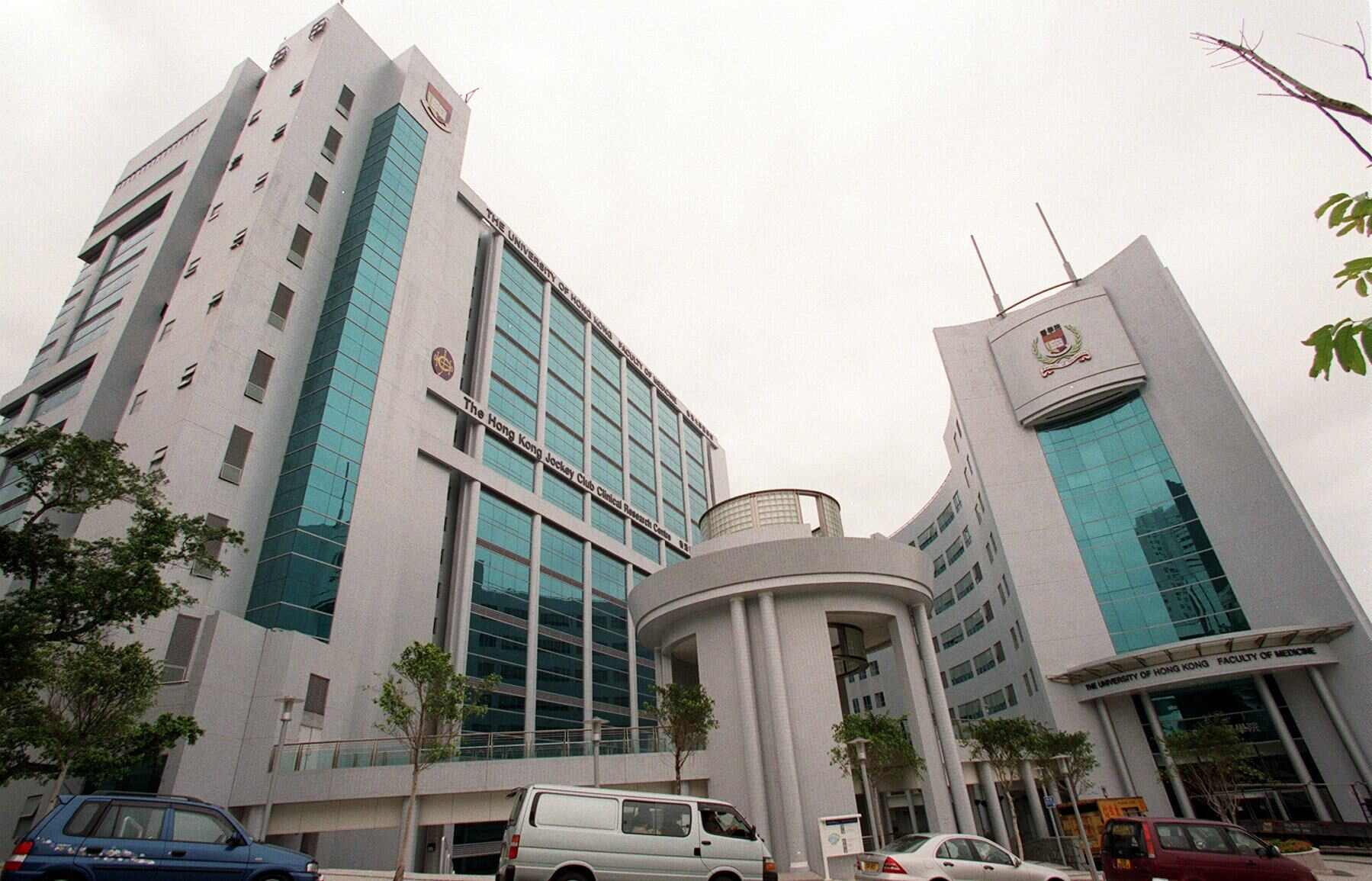
The University of Hong Kong (HKU) has reclaimed its status as the best university in Asia after 15 years, surpassing a mainland Chinese institution. Additionally, five other local universities have made it into the region’s top 10 for the first time.
Britain-based education information firm Quacquarelli Symonds (QS) said Hong Kong’s model – anchored in internationalisation, research excellence and targeted talent policies – showed how smaller systems could outperform larger ones through strategic focus. It added that the results would help the city’s institutions consolidate their leading position in Asia.
HKU beat the mainland’s Peking University in the latest chart, reclaiming the title it last held in 2010.
Of the 11 Hong Kong universities listed in the rankings, nine climbed while two slipped, with four achieving their best results to date.
HKU president Xiang Zhang said that the recognition was both an honour and a responsibility.
“At HKU, we view it not as an endpoint, but as an affirmation of our commitment to excellence in scholarship, global engagement and shaping this dynamic region’s future. Asia’s rise as a nexus of knowledge demands universities that are locally grounded yet globally minded,” he said.
“We will continue to push boundaries – not for rankings, but for meaningful impact.”
Rankings of Hong Kong universities surge
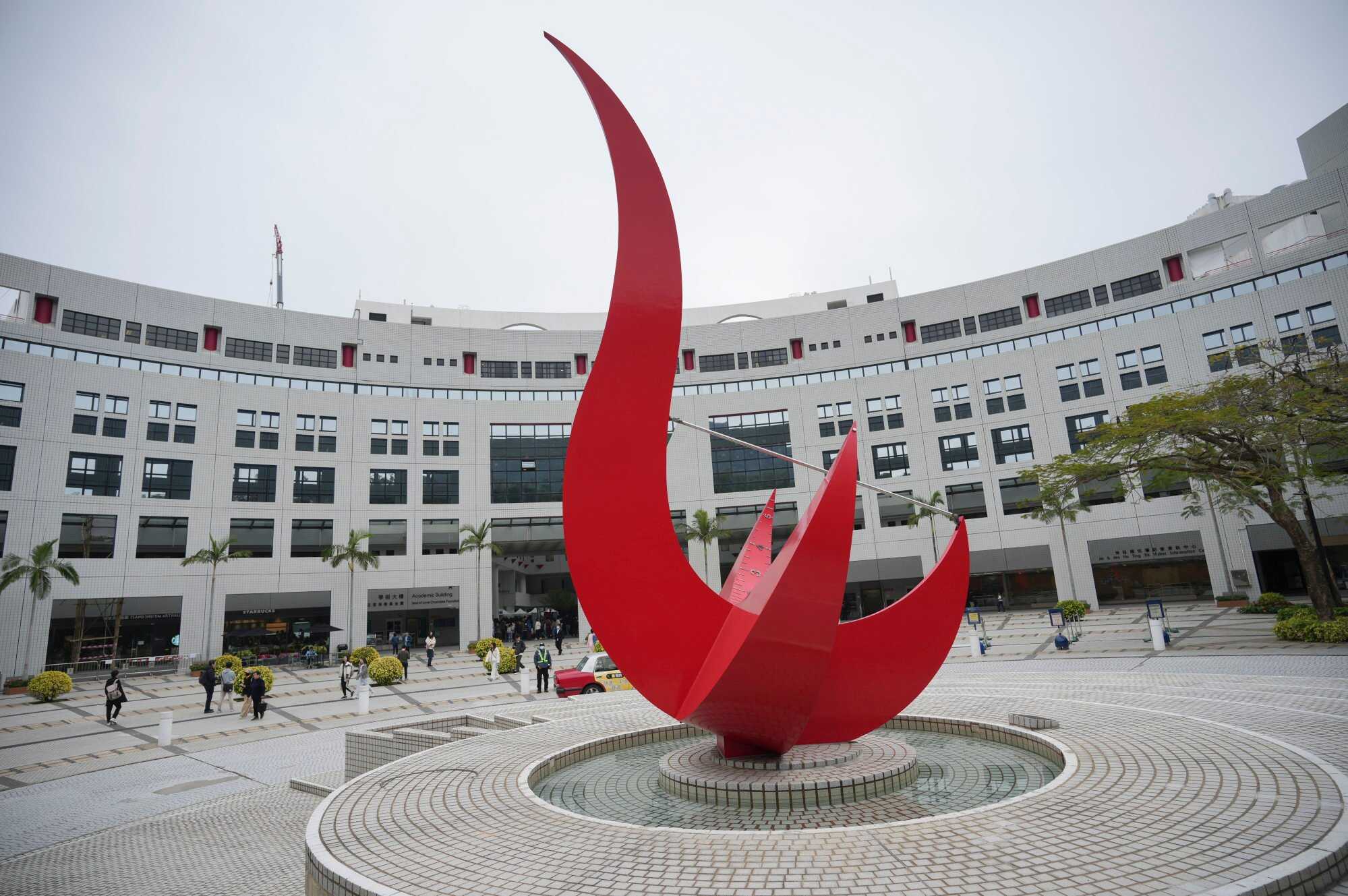
Hong Kong University of Science and Technology (HKUST) made a comeback this year, jumping from 11th to 6th and surpassing Chinese University (CUHK) and City University (CityU).
CUHK dropped one place to seventh, tying with CityU, which rose from 10th. Hong Kong Polytechnic University (PolyU) surged from 17th to 10th.
These five universities made up half of Asia’s top 10, rising from three last year.
Baptist University rose from 71st to 53rd, while the Education University (EdU) climbed from 212th to 152nd and Lingnan University from 188th to 181st.
Shue Yan University dropped to 360th from 342nd, while Metropolitan University (HKMU) rose significantly to 393rd from the 541st-560th band
Hang Seng University (HSU) climbed from the same band to 514th place.
PolyU, EdU, HKMU and HSU achieved their best-ever results this year.
This edition of the QS Asia Rankings is the largest ever, covering 1,527 universities across 25 higher education systems, including 558 first-time entrants.
Outside Hong Kong, Peking University ranked second, while the National University of Singapore remained in third place, sharing the position with Nanyang Technological University, which rose one spot from last year.
Fudan University remained in fifth place, while Tsinghua University fell two spots to ninth.
Why Hong Kong emerged a winner
QS senior vice-president Ben Sowter said Hong Kong had emerged as an international study destination in its own right, marking the first time in more than a decade that HKU had been crowned Asia’s best university.
Hong Kong is the most improved higher education system in this year’s rankings, boasting five of Asia’s top 10 universities, more than any other location, according to QS.
The ranking table is determined by 11 indicators, including academic reputation, proportion of faculty members with PhDs, graduate employability, research quality and productivity, and campus internationalisation.
QS said Hong Kong’s rise was driven by strong performance in indicators such as academic and employer reputation, international faculty and inbound exchange students.
“Hong Kong also attains Asia’s highest average score in academic reputation, surpassing Singapore ... in employer reputation, Hong Kong ranks second only to Singapore, reflecting strong industry linkages and graduate outcomes,” QS added.
QS also attributed Hong Kong’s ‘extraordinary rise’ to decisive government investment and policy reforms that had cemented the city’s role as a global hub for innovation and education.
Those initiatives included allocating HK$10 billion (US$1.3 billion) through the InnoHK innovation programme, introducing the Top Talent Pass Scheme to attract researchers and PhD holders, and enhancing support for student and researcher mobility to foster participation in inbound and outbound exchanges.
“These initiatives have created a research – industry – global ecosystem that sets Hong Kong apart as Asia’s most internationally connected higher education system. Its universities now act as bridges between mainland China and global academia, aligning national research priorities with extensive international collaboration,” QS said.
It added that geopolitical shifts were also influencing academic flows, as restrictions and uncertainties in some Western destinations had accelerated student movement to developing countries and less affluent cities, while Asia was increasingly regarded as a safe, high-quality and cost-competitive education hub.
“Hong Kong has emerged as a leading hub for intra-Asian student flows, with rising numbers of inbound students from mainland China, India and Southeast Asia,” it said.
“Hong Kong’s bilingual environment, academic excellence and world-class infrastructure have strengthened its role as a gateway between East and West, appealing to both regional and global students.”