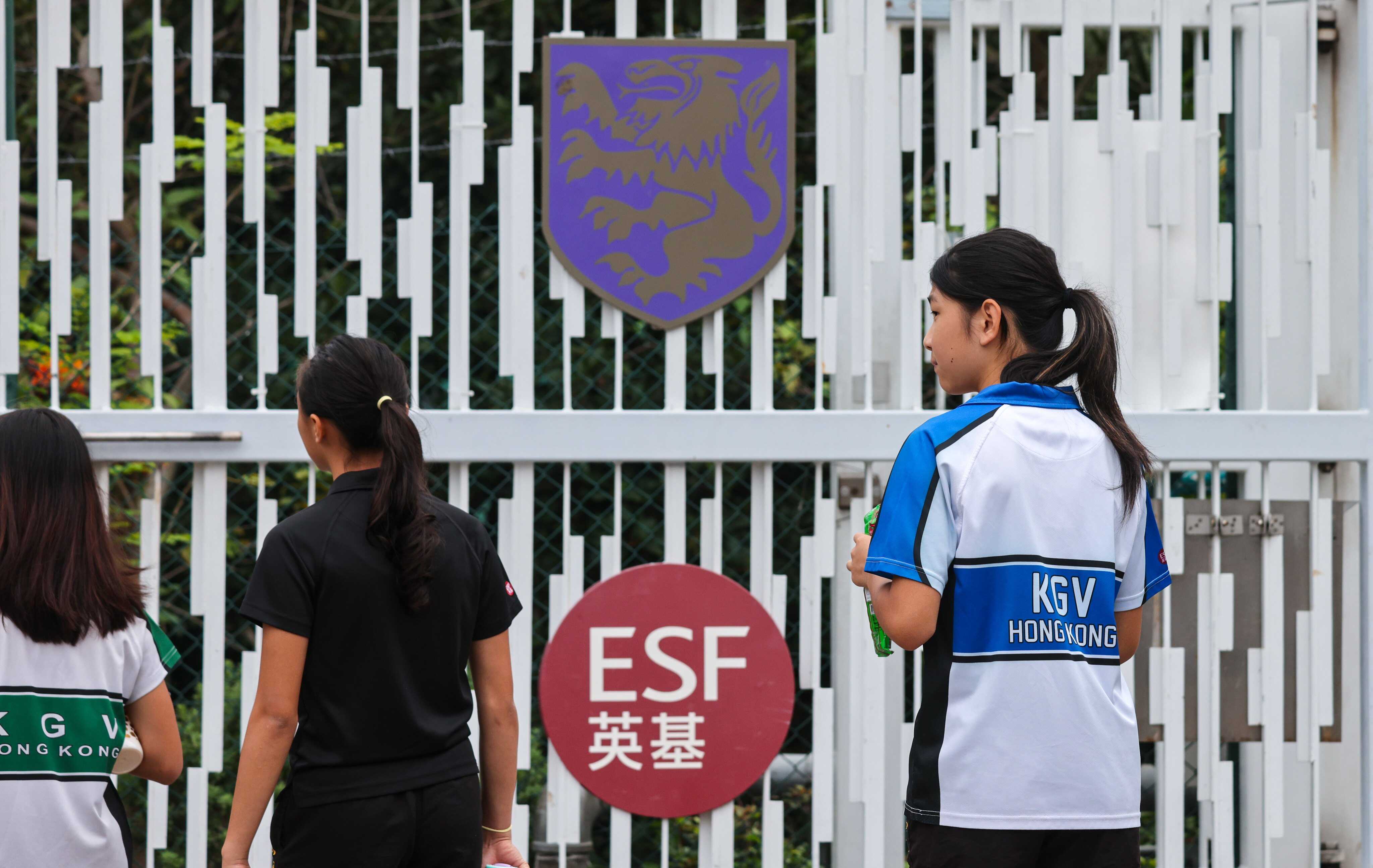
Hong Kong’s largest international school group intends to increase tuition fees by an average of 4.1 per cent for most of its primary and secondary divisions in the upcoming academic year. This will result in an increase of approximately HK$600 per month for primary students and HK$720 per month for secondary students. This fee adjustment is subject to approval by the relevant authorities.
The English Schools Foundation (ESF) also said that its kindergartens would raise fees by 5.8 per cent under the proposal.
At Discovery College in Discovery Bay on Lantau Island, one of the foundation’s private independent schools, secondary students would be charged HK$1,030 more per month, the largest absolute increase across ESF schools at 4.8 per cent, bringing fees to HK$22,390 for Years 7 to 11 and as high as HK$22,560 for Years 12 to 13.
ESF parents pay school fees in 10 monthly instalments.
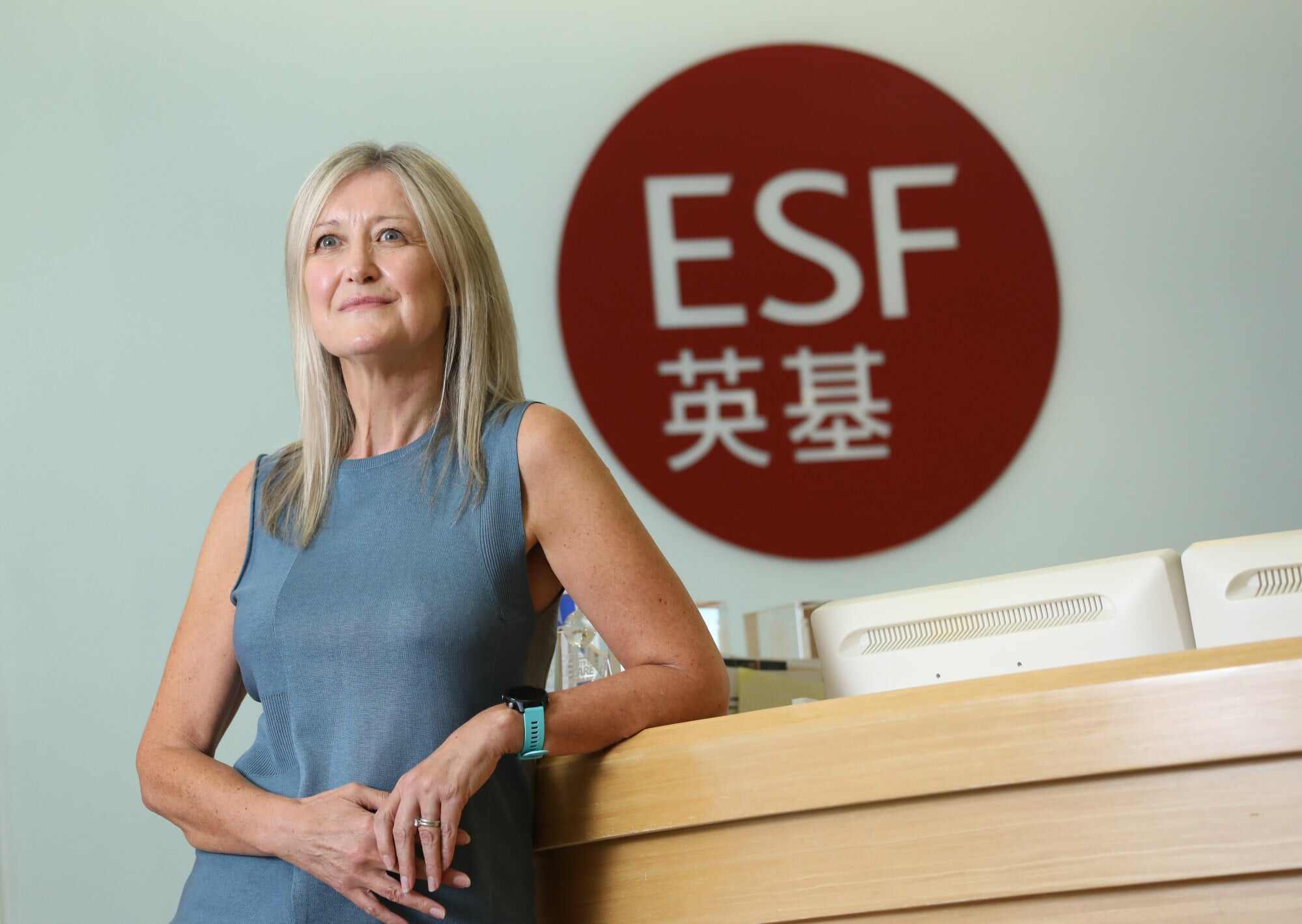
Foundation chief executive Belinda Greer said in a letter to parents that the average 4.1 per cent increase would allow the ESF to maintain teaching quality.
“To continue investing in our schools, our growing technology needs, and – most importantly – the exceptional teachers who inspire your children every day, the board has approved an average fee increase of 4.1 per cent,” she said.
Compared with the past two years, the proposed fee increase is smaller. The ESF applied for increases of 4.8 per cent for the 2025 school year and 5 per cent for 2024, both of which authorities eventually approved.
Under the proposal, kindergarten fees would rise by 5.8 per cent, with fees ranging from HK$107,200 to HK$126,600 for the coming school year. Each of the 10 instalments would increase by HK$590 to HK$690, reaching up to HK$12,660.
For most ESF primary and secondary international schools, parents would pay HK$600 to HK$720 more per month, equating to annual fees of HK$145,000 for primary and HK$188,300 for secondary if approved. Each of the 10 instalments would be HK$14,500 and HK$18,830, respectively.
Discovery College, one of ESF’s two private independent schools and the most expensive among them, will see fees rise by about 4.8 per cent, meaning parents will pay HK$780 more per month in the primary and HK$1,030 more in the secondary section, bringing each instalment to HK$16,990 and HK$22,560, respectively.
Renaissance College in Ma On Shan, ESF’s other private independent school, would raise fees by 4.1 per cent to HK$154,200 for primary and between HK$201,500 and HK$203,700 for secondary levels. This means monthly instalments of HK$15,420 for primary and up to HK$20,370 for secondary, with increases ranging from HK$610 to HK$880.
Unlike international schools, which mainly serve non-local students, private independent schools in Hong Kong primarily serve local families seeking alternatives to public sector institutions and must ensure that at least 70 per cent of their students are Hong Kong permanent residents.
Greer said the ESF’s fees remained among “the most affordable”.
“We know we are living in uncertain times, and we are mindful of the economic pressures many families face. Please be assured that our commitment to providing ‘best value’ remains our top priority. By managing our costs carefully, we are proud to remain one of the most affordable international school groups in Hong Kong,” she said.
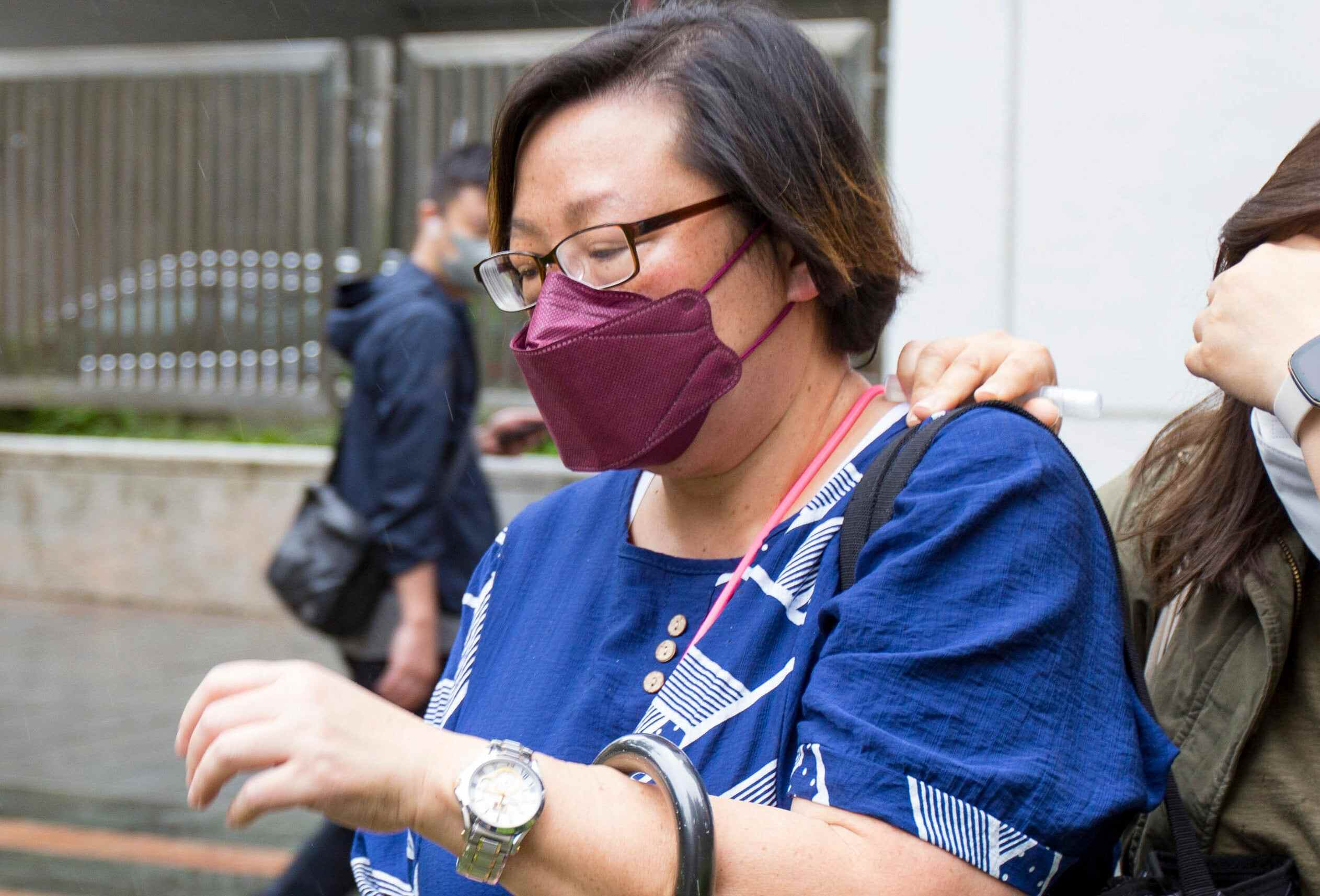
Fanny Wong*, a parent at Renaissance College, said the proposed increase was “quite significant”.
“While the current inflation rate in Hong Kong is between 1.7 and 1.8 per cent and the overall economic situation has not improved, a 4 per cent increase in school fees, though lower than last year’s, still feels quite high,” she said.
Wong said the quality of ESF’s secondary education had not improved significantly, though its kindergarten and primary levels offered value for money.
“Despite the relatively high fee increases, I have not observed any significant enhancement in the quality of education each year. This isn’t the first time I’ve attended a teacher-parent meeting without receiving specific feedback about my child. As a result, I have decided to stop attending these meetings as the teachers seem unaware of my child’s progress,” she added.
“Their comments are often generic and lack individual attention. I feel that the quality of teaching does not align with the substantial fees. While I understand that a significant portion of the fees goes towards teacher salaries, the service does not justify the costs.”
Wong acknowledged the strong ESF public exam results but saw no direct link to teaching quality.
“I credit the outcomes to the school’s strong learning culture and IB [International Baccalaureate] curriculum, which drive student excellence, rather than the teaching quality itself,” she said.
*Name changed at the interviewee’s request.