Hong Kong’s strong tutoring and exam-preparation culture has contributed to the impressive performance of local students in the International Baccalaureate (IB) exams, according to school principals, after the city outperformed the global average by nearly 20 per cent.
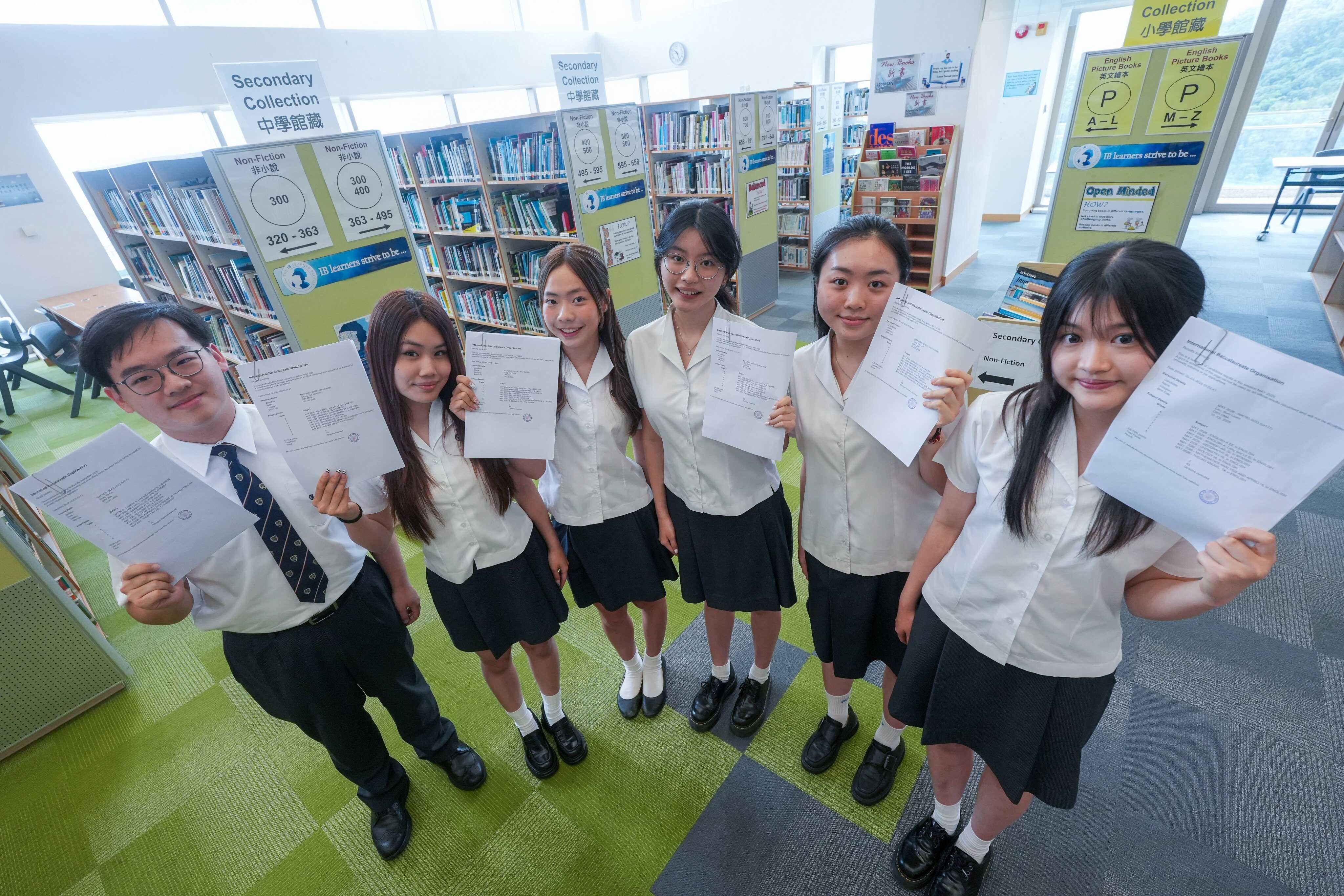
At least 73 students from 17 Hong Kong schools achieved perfect scores in the latest IB Diploma Programme this year, with official data showing the city’s overall average score and its proportion of top-tier achievers significantly surpassed those of other regions.
Hong Kong students secured an average score of 37.02 points, nearly 20 per cent higher than the global average of 30.88.
In comparison, reports from various countries indicate that students in the United Kingdom obtained an average of 35.11, those in Singapore scored 35.67 and pupils in the United Arab Emirates got 34.5.
In terms of subject performance, Hong Kong candidates achieved an average grade of 5.83 out of a maximum of seven points, exceeding the global subject average of 4.93.
Among the 2,912 candidates in Hong Kong, 1,012 students scored between 40 and 45 points, meaning that high-achievers accounted for 35 per cent of the local cohort.
Historical data from the previous three years showed that only about 10 per cent of candidates worldwide successfully secured a score within that range.
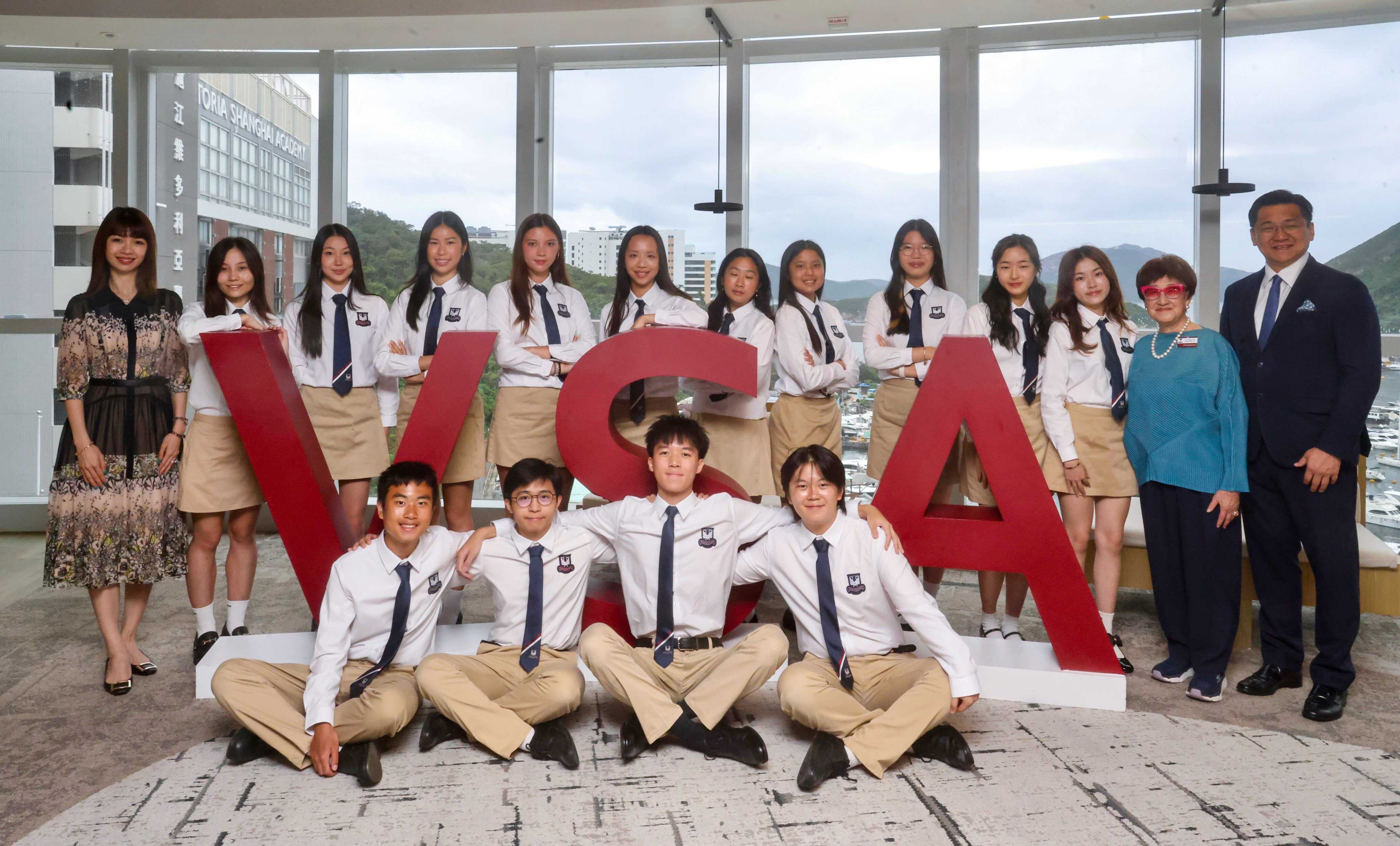
Shirla Sum, secondary school principal of the Victoria Shanghai Academy (VSA), noted that Hong Kong attracted top-tier, highly experienced IB teachers from around the world.
Experienced teachers understood exactly what IB examiners were looking for, ensuring students received precise feedback and guidance, she said.
“Many schools in Hong Kong that run IB programmes recruit globally for the most experienced IB teachers … teachers get very excited about the opportunities to come work in Hong Kong,” Sum said.
“Hong Kong has great schools. We offer fantastic packages, and they find Hong Kong a great destination to teach in.”
This year, the VSA had nine students attaining the maximum 45 points – a record. The average score among its pupils was 39.
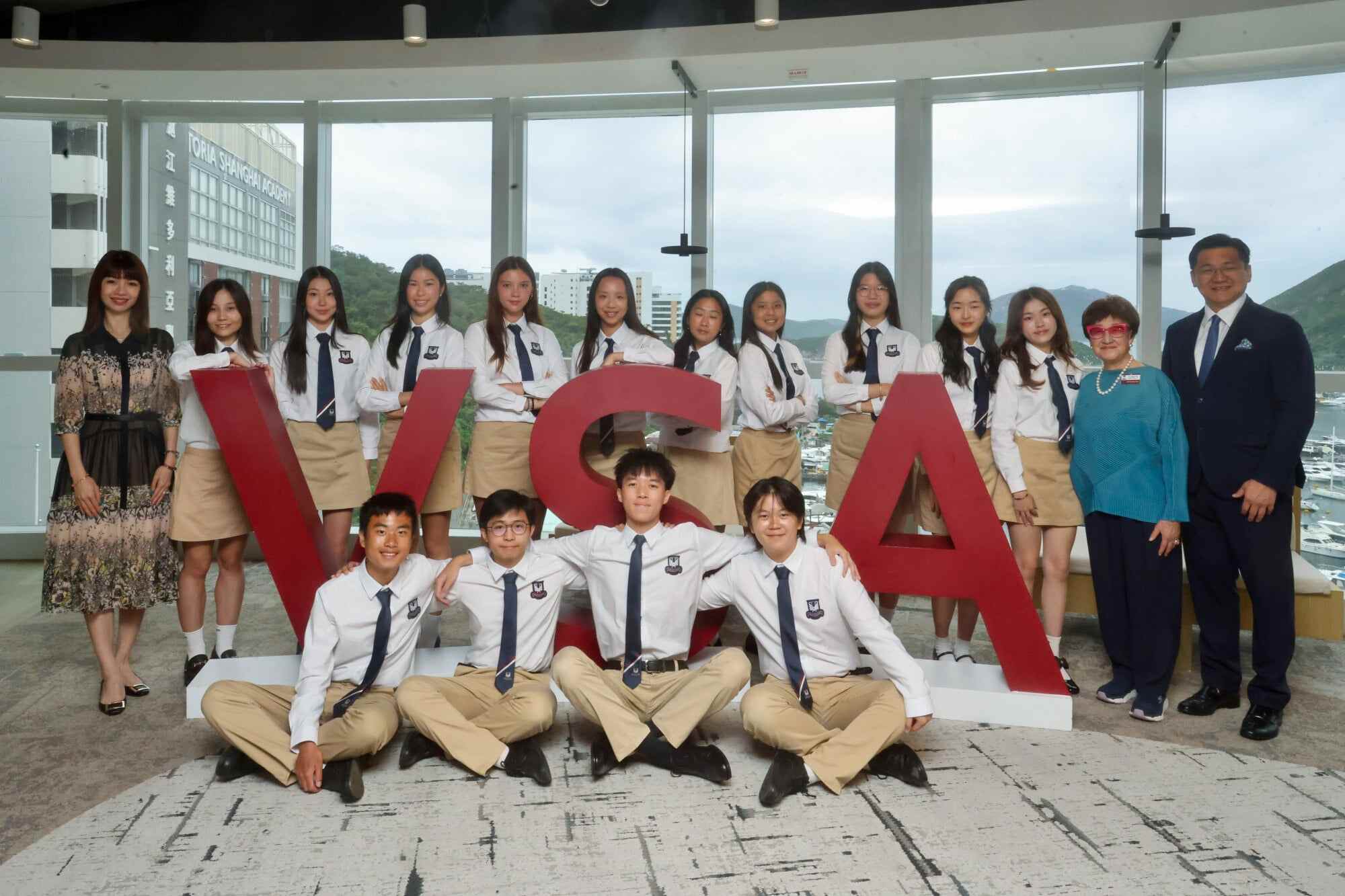
Sum said the secret to getting more high-achieving students into the elite bracket of scoring more than 40 points was to focus on skills development, rather than memorising course material.
“One thing people need to understand about the IB is that it is really beyond just memorisation of content. To get 40 and above, it really assesses the students’ critical thinking skills, research skills and communication skills,” she said.
“There’s a lot of talk about AI and all that replacing humans. The fact that we have shifted the focus to transferable skills and lifelong skills really distinguishes students who reach the 30-mark bracket versus those in the 40s.”
She stressed that teachers at the VSA had become more focused on developing students’ research and self-management skills, noting they were essential for writing the IB’s 4,000-word extended essays (EEs) and university applications.
“Research skills are not just about data collection, but really analysing the data sources. Analysing the credibility of the sources,” Sum said.
“That’s really what distinguishes an EE that gets a B from an EE that gets an A.”
Meanwhile, students at Po Leung Kuk Ngan Po Ling College scored 41.4 on average, outperforming many IB schools in Hong Kong.
It also ranked fourth among the nearly 20 schools in Hong Kong that announced their students’ IB results.
Shirla Sum, secondary school principal of the Victoria Shanghai Academy (VSA), noted that Hong Kong attracted top-tier, highly experienced IB teachers from around the world.
Experienced teachers understood exactly what IB examiners were looking for, ensuring students received precise feedback and guidance, she said.
“Many schools in Hong Kong that run IB programmes recruit globally for the most experienced IB teachers … teachers get very excited about the opportunities to come work in Hong Kong,” Sum said.
“Hong Kong has great schools. We offer fantastic packages, and they find Hong Kong a great destination to teach in.”
This year, the VSA had nine students attaining the maximum 45 points – a record. The average score among its pupils was 39.
Sum said the secret to getting more high-achieving students into the elite bracket of scoring more than 40 points was to focus on skills development, rather than memorising course material.
“One thing people need to understand about the IB is that it is really beyond just memorisation of content. To get 40 and above, it really assesses the students’ critical thinking skills, research skills and communication skills,” she said.
“There’s a lot of talk about AI and all that replacing humans. The fact that we have shifted the focus to transferable skills and lifelong skills really distinguishes students who reach the 30-mark bracket versus those in the 40s.”
She stressed that teachers at the VSA had become more focused on developing students’ research and self-management skills, noting they were essential for writing the IB’s 4,000-word extended essays (EEs) and university applications.
“Research skills are not just about data collection, but really analysing the data sources. Analysing the credibility of the sources,” Sum said.
“That’s really what distinguishes an EE that gets a B from an EE that gets an A.”
Meanwhile, students at Po Leung Kuk Ngan Po Ling College scored 41.4 on average, outperforming many IB schools in Hong Kong.
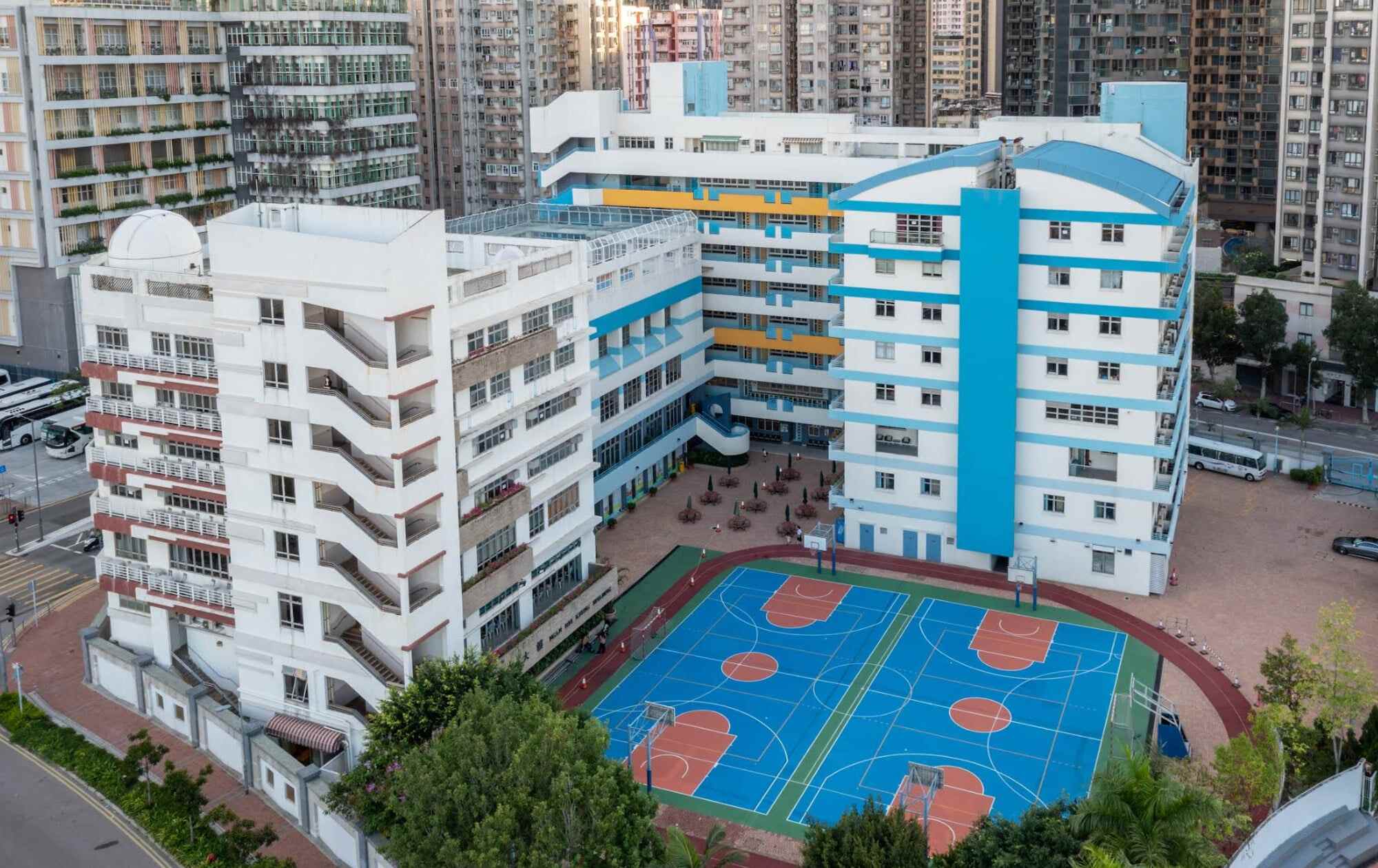
It also ranked fourth among the nearly 20 schools in Hong Kong that announced their students’ IB results.
Chau Chor-shing, principal of the Direct Subsidy Scheme (DSS) school, observed that the IB remains a written exam at its core, requiring a level of rigorous drilling that Chinese students traditionally excel at.
He noted that because the IB must be answered in English, Hong Kong students benefit from higher English proficiency and greater language exposure compared with their mainland counterparts, allowing local candidates to cite richer examples in their answers.
He said another major driver of these high averages was the selective nature of the programmes, explaining that certain schools, including his own, only permitted a specific number of students to pursue the IB pathway.
Candidates must rank at least at mid-level among their year group to qualify, ensuring that the stream is not open to everyone. For instance, while his school admits up to 164 Form One students, only 30 can enter the IB stream when they reach senior years.
Other DSS schools offering dual programmes alongside the home-grown Diploma of Secondary Education (DSE) similarly require students to reach a strict academic threshold to take the IB.
Unlike other regions where students can take the IB for free without a selective screening process, all DSS schools in Hong Kong charge tuition.
As of the 2025-26 academic year, students at Ngan Po Ling College and the VSA sitting the final two years of the IB programme must pay annual fees of HK$96,500 or HK$270,450, respectively.
Chau said the high cost meant that children taking the IB programme typically came from middle-class families or even higher up the socio-economic ladder, with such households attaching greater importance to academic performance.
The DSS school principal also noted that Hong Kong’s intense private tutoring culture was another important factor, adding that fees for IB tutorial courses were typically much higher than the cost of DSE ones.
He added that his school hired its own recent IB graduates to run remedial and enrichment courses, a peer-to-peer approach which Chau said had proved highly cost-effective.