When Louis Fong Lok-man was in primary school, a congenital heart condition meant that hospital visits often disrupted his studies.
He was also diagnosed with autism and ADHD, or attention-deficit/hyperactivity disorder. Concentrating in school was often a tough task.
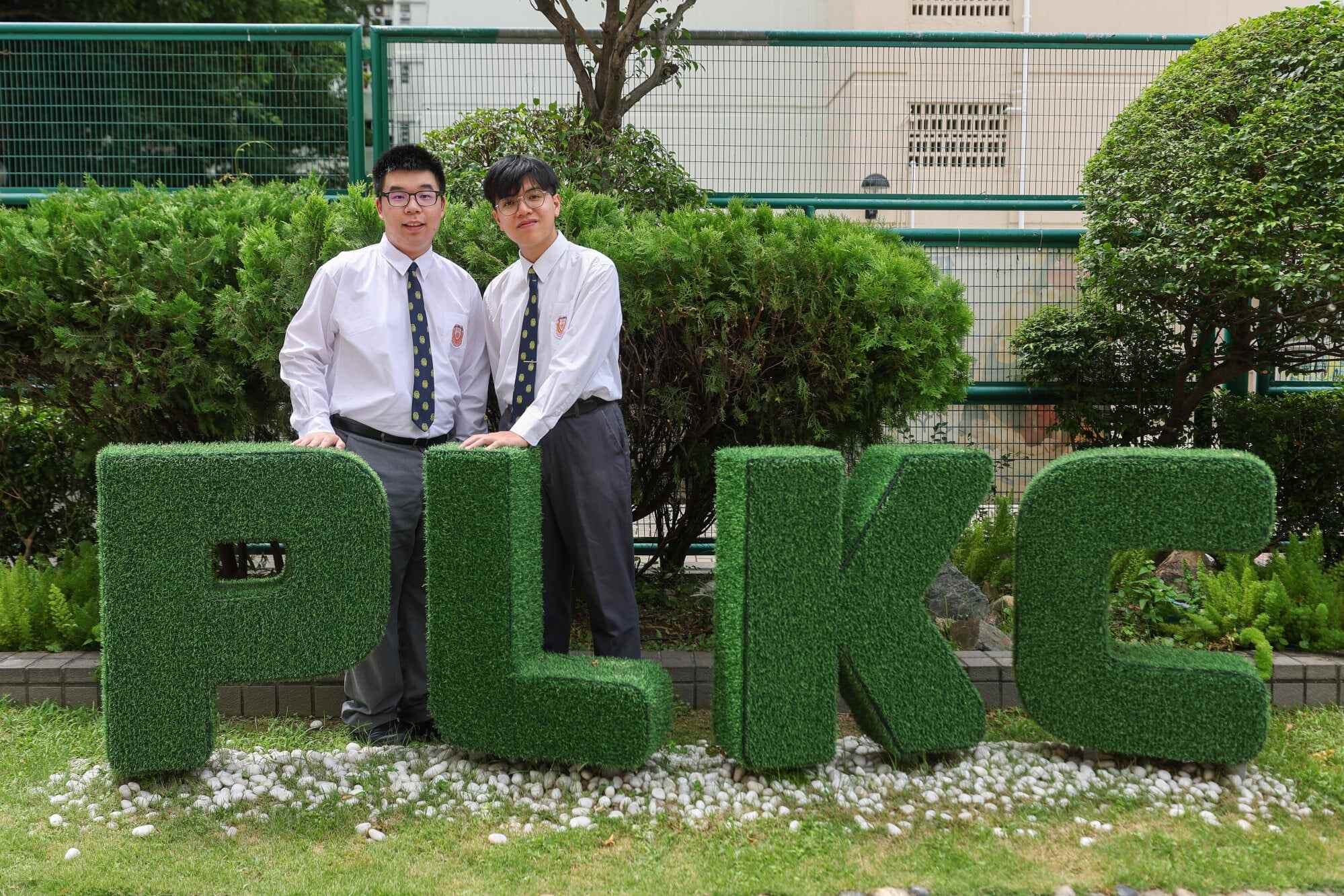
“Even if someone opened a door outside the classroom or something moved in my peripheral vision, I would lose my focus,” recalled the 17-year-old, who recently graduated from Po Leung Kuk Centenary Li Shiu Chung Memorial College in Tuen Mun.
Still, Fong was determined to excel academically. This desire also led to a lasting friendship.
Fong vividly remembers how he broke the ice with Joe Lai Yat-long when they were in Form One.
“He was ranked first in the exam, so I approached him and wanted to be friends with him,” Fong said.
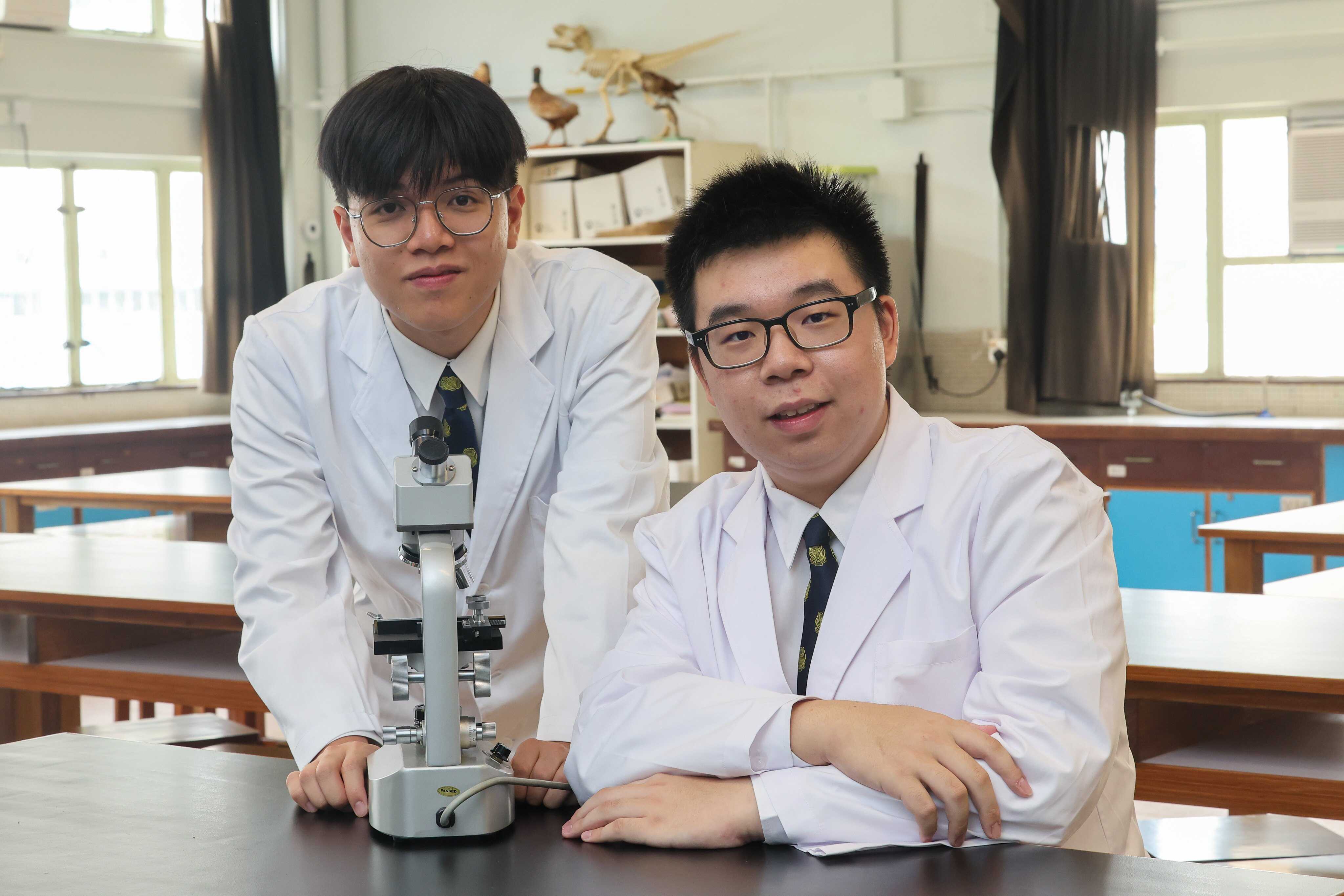
Together, they embarked on a six-year journey. Both took physics, chemistry and biology, and they also self-studied for the mathematics extended part module 2 for the Diploma of Secondary Education Examination (DSE).
Not only have they become sources of inspiration for each other, but they are also heading to one of the world’s top universities together – the University of Cambridge in Britain, where they both plan to study natural sciences.
Although they come from working-class families, they believe that opportunities to learn should not be limited by one’s circumstances.
For example, Lai, 18, noted that extracurricular programmes were not the only sources for gaining knowledge.
“There are so many resources online ... Even if you don’t attend a university programme, you can watch lectures from institutions like MIT [Massachusetts Institute of Technology],” he said.
“Although I come from a working-class background, I don’t think that will stop me from exploring the world.”
Curiosity and drive
Fong and Lai were among the thousands of Hong Kong students who received their DSE results last Wednesday. Fong scored a 5** in five subjects as well as in the extended mathematics module.
Prior to DSE results day, he had received a conditional offer to study theoretical physics at Imperial College London and considered pursuing medicine at the Chinese University of Hong Kong (CUHK).
Years spent as a patient sparked his interest in medicine, and shadowing medical students at CUHK showed him how healthcare is powered by physics.
“I [hope] to apply physics ... to perform certain medical procedures,” Fong said. “If I get the chance, I’d like to help treat patients, including those with congenital heart conditions.”
His DSE results reflect years of hard work and studying, which looked different for Fong than it would for many neurotypical students.
Instead of sitting at a desk, he would memorise notes while pacing around a room. His family adapted by keeping the house as quiet as possible during his revision, while teachers put him in the first row to minimise distractions in class.
Fong said his parents gave him a lot of support.
His mother cooked and delivered home-made lunches every day, while his father helped him relax by playing chess and video games with him after exams.
“My family never forced me to get perfect grades because they knew I had special educational needs,” he said.
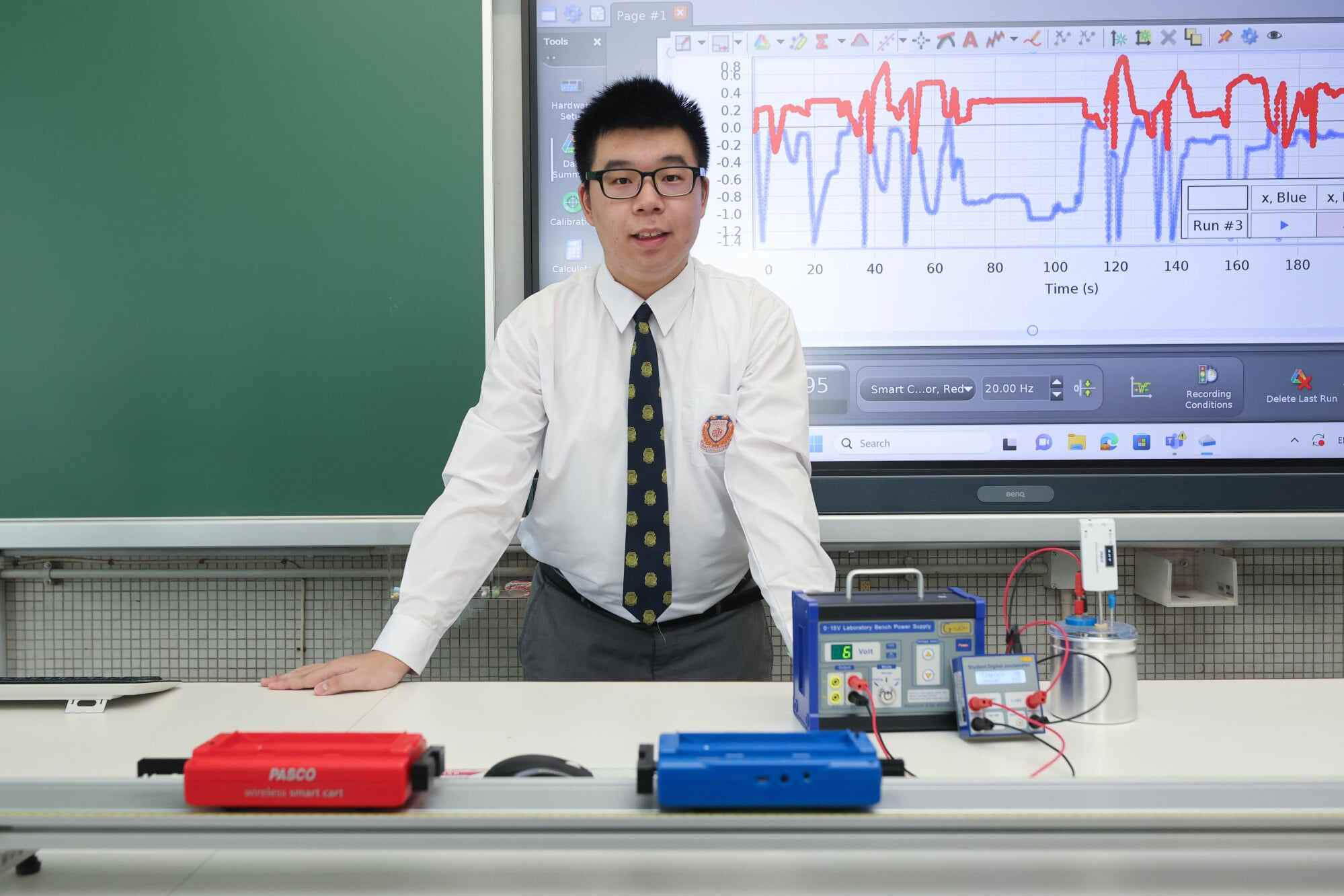
The power of research
Lai, who scored 5** in four subjects, also received conditional offers to study biochemistry at Imperial College London and medicine at CUHK before results day.
He has long nurtured his love of science. As a child, Lai devoured science magazines and books before exploring online lectures and academic papers.
“My school [also] gave me opportunities to participate in different competitions, and I gradually discovered how much I enjoyed science,” Lai said.
In 2023, he represented Hong Kong at the International Junior Science Olympiad, winning a gold medal. In Form Four, he joined research projects at Polytechnic University about electrocatalysis and protein separation, strengthening his desire to pursue scientific research.
Living with his grandparents growing up shaped his interest in improving people’s quality of life.
“As they grow older, I’ve seen changes in their eyesight and mobility. Those experiences made me think about how I could help them,” Lai said. “I’m particularly interested in ageing and life sciences.”
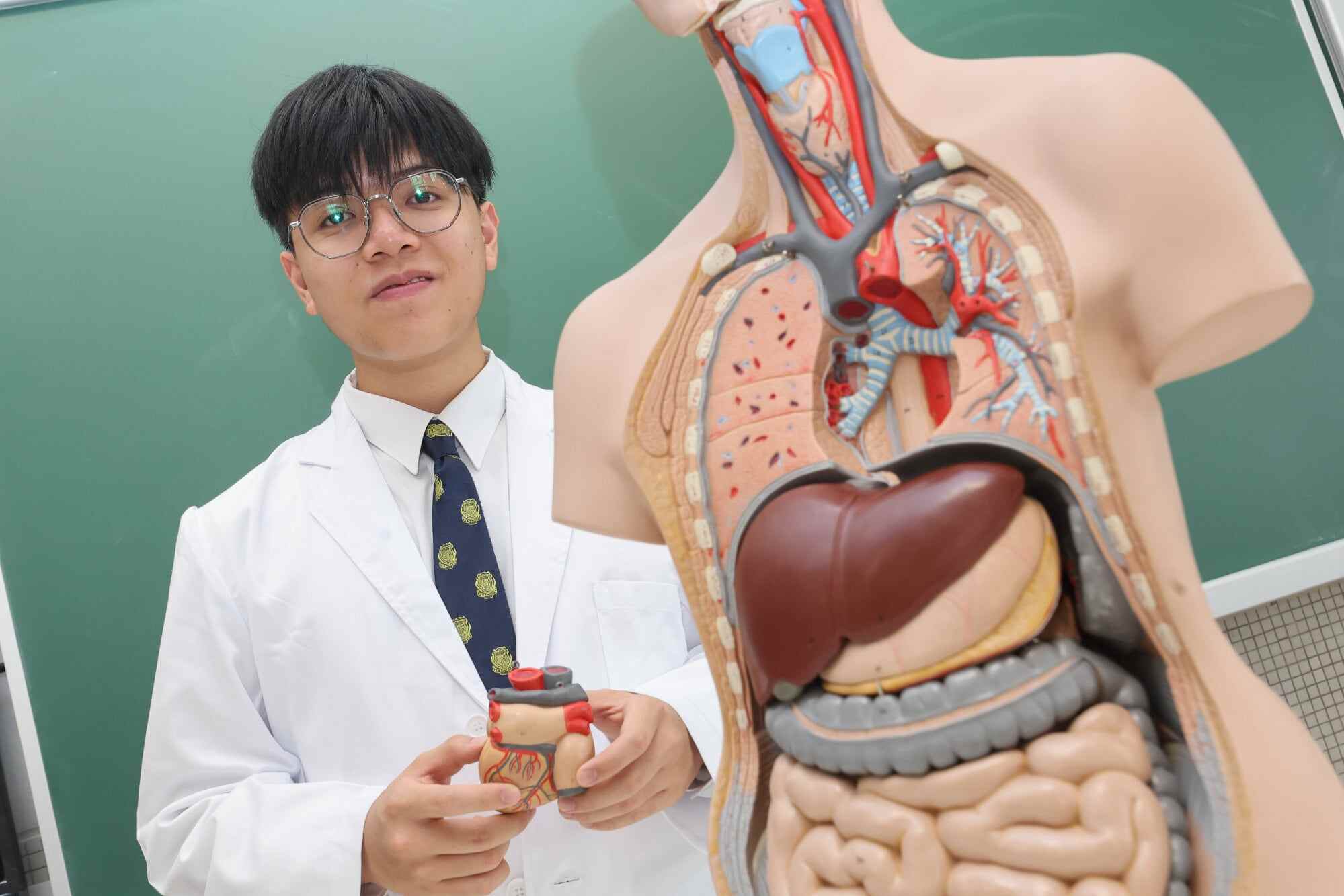
A friendship built on learning
Their friendship was never about competition. Instead, they encouraged one another to become better learners. Lai shared that Fong would challenge him to dig deeper into his passion.
“[He] is good at pointing out the nuances of certain concepts or phenomena by sharing challenging questions with me,” Lai said.
Looking back on his journey, Fong hopes to encourage other students with special educational needs.
“Don’t put too much pressure on yourself,” he said. “There’s no need to stress too much ... Whatever you’ve done, people will see it. Whether you succeed or not, what you’ve achieved is yours to keep.”
This story has been updated to reflect Lai and Fong’s DSE results.