Every week, Talking Points gives you a worksheet to practise your reading comprehension with exercises about the story we’ve written.
Before exams, it is common to feel stressed and overwhelmed. These emotions can make it difficult to concentrate, eat and sleep.
However, yoga and mindfulness can help you feel more mentally and physically prepared for your exams by relieving stress and tension in your body and mind. After each exercise, take a moment to stand still and notice any sensations you feel in your body.
Twist out tension
This exercise helps loosen your body and allows you to stand up if you have been sitting and studying for a while. Make sure you have enough space and stand away from any objects. Begin by stepping your feet slightly wider than hip-width apart and bending your knees slightly.
Stretch your arms out to the sides, aligned with your shoulders. Slowly twist your upper body from left to right, allowing your arms to move freely and gently touch your body as you twist. Move your head along with your body.
Experiment with different speeds, moving faster or slower as you wish. If it feels more comfortable, you can close your eyes. Continue this movement for at least 30 seconds. If you start to feel dizzy, slow down or stop the exercise.
Standing forward fold
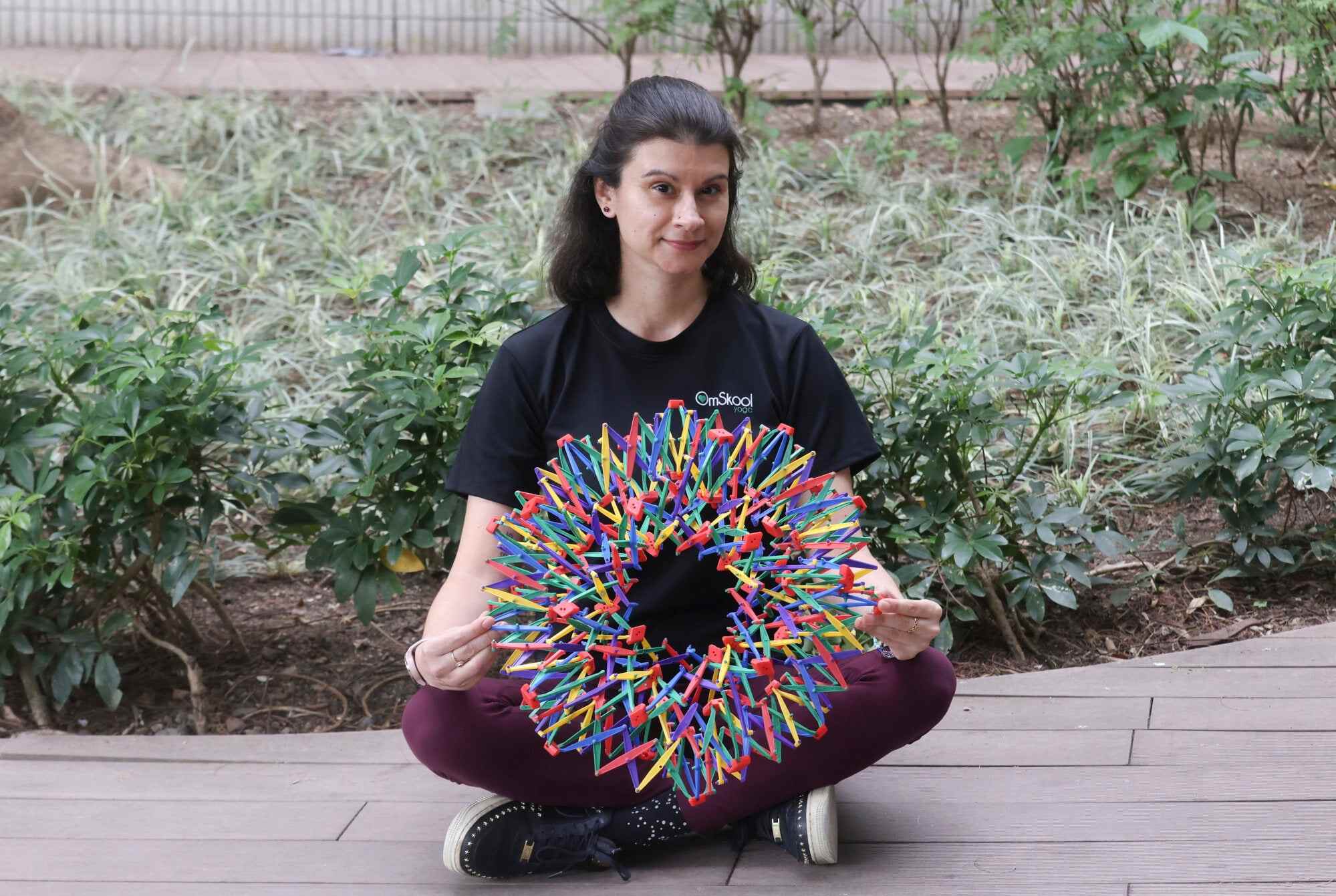
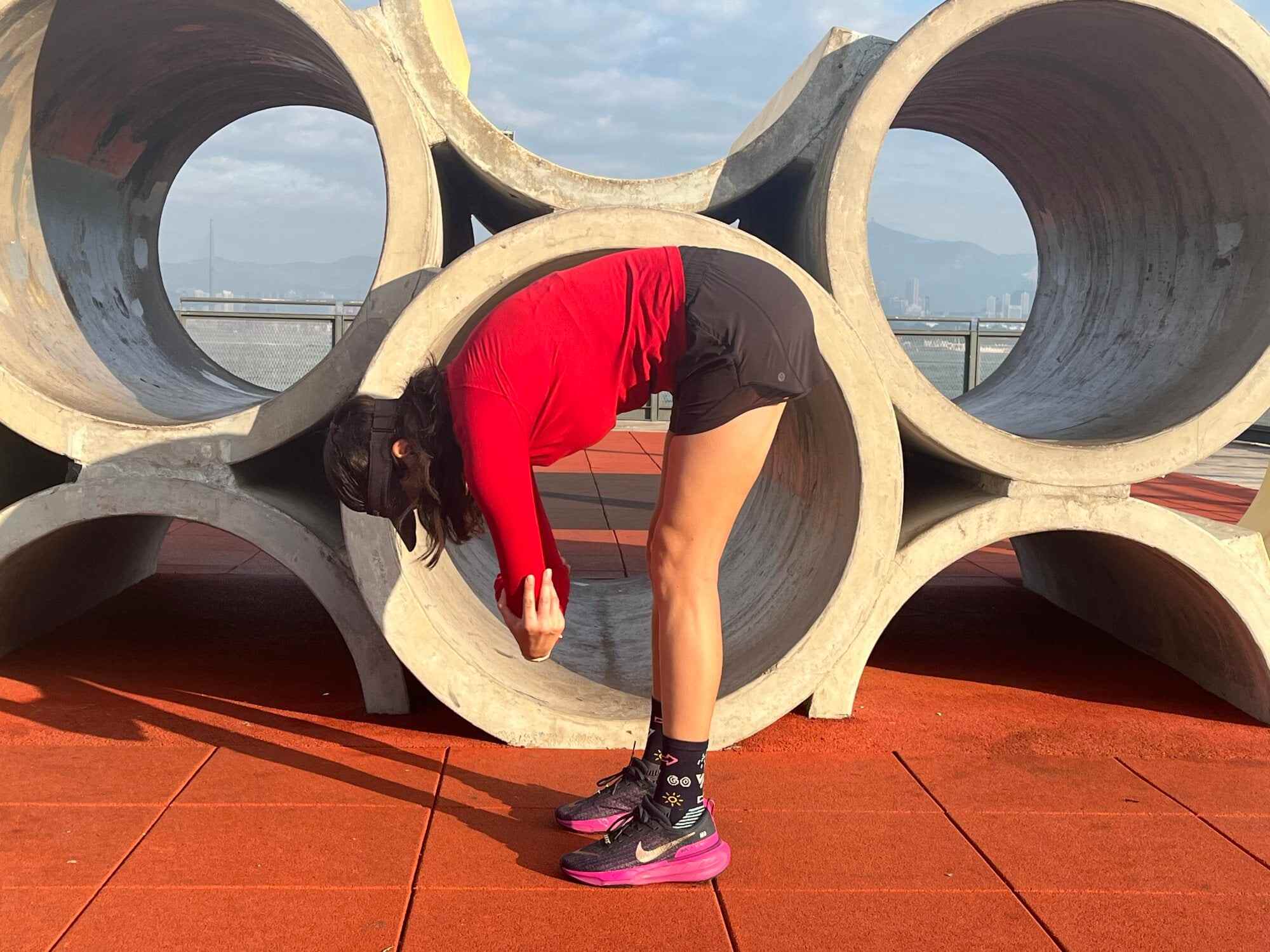
This yoga pose can help relieve stress-related headaches by increasing blood circulation to the brain, leaving you feeling refreshed. It’s also beneficial for neck pain caused by too much screen time or studying, as it helps lengthen the back of the neck.
Start by standing with your feet about hip-width apart. Bend your knees slightly. Take a deep breath in, and as you exhale, fold forward, allowing your torso and head to relax. Let your arms hang freely and gently swing them from side to side.
Stay in this position for five breaths. After that, tuck your chin to your chest, press into your feet, and as you breathe in, lift yourself back up to a standing position.
Eye refresh
Reading or looking at a screen for extended periods can strain your eyes. This soothing eye exercise can provide a helpful break from studying.
To begin, sit up and close your eyes. Take five slow, deep breaths. Next, open your eyes and visualise a numbered clock.
Keeping your head still, shift your gaze to different positions on the clock, pausing at each number to breathe in and out once. Start at the 12 o’clock position, and then move down to 6. Shift your gaze to 3, then to 9. Look towards 1 and across to 7. Finally, move to 11 and finish at 5. You can repeat this exercise up to two times.
Then, close your eyes and take five slow breaths. Rub your hands together to generate some heat. Then, cup your hands over your eyes and slowly open them.
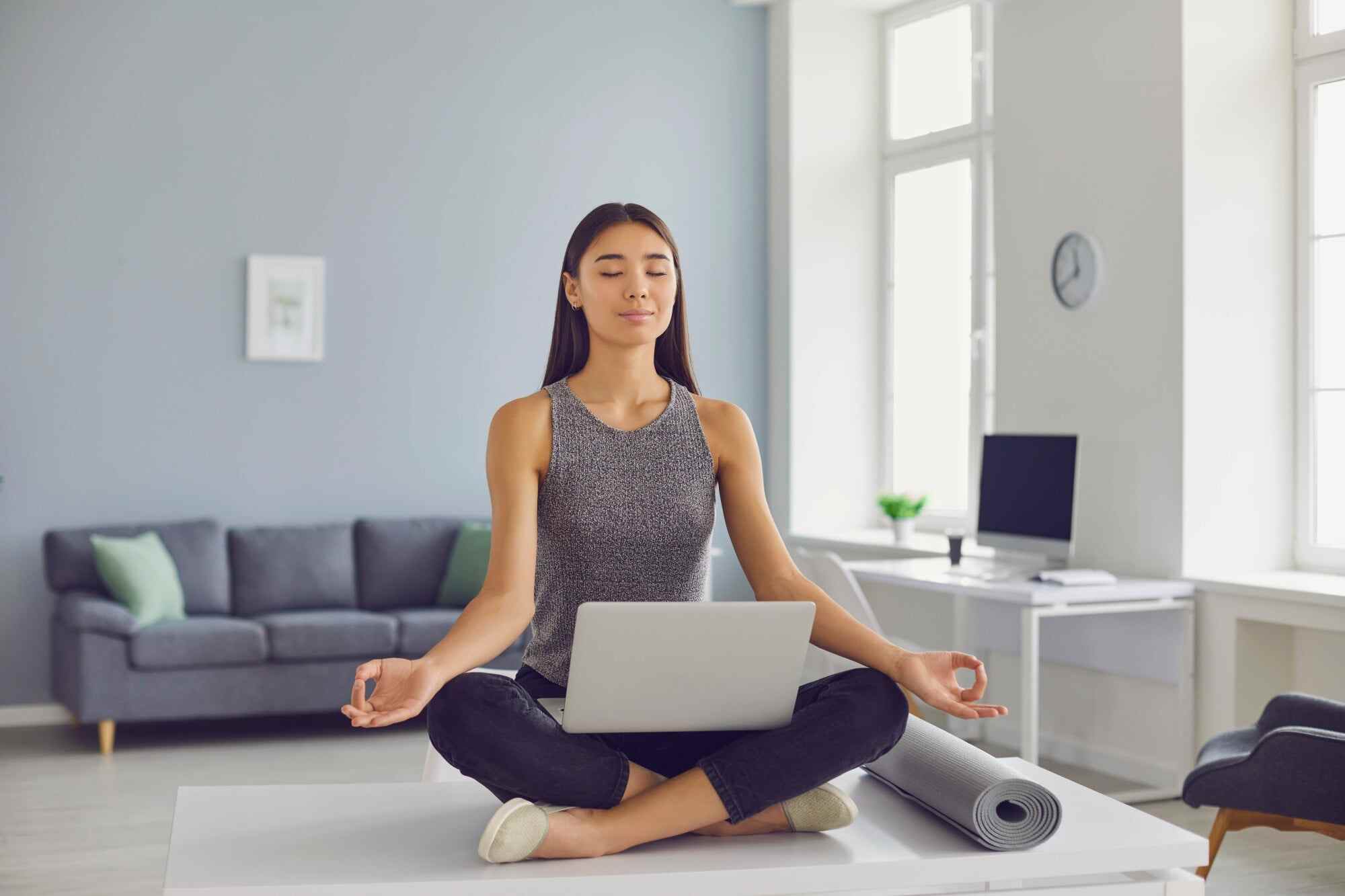
Box breathing
This breathing exercise helps you refocus your mind and feel calmer.
One round will have four parts: breathing in, holding your breath, breathing out and then a pause before breathing in again. Do each part for four seconds.
Imagine a square, and follow the square’s outline as you do each part of the exercise. Repeat at least five times and notice how you feel.