Education authorities in Hong Kong will revamp the senior secondary school science and extended maths curriculum. It will provide additional syllabus options from the 2029-30 academic year in a bid to attract more students and nurture talent in the field.
The Education Bureau also said it had asked schools to actively encourage students interested in science and mathematics to take two or more science subjects.
The bureau said in a circular to schools on Monday that the revamp was aligned with the strategy in the nation’s 15th five-year plan to “invigorate the country through science and education” and supported Hong Kong’s development as an international innovation and technology centre.
Edith Tse Yuen-ching, principal assistant secretary for innovation technology education at the bureau, said in a blog post that the city was “strengthening the cultivation of innovation and technology talents to respond to the development needs of the country and Hong Kong”.
The circular said a draft of the updated curriculum and assessment for the science subjects – physics, chemistry and biology – had been released for consultation. It said the bureau would brief educators early next month before finalising the draft in the next academic year.
Schools have been invited to give their views on the revamp by the end of next month.
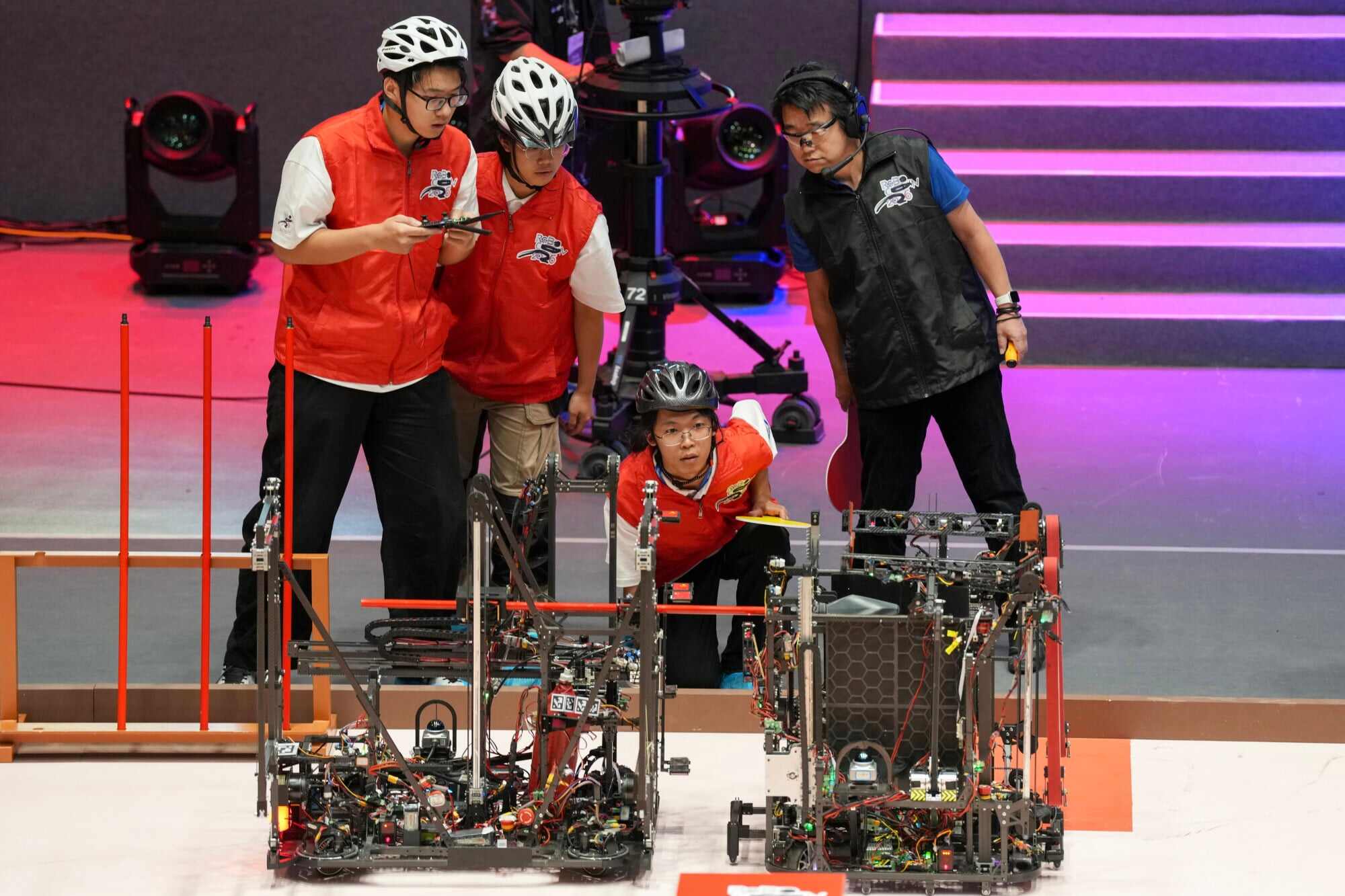
The bureau said the plan was intended to encourage more students to take science subjects at the senior secondary level, making it easier for them to move into science-related programmes at tertiary institutions.
“Schools are required to formulate relevant school-based plans in line with the enhancement measures, with a view to enabling more students to take multiple science and mathematics subjects concurrently at the senior secondary level,” it said.
The government set up an ad hoc committee to review the senior secondary science and maths subjects earlier this year, and the bureau accepted its recommendations.
One initiative is to divide the syllabuses of the three science subjects and extended maths into core and extended parts to cater to students of different abilities.
“[The new syllabuses will] enable more students to choose suitable subjects according to their abilities, as well as their interests and aspirations in innovation and technology,” the bureau said.
It added that schools should actively encourage students with potential to study two or more science and maths subjects starting in 2029-30.
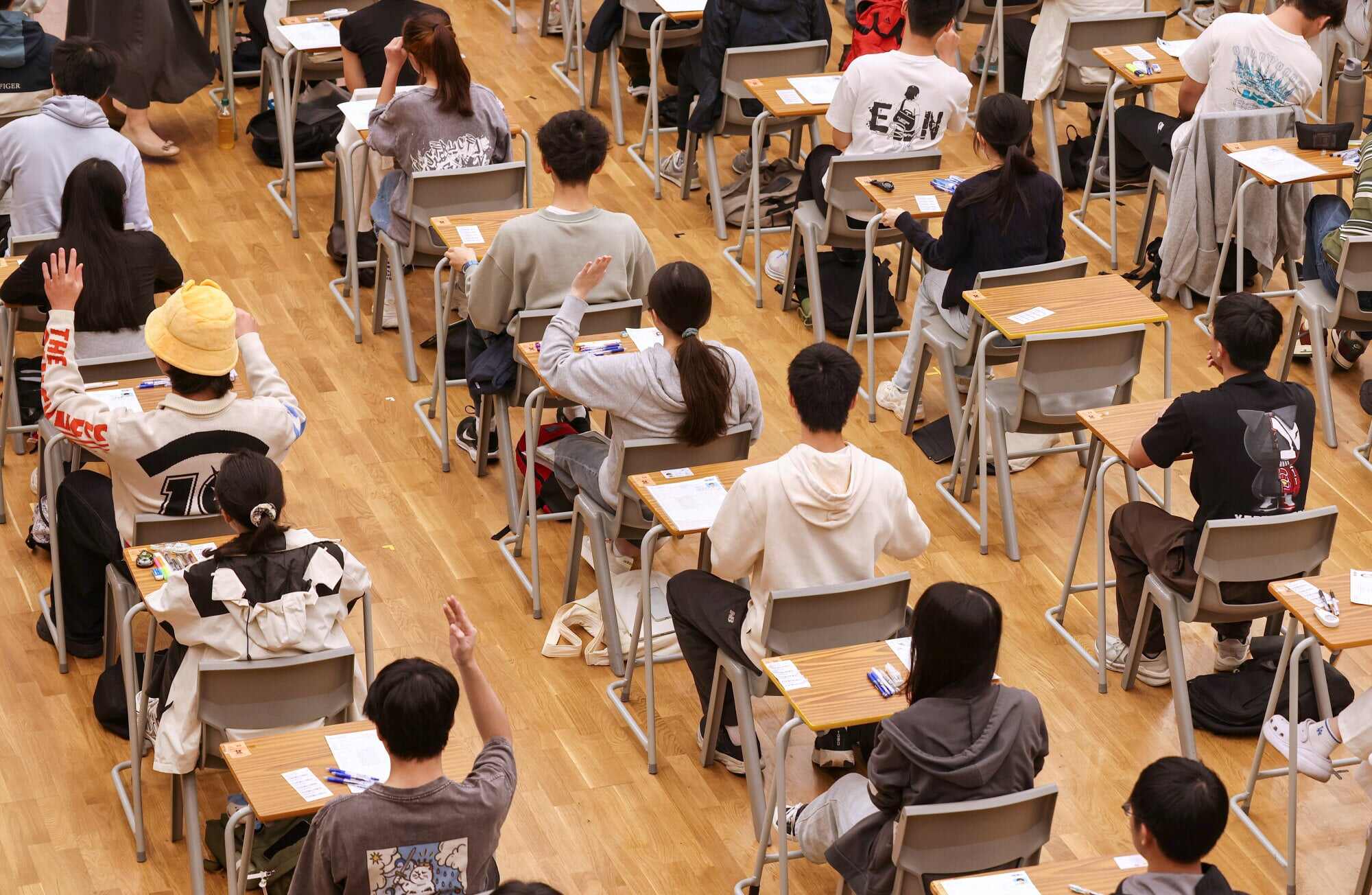
In the past, senior secondary students were mainly divided into arts and science streams.
Since 2009, however, they have only been required to take at least two elective subjects on top of the core subjects of Chinese language, English language and mathematics, as well as citizenship and social development. The electives can be either arts or science subjects.
“This will establish a firm foundation for higher education research and innovation development,” the bureau said, adding that schools should provide information on study pathways, taster lessons and guidance in Form Three when students consider which subjects to study in the following three years.
It also encouraged schools to consider grouping students taking multiple science subjects into the same class to foster a stronger learning environment.
Over the years, some science professors at the city’s universities have complained that undergraduates have insufficient knowledge of science subjects.
The bureau said it would not set hard targets for the proportion of students studying multiple maths and science subjects, nor would it require all senior secondary pupils to study science subjects.
Lee Yi-ying, chairwoman of the Hong Kong Subsidised Secondary Schools Council and principal of Kowloon True Light School, said scientific knowledge was interconnected, and studying more than one science subject would not only help students in their future studies but also help nurture talent for the city.
She said schools might need to provide students with more counselling services to guide them in choosing subjects that would give them the best advantage when applying to university.