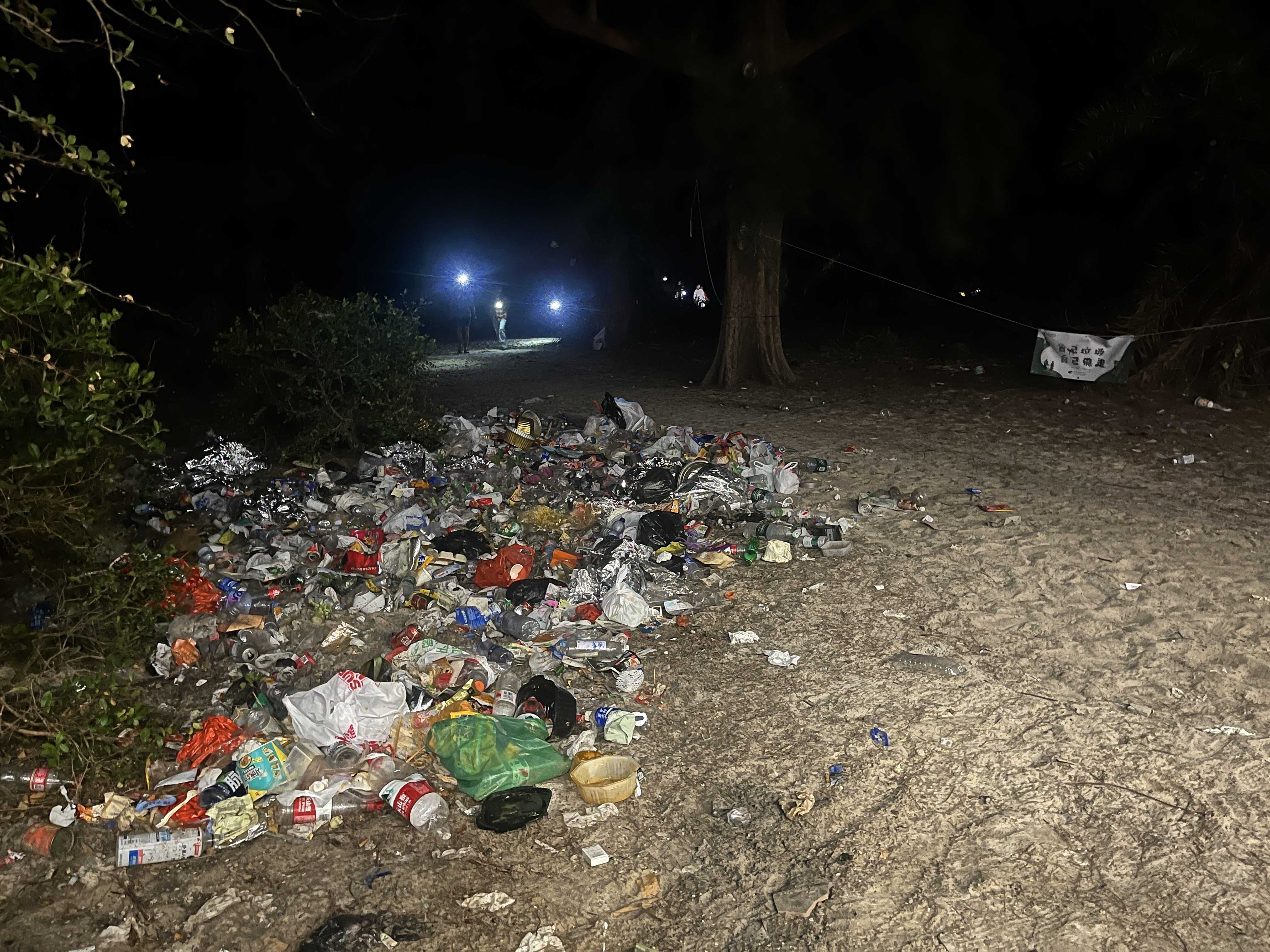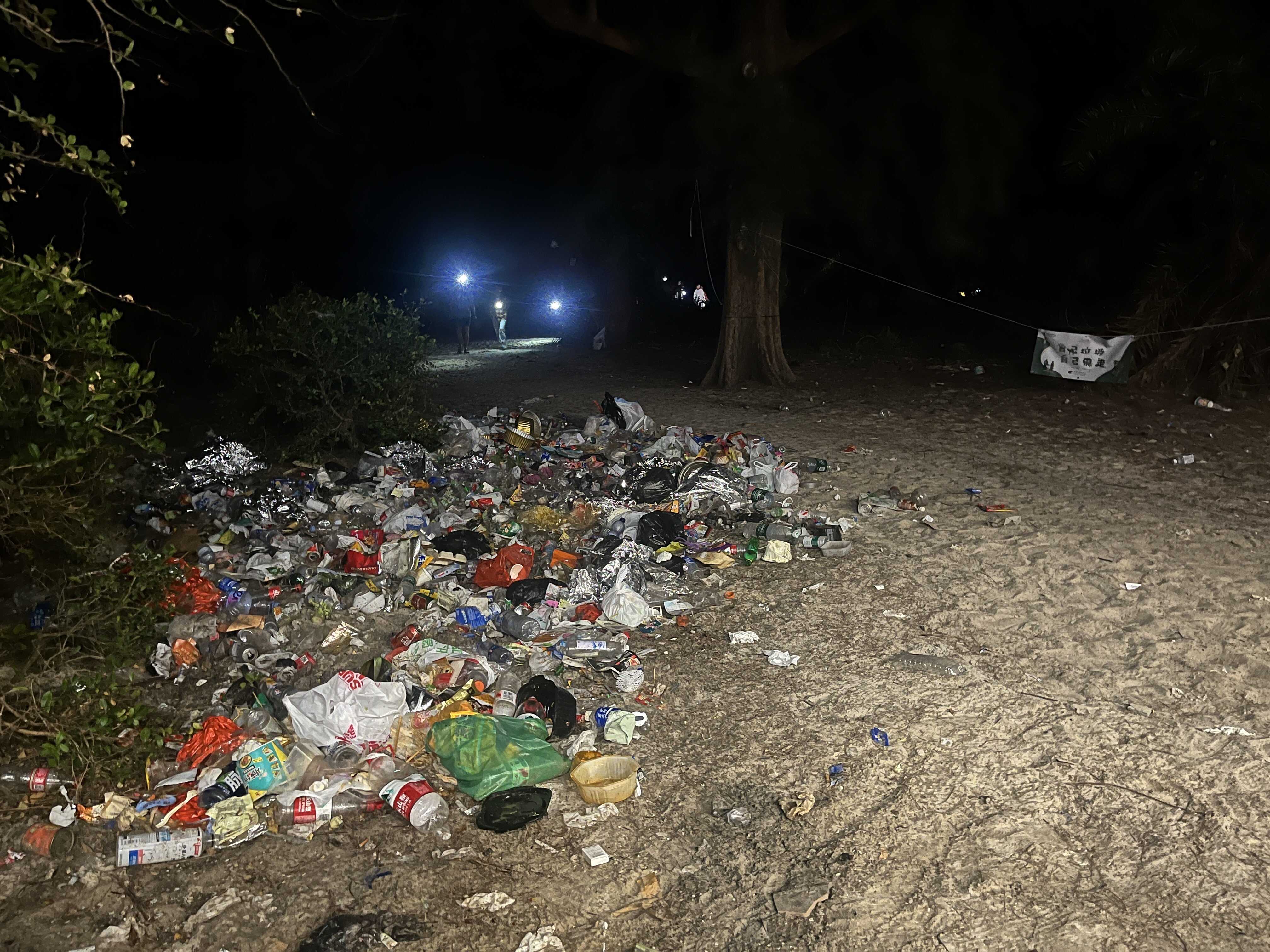
Hundreds of visitors flocked to Ham Tin beach in Sai Kung during the Christmas and New Year’s holidays, leaving behind overflowing trash, clogged toilets and mounting worries about the toll of overtourism on Hong Kong’s natural landscapes.
Videos and pictures on social media showed food scraps and waste abandoned at the secluded beach, famed for its mountain views. The site’s only public toilet was clogged with dirt and leftover food, while an informal dumping pit was filled with rubbish.
In recent years, Hong Kong’s scenic countryside has become a magnet for visitors, especially mainland Chinese tourists seeking a greener side of the city.
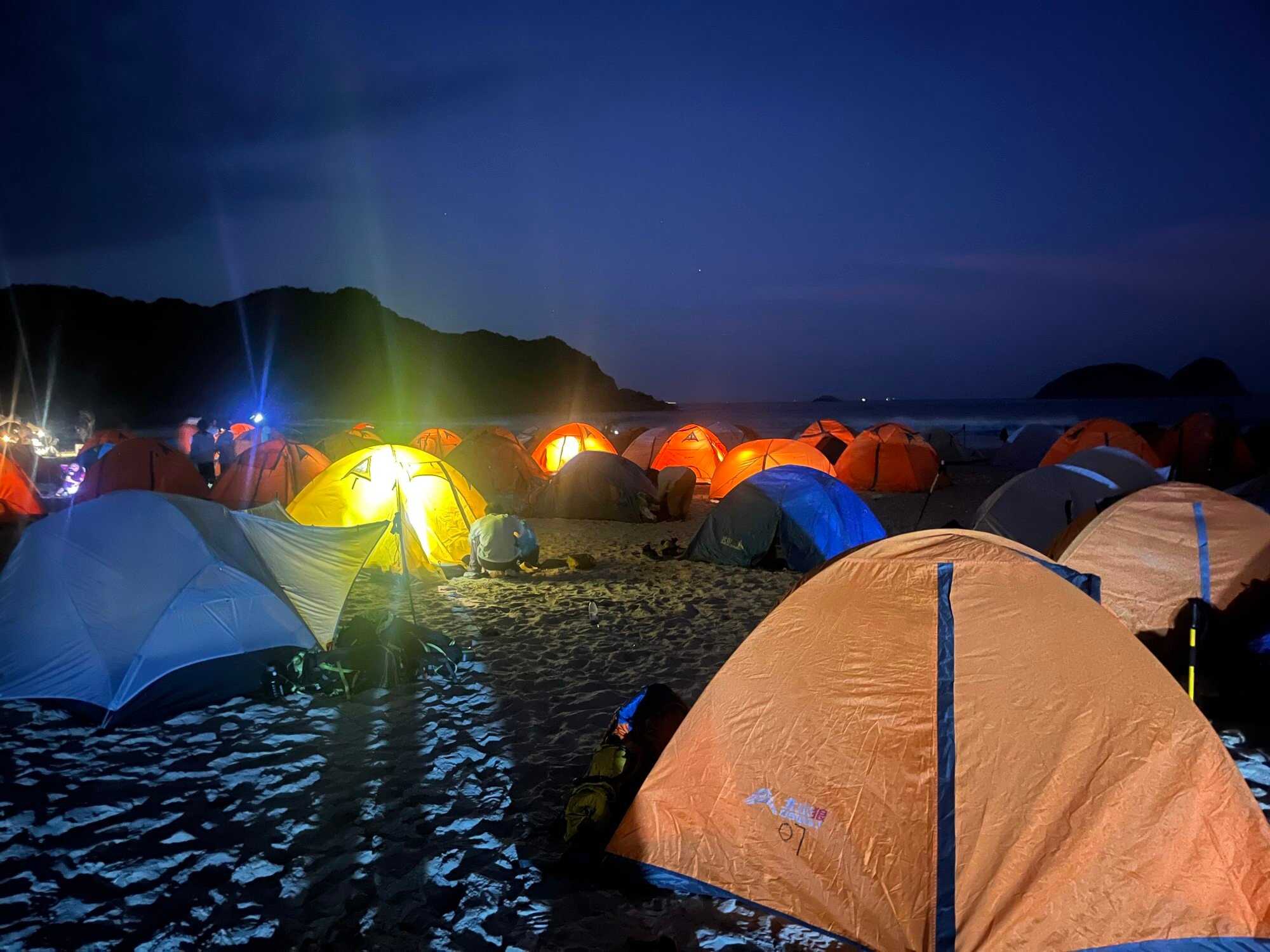
Viral posts on the Chinese social media platform RedNote spotlight Hong Kong’s natural attractions, and mainland travel agencies have moved quickly to meet demand, offering package tours that include transport, tents and basic camping gear.
A tourist from Guangzhou, who joined a two-day camping trip to Ham Tin beach in late December, said these tour packages were a convenient way to explore Hong Kong.
“[They are] so much fun. And you don’t have to bring a lot of things,” said the visitor, who preferred to stay anonymous, adding that she only had to bring a foldable sleeping pad for the trip.
“They just bring it here, and we can enjoy the night. And then tomorrow, [you can] take the boat again, or you can just hike. It’s a nice choice.”
Dangers of popularity
But environmentalists warn that the influx of visitors is pushing fragile ecosystems to their limits, eroding the very beauty that draws people to them.
Ham Tin beach is only one example. Across Hong Kong, a rising number of outdoor sites are facing similar pressures from overtourism.
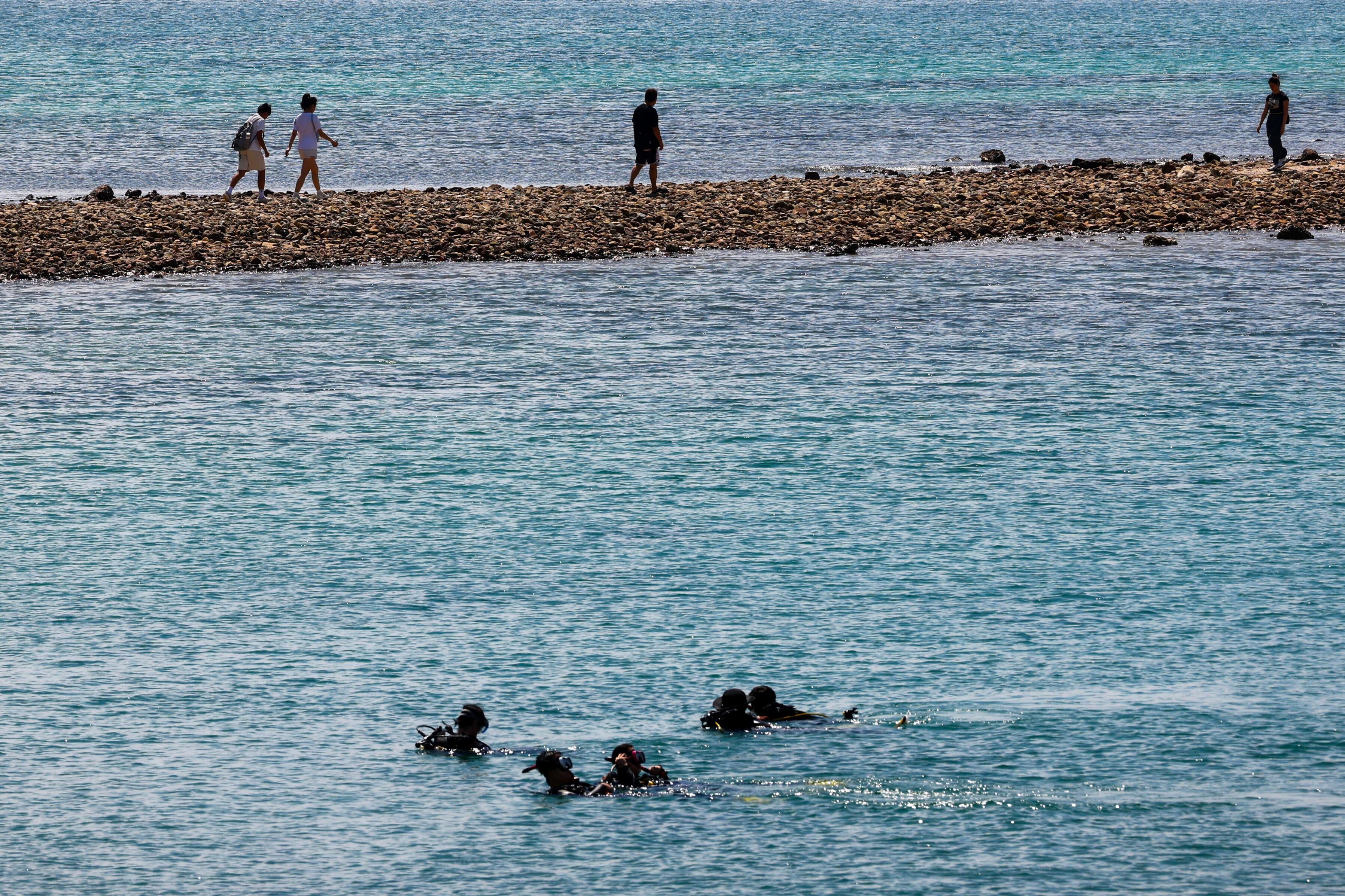
During the “golden week” holiday in October, Sharp Island, part of the Hong Kong Unesco Global Geopark, became a hotspot after gaining exposure on RedNote. After a wave of visitors, environmental organisation Greenpeace raised concerns about the safety of corals in the area, and a subsequent government investigation found that about four square metres of coral reefs had shown signs of damage.
Just weeks later, hundreds of hikers converged on Sunset Peak on Lantau Island to photograph its famous fields of silver grass.

Other trending spots include North Ninepin Island, part of Hong Kong’s Unesco Global Geopark in Sai Kung, famous for its towering hexagonal volcanic rock columns.
Also called Grass Island, Tap Mun is another scenic island in Sai Kung that boasts lush green meadows and sea views.
It has been lauded as “little Switzerland” on RedNote, and netizens have expressed interest in camping there, with one saying that it was “a shame not being able to see the wild boars”.
Advocates call for stricter reforms
The government last month unveiled its updated Hong Kong Biodiversity Strategy and Action Plan covering four strategic areas, including nature conservation. The plan sets the direction for the next decade.
However, conservation groups have urged the government to adopt stronger measures and clearer timelines to protect the city’s natural heritage, including stricter visitor controls and enhanced enforcement.
Greenpeace campaigner Ha Shun-kuen warned of a vicious “loop” of overtourism taking hold across Hong Kong’s fragile ecosystems. He said that the lack of planning and regulation has left the city’s fragile environments more vulnerable.
“The government has made no real progress despite numerous incidents this year,” he explained.
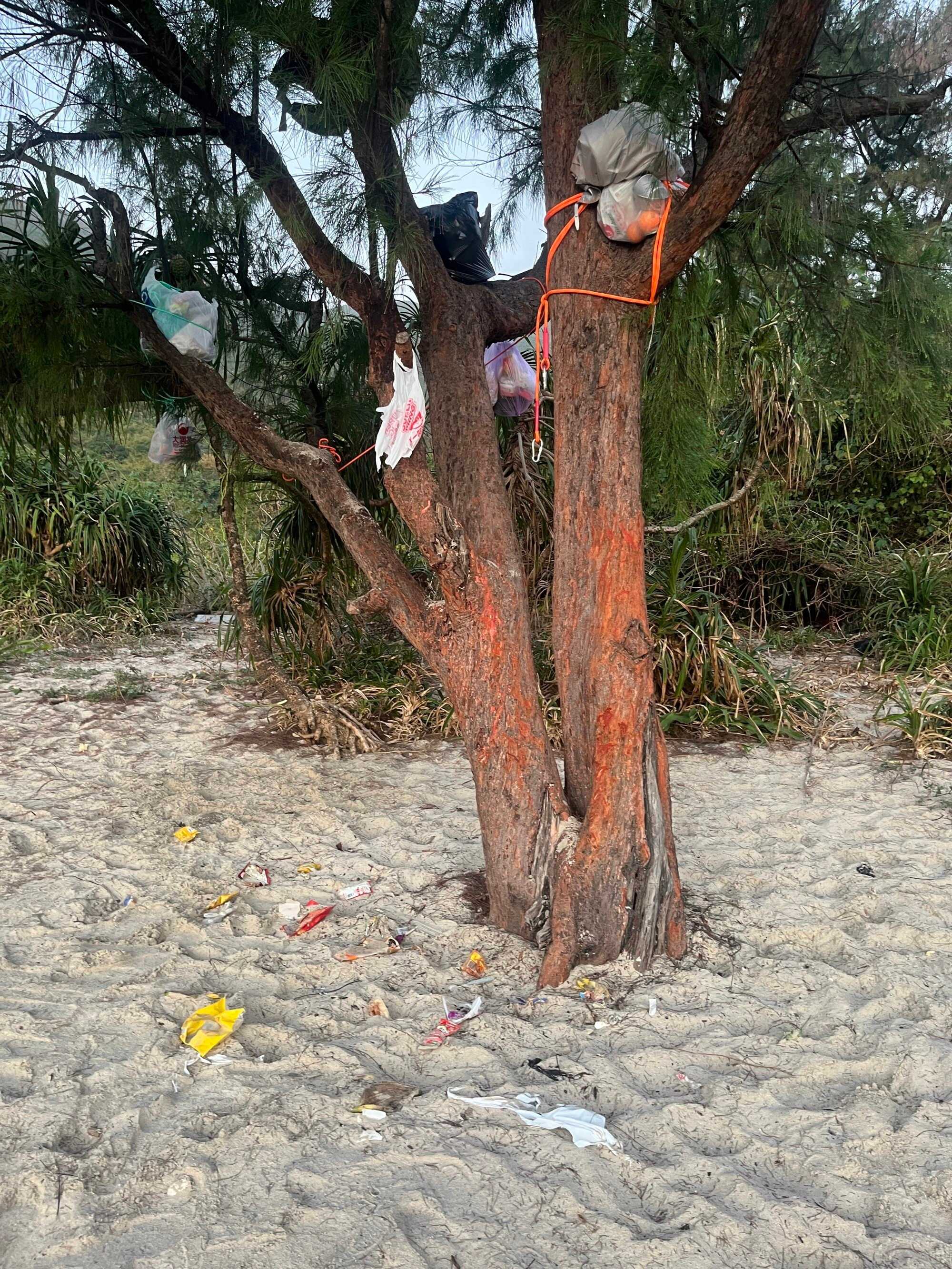
“Frontline cleaners have become the biggest victims. Right now, they’re the ones doing the clean-up, instead of the government thinking ahead,” he said, adding that the government should ensure that these individuals do not bear the weight of unregulated ecotourism.
Some efforts give the illusion of addressing overtourism but fail to tackle deeper issues, Ha said, giving the example of officials distributing informational leaflets to tourists at Sharp Island. “This isn’t just about tourist behaviour; it’s about whether the government has a policy mindset for managing tourism pressure,” he added.
Ha pointed out the problem of building infrastructure for ecotourism without policies to regulate visitor numbers.
“With Hong Kong’s limited environmental carrying capacity, the government must reflect seriously on how to conserve its natural resources before irreversible damage is done,” he said.