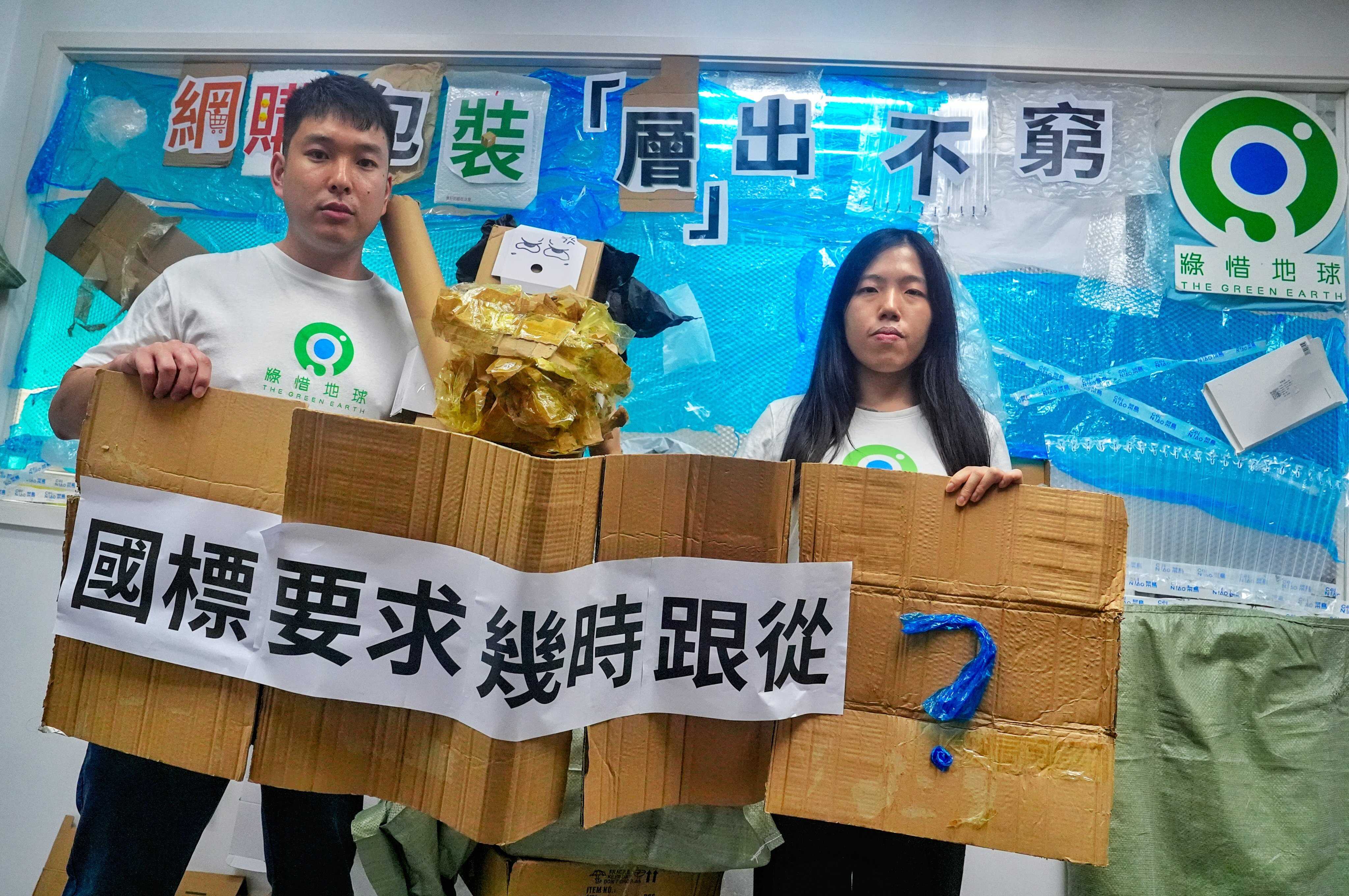
Before you read: Hong Kong generates millions of kilograms of e-commerce packaging waste annually. To combat this, local environmental groups are urging the government to close cross-border shipping loopholes and enforce strict, standardised packaging-reduction rules.
Reflect on this: While online shopping offers unmatched convenience, what toll does excessive packaging have on the environment? What practical compromises are you willing to make in your own digital shopping habits to help reduce this growing mountain of waste, and how can you encourage others to do the same?
A leading green group has urged Hong Kong to align with coming national standards on excessive packaging, warning that the city generated at least 2.7 million kg (5.9 million lbs) of waste from e-commerce parcels last year.
The call coincided with an online survey by non-profit group The Green Earth, which found that 60 per cent of respondents in Hong Kong considered parcel packaging excessive, while 76 per cent felt frustrated when handling the waste.
Steven Chan Wing-kit, assistant environmental affairs manager of the charity, said mainland China’s regulatory scope could only extend as far as consolidation warehouses across the border.
“The issue is left unmanaged once the goods leave the mainland,” he said.
A regulatory gap remains, as parcels sent or repackaged in Hong Kong are not subject to any rules.
“We suggest [the government] proactively collaborate with relevant mainland authorities and reduce packaging waste at the source,” Chan said, urging the e-commerce sector to promote reusable packaging.
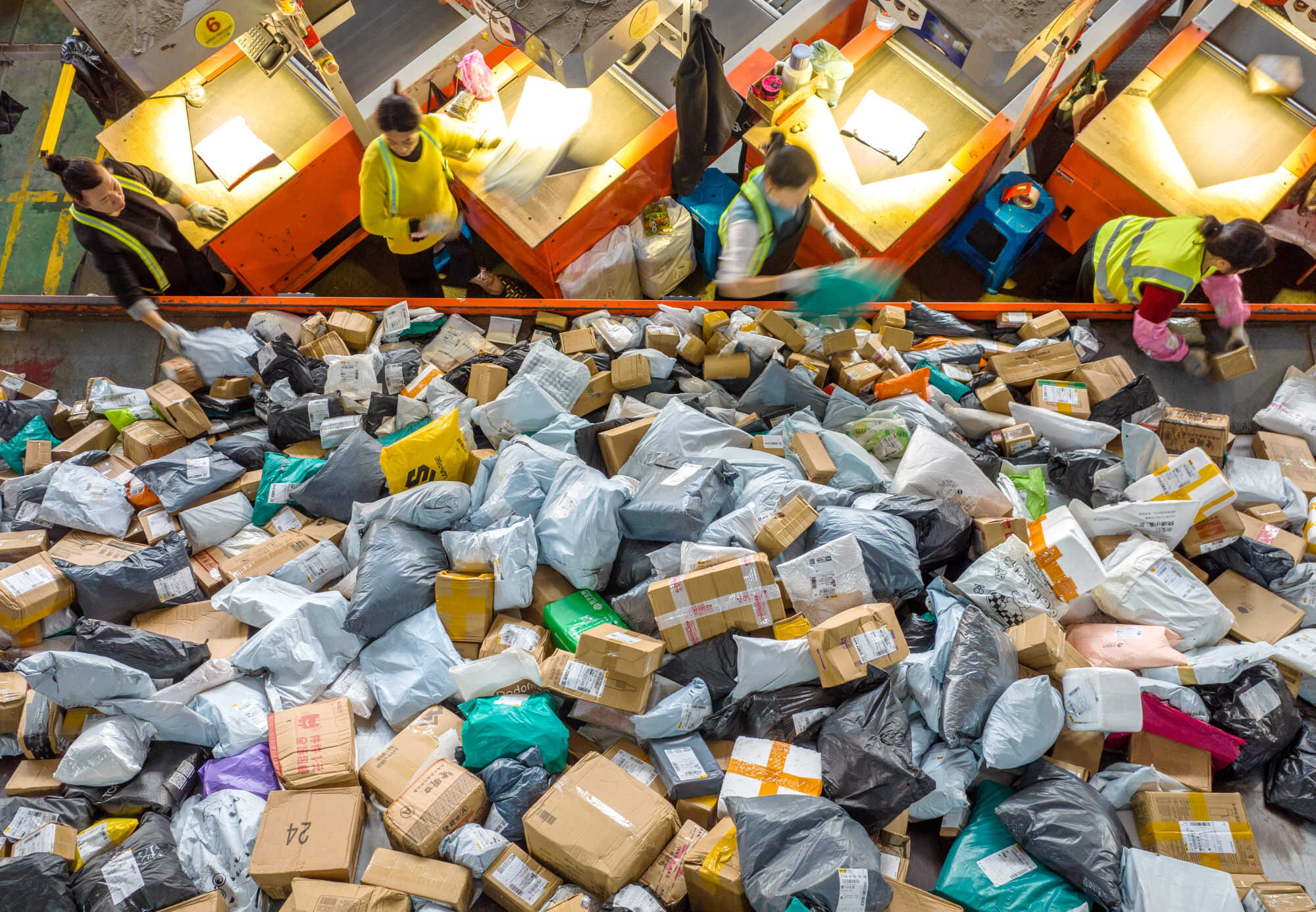
From one average-sized shipping box, the group removed at least 20 metres of tape – equivalent to the height of a six-storey building – and four layers of plastic wrapping and an air pillow to reach an iPad cover.
According to the group’s study, Hong Kong may have generated at least 2.7 million kg of paper and plastic packaging in 2025 from online shopping deliveries.
The estimate was based on publicly available disclosures of packaging intensity by three e-commerce giants commonly used by residents.
By multiplying sales volume by packaging intensity, the charity estimated each firm’s packaging waste and aggregated the figures to produce a 2025 estimate of plastic and paper use.
However, Chan said the figure was likely an underestimate, given that some e-commerce firms did not disclose packaging intensity.
Among the 505 respondents, many identified outer plastic stretch wrap and plastic bags as the most unnecessary materials. Half said they typically bought one to three items per order, with about one-third buying four to six.
Taobao was the most frequently used online marketplace, followed by HKTVmall and Pinduoduo, according to respondents. Taobao is operated by Alibaba Group Holding, which is also the parent company of the South China Morning Post.
From July, the mainland’s State Post Bureau will enforce rules to curb excessive packaging, targeting waste at the source by limiting layers and encouraging the use of original boxes without additional wrapping at dispatch.
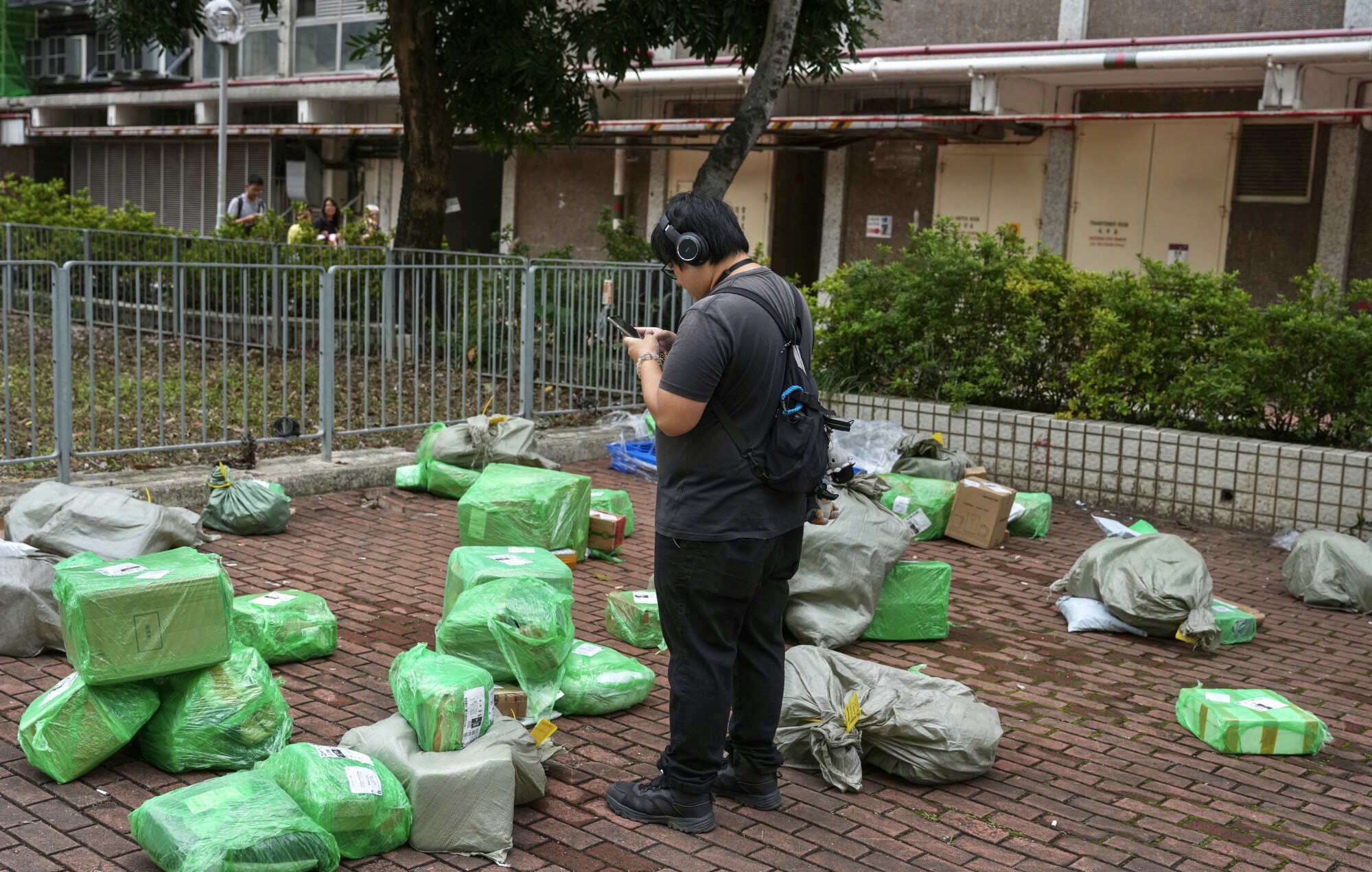
For example, the rules limit non-fragile items such as clothing, books, or non-breakable electronics to no more than two layers of wrapping, with a maximum of three layers for fragile goods and four for frozen meat or other temperature-sensitive items.
They also require appropriately sized boxes and restrict the length of plastic tape based on box dimensions. Non-compliance may result in fines.
In Hong Kong, the Environmental Protection Department (EPD) has encouraged e-commerce companies to join a packaging reduction charter. A total of 145 firms have signed up since last year.
An EPD spokeswoman said the department collected annual packaging data from signatories and used it to support more targeted policy measures.
She also said that common packaging materials, including shipping boxes, honeycomb paper, bubble wrap, polystyrene and inflatable air cushions, could be recycled at the EPD’s Green@Community stations.
The department launched an on-site recycling scheme at nine self-pickup points at the start of the year, encouraging customers to return materials promptly.