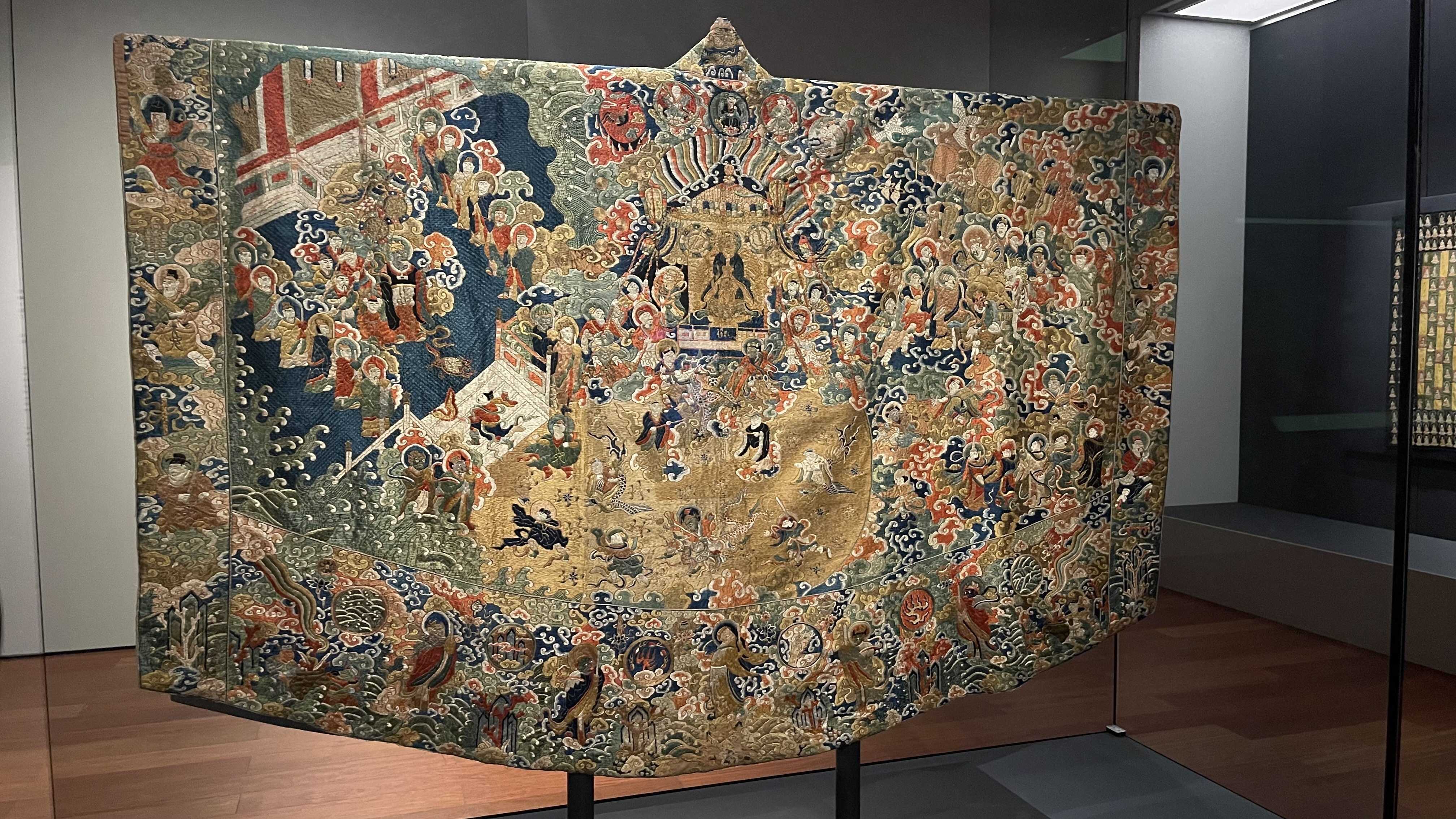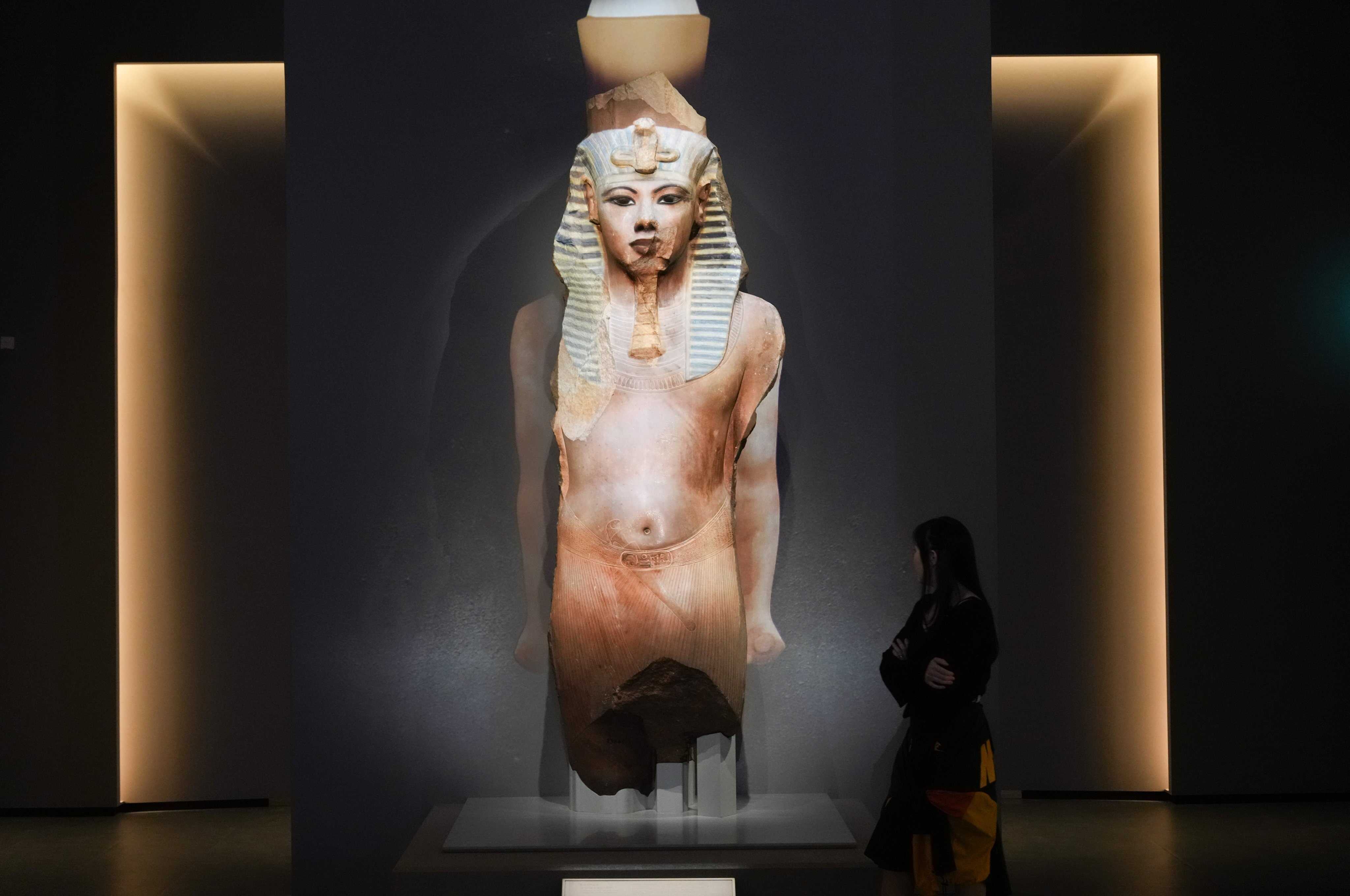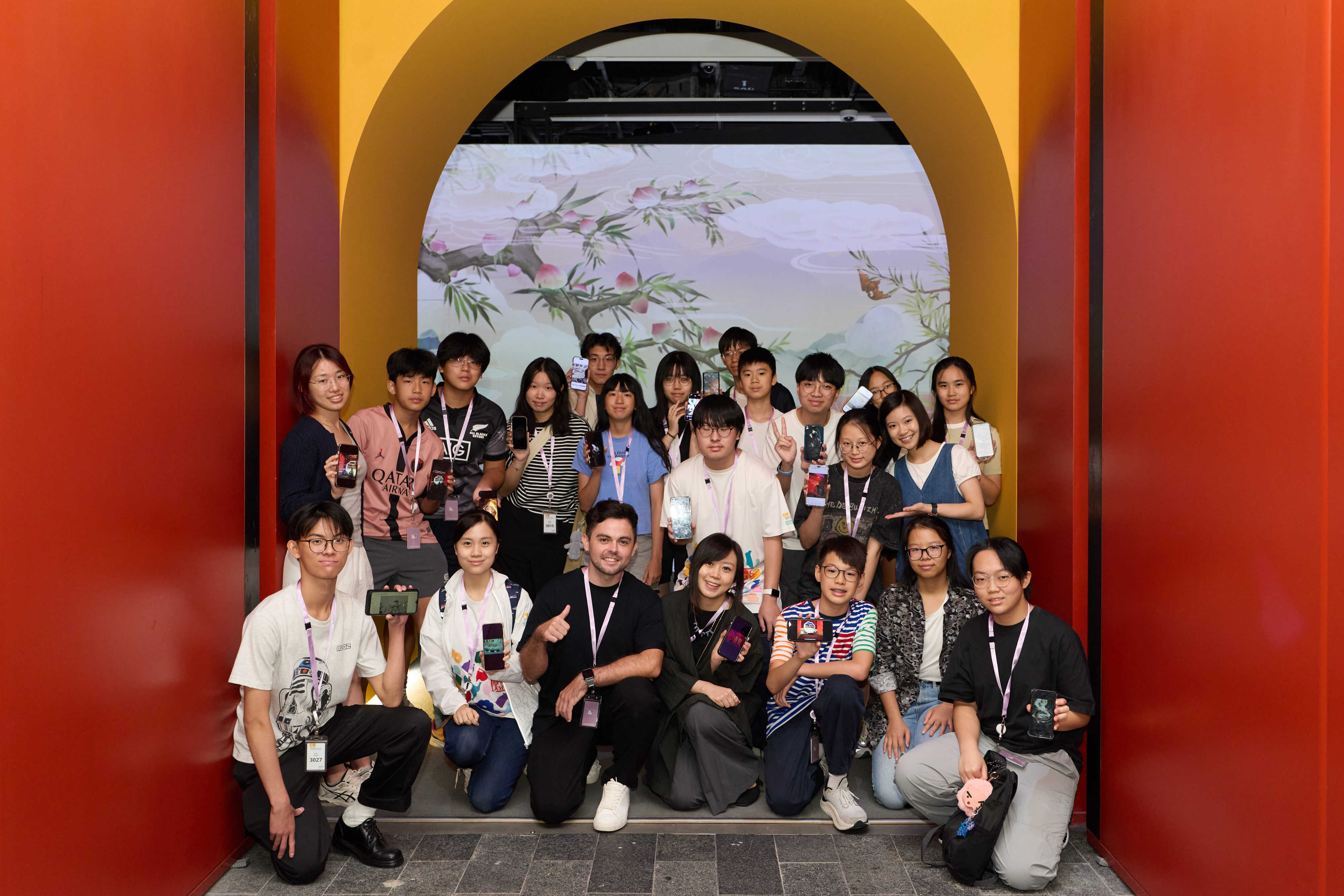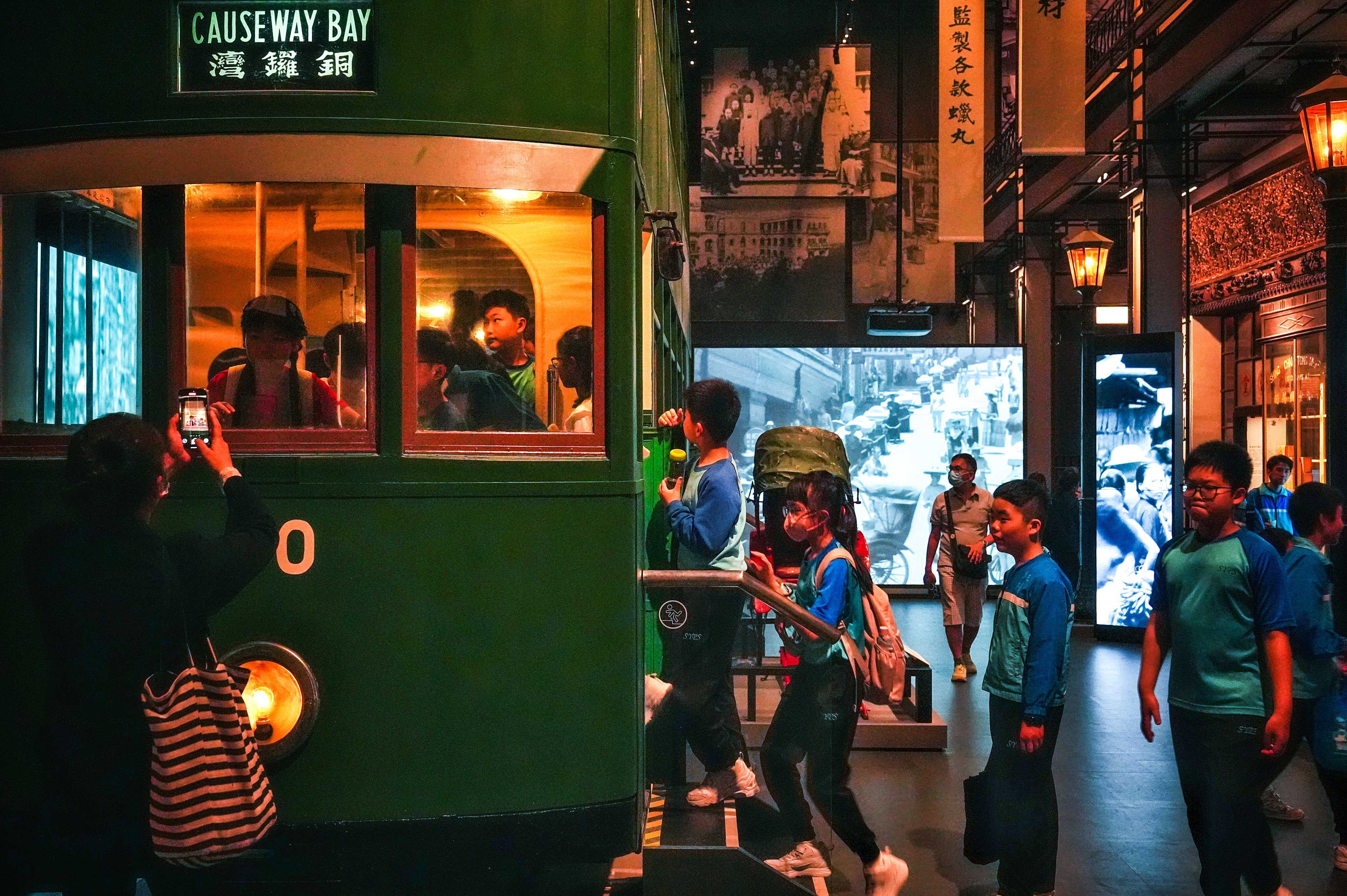
A permanent exhibition highlighting Hong Kong’s history reopened on Wednesday after a significant renovation that emphasises the city’s roots in Chinese culture.
Visitors had mixed reactions to the changes. The “Hong Kong Story” exhibition, which first opened in 2001 and closed for renovations in late 2020, has been condensed from two stories to a single floor. However, it has expanded from eight galleries to 10.
The revamped exhibition at the Hong Kong Museum of History in Tsim Sha Tsui features more than 2,800 exhibits such as artefacts and historic photos as well as interactive multimedia installations.
In the preface, the exhibition states that the “shifting tides across China’s vast territory” have “inevitably affected” Hong Kong.
It adds that, “though seemingly insignificant in scale, Hong Kong’s unique historical circumstances and developmental path have made its people indispensable participants, witnesses and beneficiaries of the sweeping transformation of modern China”.
The first of four core themes, “Roots of Culture”, presents an expanded timeline that traces Hong Kong’s prehistoric trajectory, highlighting its integration as a part of Chinese territory as early as the Qin dynasty in 214 BC.
In the “East Meets West” section, the exhibit briefly touches on the 1989 protests in Hong Kong but calls it “the political turmoil at the turn of spring and summer in 1989”, without mentioning “June 4” or “Tiananmen Square”.
The original exhibit had featured the “large-scale” protests, when 1 million people took to the city’s streets in May that year in solidarity with pro-democracy protests led by students in mainland China, ahead of the June 4 crackdown in Beijing that ended the unrest.
The section makes no reference to the 2014 Occupy Central or “umbrella movement” – when thousands of people blocked major roads in Hong Kong to call for democratic elections – or the anti-government protests in 2019.
The third theme, “Coalition against Japanese Aggression”, covers the city’s occupation from 1941 to 1945 during World War II, and the fourth, “Hong Kong as a Global Metropolis”, charts its development into an international hub.
Alan Wu Ka-wah, 72, who is retired, said the revamped exhibition created a strong “sense of continuity” in narrating Hong Kong’s 6,000-year history and praised the museum’s archaeological work in depicting early life in Sai Kung.
He said the recreated pharmacies and shops in the gallery on livelihoods in the 1950s to 1970s stood out, highlighting in particular the detailed portrayal of how locals and foreigners lived at the time, which he described as “accurate”.
Wu said he had not noticed changes to references to the June 4 incident, but added that the shift “aligns with the current development of Hong Kong’s political system”.
“The education that Chinese people received during British rule was colonial, a form of subtle, subconscious influence,” he said. “Now that Hong Kong has returned to China [sovereignty] … the exhibit’s changed to align with that trend.”
A 37-year-old woman who declined to be named described the change as regrettable.
“It is a pity that young pupils may never know about major incidents like this, and that it will slowly fade from the memory [of Hongkongers],” the woman said. “It was a huge part of Hong Kong’s history.”
A 29-year-old man, who studied Hong Kong history and also declined to be named, said that visitors without prior knowledge of the city’s past might develop “nationalistic sentiments” after touring the exhibition.
“It is designed to strengthen your sense of identity as a Chinese person,” he said.
The man said that the description of how Hong Kong was “forcefully invaded” or occupied by foreign powers appeared to be intended to stir “anti-foreign” sentiment.
“Ultimately, the devastation of war was a reality of that era … we should not extend those [past] emotions [onto the present],” the man said.
Another visitor, a 35-year-old surnamed Ho, said the downplaying of the June 4 crackdown was “understandable”.
“The June 4 incident does not belong to a part of the history of Hong Kong, it happened in Beijing. If it has been downplayed, I think that is understandable, given the current political environment,” he said.