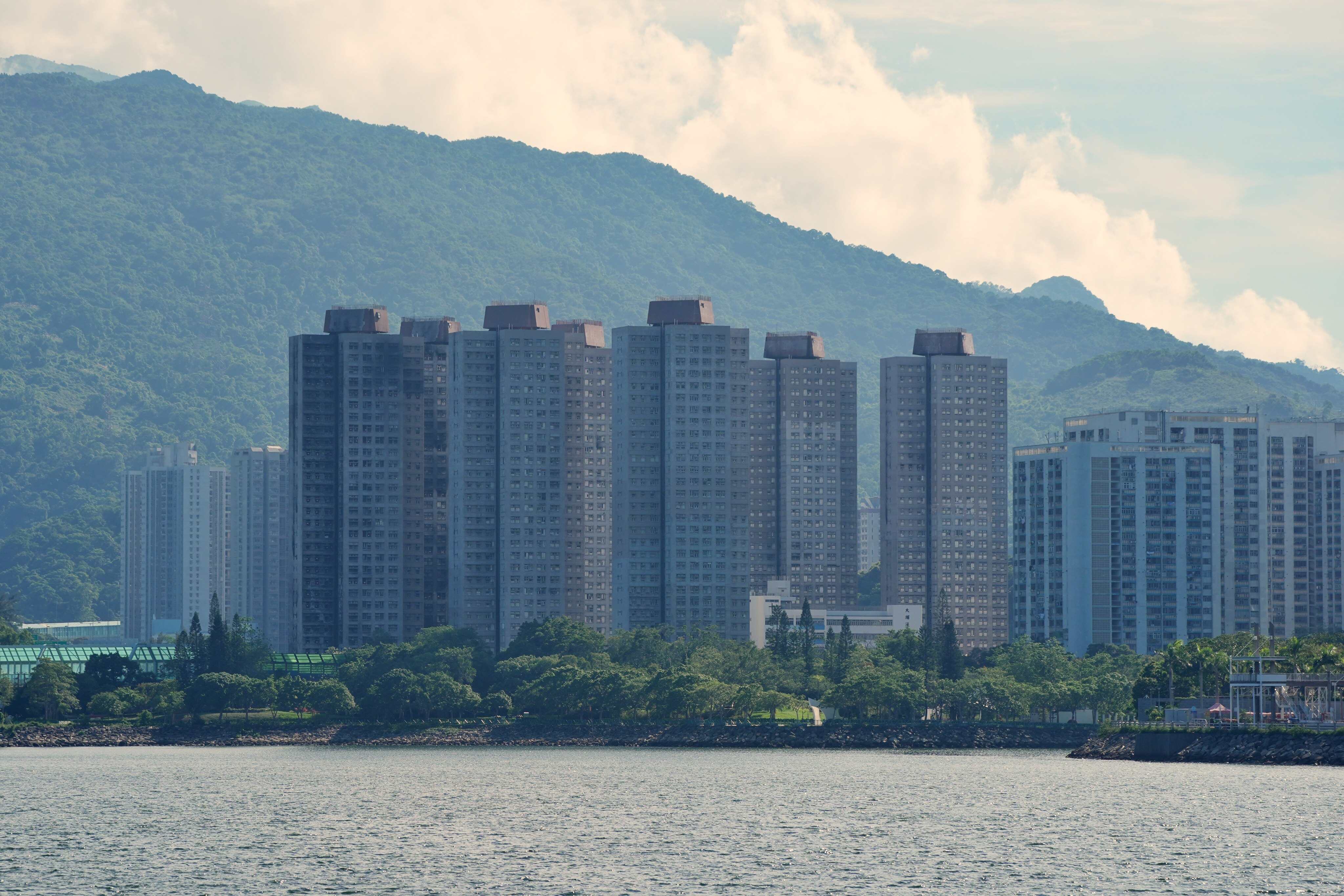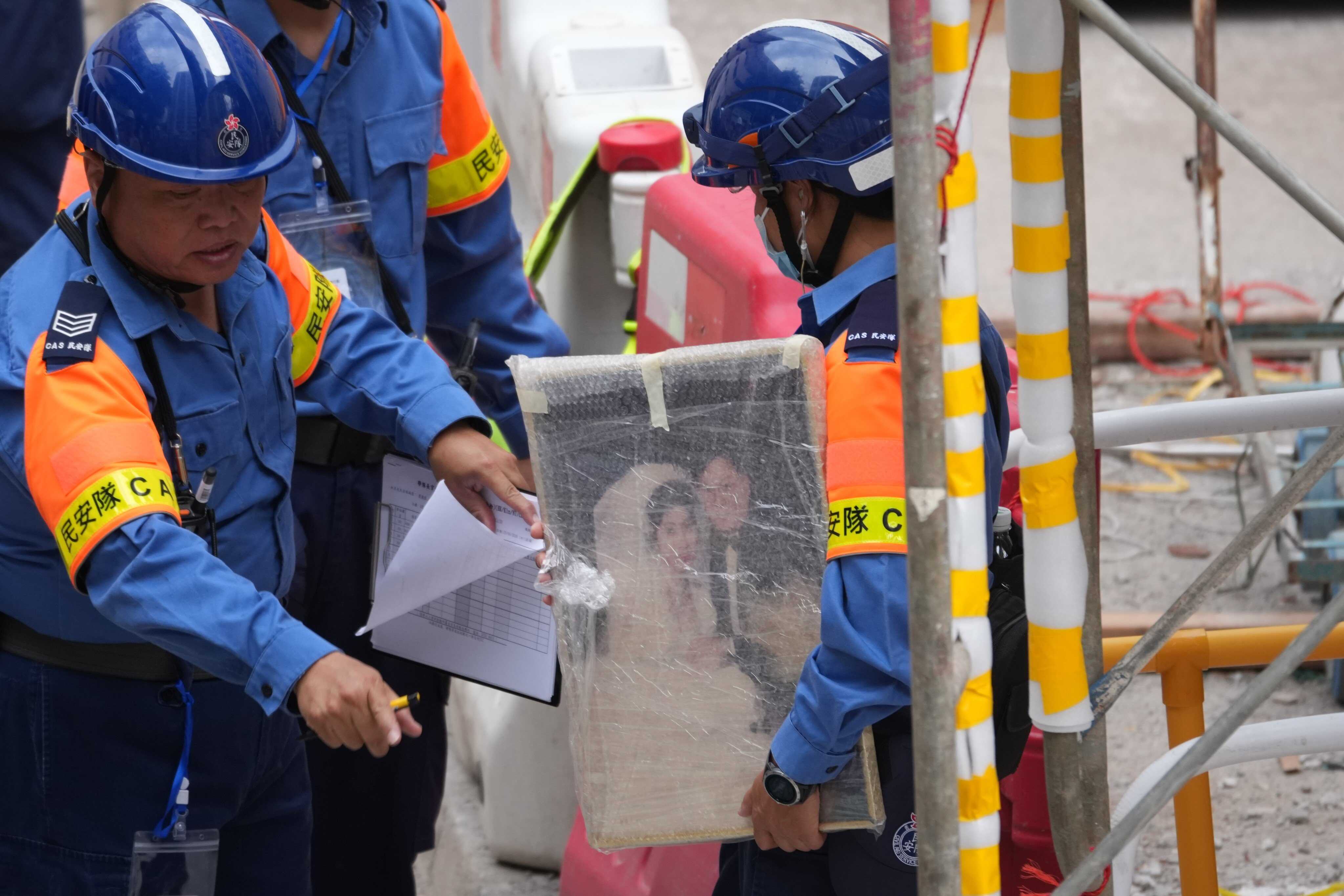
Inspired by the tragic blaze at Tai Po’s Wang Fuk Court, a group of Hong Kong students is designing goggles to help rescuers see through thick smoke.
The city’s deadliest fire in decades took 168 lives, including a firefighter.
“It was devastating to see so many people lose their homes,” said team leader Sophie Lam Man-huen, 16.
“Following the news motivated us to find a solution that could uplift the community and provide a bit of hope – showing that youth are working together to make a difference.”
Before the tragedy, the students had been exploring technology to help first responders. After, they felt the need to invent something specifically for firefighters.
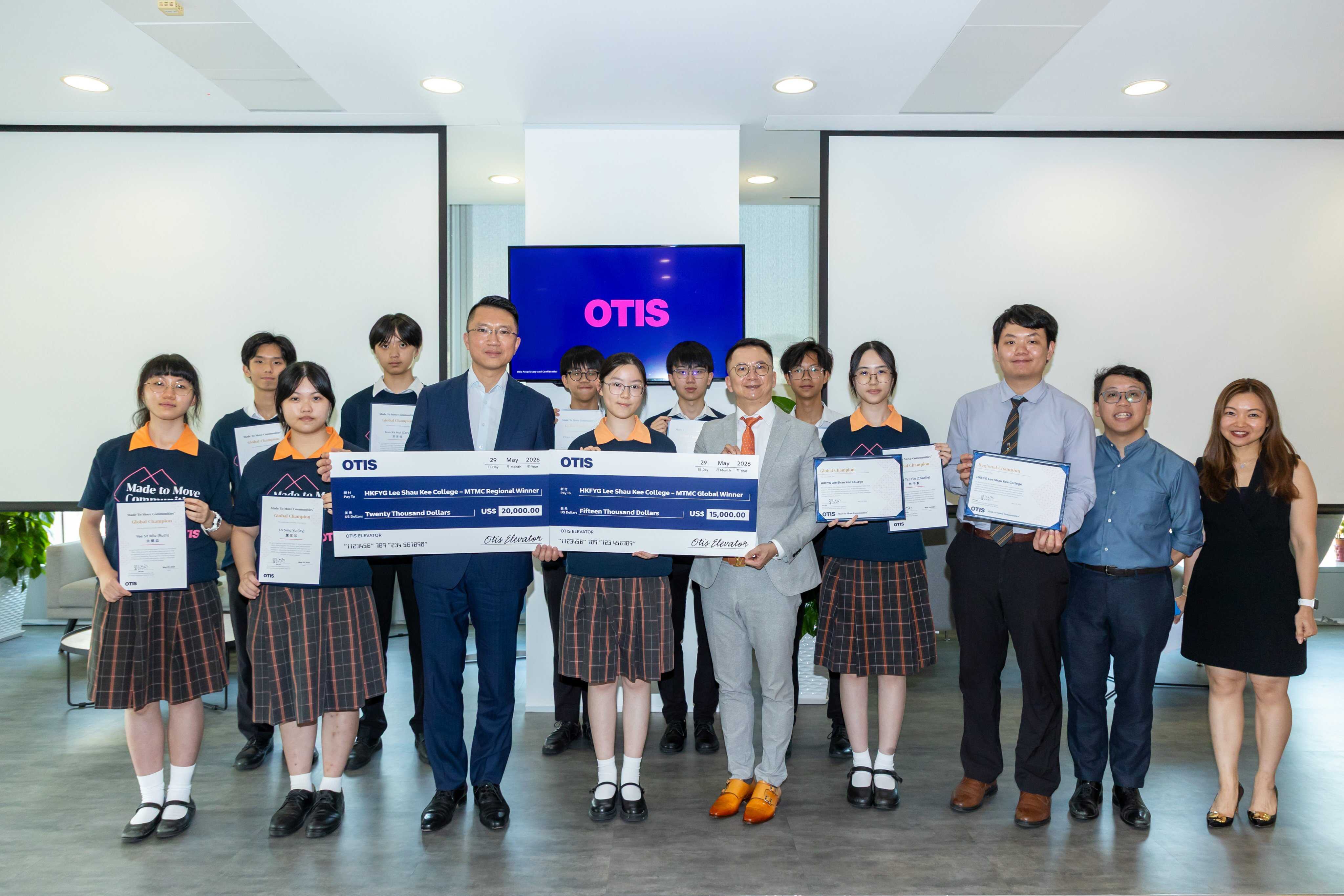
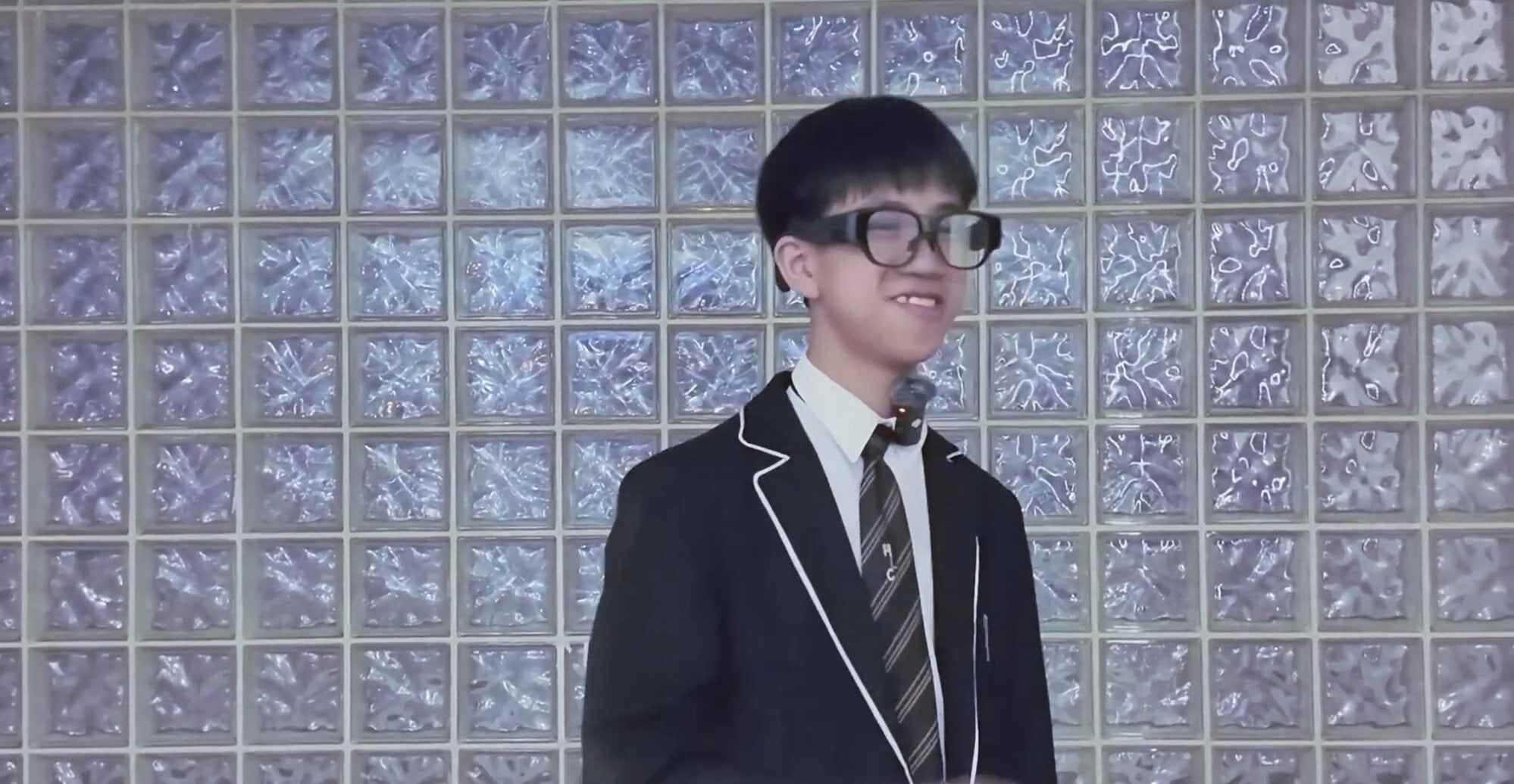
Made by nine Form Four pupils from HKFYG Lee Shau Kee College, the goggles were submitted to this year’s Made to Move Communities challenge. The team won first place in the Greater China region and was named global co-champion along with a team from Greece.
This contest brought together more than 200 students to tackle real-world mobility issues.
For this victory, HKFYG Lee Shau Kee College received US$35,000 (HK$274,369) for STEM education. Another team from the school was second in the Greater China region, winning US$15,000.
Design process
The students bought smart glasses and added a customised system. The goggles use thermal cameras to guide users in areas with low visibility. It finds victims by scanning for their phones’ Bluetooth signals. Then, it helps first responders find the best rescue routes.
The device also offers emotional support powered by artificial intelligence (AI). It guides users on how to comfort victims.
The team began working on their design last July. Thanks to Made to Move Communities, the pupils had mentors from Otis Worldwide, a manufacturing company.
They inspired the team to create a distress signal that could be sent to nearby smartphones. Victims can alert first responders without unlocking their devices.
“It’s much easier for victims because they don’t have to think through complex steps in high-stress environments,” Sophie said.
The students also interviewed frontline workers and had them test an early prototype. They received feedback that the tool would be helpful if it could be used as standard equipment for rescuers.
Their biggest obstacles
For 15-year-old software engineer Jeffery Chan Hung-fai, the toughest hurdle was the Bluetooth connection. This is needed for the goggles to send distress signals to victims.
“When we tried to set phones to send out Bluetooth signals and have an app receive them ... the signals wouldn’t transmit or receive properly,” Jeffery said. They made it work in the end, but solving it took a long time.
Hardware limits also posed a challenge, said 16-year-old software and hardware engineer Marcus Chin Pak-him. The device must work without internet, so the AI model had to run on the goggles rather than rely on cloud storage.
“It’s difficult to host a large AI model inside them,” he said. “We solved this by developing a smaller, optimised model specifically to run locally on the headset.”
The team is now improving their design. They are exploring whether the project can partner with a business or the government.
“We’re still in the development phase,” Sophie said. “But we’re very excited to take this further if we decide to commit to it fully in the long run.”