International students in the United States are encountering fresh challenges regarding internships and off-campus employment due to recent decisions by several prominent universities to suspend or limit specific types of Curricular Practical Training (CPT).
CPT is a type of work authorisation that permits international students to engage in internships and practical training that aligns with their academic programmes.
The changes follow two directives in August from the Student and Exchange Visitor Programme (SEVP), a division of US Immigration and Customs Enforcement, which take a stricter view of when CPT can be authorised.
Universities including the University of Pennsylvania, New York University (NYU), the University of Southern California, the University of Washington, the University of Rochester and the University of California, Berkeley have paused pending applications or limited CPT to internships that are mandatory parts of a degree programme.
What changed?
CPT itself has not been banned.
On August 12, the SEVP issued a message reminding school officials of their responsibility when approving CPT.
The guidance said CPT must be an integral part of an established curriculum and directly related to a student’s major. It also stressed that the training should generally be necessary to complete the degree and required for all students in that programme.
The SEVP also warned the school officials that approving CPT carried personal responsibility. By signing off on a student’s work authorisation paperwork, officials certify that the position meets federal requirements. Improper approvals could have consequences for both the university and the individual official, including possible loss of the school’s SEVP certification.
The agency also warned schools against using CPT to provide employment opportunities rather than as part of an academic programme.
On August 24, the SEVP issued another message reinforcing that CPT is allowed only as an integral part of an established curriculum.
Universities begin tightening CPT rules
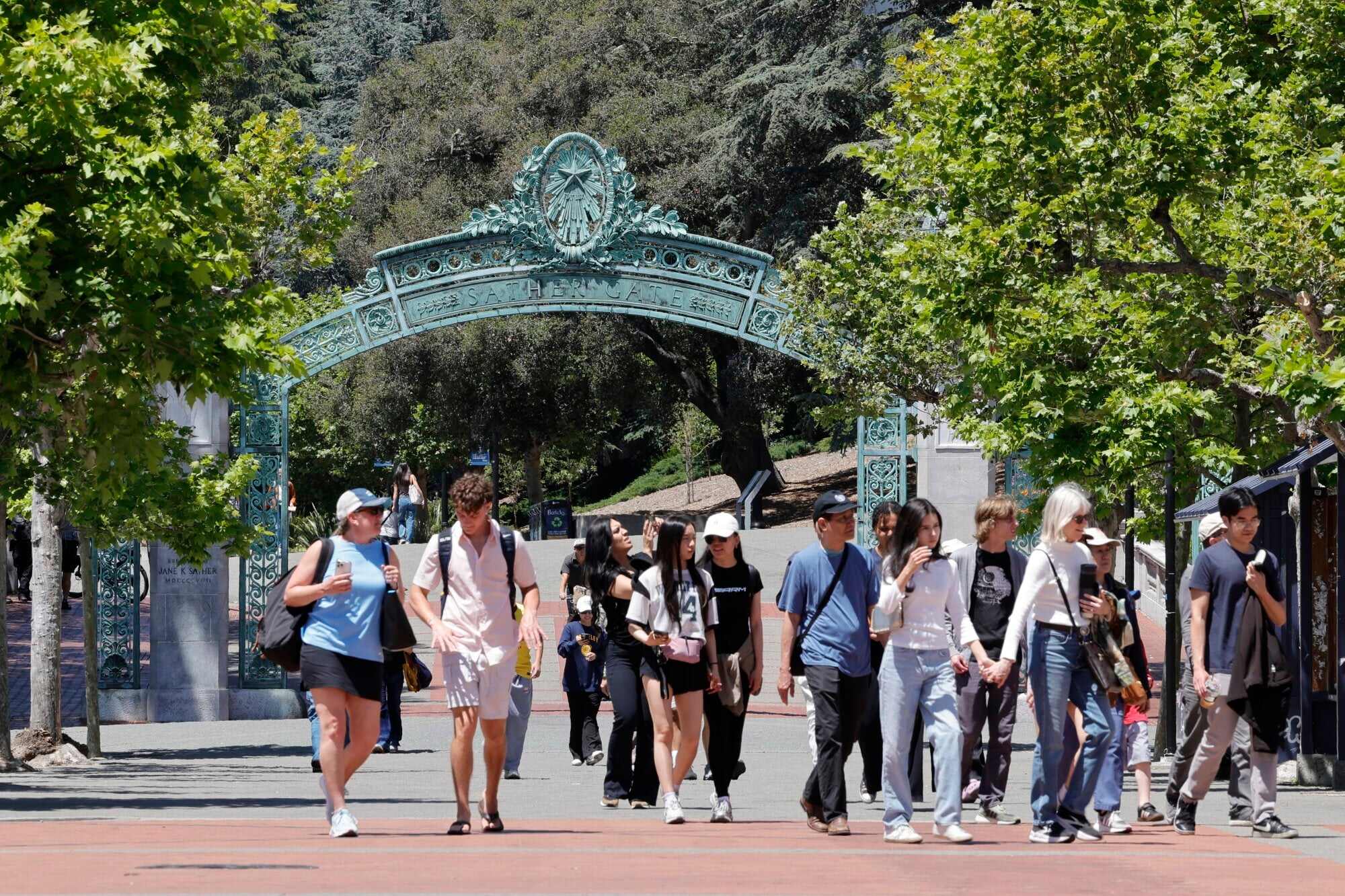
UC Berkeley was among the first major universities to respond.
In an August 13 letter to students, the university’s international office said the new federal criteria were “narrow in nature” and raised questions about existing CPT practices.
The university then suspended applications for “course credit CPT” that were considered integral to a programme but were not formal degree requirements. The university said it would continue processing CPT that was required for the degree.
UC Berkeley’s current CPT guidance continues to reflect the suspension. The university now considers “integral” practical training to mean either a degree requirement for all students in the programme or a necessary component of a master’s thesis or doctoral dissertation.
The University of Pennsylvania announced a universitywide pause on August 29, putting new and pending CPT requests on hold while it reviewed its academic programmes and procedures in response to the federal guidance.
The university stressed that CPT had not been eliminated and that pending applications had not been denied.
It also highlighted a key change in how academic credit was treated, telling students: “Under the guidance, receiving academic credit is not enough by itself.”
NYU updated its guidance on August 31, saying the federal guidance established a stricter interpretation of CPT rules.
Under the university’s reading, CPT may be authorised only when it is an explicit, mandatory degree requirement of a programme.
NYU said CPT authorisations already approved for the autumn term would remain valid, but pending requests had been frozen.
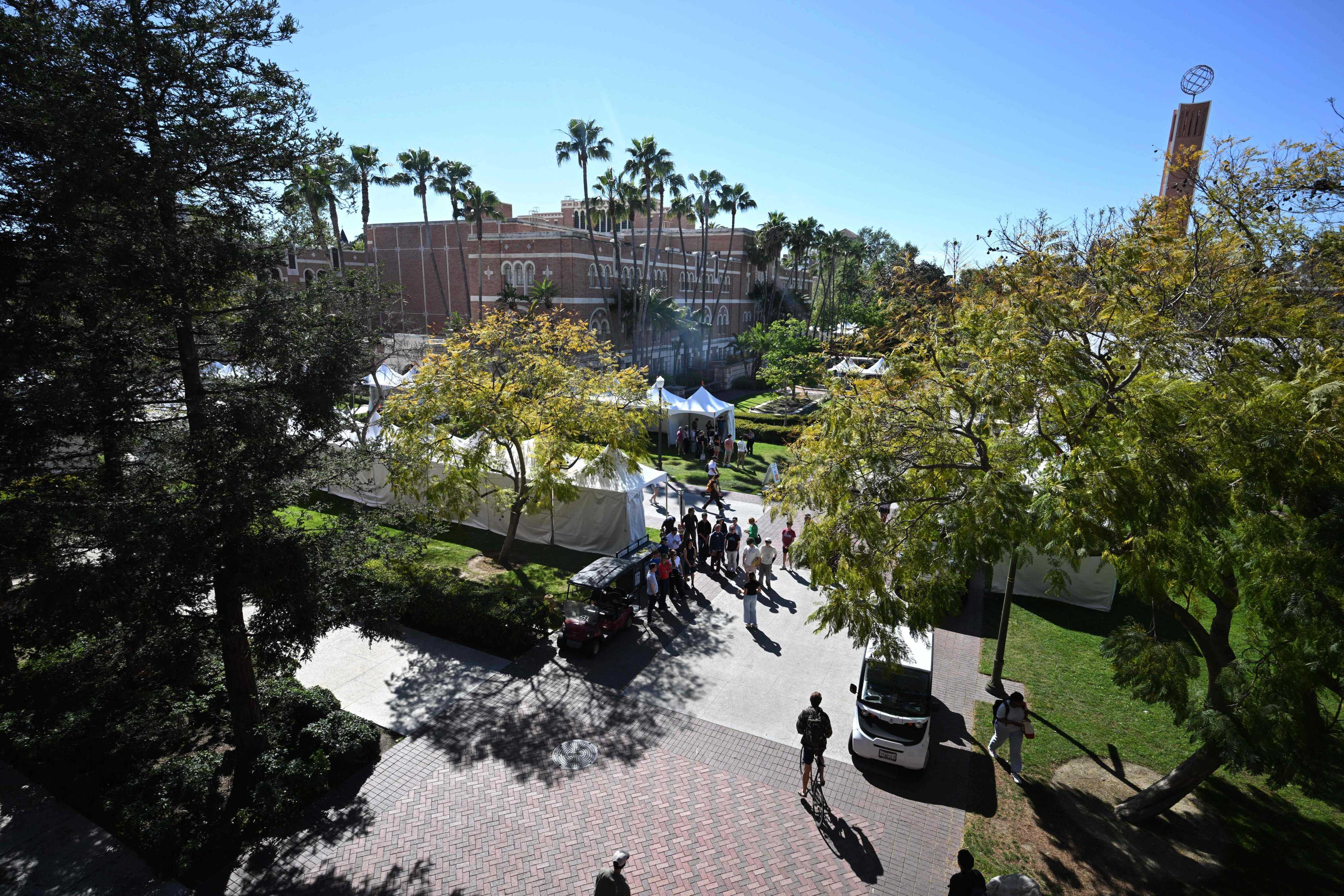
USC has taken a similar position. It said CPT based on an elective course did not meet the federal requirements. As of August 24, the university said CPT would generally be limited to practical training required for graduation.
The University of Washington has also paused new CPT requests that are not required work experience for all students in a degree programme.
At the University of Rochester, optional internships, clinical experience and other practical training, including those tied to elective internship courses, are no longer considered eligible under the university’s interpretation of the guidance.
Other campuses within the University of California system, including UCLA and UC Davis, have also issued guidance.
What Chinese students need to know
The changes apply to international students from all countries on F-1 visas.
However, the restrictions could have a major impact on Chinese students, who make up one of the largest international student groups in the US and often rely on internships during undergraduate and master’s degree programmes.
For students who already have internship offers for the autumn semester, the key question is whether the CPT has already been authorised.
At universities that have issued guidance, CPT already authorised on official paperwork generally remains valid.
Students should also remember that they cannot begin off-campus work until they have received the required CPT authorisation.
On the Chinese social media platform RedNote, a user identifying as a Columbia University PhD graduate said the policy was “truly driving international students into a corner”.
“Doesn’t this completely cut off any path for international students to intern in the US?” the user wrote.
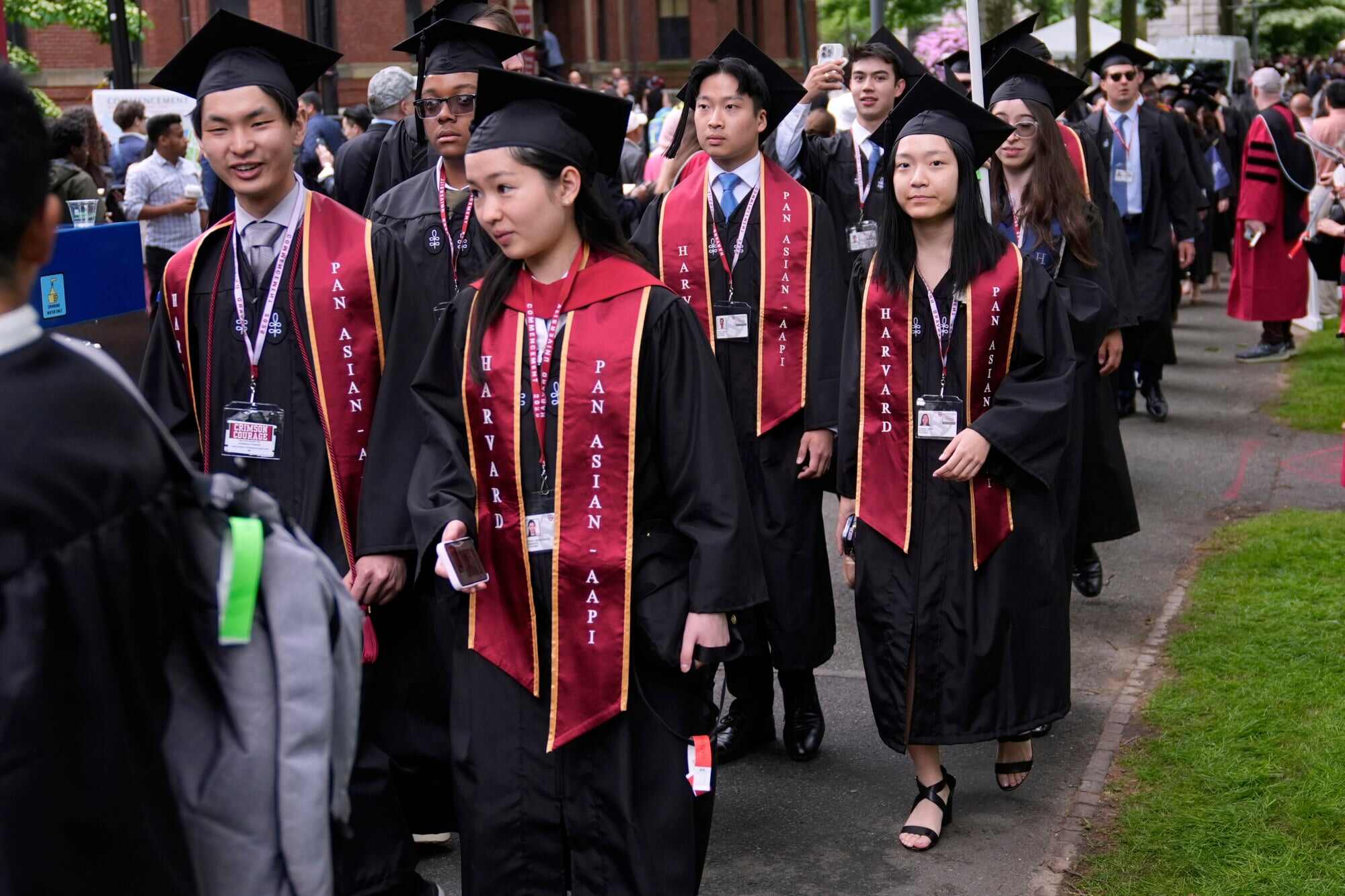
A user who said they were a UC Berkeley journalism student noted that a “short-term policy reversal” appeared unlikely. The person cited an email from the university’s international office stating that the suspension of CPT approvals had been “extended indefinitely”.
Another RedNote user, who listed the University of Southern California as his school, posted a scathing reflection, saying that he had “really believed it” when people had promised him the STEM fields – science, technology, engineering and mathematics – were stable and technical skills were in demand in the US.
“I was completely misled. When policies shift like this, all of it falls apart in an instant,” he wrote.
Frustration over US President Donald Trump’s second term has been a dominant theme of discussions on the Chinese platform.
One user, whose post showed an Illinois IP address, said: “This is only one year and eight months into Trump’s term; the ‘good days’ are still ahead of us.”
A Los Angeles-based user replied: “It’s only been a year and a half? It feels like half a lifetime has passed.”