Have something to say? Send us a letter using this form.
Artistry in a machine-dominated era
Wong Hoi-fung, The YWCA Hioe Tjo Yoeng College
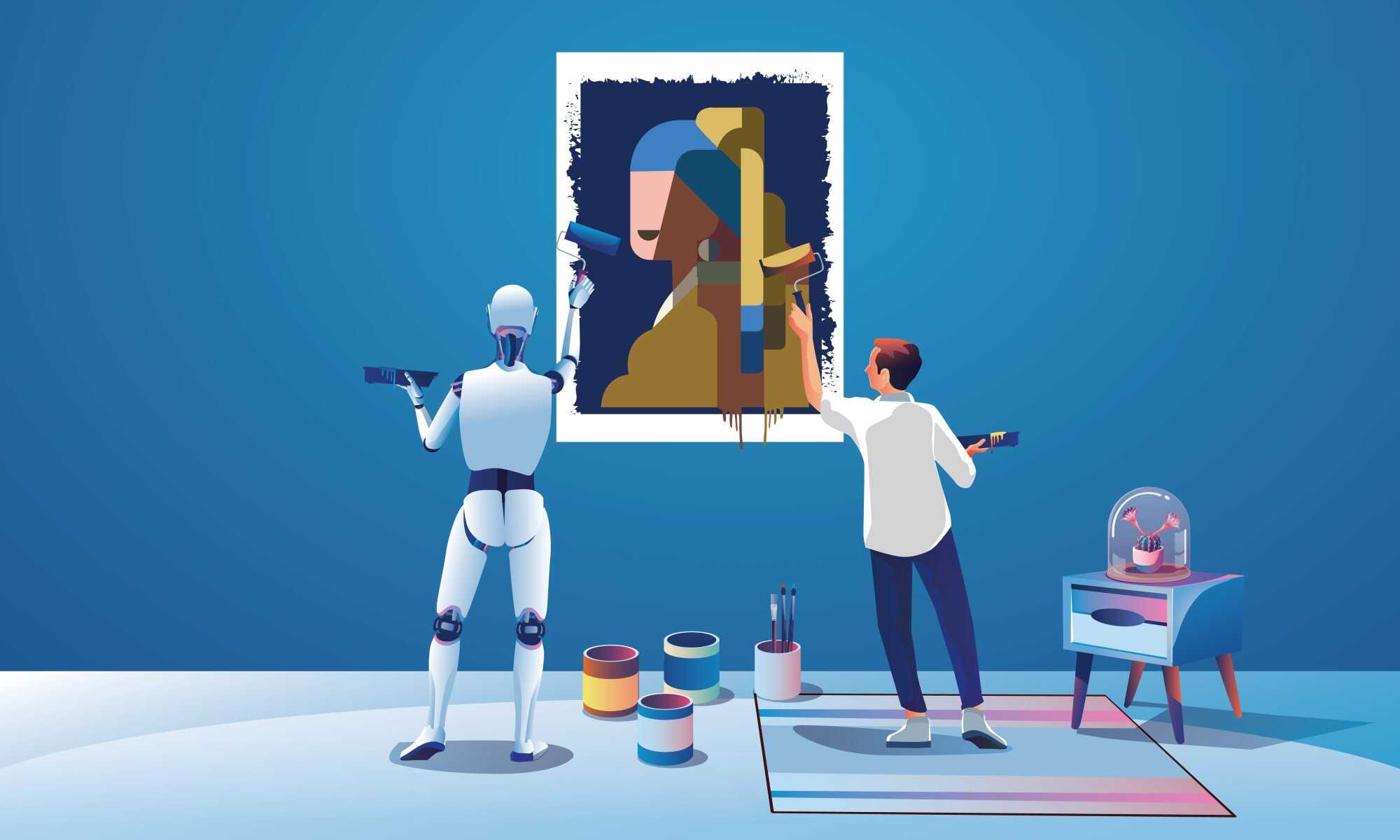
Imagine spending weeks working on a digital painting for your portfolio. You carefully select the colour palette, refine your brushstrokes and pour your emotions into the canvas.
Now, picture a classmate who simply types a prompt into an AI (artificial intelligence) generator – “cyberpunk style, emotional portrait” – and instantly receives a strikingly similar image. Who owns that image? Did the machine “steal” your style?
We stand at the intersection of a creative future and a technological revolution, facing not just hypothetical legal dilemmas but profound existential questions. These issues challenge the very essence of human effort.
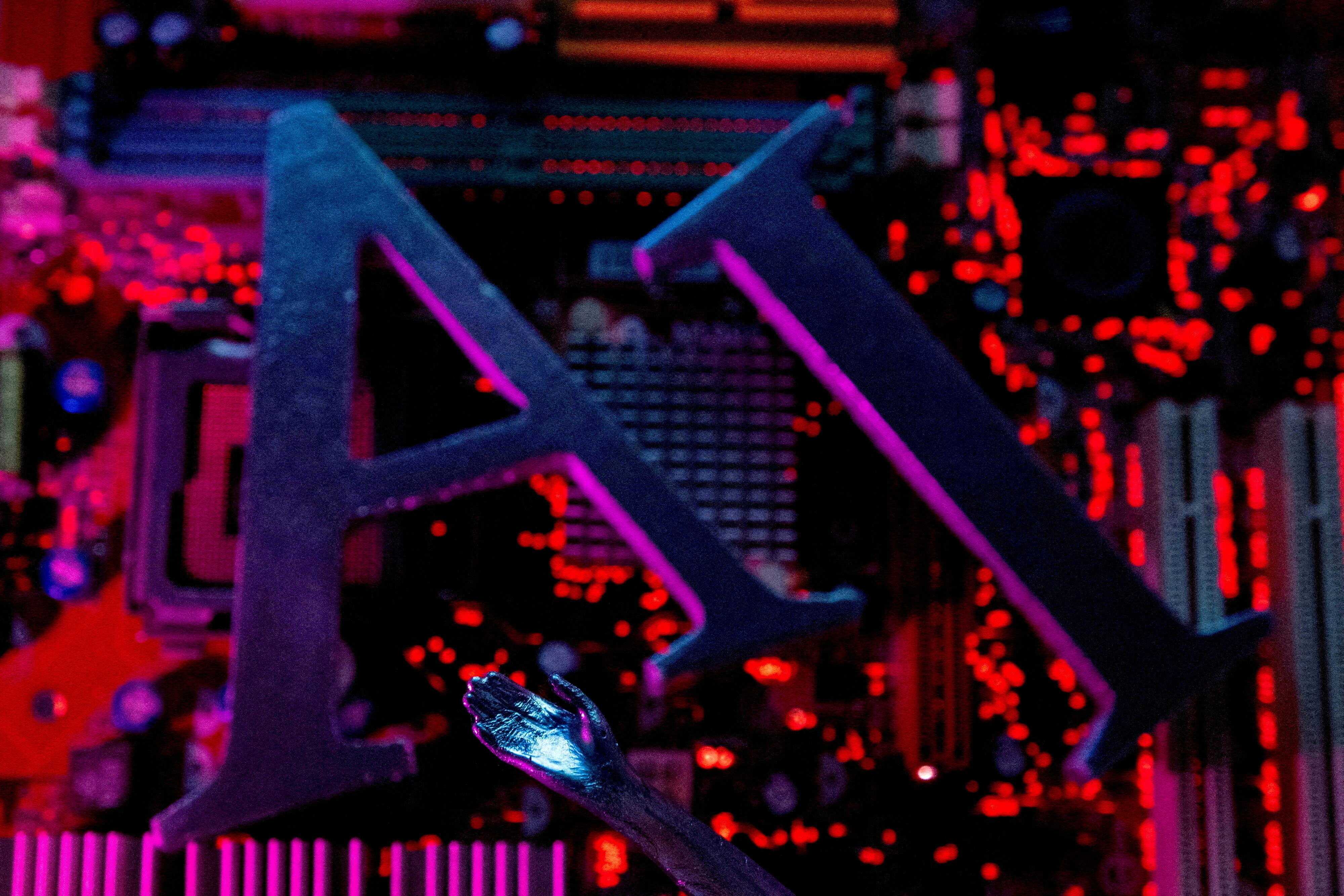
Generative AI is advancing faster than the law can keep up, leaving students confused. While we use these tools for brainstorming, we are navigating uncharted territory. The central issue is “human authorship”. Traditionally, copyright protects human creativity. The US Copyright Office has clarified that works created entirely by AI cannot be copyrighted because they lack the necessary “human touch”.
For a student using AI as a tool – by modifying and editing the output – where is the line drawn? If I generate a draft with AI and then rewrite 60 per cent of it, is the final essay considered my own? In academic settings, uncredited copying is deemed plagiarism. However, in the legal realm, the definitions can be ambiguous.
Legally, the main concern is the “black box” of training data. AI models learn by collecting billions of images and texts from the internet, often without the consent of the original creators. This raises significant questions about fair use. Is it right for a technology giant to profit from a model trained on our work without compensating us? As a student, I find this unjust. It implies that the final product is more important than the human labour that went into creating it.
Banning AI would be akin to banning calculators in order to protect mathematicians. Instead, we need to adapt to the changes it brings. However, this uncertainty creates a daunting dilemma. We are encouraged to embrace AI to remain competitive, yet if we become too reliant on it, we risk producing work that we cannot legally claim as our own. For example, a graphic design student may fear that anyone could easily copy their AI-assisted logo. Similarly, a writer might worry that their unique voice is being used as data for the next AI model.
To address this issue, we must legally recognise “hybrid creativity”. First, we need transparency. Just as food products list their ingredients, AI developers should disclose their training data, allowing artists to opt out or request licensing fees.
Second, we need a more nuanced definition of authorship. The law should protect the human selection and arrangement involved in AI-assisted work. If a student directs the AI and iterates on prompts, that demonstrates creative judgment. Lastly, schools must revise their integrity policies. Instead of fostering fear around cheating, we need clear guidelines on how to cite AI as a co-creator.
My generation isn’t trying to hinder progress; we want regulations that honour the “ghost in the machine” without stifling the spirit of the artist. Technology should enhance human potential, not diminish our rights. Until the law adapts, we remain artists in a machine-dominated world, holding our brushes and questioning whether our strokes still hold value.
Embracing body neutrality together
Bella Chen Pui-lam, St Catharine’s School for Girls
The concept of body positivity has evolved from a radical movement into a mainstream conversation, especially within the digital environments that my generation inhabits. As a 13-year-old navigating this complex landscape, I view body positivity not as a final destination of constant self-love, but as a necessary and ongoing process of critical self-reflection.
The movement plays a crucial corrective role. For decades, media and advertising have promoted a singular, often unattainable beauty ideal. Recently, the concept of “wonyoungism” has been gaining significant attention, leading many individuals to make extreme efforts to achieve a slim physique, such as restricting their diets and engaging in unhealthy behaviours. Body positivity counters this narrative by asserting that all bodies are valid, regardless of size, ability or lifestyle choices.
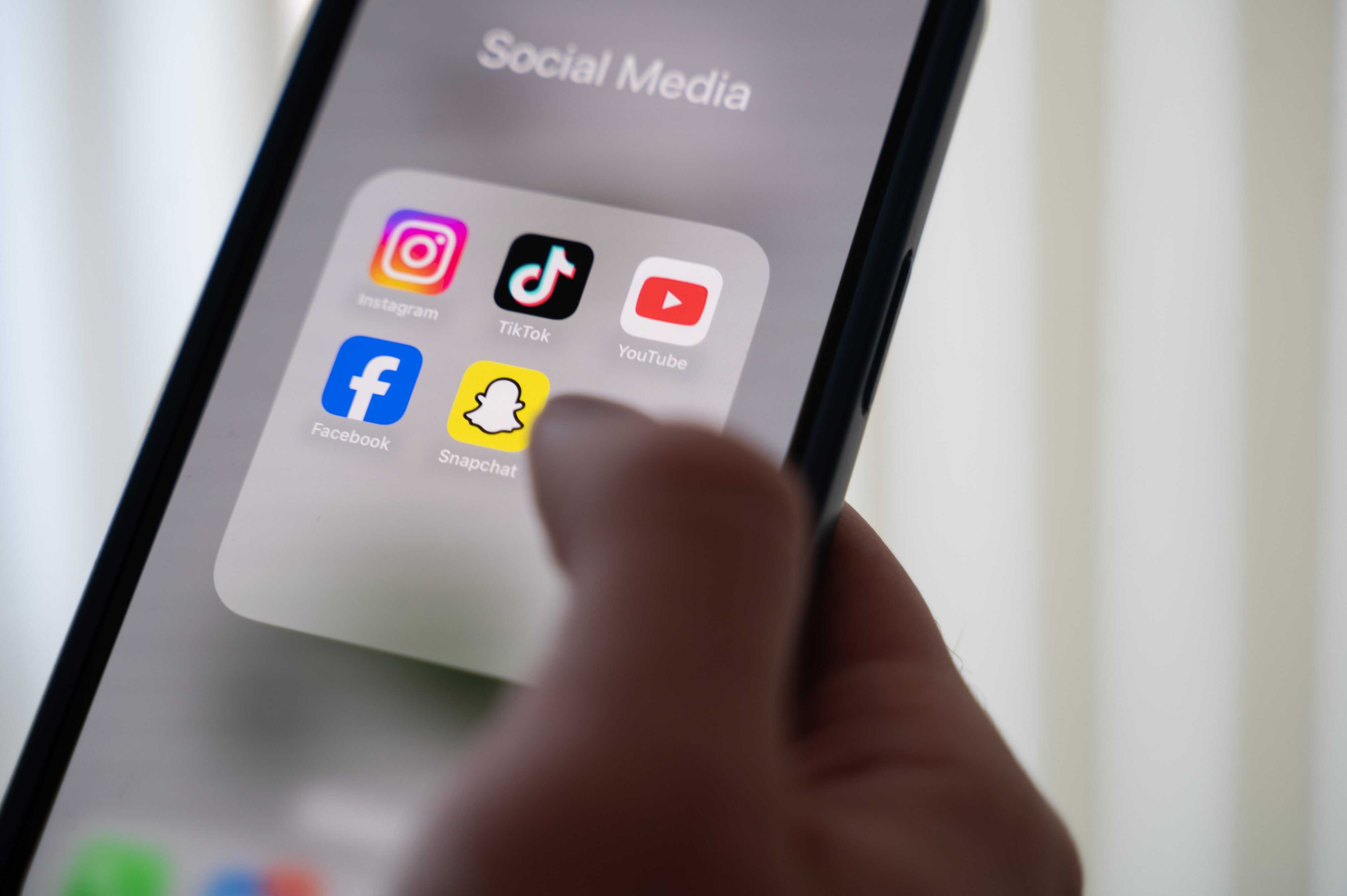
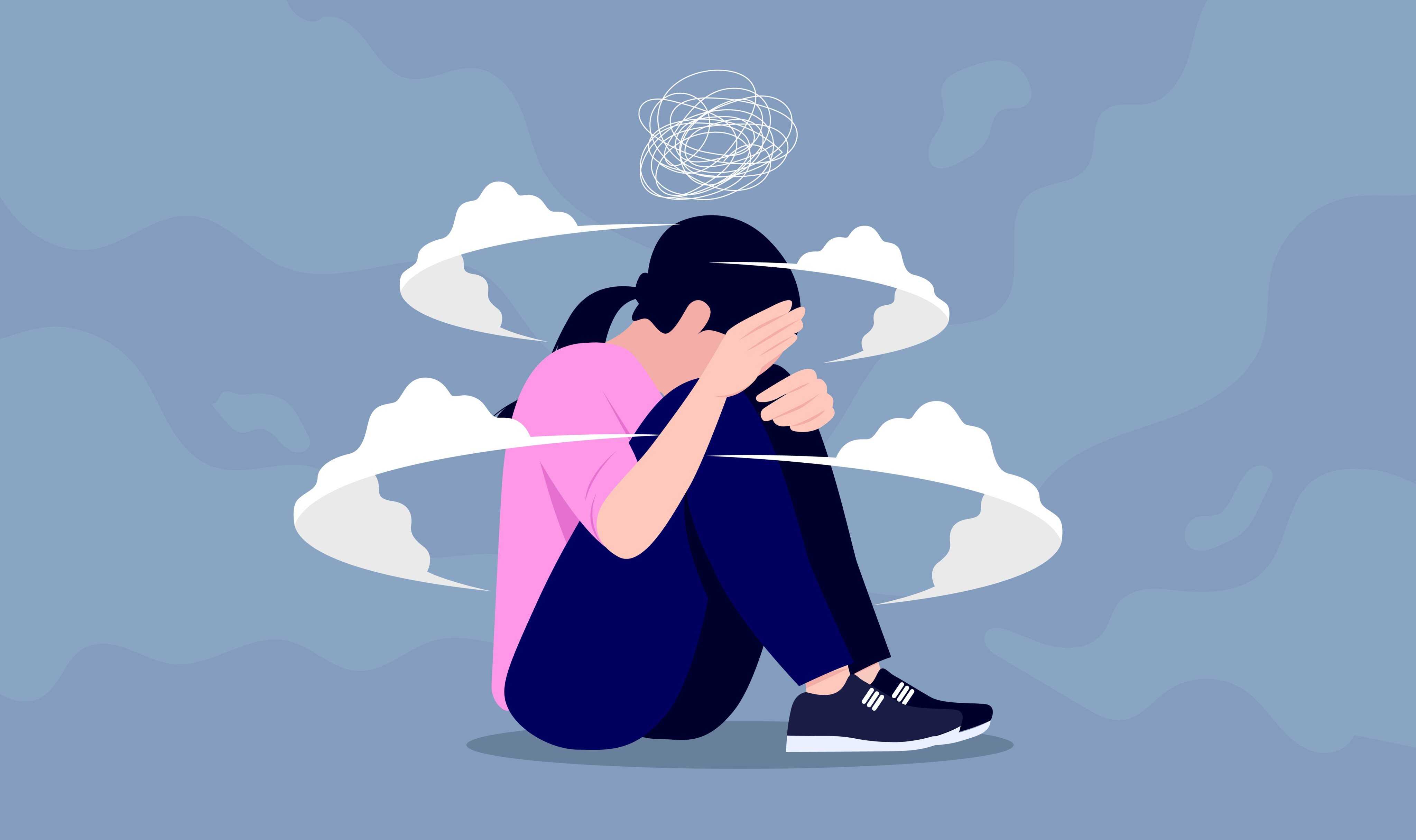
This representation is profoundly impactful during adolescence, a time marked by heightened self-consciousness. The constant exposure to media influences creates an environment where diversity is not just tolerated but recognised as valuable. True body positivity involves recognising that many of our insecurities stem from social media propaganda. The pressure to conform to certain physical ideals can actually lead to new sources of anxiety and make individuals feel inferior to others.
For many people, including me, a more sustainable and authentic approach lies in the concept of body neutrality. This perspective encourages a shift from aesthetic judgment to genuine appreciation.
Asteroids: nature’s cosmic wanderers
Quincy Lo, Kowloon Junior School
An asteroid is composed of materials from the early formation of our solar system. You can find asteroids primarily in two regions: between Mars and Jupiter, known as the Asteroid Belt, and at the outer edges of the solar system in the Kuiper Belt. Like planets, asteroids orbit the sun, but they are not classified as planets themselves. Additionally, asteroids can be made of various substances, including ice, metal, clay, nickel, iron and other rocky materials.
Have you ever wondered how asteroids stay in their gravitational belt? The answer is gravity – the force that keeps everything on Earth grounded. Without gravity, objects would float aimlessly in space. Thanks to gravity, things remain anchored in their places. Sometimes, however, asteroids can stray from their gravitational belt and get pulled into Earth’s gravity, resulting in what we often call a shooting star. The first person to witness a shooting star was Giovanni Virginio Schiaparelli, an Italian astronomer who observed celestial objects through a telescope and noted an asteroid.
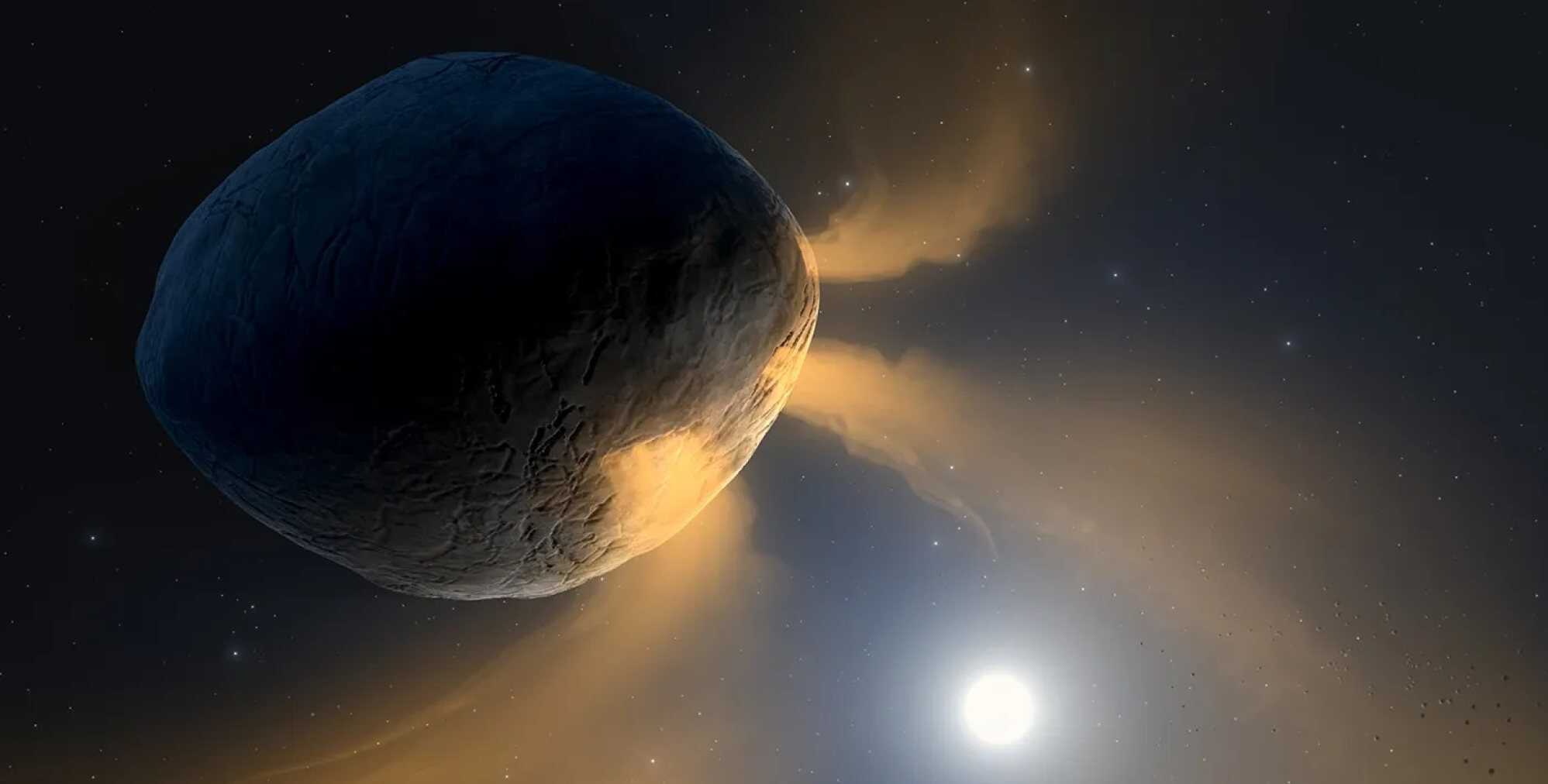
Did you know that dwarf planets are actually a type of asteroid? Some asteroids, when they are large and round enough, can be classified as dwarf planets. However, scientists must evaluate and officially classify them before they are recognised as true dwarf planets.
According to the International Astronomical Union (IAU), a celestial object must meet three criteria to be considered a planet: it must orbit the sun, be mostly round (not have large, bumpy irregularities like asteroids), and be large enough for its own gravity to pull in any nearby objects.
Pluto is the first recognised asteroid dwarf planet and is only about half the size of the United States. It is composed of approximately 70 per cent rock and 30 per cent water and ice. There are five known dwarf planets in our solar system: Ceres, Pluto, Haumea, Makemake and Eris. Among these, Eris is one of the largest.
If you are trying to spot an asteroid in the night sky, you will likely be disappointed. Asteroids are usually too far away to be seen with the naked eye. The best opportunity to observe an asteroid is during a shooting star event, which is actually a meteoroid burning up in the Earth’s atmosphere. Generally, asteroids are difficult to see because they reside mainly in the asteroid belt between Mars and Jupiter and beyond, at the outer edges of our solar system.