Have something to say? Send us a letter using this form.
YouTube for learning
Jocelyn Fang, Lung Kong WFSL Lau Wong Fat Secondary School
YouTube can be a valuable tool for enhancing study skills; however, many students may struggle to focus on educational content amid the site’s vast array of videos.
On the positive side, educational YouTube videos can help students grasp information more quickly. They can rewatch videos until they fully understand the material, making this method effective.
Additionally, students can access knowledge anytime, allowing them to watch videos whenever they need to. High-quality educational channels provide diverse, up-to-date content that can enrich the information in traditional textbooks.
However, there are notable drawbacks. YouTube contains significant misinformation because anyone can upload content. Students may also be easily distracted by videos unrelated to their studies.
Furthermore, watching educational videos is a form of passive learning; it does not encourage students to think critically and solve problems independently. This approach can also limit opportunities for peer collaboration.
In conclusion, while educational YouTube videos can be beneficial, it is essential to select which videos students watch to avoid the spread of misinformation.
Teens in turmoil
Connie Lau Hiu-tung, Tak Nga Secondary School
Mental health issues among teenagers in Hong Kong have become a significant social concern. There are a few reasons for this troubling trend.
Academic pressure is the primary cause. Hong Kong students face a heavy workload, with numerous homework assignments and daily quizzes, coupled with high expectations from their parents and teachers. As a result, they have very little time to relax.
Many Hong Kong students spend excessive amounts of time online, where they may compare themselves to others or fall victim to cyberbullying. This can severely damage their self-confidence and contribute to feelings of loneliness.
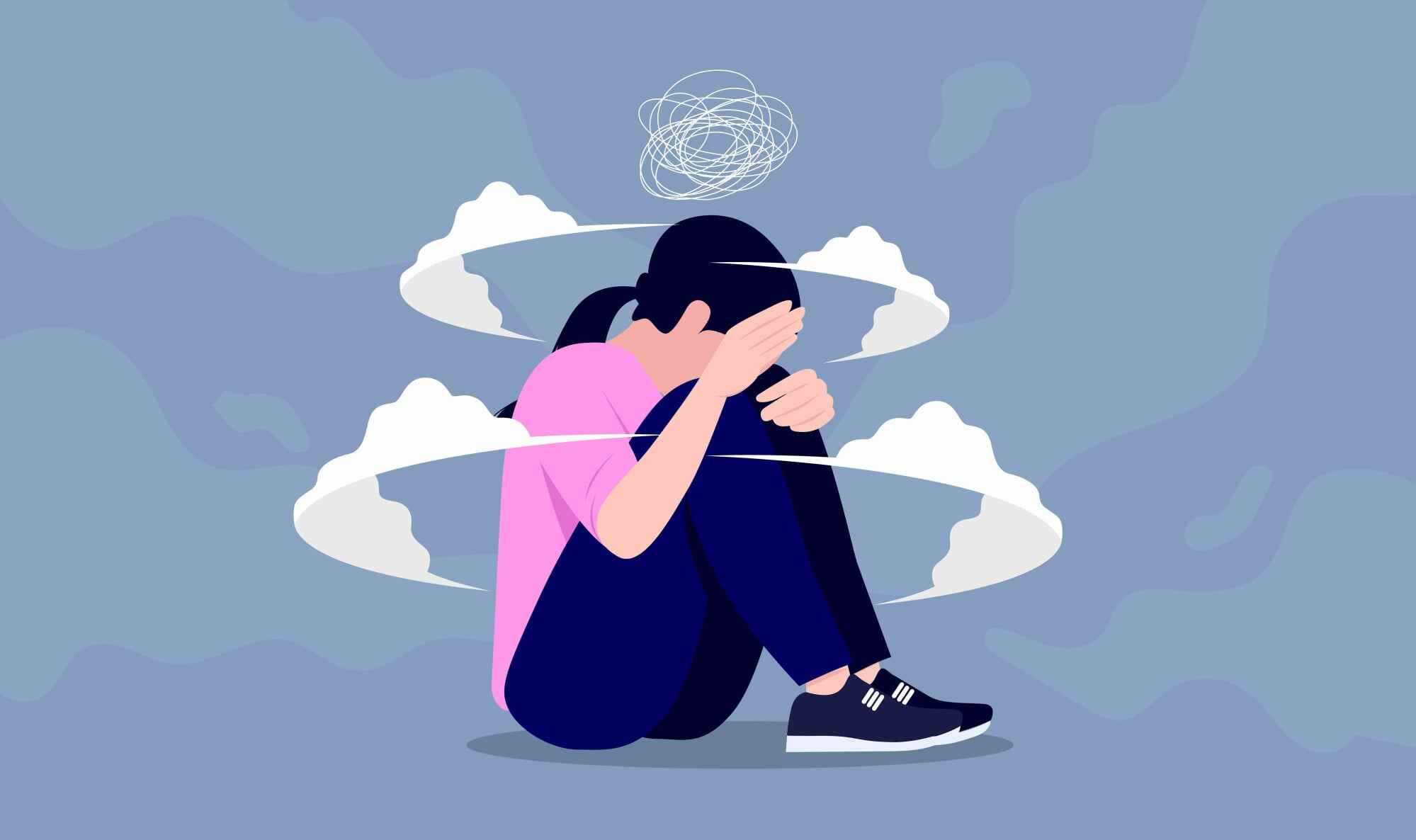
Consequently, students are often reluctant to seek help, fearing judgment from others.
In conclusion, the two primary factors affecting teenagers’ mental health in Hong Kong are heavy academic pressure and overuse of social media.
China’s unemployment crisis
Crystal Xu, Pope Paul VI College
I am writing to share my thoughts on the article titled “China’s youth unemployment crunch deepens as record graduation season looms,” published on April 21 in the SCMP.
The article highlights a troubling trend: youth unemployment in China rose to 16.9 per cent in March after months of decline, just as a record 12.7 million graduates are about to enter an already challenging job market.
Many young jobseekers lack the professional experience employers demand, putting them at a disadvantage.
The intense competition for civil service jobs reflects a deep-seated fear of instability in the private sector. Over 3.7 million candidates took the national exam in December, with an average of 98 candidates per position. Unfortunately, failure is the most likely outcome.
The impact of this trend is deeply personal and significantly affects young people’s mental health and life choices. Extended job searches erode confidence and breed anxiety, leading many to postpone major milestones.
The rise in youth unemployment is not merely a minor economic fluctuation; it signals a deeper disconnect between education, expectations and the realities of the job market.
Information overload dilemma
Yuki Leung, Po Leung Kuk No 1 W.H. Cheung College
Technology is propelling us into a new era where we can effortlessly access information.
However, constant access to information has subtly changed the way people think, leading to cognitive offloading – defaulting to the easiest option. We now face a paradox: students increasingly use AI tools to find viewpoints for their argumentative essays instead of expressing their own thoughts.

Similarly, workers often present AI-generated ideas as their original contributions, even when innovative thinking is expected.
As we forgo the opportunity to think and analyse, we may convince ourselves that we are being more efficient, all while engaging in superficial thinking. Undoubtedly, social media and online platforms provide us with abundant information. With this wealth of content, our knowledge base expands, our ability to provide facts improves and our understanding of the world becomes more comprehensive.
Yet, we risk failing to analyse deeply and develop insightful perspectives. Few take the time to reflect on a topic that has already been widely discussed. Ultimately, we should take full control of our thoughts and limit the influence of constant information access.