Have something to say? Send us a letter using this form.
Blanket bans ignore reality
Jessy Ng, St Mary’s Canossian College
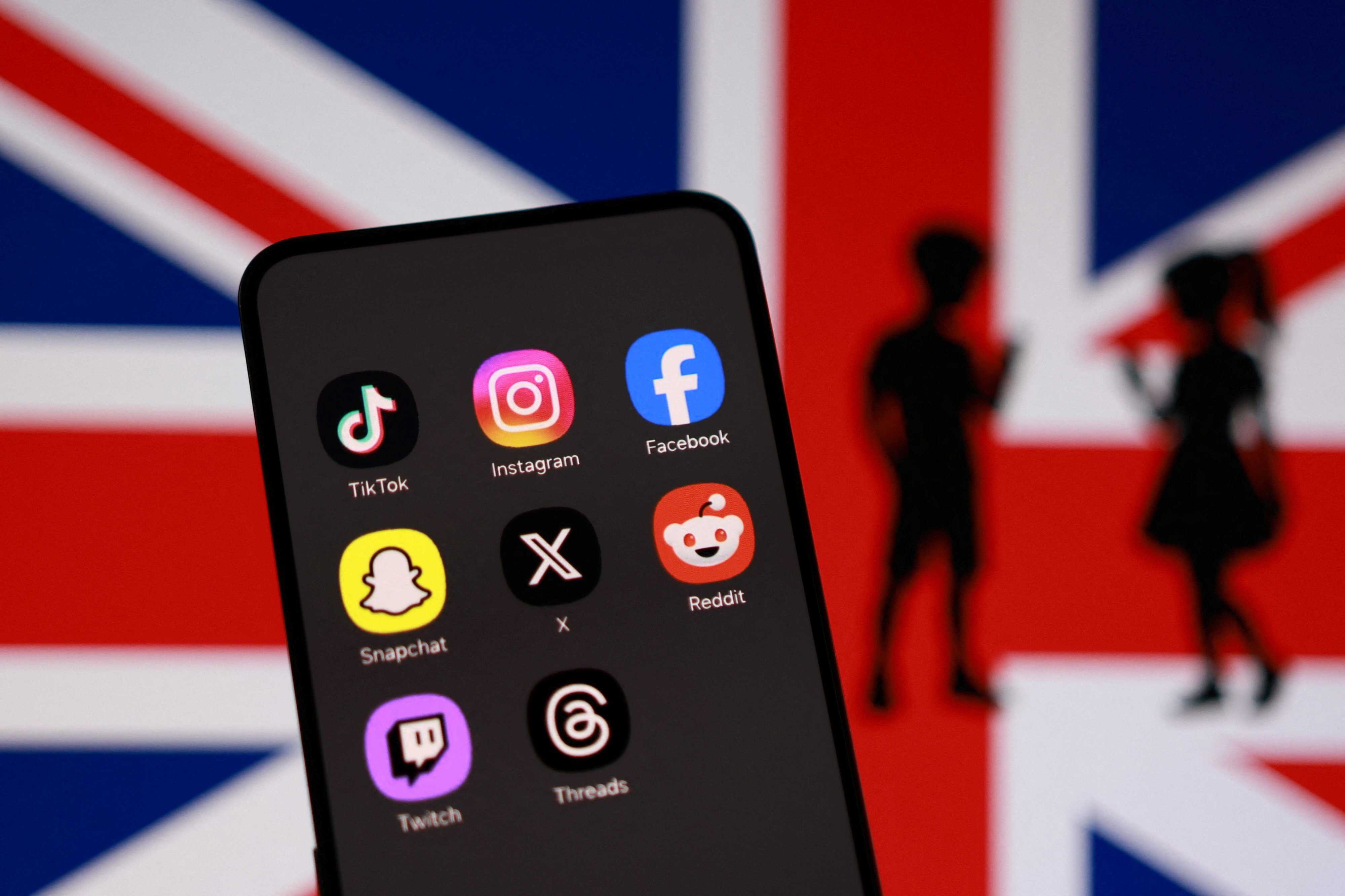
The debate over teenagers and social media has reached a fever pitch, leading many lawmakers and parents to advocate for a total ban on these platforms for minors.
While the instinct to protect teenagers from online bullying, anxiety, and sleep deprivation is entirely valid, a blanket ban is a blunt instrument for a highly complex issue. Instead of solving the crisis, prohibiting social media ignores the realities of digital life and deprives youth of vital support systems.
The most glaring flaw of a total ban is its impracticality, as history proves that strict prohibition rarely stops a behaviour; it simply drives it underground.
Tech-savvy teenagers will find workarounds such as virtual private networks (VPNs) or hidden accounts, thereby removing any adult oversight. If a teen encounters cyberbullying or predatory behaviour on a banned app, they will be far less likely to report it to a parent out of fear.
Furthermore, a ban completely eclipses the benefits that digital spaces offer. For many teenagers, the internet is a vital lifeline for community and creative expression.
Marginalised youth, such as LGBTQ+ teens or those with rare hobbies, rely on social media to find a supportive tribe they might lack in their physical neighbourhoods. Removing these platforms completely isolates them from these communities.
Ultimately, the true culprit is not teenagers’ desire to socialise but the predatory, addictive algorithms designed by tech companies to maximise screen time. Instead of punishing users with bans, society should focus on holding these corporations accountable through strict regulation and teaching digital literacy in schools.
We do not ban teenagers from driving because roads are dangerous; we teach them how to drive safely. We must treat the digital world with that same guidance, transforming adults from digital police into digital mentors.
Defending the algorithm
Valerie Shek, Independent Schools Foundation Academy
Social media is a key pillar of entertainment in many people’s lives. This is why social media platforms should continue utilising algorithms to showcase content to their users.
Firstly, algorithms are extremely helpful in filtering through a sea of content. Algorithms do a lot more than attract attention for each user.
When they’re designed and regulated responsibly, they can successfully boost user engagement and retention by carefully creating a feed of personalised content tailored to individual preferences. These algorithms make huge platforms such as Instagram, Facebook and TikTok more usable.
They also help people discover content they care about and connect with others who share their niche interests.
More than 95 million photos and videos are shared on Instagram every day, so a purely chronological feed would bury the most meaningful content under what is trending.
Using algorithmic rankings helps people find relevant content in their language, posts related to their hobbies, and local news tailored to their interests. It keeps them from having to scroll past everything until they find a lucky match.
Algorithms also employ moderation and safety tools, such as artificial intelligence and automated systems, to screen inappropriate content and protect users. Some large tech companies, like Meta, are even pushing age-detection tools to ensure that children do not see content too mature for them.
Ultimately, even though algorithms have faced serious criticism for their impact on teenage mental health and their role in creating echo chambers that amplify the spread of misinformation, these are flaws in an imperfect system.
We shouldn’t abandon them completely; instead, we should hold platforms accountable and continue research to improve algorithmic systems.
Even though algorithms are not always the most accurate and don’t always show the best content, they are better than swimming in a sea of content without a boat. We should keep algorithms but continue improving them to better serve people’s needs.