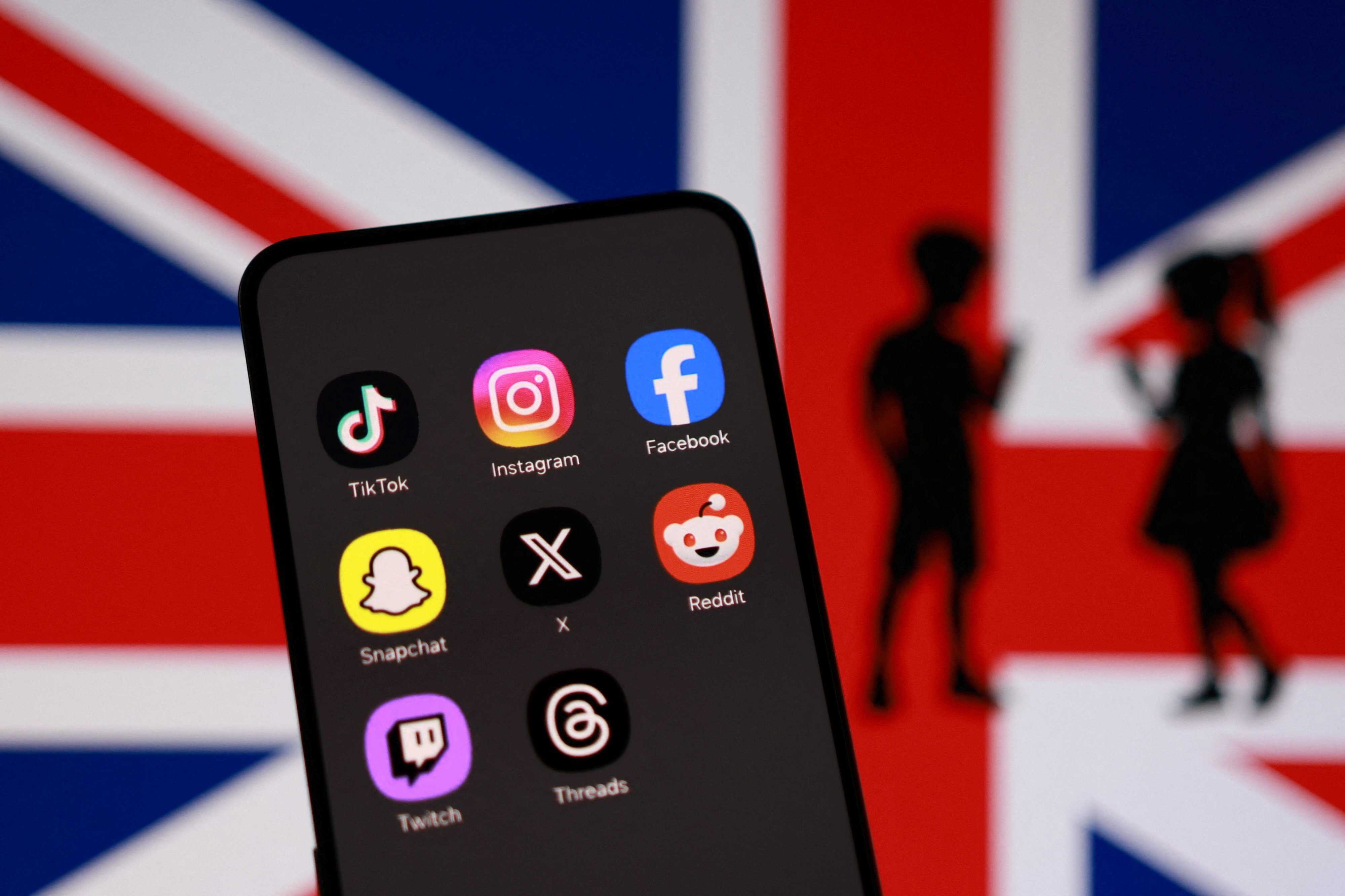
To “give children back their childhood”, the United Kingdom will ban social media platforms from offering services to those under 16, the country has announced.
A government press release called the plan a “new normal for future generations” and a “move to protect children online”.
Some, including children’s charities, welcomed the sweeping change, while others warned it could make teenagers less safe online. The move is likely to trigger a major fight with tech giants in the US.
Prime Minister Keir Starmer, who is likely to face a leadership challenge in the coming weeks, said social media sites were exposing children to content that is “dangerous” and “designed to be addictive”. The ban will “include platforms like Snapchat, TikTok, YouTube, Instagram, Facebook and X” but not messaging services such as WhatsApp, the government said.
Young people had a mixed response.
“I think it’s a good thing, to be honest. I don’t even remember what age I was when I got Instagram, but it was just way too early,” said Connie Skitt, 19, in the East Midlands. “You’re making friends with people you don’t know. It’s not that safe.”
Tom Warvell, 18, said 16 was a little old and that younger teens were a better age to focus on: “Times have changed, so it is important for people to still be able to use it.”
Starmer said the measure was influenced by Australia’s social media ban.
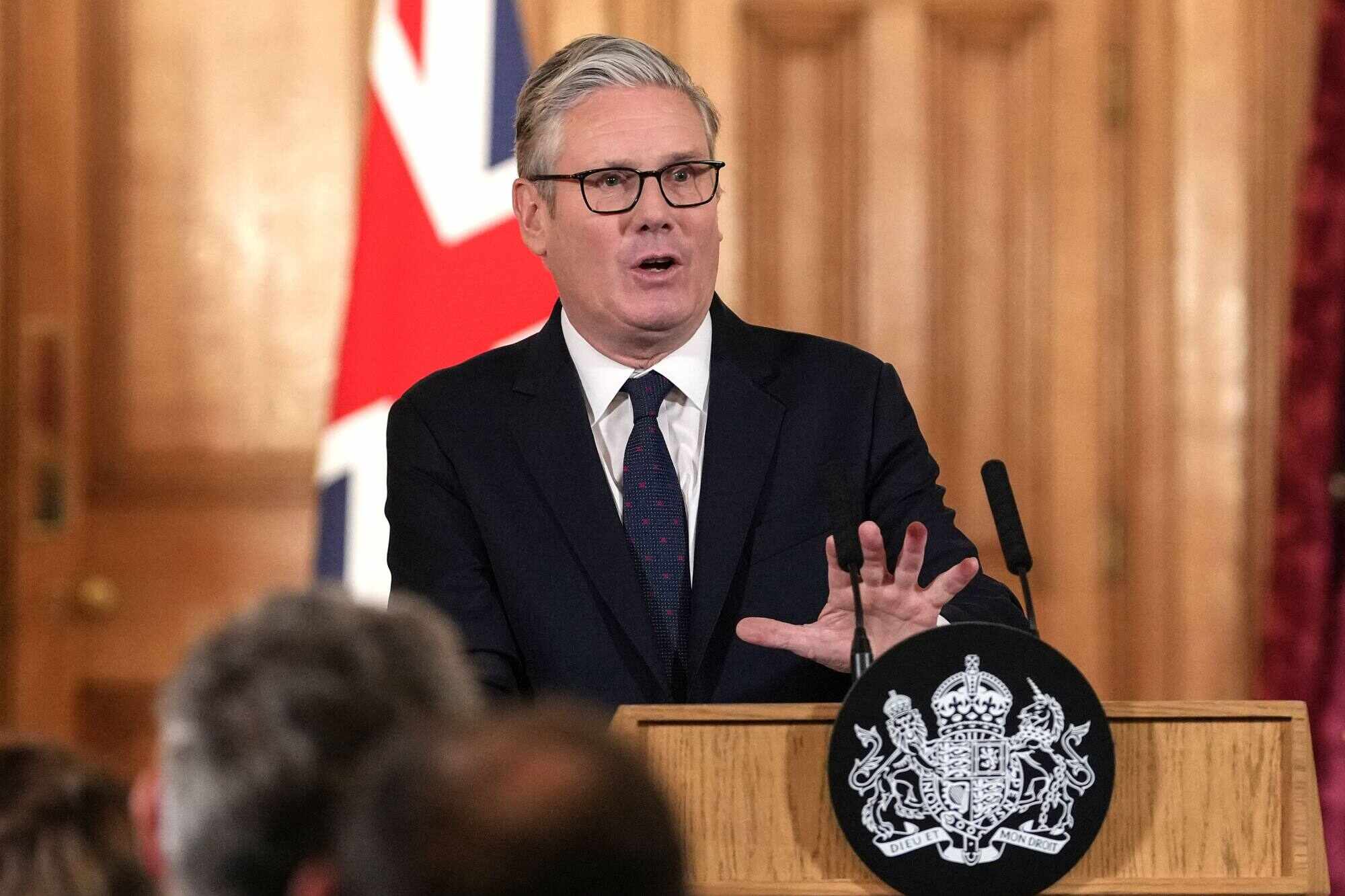
In December, it became the first nation to ban people under 16 from such platforms.
The UK leader said he hoped to pass the regulation by late December and for the ban to come into force next year. He suggested that YouTube Kids, Lego Play and Google Classroom would not be prohibited.
“Harmful functions” on gaming services and live-streaming platforms that allow strangers to contact children would also be blocked.
The government said it would also consider overnight curfews and breaks in infinite scrolling for minors. More details will be announced in July.
Australia’s Prime Minister Anthony Albanese welcomed the move on X, saying, “Social media giants operate across borders. By standing together, we can do more to hold them accountable and keep children safe online.”
But Save the Children UK voiced concerns that a ban “pushes children into less regulated spaces, where they are less likely to seek help when something goes wrong”.
Meanwhile, the National Society for the Prevention of Cruelty to Children insisted the policy must include “robust age checks on platforms” and “an effective enforcement regime”.