Have something to say? Send us a letter using this form.
OpenClaw’s security risks
Zhu Ziran, Hangzhou Yungu School (Zhejiang, China)
OpenClaw is absolutely going viral recently. Everyone’s scrambling to download it. In almost no time, this system has become a worldwide miracle. However, I wouldn’t recommend people rush to download OpenClaw unless they understand how to use it properly.
The surge in popularity also raises non-negligible risks.
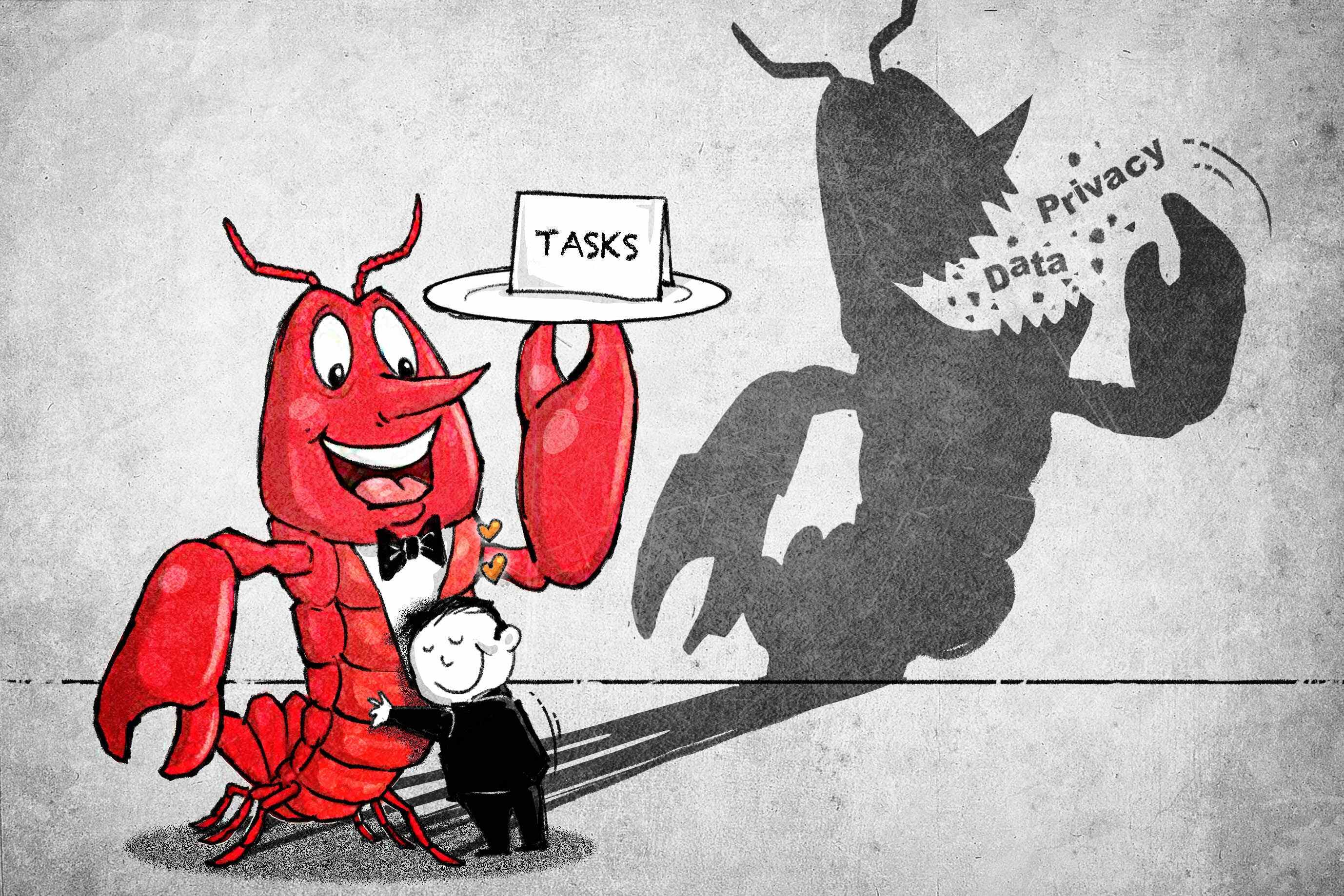
OpenClaw is an open-source AI assistant created by Peter Steinberger; it does not actually introduce a groundbreaking new technology but instead combines existing artificial intelligence (AI) into a practical system. The result is an autonomous agent that executes tasks via large language models, using messaging platforms as its user interface.
While many are downloading it, experts have pointed out potential security risks.
One major concern involves security and excessive privileged access. For example, in order to ask OpenClaw to shop online for them, some people disclose their credit card information to the system. Later, they may find their account almost emptied by the system through unauthorised transactions.
More problems have been discovered. The system once accidentally erased all data when a user asked it to assist him with a research paper. Files shifted irregularly on the computer when another user requested that it gather McDonald’s coupons.

These issues were swiftly shared on the internet, causing panic. Millions rushed to uninstall it as quickly as they had flocked to download it. These cases prove that OpenClaw is far too risky and potentially harmful for inexperienced users.
Private data leakage is also an issue. According to the report “OpenClaw and Claude in 2026, risks and retrospectives” by French computer security software publisher Stormshield, there were about 21,000 publicly exposed instances on the internet, which shows how urgent the issue of information leakage is. Private data is “naked” on the internet, leading to irreparable damage that may last for a long time or even forever.
What’s more, in my view, OpenClaw was designed for experienced users, not for rookies or teenagers. Teenagers are easily drawn to new technology to keep up with social trends. Nevertheless, advanced features do not always translate to safety or practicality for everyone. When blindly chasing the OpenClaw trend, teenagers tend to become the most vulnerable group if they do not truly understand its complexity and risks.
All in all, based on what I have mentioned above, I believe critical thinking is more important than simply chasing the newest technology. Teenagers like me should stay curious about innovation, but must also remain careful and responsible online.
Saving golden coin turtles
Audrey Isabella Calvert, Kowloon Junior School
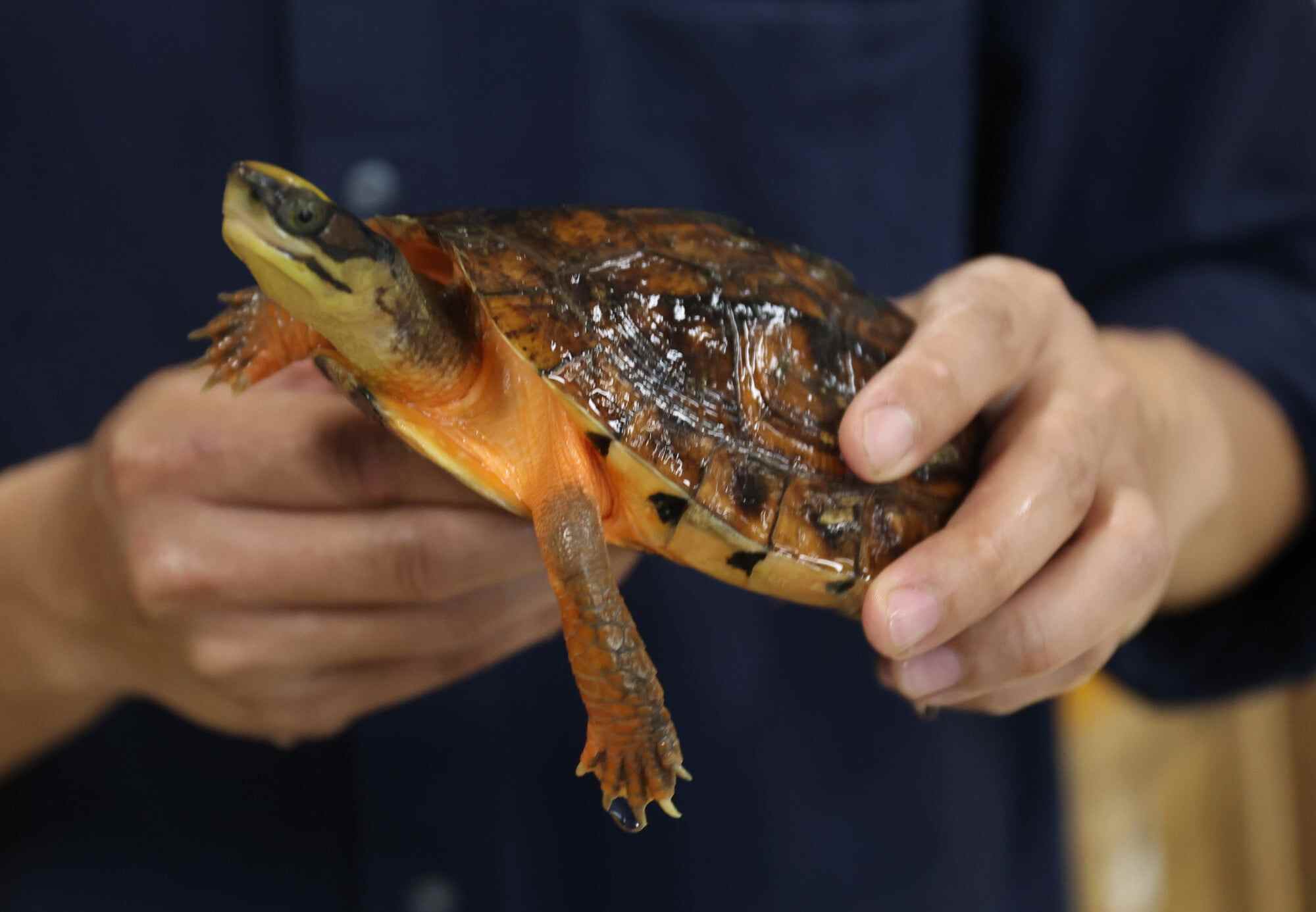
I am learning about the golden coin turtle and how humans have harmed it and its environment. This poor, innocent creature is currently endangered because of its use in traditional medicine. It’s also being harmed by turtle farming.
Isn’t this horrible, terrifying and heartbreaking?
First, we, cruel humans, have been using golden coin turtles as the key ingredient in a medicine called guilinggao. It is believed that the jellylike medicinal dessert cures everything. Many farms sell thousands of golden coin turtles for this purpose.
Imagine if your body parts were put in medicine to cure other species? I believe we should stop buying this medicine made from golden coin turtles.
Second, humans have been farming turtles and hurting these innocent creatures. This also hurts other wild turtles. Would you like it if you were captured from your home and bred? Therefore, I believe we should ensure our government bans turtle farming.
In conclusion, we must protect golden coin turtles because they are at risk of extinction. When we use golden coin turtles in medicine, we are pushing them towards extinction. Moreover, if we keep turtle farming just to gain more money, we are also hurting other turtles and ecosystems.
Can you picture a world without any turtles?
You can help by picking up trash near water, avoiding using turtle products when possible, telling your family to use less plastic, learning about these animals and teaching others. Let’s all make better choices and save our planet together!

Phone rules for the greater good
Marcus Leung Kin-yat, Pui Kiu College
I am writing in response to the letter in the story “Your Voice: Balanced phone use, return of the iPod, saving water (short letters)”, published on May 30, 2026.
I understand Macy Cheng’s view on phone usage, but I disagree that schools should avoid stricter phone rules. Many students lack the maturity to control phone use at school. Phones distract lessons, reduce face-to-face interaction at break, and can cause privacy or bullying problems. I still remember a student whose school account was hacked and who was panicking about the matter.
Not allowing students to recklessly abuse their freedom might be a better choice in the end. It may seem difficult at first, but rules help, like handing in phones each morning with access for emergencies, or allowing phones only for lesson activities.
Rules can build good habits without harsh punishment. Schools should be a place to focus on learning and real conversation. Stronger phone rules can protect students’ concentration and relationships.