Have something to say? Send us a letter using this form.
Empowering young voices
Kaitlyn Yu, Choate Rosemary Hall (United States)
Primary school English was, at best, the bane of my classmates’ existence.
Everyone had to learn about active and passive voice, how to use “nevertheless” as a conjunction and how to punctuate lengthy passages. While we memorised the correct vocabulary to fill in the blanks, we rarely used those words outside assignments.
But in 2020, our world changed dramatically. Schools closed, and if kids weren’t doing more than memorising English words before, they certainly weren’t going to start then.
My sister and I grew up surrounded by a healthy mix of Chinese and English at home. With an abundance of free time, we turned to creative writing.
I thought about all the other students in Hong Kong, particularly those who lacked the resources to read, write or speak English with confidence. They had never used English to tell stories, daydream or explore what they could create with their words. My hope was to share with them the joy of storytelling and the limitless potential that comes with it.
In 2021, Project Co|Lab was born.
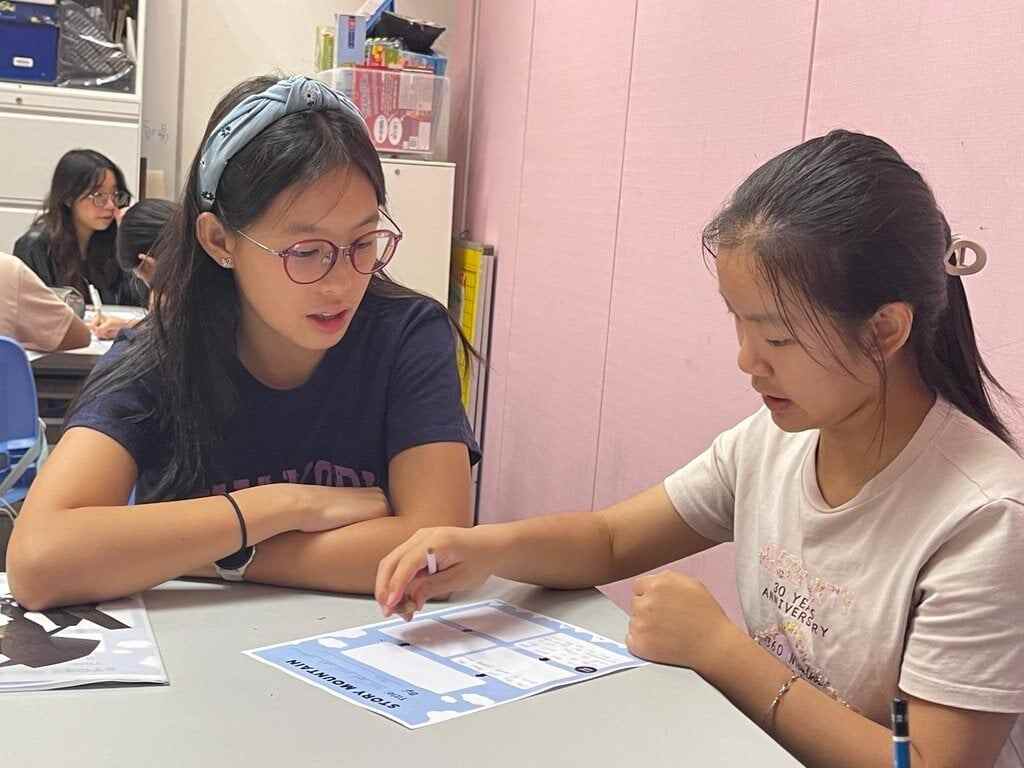
What started as a small idea grew into six-plus hours a week dedicated to research and curriculum design, ultimately evolving into English story reading and creative writing workshops for primary school students.
In each session, one volunteer helped each child write a short story. Over five weeks, I witnessed their confidence and English proficiency soar, culminating in an anthology of their creative writing titled The Lab Book. Two editions later, book sales exceeded HK$21,000, and we returned the proceeds to the participants as book vouchers.
Project Co|Lab was three years old when I left for school in the United States.
In the US, media literacy education is not federally mandated, and only half of the states have policies regarding it. As a result, two-thirds of American high school students struggle to distinguish between a news story and an advertisement.
The situation is even more concerning globally. A Unesco report from 2025 found that media literacy is integrated into national curricula in only about one-third of countries in Asia and the Pacific.
Project Co|Lab’s chapter in the US focuses on four key skills: understanding current events, recognising bias and disinformation, critically evaluating information and developing personal perspectives.
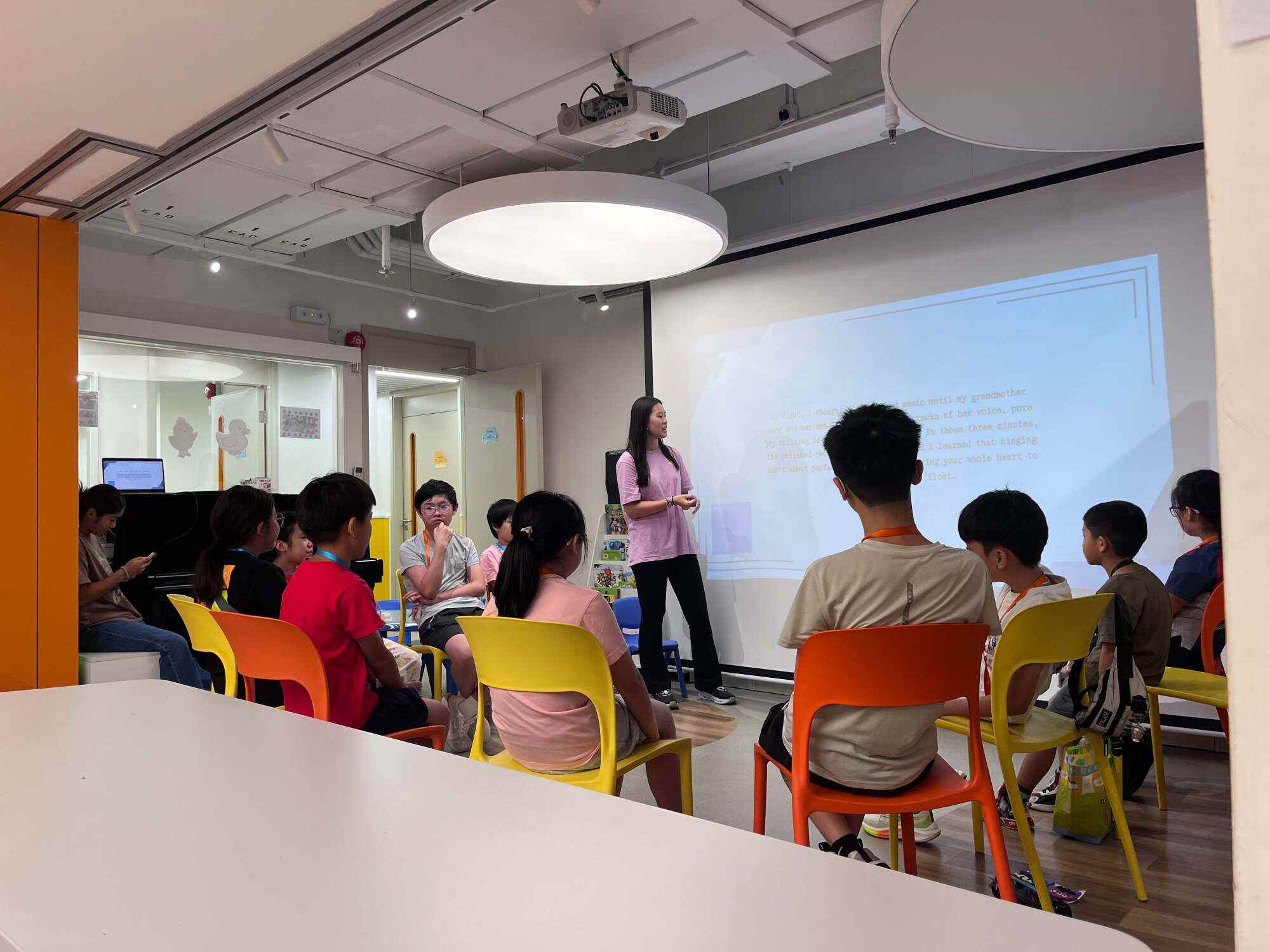
It has been transformative to see kids participate in activities designed to help them spot fake news, articulate opinions on current events and share their insights in discussions.
In the summer of 2026, we reintroduced Project Co|Lab in Hong Kong, with workshops aimed at Primary Four to Six students.
By August, over 100 participants and more than 120 volunteers had been involved in over 40 workshops.
I started Project Co|Lab at the age of 12, and now, at 17, my work still feels unfinished. However, I am determined to bring creativity, media literacy and critical thinking skills to students around the world.
Natto superfood benefits
Ella Tung Lok-ching, St Catharine’s School for Girls

Natto is a traditional Japanese food made from whole soybeans that are fermented with beneficial bacteria. It is widely recognised as a healthy superfood. How does natto taste? Natto is known for its strong, pungent aroma and its distinct slimy, sticky texture, which becomes frothy and stringy when stirred vigorously.
When you eat it, you will notice a slippery outer layer, but it’s soft and chewy on the inside. This unique texture can make trying natto an enjoyable experience.
For those who may not know, superfoods are nutrient-rich foods that offer maximum nutritional benefits. Generally, they are foods rich in vitamins, minerals, dietary fibre, antioxidants and healthy fats.
So, what makes natto a superfood? Natto is rich in plant protein, which is broken down into amino acids and peptides during fermentation, making it easier for our bodies to absorb.
Natto is an excellent source of vitamins K, B, E and C. It is also rich in minerals such as calcium, iron, potassium, magnesium and zinc.
Additionally, natto contains high levels of dietary fibre. A unique feature of natto is nattokinase – a special enzyme found in the slimy strings when stirred. Moreover, natto is rich in probiotics, which are beneficial live bacteria produced during fermentation.
After learning about all the nutritional values of natto, you might be wondering what benefits it offers. One major benefit is that natto helps prevent cardiovascular diseases. The enzyme nattokinase breaks down fibrin, acting as a natural blood thinner and helping prevent blood clots, thereby significantly reducing the risk of heart attack and stroke.
Furthermore, vitamin K, calcium and magnesium contribute to improved bone density, helping children avoid rickets while combating osteoporosis in adults and the elderly. Natto is beneficial for all ages.
Lastly, dietary fibre and probiotics help balance the microbiome, support gut health, prevent constipation and boost our immune system.
Interestingly, natto is associated with the longevity of the Japanese people. Their well-balanced, nutritious diets, which include traditional foods like natto, contribute to the world’s lowest obesity rates.
Among Japanese people, natto is commonly consumed for breakfast. It is often served with rice and seasoned with a dash of soy sauce, a sprinkle of sesame seeds or spring onions, and sometimes topped with a raw egg yolk.
From the description, I can already tell that this dish is nourishing. So, would you give it a shot? The benefits truly outweigh the drawbacks.
Consumer protection is key
Joy Wong Shing-nga, King Ling College
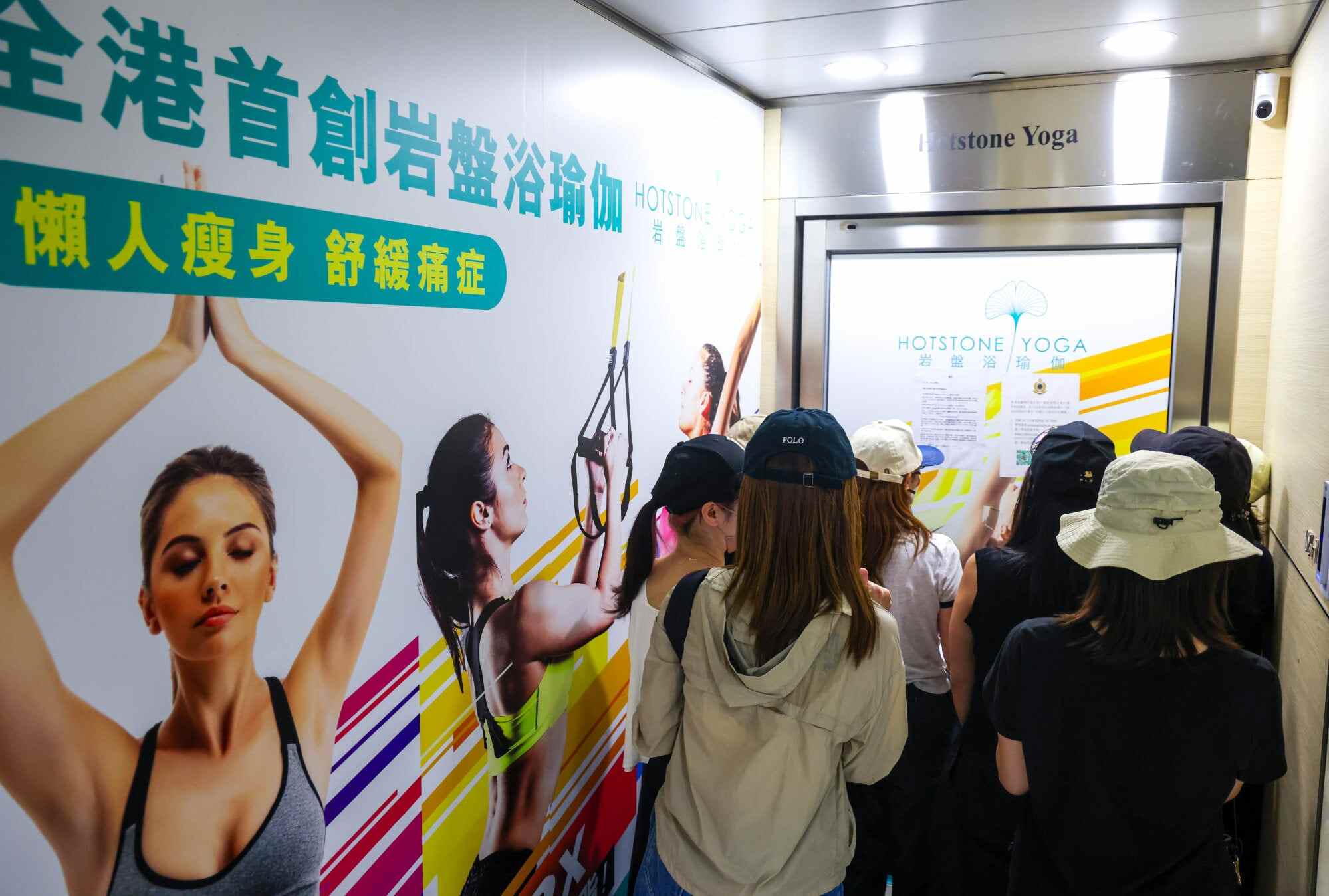
I am writing to express my strong support for a ban on prepaid contracts in Hong Kong’s beauty and fitness industries. As a secondary school student, I often observe how aggressive sales practices and sudden business closures negatively affect everyday citizens in our community.
The Hong Kong government is considering a bill that would require prepaid beauty and fitness services to offer customers a cooling-off period by the first half of 2027.
While introducing a cooling-off period is a positive step, it does not eliminate the risks involved. If long-term prepaid contracts were banned altogether, consumers would no longer fall victim to manipulative sales tactics or unfair lock-in periods.
Prepaid contracts leave consumers vulnerable to high-pressure sales tactics. Sales representatives frequently manipulate customers into signing long-term agreements before they can evaluate the risks.
Furthermore, paying large sums upfront carries significant financial risks when businesses fail. When a fitness centre or beauty salon closes unexpectedly, customers rarely recover their unspent money.
Although supporters of prepaid models argue that upfront fees provide businesses with steady cash flow and offer consumers discounted rates, the burden on buyers is far too high.
Youth development in focus
Leo Chim Kwan-ho, Po Leung Kuk Wu Chung College

I am writing in response to the government’s five-year plan that proposes building a “youth development city” in the Northern Metropolis. This policy has the potential to create more opportunities for young people. However, the project needs concrete targets and accountability mechanisms.
Housing affordability for young adults plays a key role in this development. If the Northern Metropolis does not have affordable housing, this does not address the real issues that youth are facing.
To tackle this, I recommend that the government allow young families to withdraw a portion of their Mandatory Provident Fund (MPF) to use as a down payment for their first home.
Unemployment among fresh graduates is also a pressing concern. The recent dispute between the nurses’ union and the government highlights the plight of many nursing graduates who face underemployment despite being encouraged to pursue nursing careers. If the government cannot address the grievances of the nurses’ union, how can it credibly promise a “youth development city”?
If the Northern Metropolis is truly to become a youth development city, it must start focusing on what young people genuinely need.