Have something to say? Send us a letter using this form.
‘Nonchalant’ trend harms ambition and relationships
Tiffany Taw, German Swiss International School

The “nonchalant” trend has become ubiquitous on social media feeds. The not-so-new trend, which has skyrocketed in popularity, is characterised by effortlessness, indifference and performative apathy. It applauds seemingly natural talent and deems any degree of effort and care as “cringe”.
The trend initially garnered massive amounts of participants – and views. But ordinary internet users and critics are starting to question it, suggesting it may have significant negative impacts on its viewers, particularly younger ones.
First, some argue that the “nonchalant” trend erodes authentic ambition, particularly in young people. If showing interest or enthusiasm becomes tantamount to social suicide, experts observe a phenomenon called “quiet quitting”: when students feel compelled to put in only the bare minimum and stop trying anything difficult, especially at school.
In contrast, a “growth mindset” sets students up for success. It embraces setbacks and mistakes, allowing them to build up grit and self-confidence. This trend teaches them the opposite – that effort is embarrassing, and failures should be hidden.
Not only does this thinking lead to academic underperformance, but also increasing avoidance of challenges and even dulled aspirations and passions for hobbies. I have seen the negative effect of this trend with my very own eyes, with classmates reluctant to join clubs or activities due to a fear of being deemed cringe and too “chalant”.

More severe than diminished motivation, perhaps, is the worsening of young people’s mental health. The apathy, which suggests a deeper emotional disconnect than indifference, created by this trend masks vulnerable feelings such as fear, anger and anxiety. It can worsen depression, as emotions go unprocessed and unvalidated.
More significantly, perhaps, is the emotional isolation. Being “nonchalant” takes a toll on relationships, be it familial, platonic or romantic. Genuine connections require the display of honest feelings, vulnerability and care.
The trend results in repressing emotions, which not only stagnates the development of your relationships but can also prevent some from forming entirely. It can lead to misunderstandings and misinterpretations, outbursts, impulsive actions and eventually conflict.
Relationships are at the heart of interpersonal connection, and with Gen Z already being recognised as the “loneliest” generation, this trend is ironic and harmful. It is lethal to the very relationships that combat this loneliness.
In conclusion, the “nonchalant” trend is more than just a fleeting social media fad – it is a cultural phenomenon. While it may garner popularity both in real life and online, it is imperative to recognise the tangible, negative consequences.
Stigmatising effort and vulnerability stifles ambition and exacerbates emotional isolation, jeopardising the development and well-being of an entire generation. Fortunately, content creators and students are starting to flag these dangers and push back, once again popularising authenticity, effort and emotional honesty over the hollow appeal of performative coolness.
Let children spend their spare time as they choose
Chloe Chan, Kiangsu-Chekiang College (Shatin)

Tiger parenting, an authoritarian style or stereotype associated with Chinese and other East Asian parents, is favoured by many parents in Hong Kong. The parenting style is characterised by a high level of investment in ensuring children’s success, especially in academic and extracurricular achievements.
I believe children should be allowed to choose how to spend their spare time. First, forcing children to participate in extracurricular activities adds unnecessary pressure on them. The high depression rates in Hong Kong are already alarming.
Packed schedules and high expectations are key contributors. Cutthroat competition in school leads to exceptionally high stress levels among children today. Hong Kong parents relentlessly compare their children with others, leading to insecurities and self-doubt.
Students then have to attend after-school tutorial classes practically on a daily basis. Along with endless piles of schoolwork and unrealistic expectations from parents, the pressure is absolutely unbearable. Extracurricular activities simply cannot fit into students' tight schedules.
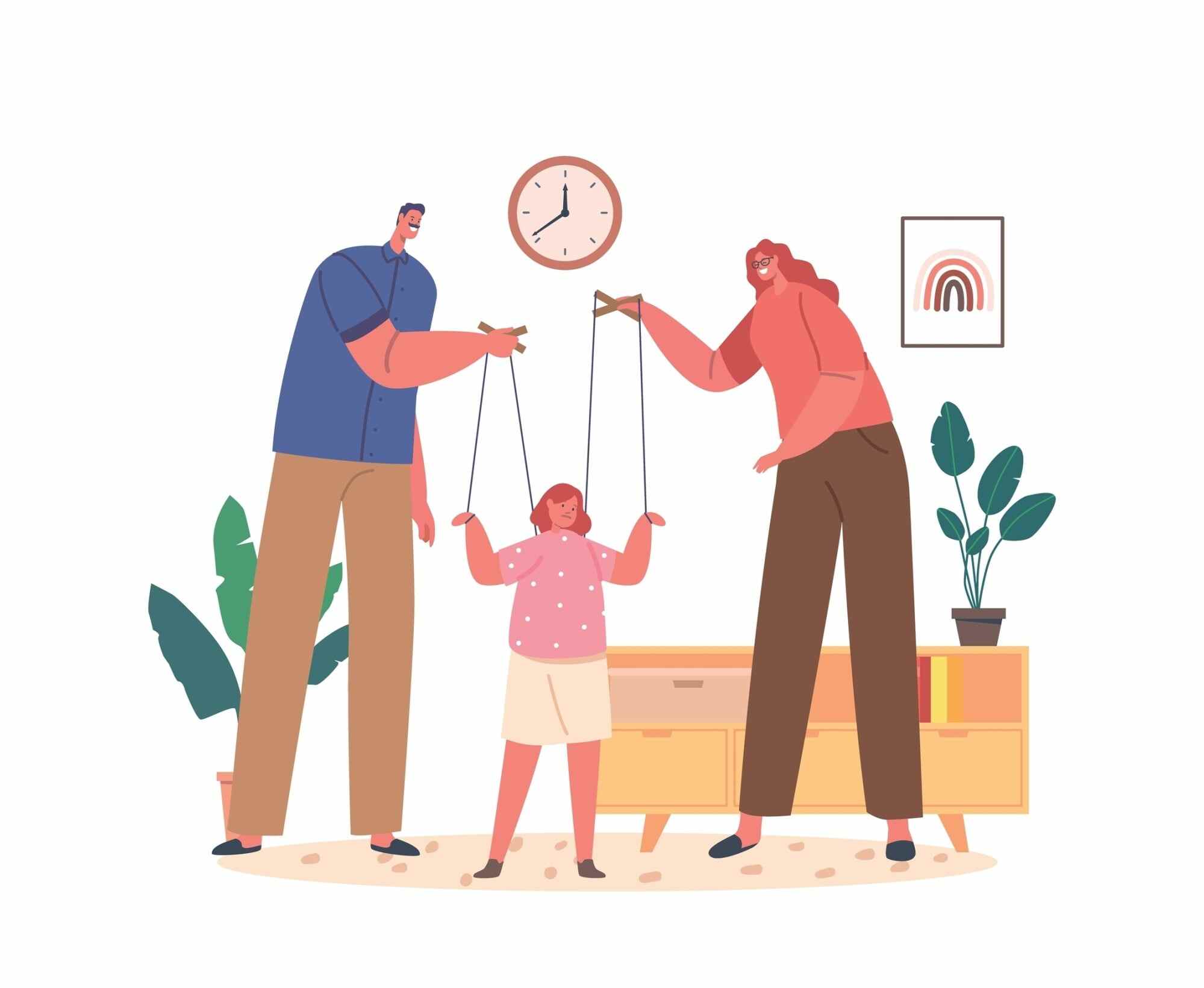
Second, forcing children to participate in activities they lack interest in and passion for is a waste of their time and their parents’ money. Parents believe extracurricular activities are a good use of children’s free time. They foolishly believe their children can rest or relax as they learn new skills. But for students, this forced “fun” is just more hard labour.
Children who are not motivated to actively take part in classes will neither discover new interests nor develop creativity. They will solely focus on when the lesson will end. However, if children are given the opportunity to manage their free time independently, they might learn a few useful skills.
Third, allowing children to manage their own free time strengthens family relationships. When parents dictate every hour of the day, children become bitter and see their parents as controllers rather than allies. This simmering resentment erodes the parent-child bond and breeds a tense, hostile atmosphere at home, placing yet another burden on a child’s already fragile mental health.
When children are trusted to make their own choices about how they spend their spare time, they feel respected and valued. This paves the way for open communication and greatly diminishes daily conflict. Children who are free to explore their genuine interests are more likely to develop a secure sense of self and long-term emotional resilience.
A child’s lack of maturity should not be an excuse for stopping them from making long-term decisions. If youngsters are never given the chance to manage their own time, they will never learn discipline because they will never face the consequences of not making good use of it.
In conclusion, children should have the right to manage their free time. They will experience less pressure, actively discover interests and learn time-management skills.